

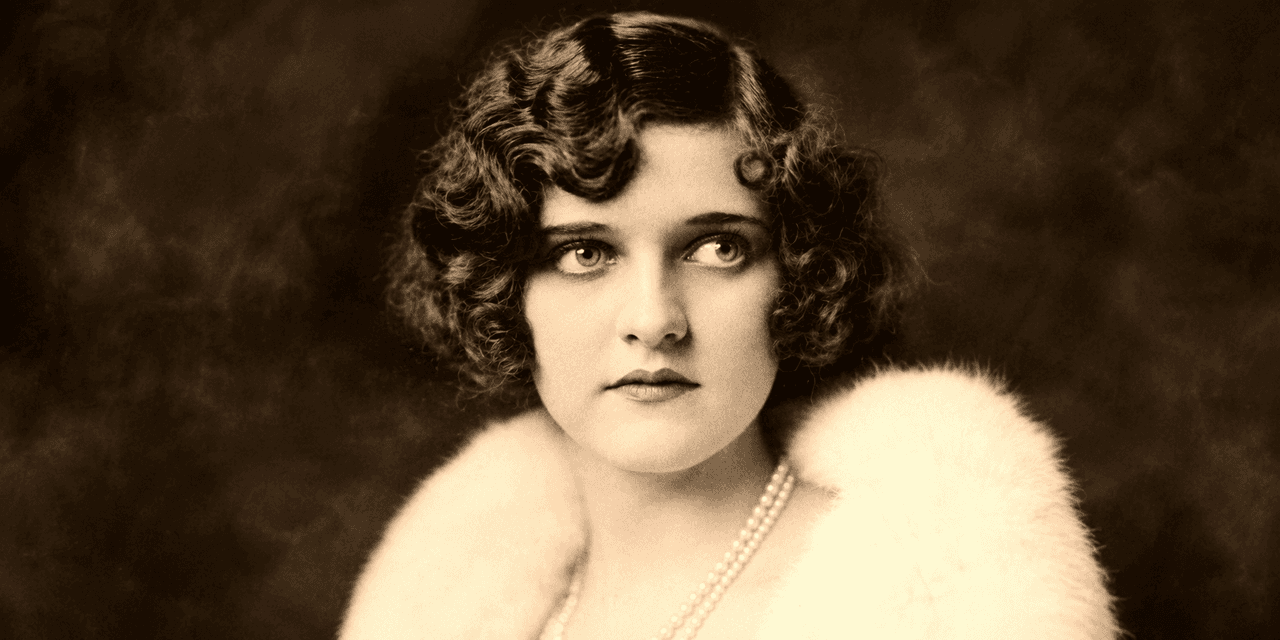
+2 More

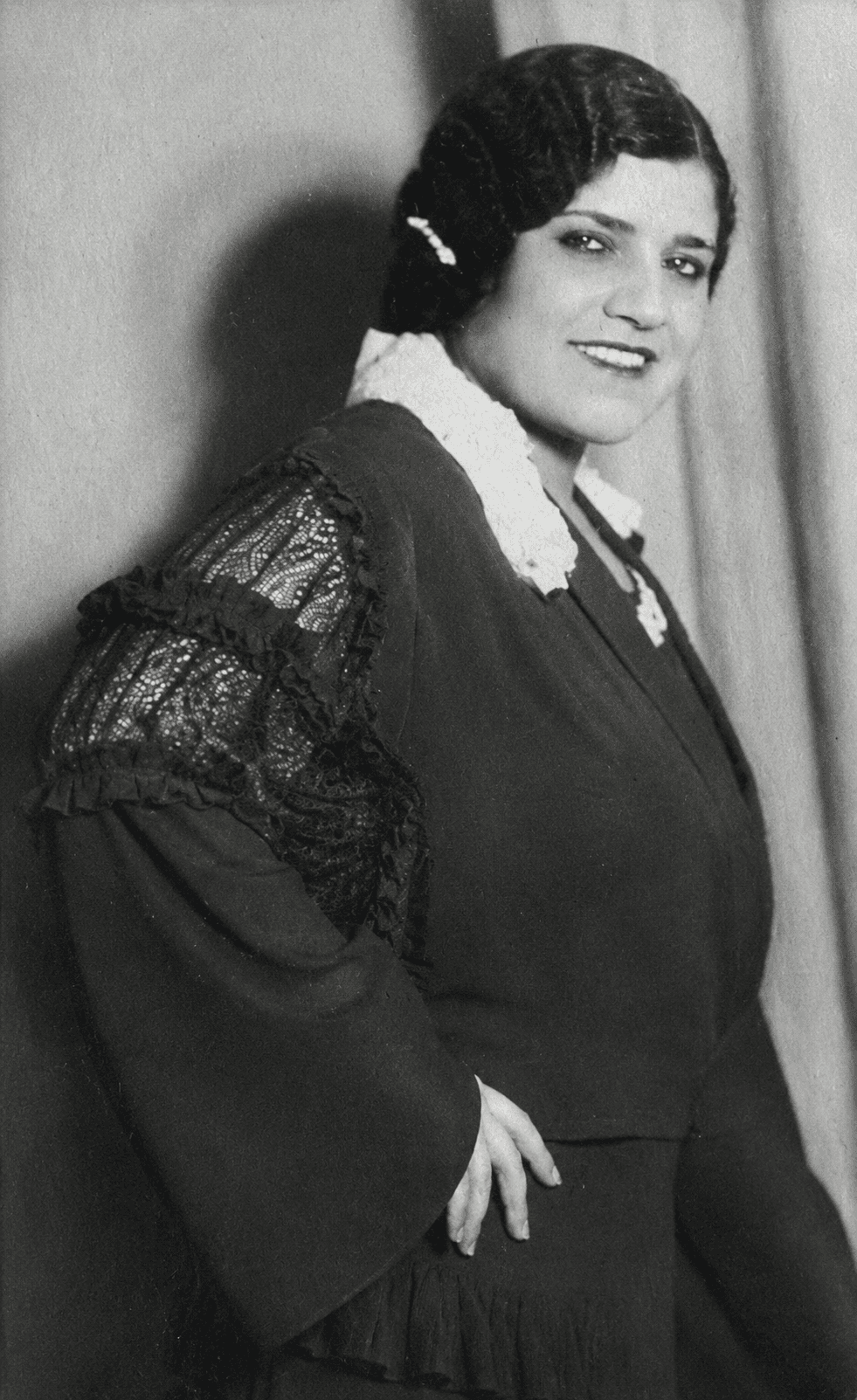
Seyyan Hanım (Enhanced with generative artificial intelligence.)
Ölüm tarihi | 1989-05-16 | ||||||||
|---|---|---|---|---|---|---|---|---|---|
Spouse(s) | Sait Oskay | ||||||||
Profession(s) | Singer | ||||||||
Notable Work | The Past Is a Wound in My Heart | ||||||||
Year and Place of Birth | 1913, Istanbul or Thessaloniki | ||||||||
Full Name | Seyyan Oskay | ||||||||
Type(s) | Tango Light Music Foxtrot Rumba | ||||||||
Seyyan Hanım is regarded as one of the first and most important interpreters of Turkish tango music.【1】 She is particularly known for her 1932 recording of "Mazi Kalbimde Bir Yaradır" and among the early representatives of Turkey’s popular light music through her phonograph recordings in tango, rumba, and foxtrot styles. Her name sometimes appears in sources as Seyyan Oskay.
Seyyan Hanım was born in 1913. There are conflicting accounts regarding her place of birth. While some sources state she was born in Istanbul, family accounts indicate she was born in Thessaloniki.【2】 She was the only daughter in a family of five children. Her father was Hikmet Bey and her mother was Rabia Hanım.【3】
Seyyan Hanım - Mazi Kalbimde Bir Yaradır [Tangolar © 1996 Kalan Müzik] (Kalan Müzik)
Her father gave her the name "Seyyan," meaning "equal," because he wished her to be raised under the same conditions as her brothers. During the population exchange, the family migrated from Thessaloniki to Istanbul and settled in Kanlıca.
It is reported that her father, Hikmet Bey, served for a time as a personal courier to Mustafa Kemal Atatürk and was killed in an assassination attempt during the transition to Samsun. At the time of this event, Seyyan Hanım was approximately seven years old.【4】
Seyyan Hanım’s vocal talent was recognized at an early age. Encouraged by acquaintances of her older brother, she received musical training. After completing secondary school, she enrolled at the Istanbul Conservatory and studied under Monsieur Talariko.
During her conservatory years, she sang songs in French and Italian. She quickly attracted attention and began performing in various concerts.
Seyyan Hanım - Yıldızların Altında [Tangolar © 1996 Kalan Müzik] (Kalan Müzik)
Seyyan Hanım gave her first concert at the age of sixteen at the Kadıköy Opera Stage, a venue later used as the Süreyya Cinema.【5】
Her early repertoire included not only foreign compositions but also Turkish works composed by Kaptanzade Ali Rıza Bey, such as "Efem," "Çoban Yıldızı," "Aşk Mevsimi," "Akşam Garipliği," and "Zavallı Aşk."
In the early 1930s, she performed for approximately one and a half years at the Moulin Rouge nightclub in Beyoğlu, also known as "Kırmızı Değirmen." During this period, she made her first phonograph recordings for Columbia. Later, she worked with Sahibinin Sesi and Odeon.
Seyyan Hanım - Hasret [Tangolar © 1996 Kalan Müzik] (Kalan Müzik)
Seyyan Hanım’s most significant contribution to music history is her rendition of "Mazi Kalbimde Bir Yaradır," recognized as Turkey’s first Turkish-language tango. The music was composed by Necip Celal Andel and the lyrics were written by Necdet Rüştü.
The song was released as a phonograph record in 1932. Some sources indicate the recording was made on 5 February 1932.【6】 The piece quickly gained widespread popularity, and Seyyan Hanım’s name became synonymous with Turkish tango music. In subsequent years, she also recorded other tangos composed by Necip Celal.
After marrying Lieutenant Sait Oskay, Seyyan Hanım began living in various cities across Anatolia due to her husband’s postings. She is known to have lived especially in Sarıkamış and Kars. After marriage, she largely withdrew from live performances but continued making phonograph recordings. Despite living outside Istanbul, she returned to the city once or twice a year to record in studios, collaborating with Necip Aşkın Orchestra.
Seyyan Hanım - Mehtaplı Bir Gece (TRT Müzik)
Under an agreement with Sahibinin Sesi, she made recordings for approximately ten years. It is reported that she produced around fifty records in total.【7】
Her repertoire included not only tango but also rumba, foxtrot, marches, and other forms of light music. Nevertheless, she remained publicly identified primarily as a tango singer.
Seyyan Hanım completely withdrew from the music industry after giving birth to her second child in 1942. She thereafter made no public appearances.
She was rediscovered in 1978 by a radio producer. Following this, she participated in several radio programs. In 1979–1980, she performed at a memorial evening for Fehmi Ege held at the Atatürk Cultural Center. This event is regarded as her most important public performance after many years of absence.
It is reported that when she returned to the stage, she addressed the audience with the words: "I have not sung in front of listeners for forty years."【8】 In 1985, she gave her final interview with Murat Belge.【9】
Seyyan Hanım passed away on 16 May 1989 at her home in Maltepe, Istanbul. Starting in the 1990s, her shellac recordings were reissued, allowing new generations to rediscover her work. The 1996 album "Tangolar - Seyyan Hanım," released by Kalan Müzik, played a significant role in this revival. Later, her recordings were reorganized and reissued under the supervision of Cemal Ünlü.
Durukan, M. Erhan. “Seyyan Hanım.” *Objektif Dergisi*, May 15, 2020. Accessed May 14, 2026. https://web.archive.org/web/20201130023615/https://objektifdergisi.com/2020/05/15/m-erhan-durukan-seyyan-hanim/
Hızlan, Doğan. “Seyyan Hanım Söylüyor.” *Hürriyet*, April 2, 2019. Accessed May 14, 2026. https://web.archive.org/web/20190401172202/https://www.hurriyet.com.tr/yazarlar/dogan-hizlan/seyyan-hanim-soyluyor-41159666
Kalan Müzik. “Seyyan Hanım - Hasret [ Tangolar © 1996 Kalan Müzik ].” YouTube video, 17 January 2017. Accessed May 14, 2026. https://www.youtube.com/watch?v=yGjfhHOr63g
Kalan Müzik. “Seyyan Hanım - Mazi Kalbimde Bir Yaradır [ Tangolar © 1996 Kalan Müzik ].” YouTube video, 17 January 2017. Accessed May 14, 2026. https://www.youtube.com/watch?v=GdN6dOslf9E
Kalan Müzik. “Seyyan Hanım - Yıldızların Altında [ Tangolar © 1996 Kalan Müzik ].” YouTube video, 17 January 2017. Accessed May 14, 2026. https://www.youtube.com/watch?v=l6Cc130VPDc
TRT Müzik. "Seyyan Hanım - Mehtaplı Bir Gece." YouTube video. June 9, 2021. Accessed May 14, 2026. https://www.youtube.com/watch?v=eTnPK6TA76s
Ünlü, Cemal. “Seyyan Hanım Dinletileri.” Marmara ÜniversitesiAçıkErişim Tarihi. Accessed May 14, 2026. https://web.archive.org/web/20210913111001/http://openaccess.marmara.edu.tr/bitstream/handle/11424/171684/001525814006.pdf?sequence=2.
“91 Symbols of Women on the 91st Year of the Republic.” *Hürriyet*, October 29, 2014. Accessed May 14, 2026. https://web.archive.org/web/20180718131823/https://www.hurriyet.com.tr/kelebek/hayat/cumhuriyetin-91-inci-yilinda-91-sembol-kadin-27474615
“Seyyan (Oskay) Hanım.” *Sabbatean Studies*. Accessed May 14, 2026. https://web.archive.org/web/20251110102713/https://www.sabbateanstudies.org/tr/prominentfigures/seyyan-(oskay)-hanım.
“Seyyan Hanım – Tangolar.” Spotify. Accessed May 14, 2026. https://open.spotify.com/intl-tr/album/1j0yTk79UTUg3fVgSaJLbY.
“Seyyan Hanım.” *Biyografya*. Accessed May 14, 2026. https://www.biyografya.com/tr/biographies/seyyan-hanim-54768485.
[1]
"Seyyan (Oskay) Hanım," Sabbatean Studies, accessed 14 May 2026. https://web.archive.org/web/20251110102713/https://www.sabbateanstudies.org/tr/prominentfigures/seyyan-(oskay)-hanım.
[2]
Doğan Hızlan, "Seyyan Hanım Söylüyor," Hürriyet, 25 March 2019, accessed 14 May 2026. https://web.archive.org/web/20190401172202/https://www.hurriyet.com.tr/yazarlar/dogan-hizlan/seyyan-hanim-soyluyor-41159666
[3]
"Seyyan (Oskay) Hanım," Sabbatean Studies, accessed 14 May 2026.
[4]
Doğan Hızlan, "Seyyan Hanım Söylüyor," Hürriyet, 25 March 2019.
[5]
Doğan Hızlan, "Seyyan Hanım Söylüyor," Hürriyet, 25 March 2019.
[6]
M. Erhan Durukan, "Seyyan Hanım," Objektif Dergisi, 15 May 2020, accessed 14 May 2026. https://web.archive.org/web/20201130023615/https://objektifdergisi.com/2020/05/15/m-erhan-durukan-seyyan-hanim/.
[7]
Doğan Hızlan, "Seyyan Hanım Söylüyor," Hürriyet, 25 March 2019.
[8]
Seyyan Hanım," Biography, accessed 14 May 2026. https://www.biyografya.com/tr/biographies/seyyan-hanim-54768485.
[9]
Doğan Hızlan, "Seyyan Hanım Söylüyor," Hürriyet.

Seyyan Hanım (Enhanced with generative artificial intelligence.)
Ölüm tarihi | 1989-05-16 | ||||||||
|---|---|---|---|---|---|---|---|---|---|
Spouse(s) | Sait Oskay | ||||||||
Profession(s) | Singer | ||||||||
Notable Work | The Past Is a Wound in My Heart | ||||||||
Year and Place of Birth | 1913, Istanbul or Thessaloniki | ||||||||
Full Name | Seyyan Oskay | ||||||||
Type(s) | Tango Light Music Foxtrot Rumba | ||||||||
Early Life and Family
Education and Musical Career
Early Stage Performances
Turkish Tango and the Work "Mazi Kalbimde Bir Yaradır"
Private Life and the Beginning of Life Outside Istanbul
Rediscovery and Return to the Stage
Death and Legacy