


Şerif Gören
Date of birth | 1944-07-01 | ||||||||
|---|---|---|---|---|---|---|---|---|---|
Date of death | 2024-12-08 | ||||||||
Occupation | Screenwriter Director | ||||||||
Education | Istanbul Boys' High School | ||||||||
Place of burial | Kozlu Cemetery | ||||||||
Important films | Kan (1977) Yol (1982) Endişe (1974) Derman (1983) Firar (1984) | ||||||||
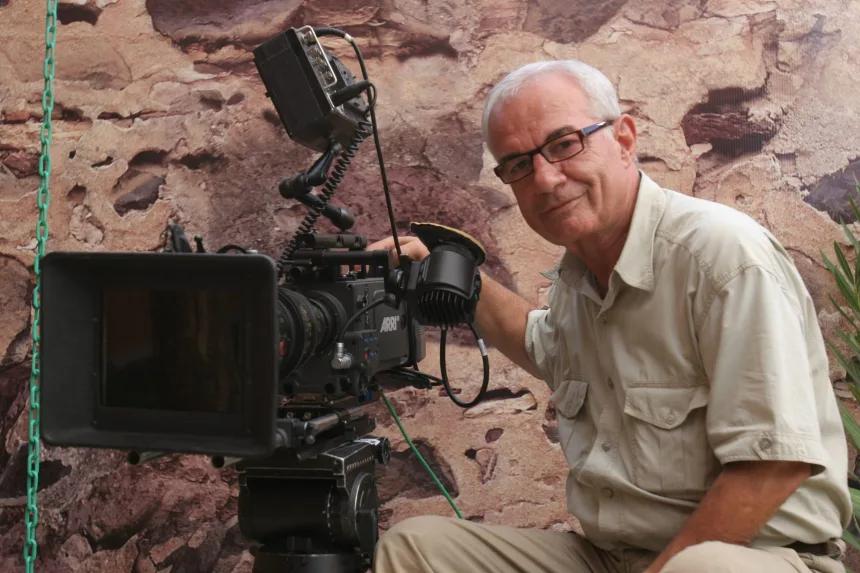
Şerif Gören was born in 1944 in İskence, Western Thrace. He migrated to Türkiye with his family and developed an interest in cinema from a young age. Despite receiving an engineering education, his passion for cinema led him into the industry. He began his career in the late 1960s as an editor and quickly took steps toward directing by working as an assistant director.
From the late 1960s onward, he directed films of various genres in Yeşilçam. However, his true breakthrough came through his engagement with the social realism movement and his collaboration with Yılmaz Güney. His works, which featured political and social criticism, attracted widespread attention and by the 1970s he had become one of the most important directors in Turkish cinema.
class=\
Şerif Gören’s approach to cinema represents one of the strongest examples of social realism. The recurring themes in his films include:
• Social Realism: Reflects the economic and social contradictions of Turkish society.
• Individual Struggle: His characters are typically individuals striving to survive within oppressive systems.
• Political and Social Criticism: Systemic critique and political allusions are strongly evident in his films.
• Rural-Urban Conflict: Issues such as migration from village to city, the hardships of the rural class, and feudal systems are brought to the forefront.
• Women and Social Roles: The pressures faced by women and social gender inequality are significant themes.
• Visual Aesthetics and Naturalism: The use of natural lighting, simple storytelling, and realistic scenes visually supports social critique.
Gören employs static camera angles and long takes to establish an emotional connection with the viewer. His films are shaped around universal themes such as oppressive systems, individual freedom, and human rights.
• His most important film, with a screenplay written by Yılmaz Güney, who entrusted Gören with the direction while he was imprisoned.
• It became the first Turkish film to win the Golden Palm at the 1982 Cannes Film Festival.
• It addresses political repression, individual freedom, and systemic criticism.
• The film was banned in Türkiye for many years and was only allowed to be screened in 1999.
• A film with a screenplay by Yılmaz Güney and one of the strongest examples of social realism.
• It portrays the oppression of the feudal system and the struggle of peasants against landowners.
• It draws attention through its use of real locations and naturalism.
• A powerful film depicting the hardships women endured under the feudal system.
• It created one of the most memorable female characters of its time and established an important place in women’s cinema.
• It stands out through its natural landscapes, simple storytelling, and realistic scenes.
• A tense drama recounting the escape of political prisoners.
• It explores themes of oppressive regimes and individual freedom.
• A compelling drama examining the psychological dimensions of crime.
• It contains critiques of the justice system.
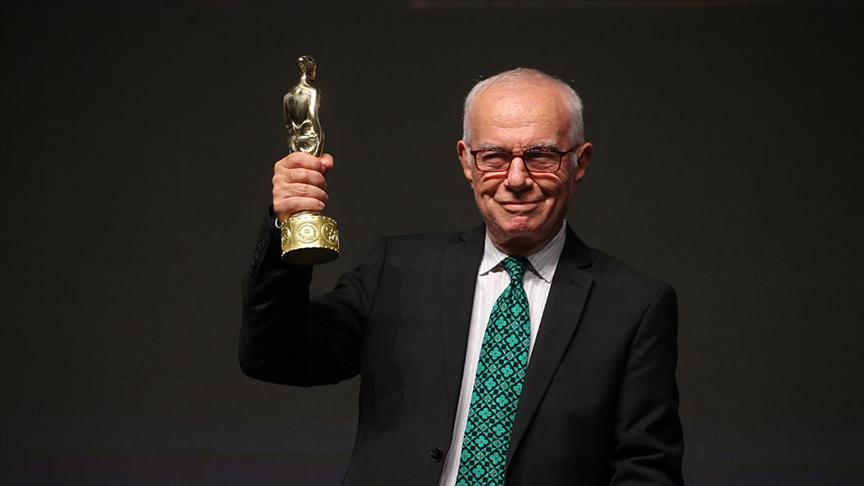
Şerif Gören has received numerous prestigious awards at both national and international festivals.
• 1982 Cannes Film Festival – Golden Palm (Yol)
• Antalya Golden Orange Film Festival – Best Director Award
• Special jury prizes at international festivals
• Lifetime Achievement Award from the Istanbul Culture and Arts Foundation (İKSV)
class=\
Şerif Gören is regarded as one of the most courageous directors in Turkish cinema, addressing social events with exceptional realism. Through his film Yol, he introduced Türkiye to the international cinematic world. He became the foremost practitioner and continuator of Yılmaz Güney’s cinematic legacy. As one of the most prominent representatives of social realism, he secured his place in film history. His use of real locations brought a profound sense of naturalism to Turkish cinema.
Anadolu Ajansı. Yönetmen Şerif Gören Vefat Etti. Accessed March 18, 2025.
Art Dog İstanbul. Şerif Gören (1944–2024). Accessed March 18, 2025.Link
Beyazperde. Şerif Gören – Sanatçı Profili. Accessed March 18, 2025.Link
DergiPark. "Türk Sinemasında Şerif Gören’in Estetik Yaklaşımı." Accessed March 18, 2025.Link
DergiPark. "Şerif Gören ve Toplumsal Temaların Sinemaya Yansımaları." Accessed March 18, 2025.Link
DergiPark. "Şerif Gören’in Sinema Anlayışı Üzerine Bir İnceleme." Accessed March 18, 2025.Link
IMDb. Şerif Gören Filmography and Biography. Accessed March 18, 2025.Link
Sinematurk. "Şerif Gören – Yönetmen Biyografisi." Accessed March 18, 2025.Link
Turk Sineması Araştırmaları (TSA). Şerif Gören Profile. Accessed March 18, 2025.Link
İKSV. "Yaşam Boyu Başarı Ödülleri – Şerif Gören." Accessed March 18, 2025.Link
İleF Dergisi, Ankara Üniversitesi. "Şerif Gören Üzerine Eleştirel Bir Makale." Accessed March 18, 2025.Link

Şerif Gören
Date of birth | 1944-07-01 | ||||||||
|---|---|---|---|---|---|---|---|---|---|
Date of death | 2024-12-08 | ||||||||
Occupation | Screenwriter Director | ||||||||
Education | Istanbul Boys' High School | ||||||||
Place of burial | Kozlu Cemetery | ||||||||
Important films | Kan (1977) Yol (1982) Endişe (1974) Derman (1983) Firar (1984) | ||||||||
Cinematic Style and Themes
Notable Films
1. Yol (1982) – Award-Winning Masterpiece
2. Endişe (1974) – Landlords and Peasant Conflict
3. Derman (1983) – A Realistic Film on Women’s Themes
4. Firar (1984) – A Political Escape Story
5. Kan (1977) – Crime, Justice, and Revenge
Awards and Achievements
Legacy and Influence