


This article was automatically translated from the original Turkish version.
+1 More
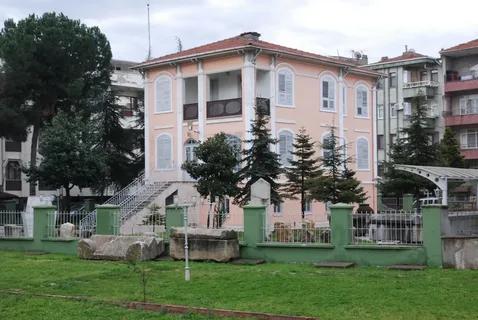
Sakarya Museum (Atatürk House)
Location | Semerciler Mahallesi Adapazarı / Sakarya No:36 Sait Faik Sokak | ||||||||
|---|---|---|---|---|---|---|---|---|---|
Foundation | 1989 (office services), 1993 (opening to visitors) | ||||||||
Original Owner | Captain Baha Bey | ||||||||
Area(s) | 1290 m² | ||||||||
Number of Floors | 3 floors | ||||||||
Number of Works | 130 archaeological, 184 ethnographic, 1205 coins, 4 manuscripts, 11 seals | ||||||||
Exhibited Periods | Prehistoric, Roman, Byzantine, Ottoman, Republican | ||||||||
Garden Works | Grave stones, altars, inscribed stones, architectural fragments | ||||||||
Sakarya Museum is located in the Semerciler Neighborhood of the Adapazarı district in Sakarya Province, Türkiye. The museum building draws additional attention due to its architectural structure and historical function, as it briefly served as the residence of Mustafa Kemal Atatürk, one of the most significant figures in the history of the Republic. The museum contributes to both academic research and cultural tourism through its archaeological and ethnographic collections, exhibition arrangements, and historical context.
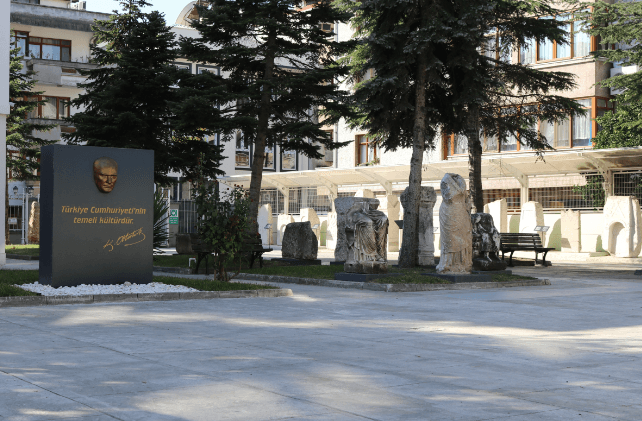
Sakarya Museum (Turkish Museums)
The building was constructed between 1910 and 1915 by Lieutenant Colonel Baha Bey, then Head of the Adapazarı Military Branch. The three-story structure, including a ground floor, was later purchased by Hasan Cavit Bey, a close friend and member of parliament of Mustafa Kemal Atatürk. Mustafa Kemal Atatürk stayed in this house with his mother, Zübeyde Hanım, from June 14 to 22, 1922. This stay played a decisive role in shaping the building’s historical identity.
The structure suffered severe damage during the major Adapazarı earthquake of 1967. In 1983, the building was registered as an example of civil architecture and subsequently nationalized by the Ministry of Culture and Tourism of the Republic of Türkiye. Its exterior was restored to its original appearance, while the interior was rebuilt using reinforced concrete. This transformation was carried out specifically to convert the building into a museum. Today, the ground floor houses administrative offices and a natural gas boiler room, the first floor contains the museum director’s office and an exhibition hall, and the second floor features a conference hall with a capacity of 50 people.
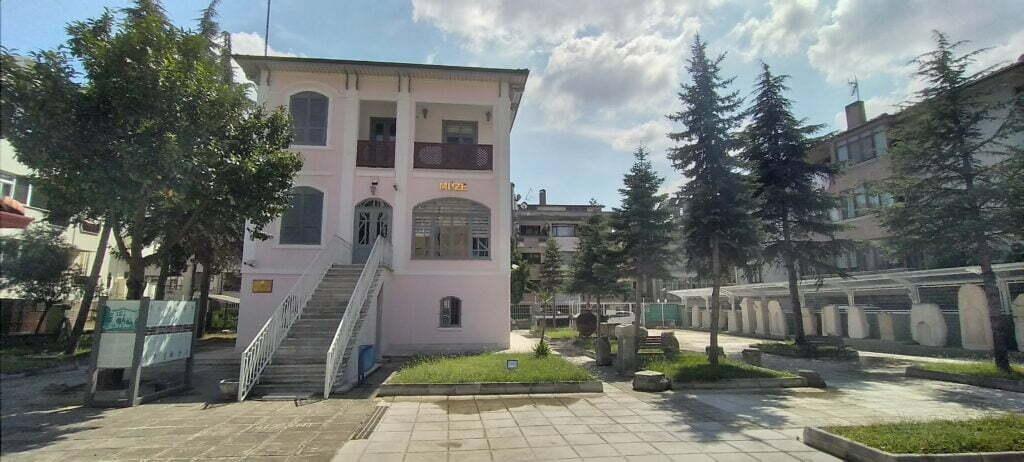
Sakarya Museum (Sakarya City Memory)
The Sakarya Museum first began operations on January 12, 1989, under the auspices of the Provincial Directorate of Culture, initially providing only administrative services. It was relocated to its current location on March 7, 1989, and opened to the public on June 21, 1993, after the completion of its exhibition arrangements.
Some display cases and exhibited artifacts were damaged during the earthquake of August 17, 1999, leading to a temporary closure. Following restoration efforts after the earthquake, the museum reopened to visitors on June 28, 2003.
The museum, including its garden, covers a total area of 1,290 square meters. The building is three stories high. The ground floor contains administrative offices and a natural gas boiler room, the first floor houses the director’s office and an approximately 85-square-meter exhibition hall, and the second floor features a conference hall for 50 people. This layout enables the museum to fulfill both exhibition and event-oriented functions.

Interior Space (Türkiye Culture Portal)
The museum’s exhibition hall comprises areas displaying archaeological artifacts from prehistoric periods through the Roman and Byzantine eras, as well as ethnographic artifacts from the Ottoman and Republican periods.
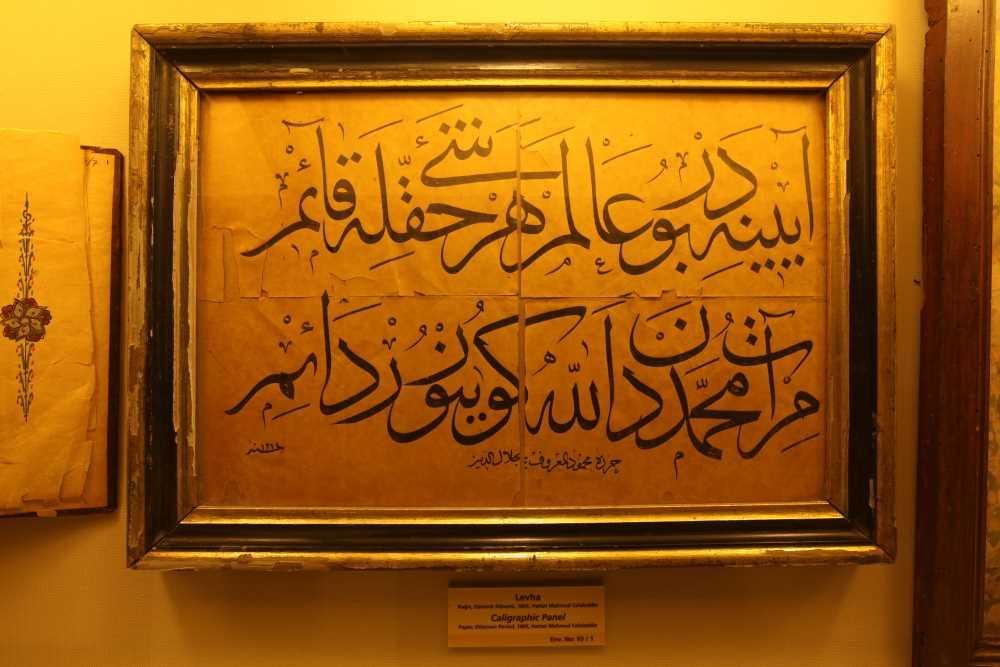
Exhibited Artifacts (Türkiye Culture Portal)
The archaeological collection includes flat hand axes, fired clay vessels, perfume and tear bottles, glassware, and metal objects. These artifacts were recovered through various excavations and surveys conducted within the boundaries of Sakarya Province. Finds from the Roman and Byzantine periods are particularly significant for understanding the region’s historical identity.
The ethnographic section displays firearms and bladed weapons, copper vessels, seals, handcrafted items, and other objects from the Ottoman and Republican periods. Additionally, some personal belongings used by Mustafa Kemal Atatürk are part of the museum’s collection. Some of these items were selected from ethnographic museums in Bursa, Amasya, Konya, Tokat, and Ankara.
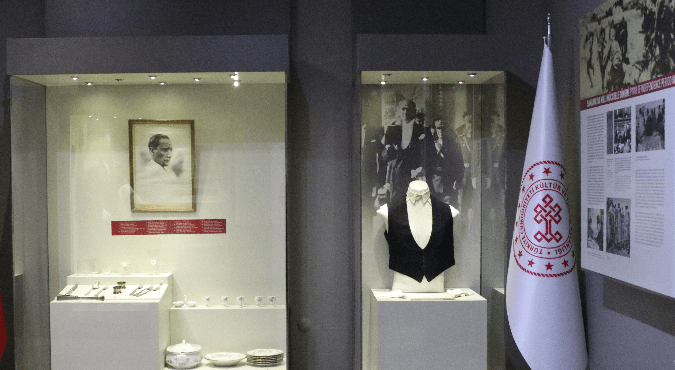
Interior Space (Turkish Museums)
The museum holds 130 archaeological and 184 ethnographic artifacts, four handwritten books, 1,205 coins, and 11 seals and seal impressions. This collection provides valuable insights into the region’s economic and administrative history.

Exhibited Qur’an (Türkiye Culture Portal)

Coins Display Case (Türkiye Culture Portal)
In the museum garden, various architectural fragments, tombstones, altars, inscribed stones, ossuaries, fired clay food containers, and column bases from the Roman and Byzantine periods, all discovered within the boundaries of Sakarya Province, are displayed in open-air exhibitions. This area offers visitors a visual experience representative of outdoor museology.
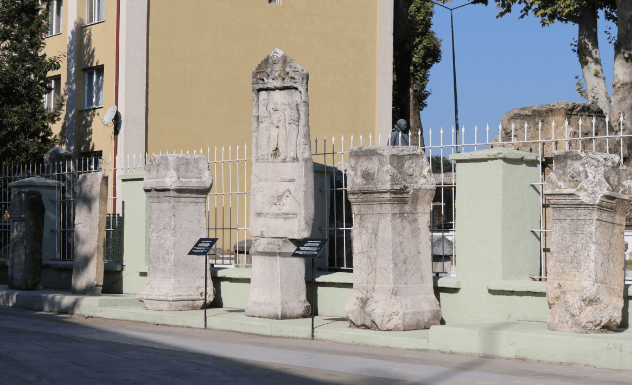
Outdoor Exhibition Area (Turkish Museums)
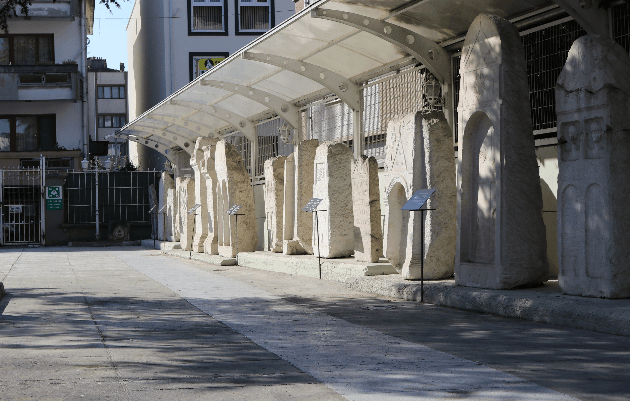
Outdoor Exhibition Area (Turkish Museums)
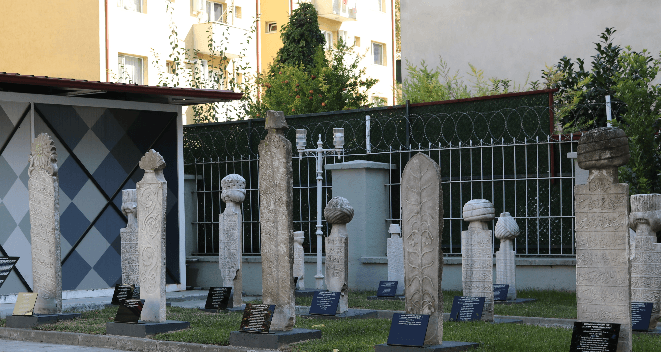
Outdoor Exhibition Area (Turkish Museums)
Address: Semerciler Neighborhood, Sait Faik Street, No: 36, Adapazarı / Sakarya
Email:
Phone: 0264 277 36 68
Opening Hours: 09:00
Closing Hours: 17:00
Ticket Office Closing: 16:30
Closed Days: Monday
Admission: Free
The Sakarya Museum contributes to the preservation of local history and culture through the historical significance of its building, its memorabilia associated with Atatürk, and its collections. Restoration and reconstruction efforts undertaken after past earthquakes aim to ensure the museum’s conservation and transmission to future generations. The museum functions not only as an exhibition space but also as a center for research, education, and cultural activities.
Ministry of Culture and Tourism of the Republic of Türkiye. “Sakarya Müzesi (Atatürk Evi).” *Türkiye Kültür Portalı*. Accessed May 9, 2025. https://www.kulturportali.gov.tr/turkiye/sakarya/gezilecekyer/sakarya-muzesi-ataturk-evi
Sakarya Üniversitesi. "Sakarya Müzesi." Şehir Hafızası. Accessed May 9, 2025. https://sehirhafizasi.sakarya.edu.tr/sakarya-muzesi/
T.C. Kültür ve Turizm Bakanlığı. "Sakarya Müzesi." Müze.gov.tr. Accessed May 9, 2025. https://muze.gov.tr/muze-detay?sectionId=SKM01&distId=MRK
Sakarya Museum (Atatürk House)
Location | Semerciler Mahallesi Adapazarı / Sakarya No:36 Sait Faik Sokak | ||||||||
|---|---|---|---|---|---|---|---|---|---|
Foundation | 1989 (office services), 1993 (opening to visitors) | ||||||||
Original Owner | Captain Baha Bey | ||||||||
Area(s) | 1290 m² | ||||||||
Number of Floors | 3 floors | ||||||||
Number of Works | 130 archaeological, 184 ethnographic, 1205 coins, 4 manuscripts, 11 seals | ||||||||
Exhibited Periods | Prehistoric, Roman, Byzantine, Ottoman, Republican | ||||||||
Garden Works | Grave stones, altars, inscribed stones, architectural fragments | ||||||||
No Discussion Added Yet
Start discussion for "Sakarya Museum (Atatürk House)" article
History of the Museum Building
Museum Establishment Process and Opening
Physical Structure and Space Utilization
Collections and Exhibited Artifacts
Archaeological Artifacts
Ethnographic Artifacts
Numismatic and Manuscript Artifacts
Outdoor Exhibition Area
Visit Information