This article was automatically translated from the original Turkish version.
+1 More
Function(s) | Observation and artillery defense | ||||||||
|---|---|---|---|---|---|---|---|---|---|
Type(s) | Ottoman period fortification | ||||||||
Region(s) | Eastern Anatolia | ||||||||
Significance | Example of Ottoman military architecture | ||||||||
Historical Period | Ottoman-Russian wars | ||||||||
Defense Line | Erzurum fortifications | ||||||||
Purpose of Construction | Border defense | ||||||||
Construction Period | 19th century | ||||||||
Location | Dumlu Erzurum | ||||||||
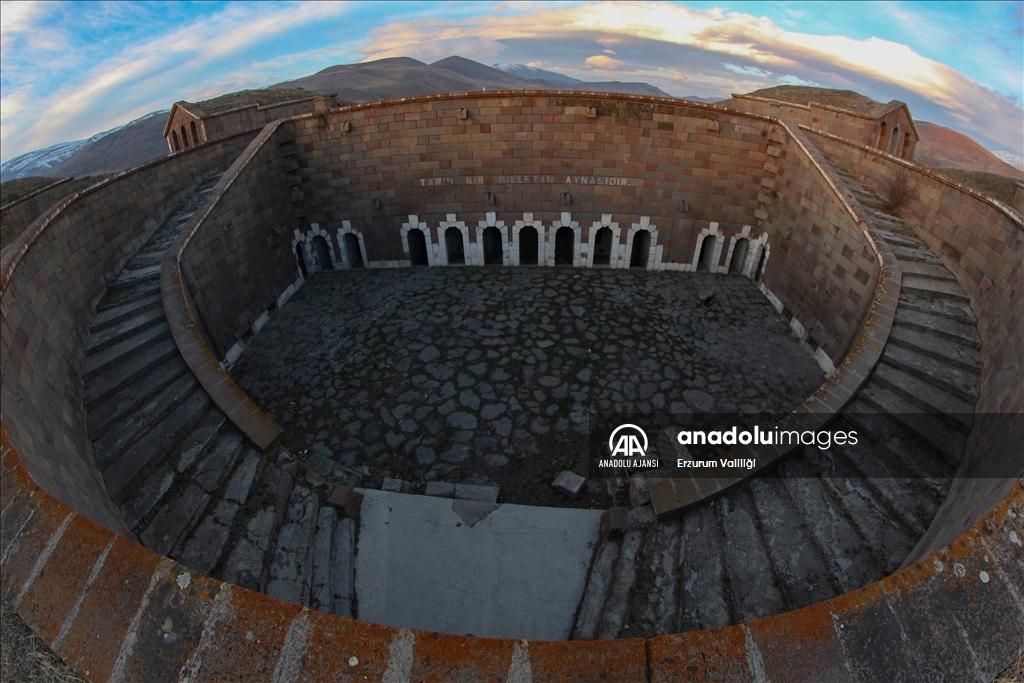
Şahap Paşa Tabyası is one of the Ottoman military defense structures located near the Dumlu region in the northeast of Erzurum city center. The structure is part of the Erzurum tabya system developed during the 19th century as part of efforts to strengthen the Ottoman Empire’s eastern frontier defenses【1】.
Built during a period of intensified Ottoman-Russian conflicts, the tabya was used for observation, artillery defense, and military control along Erzurum’s eastern defensive line【2】.
Şahap Paşa Tabyası, together with other tabyas around Erzurum, formed part of the city’s defensive organization. It is one of the examples reflecting the Ottoman Empire’s 19th-century military modernization approach to defense.
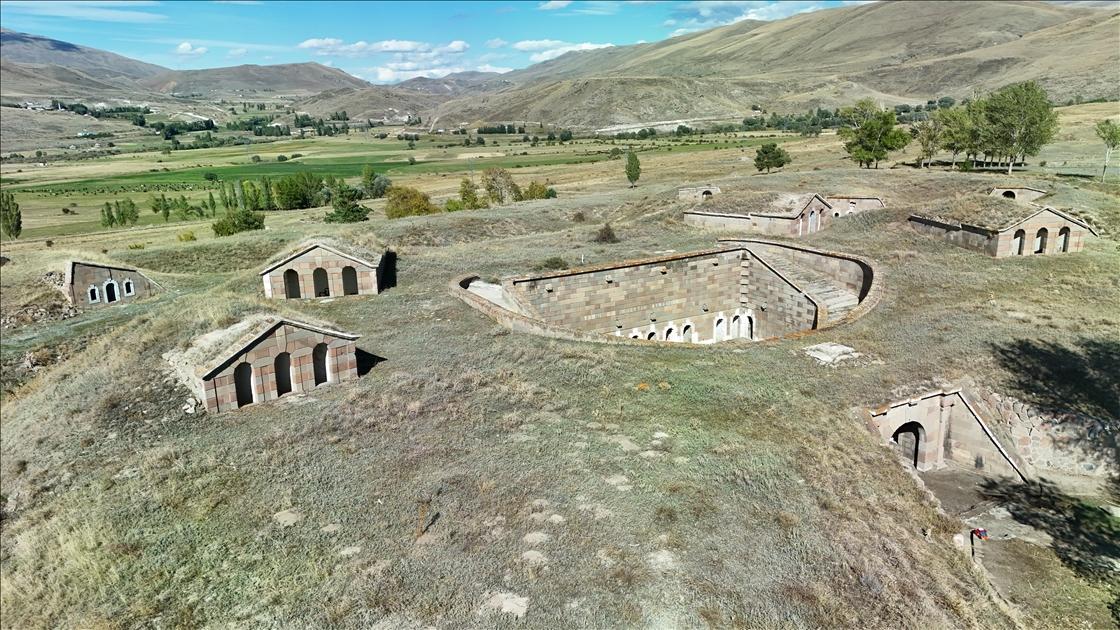
Şahap Paşa Tabyası is situated on a high-elevation site near Dumlu in the northeast of Erzurum city center【3】. The site offers a commanding view that allows extensive control over surrounding transportation routes and open terrain, demonstrating the military strategy behind its location selection.
Erzurum’s harsh continental climate, with long winters and high-altitude topography, influenced the structure’s design. Its placement on elevated and sloped terrain provided natural protection and enhanced environmental observation capacity.
Şahap Paşa Tabyası (Anadolu Ajansı)
The tabya system was designed to move beyond classical castle defense and adapt to the artillery technology of the era. Şahap Paşa Tabyası, as part of the defensive network around Erzurum, fulfilled a strategic role in military observation and artillery defense.
Şahap Paşa Tabyası was constructed as part of the extensive defensive system developed around Erzurum. The tabyas placed around the city were interconnected to ensure military coordination along the defensive line.
Şahap Paşa Tabyası (Anadolu Ajansı)
Within this defensive system, tabyas were positioned on high ridges and key passageways to enable control over the surrounding terrain. Şahap Paşa Tabyası, due to its location, became one of the points from which military movements in the area could be monitored and the defensive line supported.
Şahap Paşa Tabyası is one of the military structures built to strengthen the Ottoman Empire’s eastern frontier defenses. Its design incorporated contemporary warfare technology, particularly adopting an architectural approach suited for artillery defense.
The structure includes areas for troop accommodation, ammunition storage, and defensive sections【5】. Its various sections were arranged to enable the protection and coordinated movement of military units during defense operations.
Artillery positions, sheltered defensive areas, and terrain-based fortification layouts form the core elements defining the structure’s military function. Some parts of the structure were designed to integrate with the natural landscape, reducing vulnerability to external attacks.
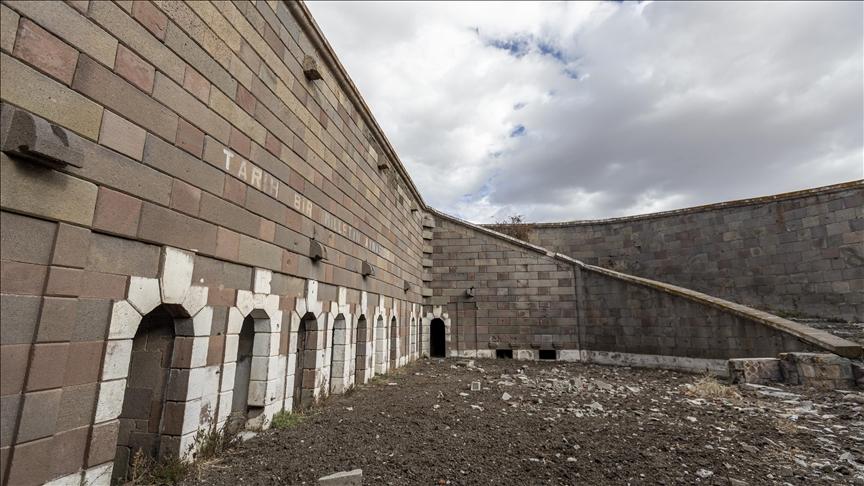
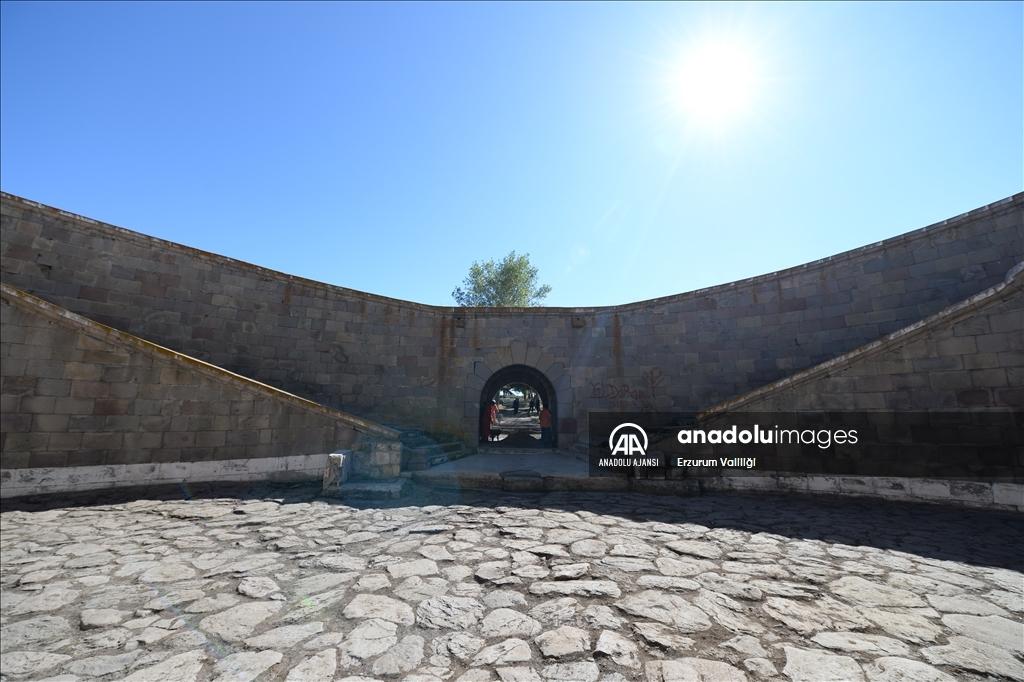
Şahap Paşa Tabyası is one of the structures embodying the defensive characteristics of 19th-century Ottoman military architecture. Stone was the primary building material, with thick walls and sheltered compartments ensuring resistance against external assaults【6】.
The architectural layout includes openings suited for artillery use, defensive positions, access corridors, and internal compartments. The structure’s floor plan follows a functional design aligned with military requirements.
Şahap Paşa Tabyası (Anadolu Ajansı)
Şahap Paşa Tabyası served as one of the key elements in the defense of Erzurum during conflicts between the Ottoman Empire and Russia【7】. Due to its strategic position along Erzurum’s eastern frontier, the tabya system around the city became a fundamental component of regional defense.
The tabya primarily fulfilled functions related to artillery defense and military observation. Its elevated position enabled control over the surrounding terrain and played a vital role in monitoring potential military movements.
During the Republican era, Şahap Paşa Tabyası largely lost its military function and became one of the abandoned historical structures. Over a long period without regular maintenance, parts of the structure suffered damage.
Natural conditions, climatic effects, and prolonged disuse caused physical deterioration of the structure. Nevertheless, it has endured as one of the notable examples of Ottoman military heritage in Erzurum.
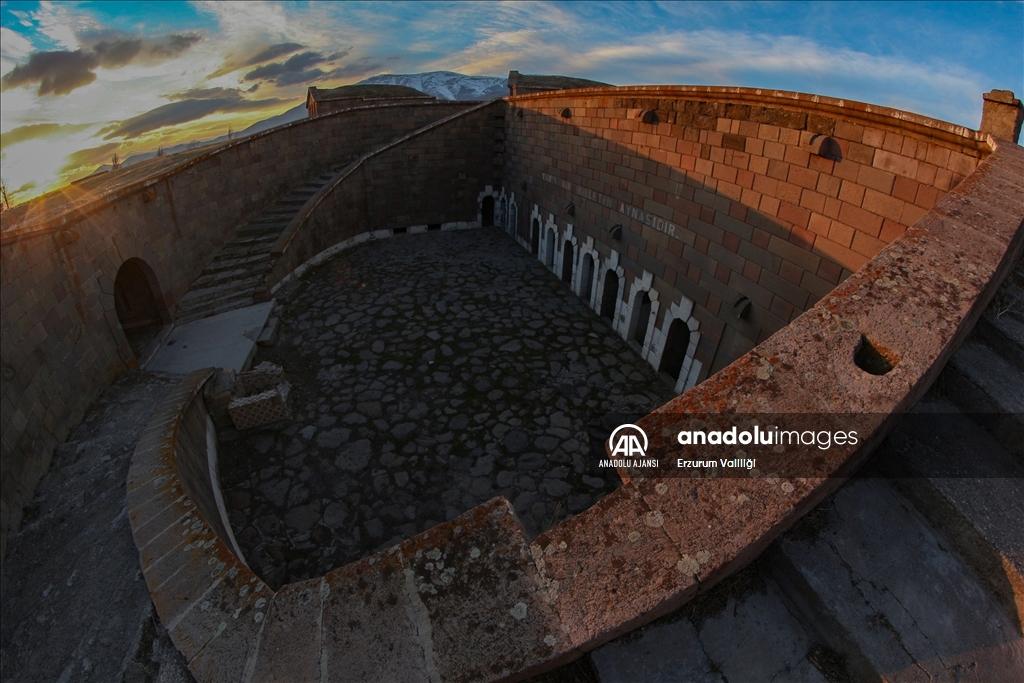
Şahap Paşa Tabyası (Anadolu Ajansı)
Restoration works at Şahap Paşa Tabyası are being carried out to preserve its historical integrity and reintroduce its functionality【8】.
The restoration process is being conducted under the initiatives of the Dumlu Open Correctional Institution【9】.
The works aim to preserve the structure’s physical integrity, repair damaged sections, and reinforce architectural elements. During restoration, priority is given to maintaining the original architectural features that define the structure’s historical character.
Şahap Paşa Tabyası is currently recognized among Erzurum’s historical military structures. While some sections have been preserved, traces of damage from earlier periods remain visible in certain areas.
Conservation and restoration efforts aim to improve the structure’s physical condition. These initiatives treat the tabya not merely as an architectural structure but also as a cultural and historical heritage element.
Efforts to incorporate Şahap Paşa Tabyası into cultural tourism have also been introduced【10】. Following the completion of restoration, works are underway to enable public access to the structure as a visitation site.
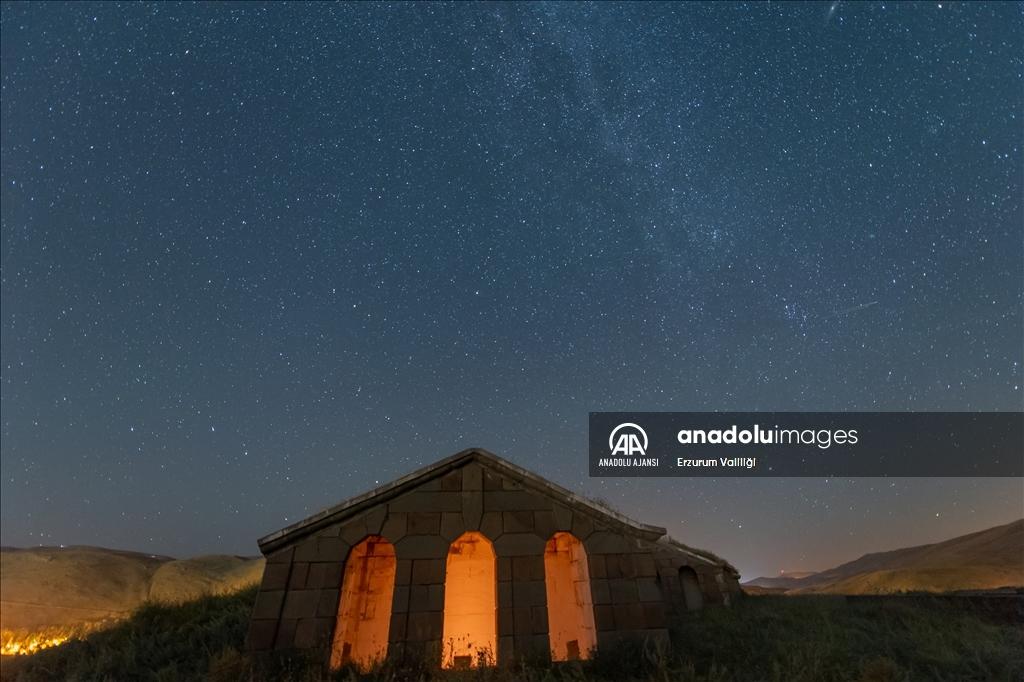
Şahap Paşa Tabyası (Anadolu Ajansı)
Şahap Paşa Tabyası is among the military structures reflecting the Ottoman Empire’s eastern frontier defense system. As a key component of the Erzurum tabya network, it serves as a historical example providing insight into 19th-century Ottoman military architecture and defense doctrine.
The structure is part of the cultural heritage that preserves Erzurum’s military past and its frontier defense system. It also holds significance as a physical manifestation of the Ottoman Empire’s policies regarding eastern frontier security.
Anadolu Ajansı Foto Galeri. "Osmanlı yadigarı Şahap Paşa Tabyası turizme kazandırılmayı bekliyor." Accessed May 20, 2026.
Anadolu Ajansı. “Osmanlı yadigarı Şahap Paşa Tabyası turizme kazandırılmayı bekliyor.” October 30, 2022. Accessed May 20, 2026. https://www.aa.com.tr/tr/kultur/osmanli-yadigari-sahap-pasa-tabyasi-turizme-kazandirilmayi-bekliyor/2728822
Ceza ve Tevkifevleri Genel Müdürlüğü. “Erzurum Tarihi Şahap Paşa Tabyası Dumlu Açık Ceza İnfaz Kurumu Tarafından Restore Ediliyor.” Accessed May 20, 2026. https://cte.adalet.gov.tr/Home/SayfaDetay/erzurum-tarihi-sahap-pasa-tabyasi-dumlu-acik-ceza-infaz-kurumu-tarafindan-restore-ediliyor30092024042938
Erzurum Portalı. “Şahap Paşa Tabyası.” Accessed May 20, 2026. https://erzurumportali.com/shf/386/Sahap-Pasa-Tabyasi
https://www.aa.com.tr/tr/pg/foto-galeri/erzurumdaki-tarihi-tabya-temizlendi/141549
[1]
Erzurum Portalı, “Şahap Paşa Tabyası,” Access Date: 20 May 2026. https://erzurumportali.com/shf/386/Sahap-Pasa-Tabyasi
[2]
Anadolu Ajansı, “Osmanlı yadigarı Şahap Paşa Tabyası turizme kazandırılmayı bekliyor,” 30 October 2022, Access Date: 20 May 2026. https://www.aa.com.tr/tr/kultur/osmanli-yadigari-sahap-pasa-tabyasi-turizme-kazandirilmayi-bekliyor/2728822
[3]
Erzurum Portalı, “Şahap Paşa Tabyası,” Access Date: 20 May 2026. https://erzurumportali.com/shf/386/Sahap-Pasa-Tabyasi
[4]
Anadolu Ajansı, “Osmanlı yadigarı Şahap Paşa Tabyası turizme kazandırılmayı bekliyor,” 30 October 2022, Access Date: 20 May 2026. https://www.aa.com.tr/tr/kultur/osmanli-yadigari-sahap-pasa-tabyasi-turizme-kazandirilmayi-bekliyor/2728822
[5]
Erzurum Portalı, “Şahap Paşa Tabyası,” Access Date: 20 May 2026. https://erzurumportali.com/shf/386/Sahap-Pasa-Tabyasi
[6]
Erzurum Portalı, “Şahap Paşa Tabyası,” Access Date: 20 May 2026. https://erzurumportali.com/shf/386/Sahap-Pasa-Tabyasi
[7]
Anadolu Ajansı, “Osmanlı yadigarı Şahap Paşa Tabyası turizme kazandırılmayı bekliyor,” 30 October 2022, Access Date: 20 May 2026. https://www.aa.com.tr/tr/kultur/osmanli-yadigari-sahap-pasa-tabyasi-turizme-kazandirilmayi-bekliyor/2728822
[8]
Ceza ve Tevkifevleri Genel Müdürlüğü, “Erzurum Tarihi Şahap Paşa Tabyası Dumlu Açık Ceza İnfaz Kurumu Tarafından Restore Ediliyor,” Access Date: 20 May 2026, https://cte.adalet.gov.tr/Home/SayfaDetay/erzurum-tarihi-sahap-pasa-tabyasi-dumlu-acik-ceza-infaz-kurumu-tarafindan-restore-ediliyor30092024042938
[9]
Ceza ve Tevkifevleri Genel Müdürlüğü, “Erzurum Tarihi Şahap Paşa Tabyası Dumlu Açık Ceza İnfaz Kurumu Tarafından Restore Ediliyor,” Access Date: 20 May 2026. https://cte.adalet.gov.tr/Home/SayfaDetay/erzurum-tarihi-sahap-pasa-tabyasi-dumlu-acik-ceza-infaz-kurumu-tarafindan-restore-ediliyor30092024042938
[10]
Anadolu Ajansı, “Osmanlı yadigarı Şahap Paşa Tabyası turizme kazandırılmayı bekliyor,” 30 October 2022, Access Date: 20 May 2026. https://www.aa.com.tr/tr/kultur/osmanli-yadigari-sahap-pasa-tabyasi-turizme-kazandirilmayi-bekliyor/2728822

Function(s) | Observation and artillery defense | ||||||||
|---|---|---|---|---|---|---|---|---|---|
Type(s) | Ottoman period fortification | ||||||||
Region(s) | Eastern Anatolia | ||||||||
Significance | Example of Ottoman military architecture | ||||||||
Historical Period | Ottoman-Russian wars | ||||||||
Defense Line | Erzurum fortifications | ||||||||
Purpose of Construction | Border defense | ||||||||
Construction Period | 19th century | ||||||||
Location | Dumlu Erzurum | ||||||||
Location and Geographic Features
Historical Background
Role within the Erzurum Tabya System
Construction Process and Military Function
Architectural Features
Role during the Ottoman-Russian Wars
Republican Era and Subsequent Period
Restoration Efforts
Current Status and Conservation Efforts
Cultural and Historical Significance