


This article was automatically translated from the original Turkish version.
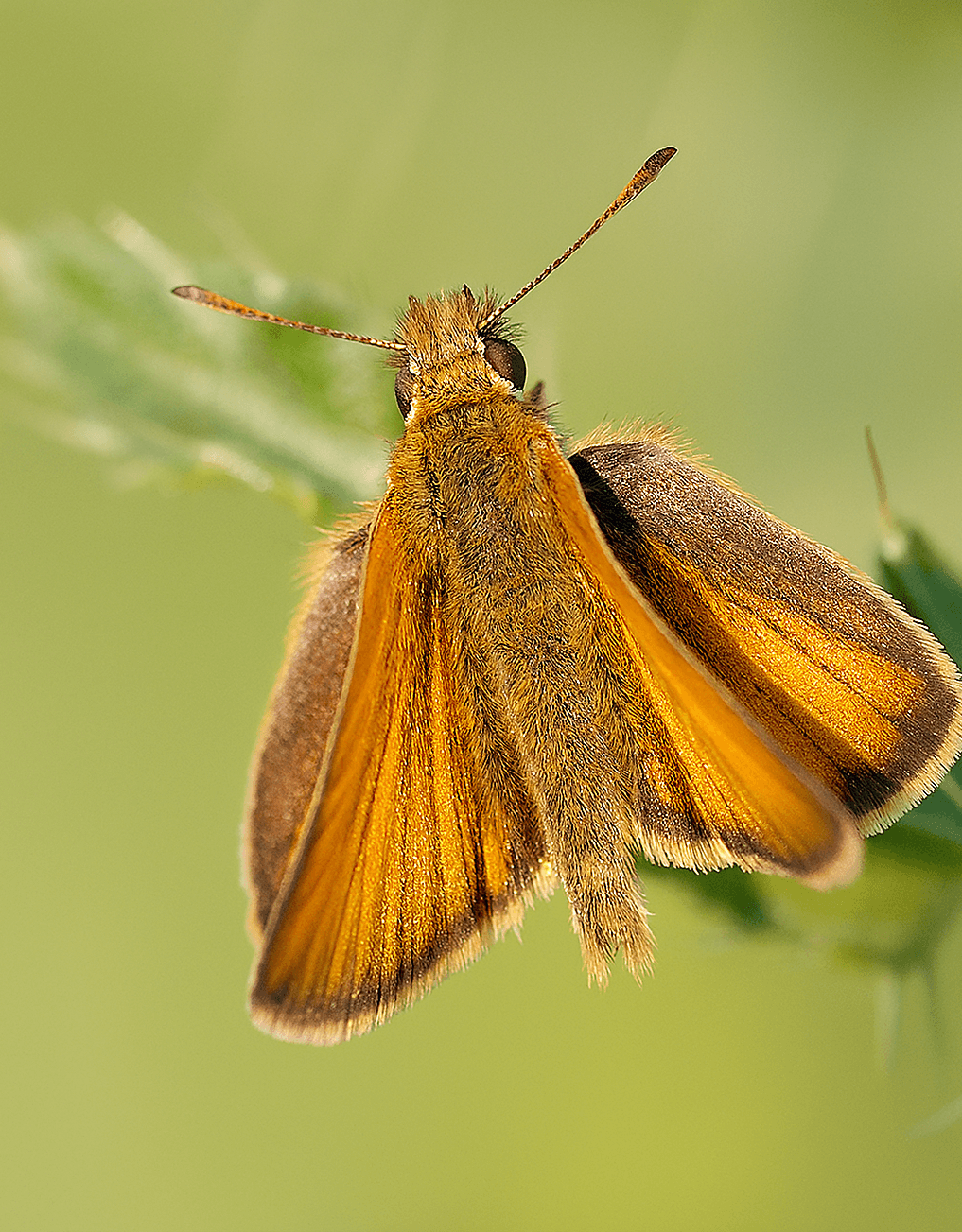
Generated by artificial intelligence.
Saffron Skipper (Thymelicus acteon)
Type Name | Pyrgus sidae | ||||||||
|---|---|---|---|---|---|---|---|---|---|
Belonging Team | Lepidoptera | ||||||||
Family | Hesperiidae | ||||||||
Subfamily | Pyrginae | ||||||||
Wingspan | 24–30 mm | ||||||||
Appearance | Forewings with yellowish-white spots on a dark brown background; hindwing undersides with white patterns on a yellowish background | ||||||||
Habitat | Open woodland areas 0–2000 m elevation steppe edges stony slopes | ||||||||
Distribution(s) | Southern Europe Central Asia Türkiye | ||||||||
Flight Period | Late May – early July | ||||||||
Feeding | Larvae: Malva, Sida, Althaea (Malvaceae); Adults: Flower nectar | ||||||||
Number of Generations | One generation per year (univoltine) | ||||||||
Conservation Status | Threatened due to local habitat loss isolated populations occurs in uncommon | ||||||||
The yellow-spot skipper (Thymelicus acteon) is a day-flying butterfly belonging to the family Hesperiidae. The upper surface of the forewings features irregularly shaped pale yellow to whitish spots on a dark brown background. The underside of the hindwings displays white spots and dark patterns on a pale yellow base. The wingspan of males averages between 24 and 28 mm; females may be slightly larger. The body is robust and hairy; antennae are straight with clubbed tips.
Sarı lekeli zıpzıp exhibits a wide distribution across the Palearctic biogeographic region, observed from Spain through Türkiye and Central Asia. In Türkiye, it has been recorded in various regions of Thrace and Anatolia. It typically inhabits semi-natural environments such as open woodland areas, steppe edges, stony slopes, and dry grasslands. It can be found at elevations ranging from sea level up to 2000 metres.
The yellow-spot skipper produces a single generation per year (univoltine), with its flight period generally occurring from late May to early July. It lays eggs on host plants. Larvae feed primarily on plants of the family Malvaceae, including species of Sida, Malva, and Althaea. The pupal stage occurs within vegetation close to the soil surface.
The Sarı lekeli zıpzıp faces population declines in local areas due to habitat degradation, intensive agricultural practices, chemical pesticide use, and grazing pressure. Although not widespread in Türkiye, it persists in isolated populations across several provinces. Conservation of its natural habitats is essential for the species’ long-term survival.
This butterfly species is known for its rapid and erratic flight pattern. Like other Hesperiidae, it moves in short bursts among vegetation. It is most active on sunny days and can be observed feeding on nectar from flowers during the morning and midday hours.
AdamErkekKelebek. "Sarı Zıpzıp." Accessed July 20, 2025. http://www.adamerkelebek.org/IcerikDetay.asp?TurId=18&IcerikKatId=8.
Bilim Genç. "Türkiye’nin Sarı Zıpzıpları." TÜBİTAK, Accessed July 20, 2025. https://bilimgenc.tubitak.gov.tr/yerbilim-gokbilim/turkiyenin-sari-zipziplari.
Karaca, Ufuk, and Karaman, Seyfi. “Thymelicus acteon (Sarı Lekeli Zıpzıp).” *Trakya Entomoloji Dergisi*, Volume 10, no. 4 (2020): 1161–1171. https://www.trakel.org/pdf/33141.pdf.

Generated by artificial intelligence.
Saffron Skipper (Thymelicus acteon)
Type Name | Pyrgus sidae | ||||||||
|---|---|---|---|---|---|---|---|---|---|
Belonging Team | Lepidoptera | ||||||||
Family | Hesperiidae | ||||||||
Subfamily | Pyrginae | ||||||||
Wingspan | 24–30 mm | ||||||||
Appearance | Forewings with yellowish-white spots on a dark brown background; hindwing undersides with white patterns on a yellowish background | ||||||||
Habitat | Open woodland areas 0–2000 m elevation steppe edges stony slopes | ||||||||
Distribution(s) | Southern Europe Central Asia Türkiye | ||||||||
Flight Period | Late May – early July | ||||||||
Feeding | Larvae: Malva, Sida, Althaea (Malvaceae); Adults: Flower nectar | ||||||||
Number of Generations | One generation per year (univoltine) | ||||||||
Conservation Status | Threatened due to local habitat loss isolated populations occurs in uncommon | ||||||||
No Discussion Added Yet
Start discussion for "Saffron Skipper (Thymelicus acteon)" article
Distribution and Habitat
Life Cycle and Ecology
Conservation Status and Threats
Behavior and Flight Characteristics