


This article was automatically translated from the original Turkish version.
+1 More
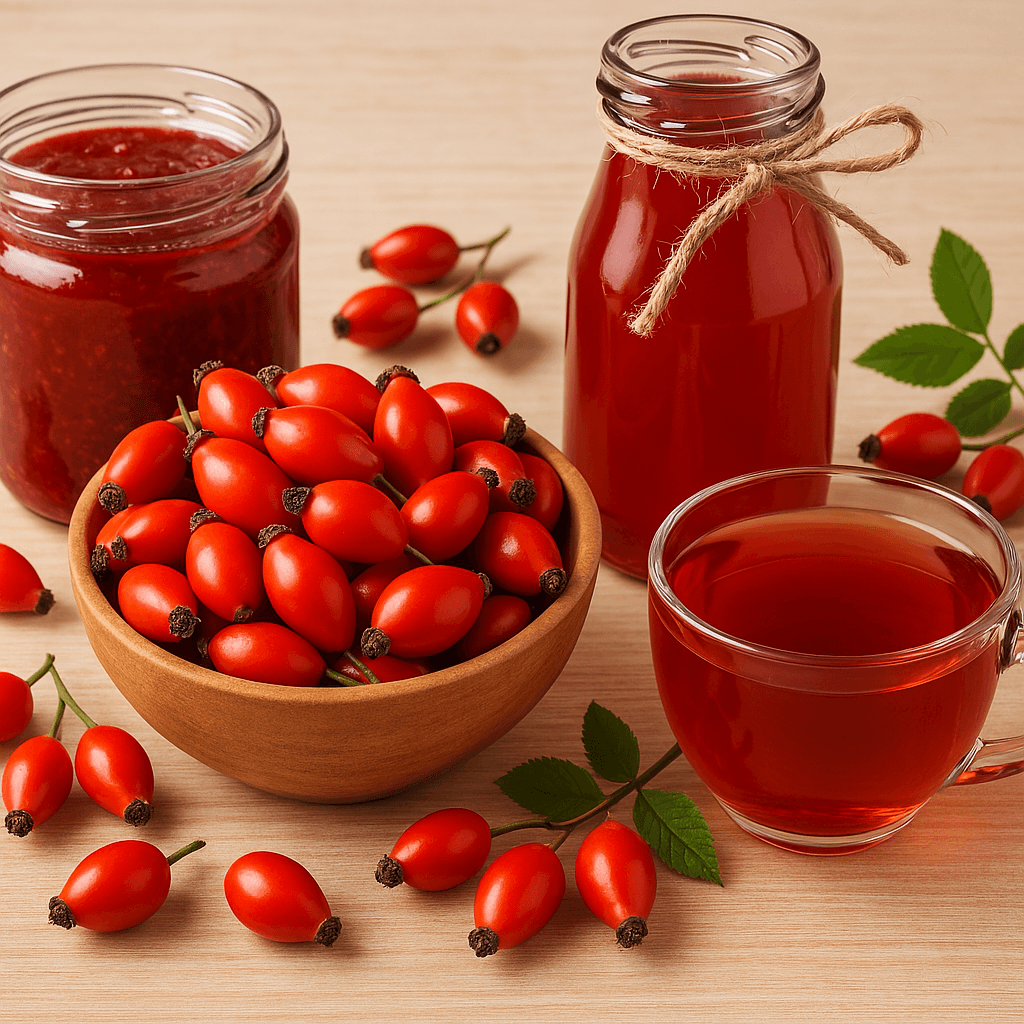
Rose hip
Plant Species | Rosa canina | ||||||||
|---|---|---|---|---|---|---|---|---|---|
Family | Rosaceae | ||||||||
Fruit Color | Red-Orange | ||||||||
Natural Habitat | Shrub | ||||||||
Vitamin Content | Vitamin C | ||||||||
Application Area | Cosmetic Food Medicine | ||||||||
Product Type | Food,Jam,Syrup | ||||||||
Region | Black Sea Eastern Anatolia Mediterranean | ||||||||
Rosehip (Rosa canina) is a species of plant in the Rosaceae family and is typically found as a thorny shrub. This plant can grow up to 1–3 meters tall and is recognized by its flowers, which range in color from white to pink. Its fruits turn red, orange, or yellow as they ripen. Rosehip is a hardy plant that adapts well to a wide variety of soil conditions. It commonly grows naturally in forested areas, thickets, and roadside areas. It is also cultivated under controlled conditions for medicinal and commercial purposes.
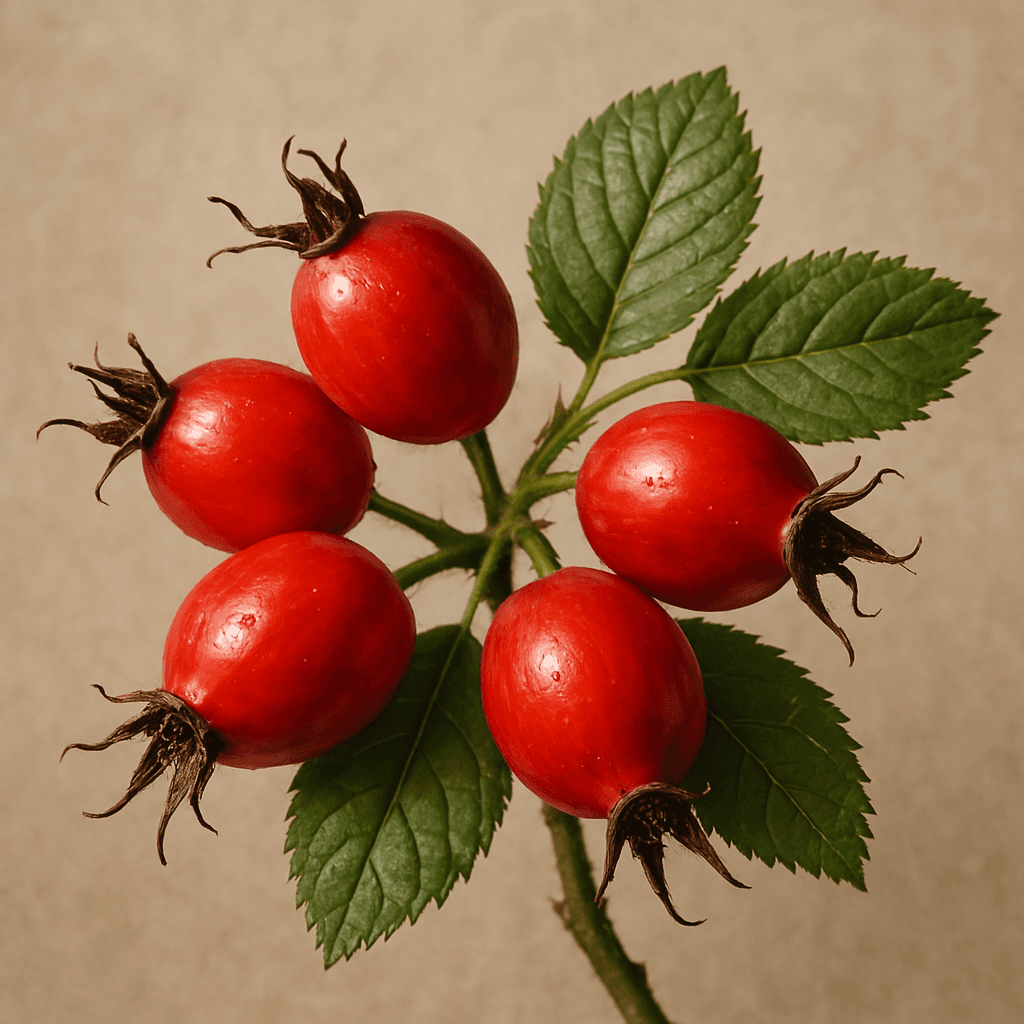
Rosehip plant. Generated by artificial intelligence.
Historically, rosehip has been used in various cultures both as a medicinal and food product. These uses continue today. The main applications of rosehip include:
Rosehip grows naturally in various regions of Türkiye. However, its abundance varies depending on climate and soil conditions:
Due to its rich content of vitamins and minerals, rosehip offers numerous health benefits.
Today, the medicinal and commercial use of rosehip has become even more widespread. In the modern world, where interest in natural products is increasing, rosehip is used extensively across various industries:
Kaya, A., & Çalışkan, G. (2020). Kuşburnu ve Bileşenlerinin Sağlık Üzerindeki Etkileri. Sakarya Üniversitesi Fen Bilimleri Dergisi, 24(2), 148-159. Accessedhttps://dergipark.org.tr/tr/pub/saktad/issue/81481/1326143.
Yıldırım, H., & Yılmaz, M. (2020). Kuşburnunun Sağlık Üzerindeki Antioksidan Etkileri. Biodicon Dergisi, 12(1), 39-46. Accessedhttps://dergipark.org.tr/en/pub/biodicon/issue/55718/761836.
Yılmaz, İ. (2020). Kuşburnunun Halk Hekimliğindeki Yeri ve Bileşenler Açısından Yararları. Yüzüncü Yıl Üniversitesi, Sağlık Bilimleri Fakültesi. Accessedhttps://avesis.yyu.edu.tr/yayin/833c24fc-5957-4ede-911f-3f7c0d90ba4d/kusburnunun-halk-hekimligindeki-yeri-ve-bunyesindeki-bilesenler-acisindan-yararlari.
Çolak, M., & Bozkurt, M. (2021). Kuşburnunun Faydaları ve Kullanım Alanları. Çukurova Üniversitesi Ziraat Fakültesi Dergisi, 36(1), 57-68. Accessedhttps://dergipark.org.tr/en/pub/cutsad/article/1318371.

Rose hip
Plant Species | Rosa canina | ||||||||
|---|---|---|---|---|---|---|---|---|---|
Family | Rosaceae | ||||||||
Fruit Color | Red-Orange | ||||||||
Natural Habitat | Shrub | ||||||||
Vitamin Content | Vitamin C | ||||||||
Application Area | Cosmetic Food Medicine | ||||||||
Product Type | Food,Jam,Syrup | ||||||||
Region | Black Sea Eastern Anatolia Mediterranean | ||||||||
Uses
Most Common Growing Regions
Health Benefits
Use of Rosehip in the Modern World