


This article was automatically translated from the original Turkish version.
+1 More
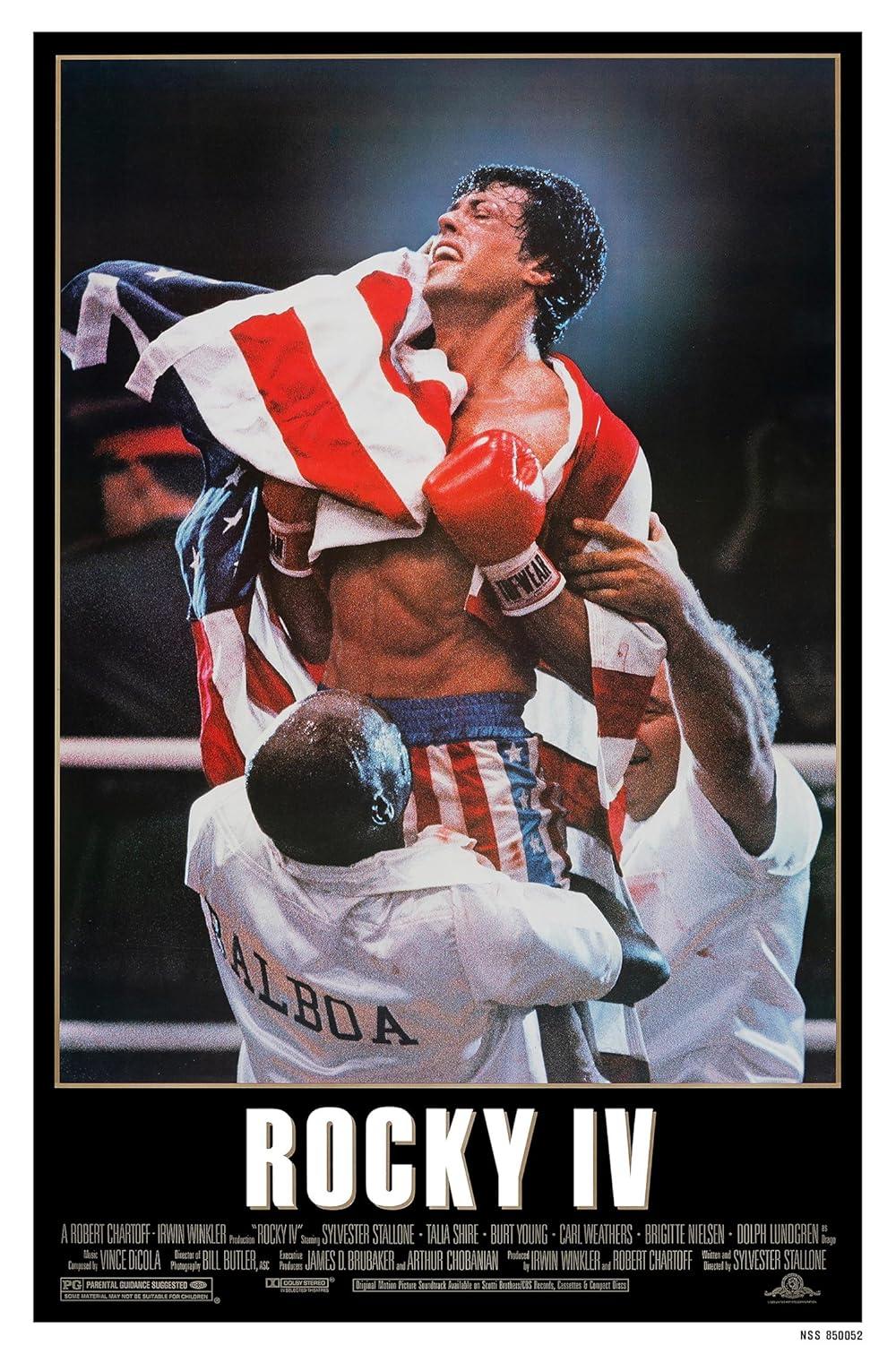
Rocky 4 Movie Poster
Director | Sylvester Stallone | ||||||||
|---|---|---|---|---|---|---|---|---|---|
Screenwriter | Sylvester Stallone | ||||||||
Producer | Irwin Winkler Robert Chartoff | ||||||||
Music | Vince DiCola | ||||||||
Actor | Talia Shire Sylvester Stallone Burt Young Brigitte Nielsen Carl Weathers Dolph Lundgren | ||||||||
Production Year | 1985 | ||||||||
Rocky 4 is a 1985 American sports drama film written and directed by Sylvester Stallone. As the fourth installment in the Rocky film series, it transposes the tensions of the Cold War between the United States and the Soviet Union into the boxing ring, offering a cinematic reflection of the era’s political climate.
The film centers on the deadly confrontation between the protagonist, Rocky Balboa (Sylvester Stallone), and the Soviet boxer Ivan Drago (Dolph Lundgren). It emerged as a powerful representation of patriotism, individual resilience, and ideological conflict in 1980s American cinema, generating widespread repercussions within the cultural and political context of its time.
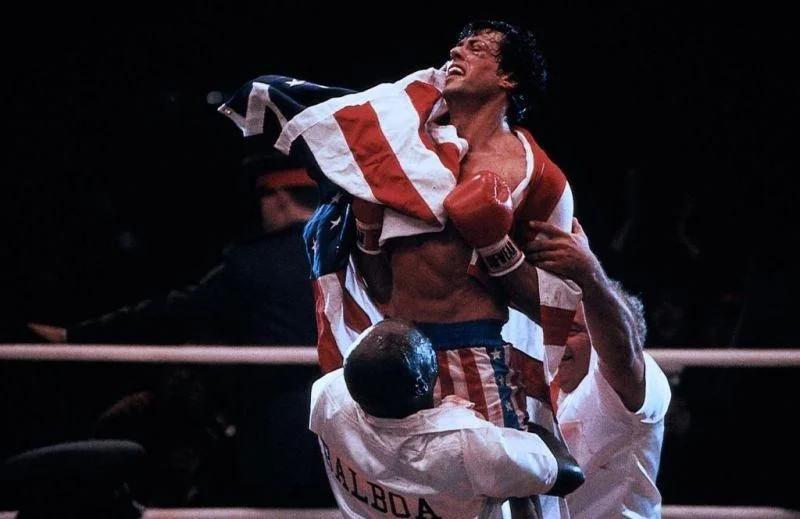
Rocky (Beyazperde)
Rocky 4 was released in the United States on November 27, 1985. The film was produced by Robert Chartoff and Irwin Winkler. Filming took place in various locations across the United States and Canada, with particular emphasis on the harsh natural environments during the training sequences to create a dramatic atmosphere.
The film’s score was composed by Vince DiCola, and songs such as “Hearts on Fire” and “No Easy Way Out” became significant parts of the era’s popular culture.
The film opens with the tragic death of former world heavyweight boxing champion Apollo Creed, who is killed in an exhibition match against Ivan Drago, a young and powerful boxer representing the Soviet Union. In the aftermath of this tragedy, Rocky Balboa decides to fight Drago, driven by a need to avenge his friend’s death and to resolve his own inner turmoil. The match is held in the Soviet Union, where Rocky undergoes grueling physical and spiritual transformation through training in extreme natural conditions. In the final bout, the contest between Rocky and Drago becomes a symbolic war not just between two individuals but between two opposing systems.
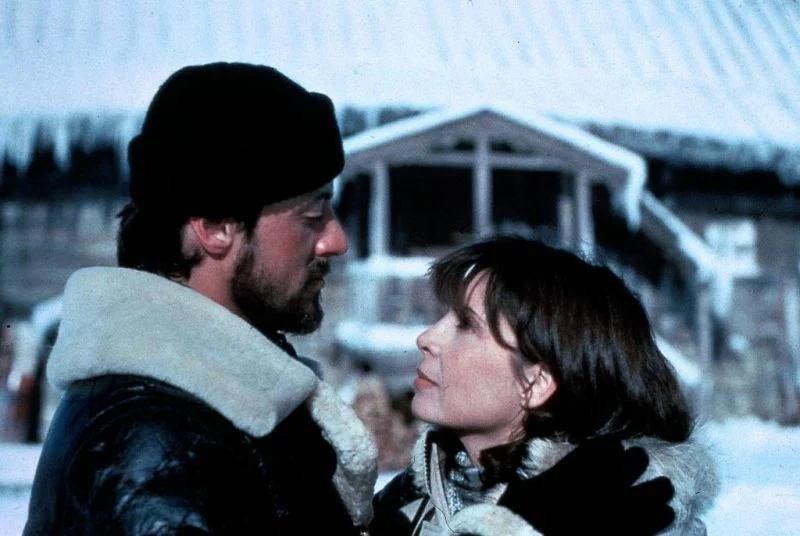
Rocky and Adrian (Beyazperde)
Rocky 4 explores themes of individual will, friendship, and honor, while also addressing the geopolitical tensions of its time through cinematic language. Underlying the narrative is a stark contrast between American individualism and Soviet collectivism. Rocky’s primal training in nature stands in direct contrast to Drago’s technologically advanced conditioning.
The film directly transposed the Cold War rivalry between the United States and the Soviet Union into the boxing ring, dramatizing the ideological struggle. In this regard, it became a vehicle that reinforced patriotic sentiments in American public opinion and was often grouped with other propaganda-driven films of the era. At the same time, the final scene, in which Rocky declares “People can change,” stands out for its dialogue and its message of peace.
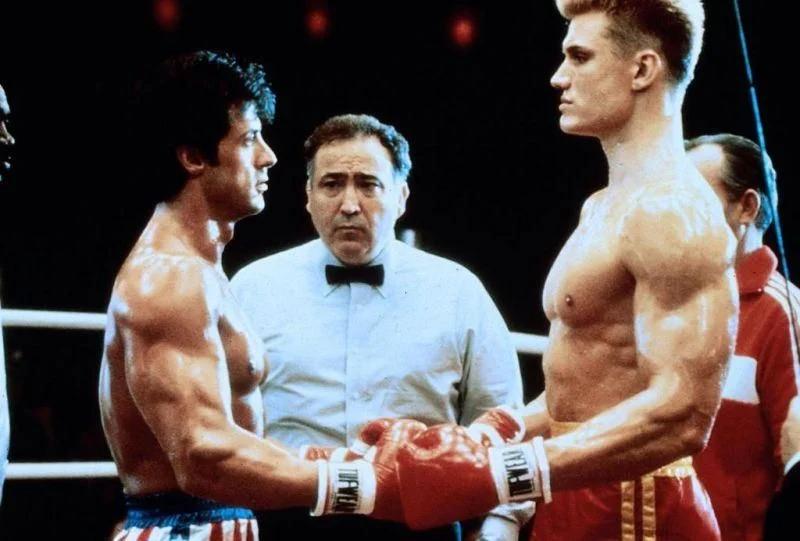
Rocky and Ivan Drago (Beyazperde)
Rocky 4 received mixed reviews from critics. While some dismissed the film as overly schematic and propagandistic, others praised its visual storytelling, music, and dramatic structure. Commercially, however, the film was a major success, earning approximately $300 million worldwide and becoming the highest-grossing film in the series.
Rocky 4 transcends the genre of a boxing film to offer a compelling commentary on the political atmosphere of its time and holds significant symbolic value. Particularly in 1980s America, it is regarded as an example of the fluid boundaries between sport, politics, and cinema. The film not only completes the dramatic arc of the Rocky series but has also secured its place in the cultural memory of the era.
The film also received the prestigious Golden Screen Award in Germany due to its high number of viewers. Dolph Lundgren, who portrayed Ivan Drago, received positive critical acclaim for his performance and was awarded the Marshall Trophy for Best Actor at the Napierville Film Festival.
Bebek, Eda. "Rocky’nin Engellenemez Yükselişi ve Öngörülemez Düşüşü: Amerikan Rüyasının Anatomisi." Dial M for Movie. Accessed March 24, 2025.
Beyazperde. "Rocky IV." Accessed March 24, 2025.
Box Office Mojo. "Rocky IV (1985) – Box Office." Accessed March 24, 2025.
Gültekin, Gökhan. "Hollywood Sinemasında Kahramanın Dönüşümü: Rocky Balboa’nın Fiziksel, Psikolojik, Kültürel ve İdeolojik Değişimi." *Selçuk İletişim* 9, no. 3 (2016): 299–320.https://doi.org/10.18094/si.15537
IMDb. "Rocky IV (1985) – Awards." Accessed March 24, 2025.

Rocky 4 Movie Poster
Director | Sylvester Stallone | ||||||||
|---|---|---|---|---|---|---|---|---|---|
Screenwriter | Sylvester Stallone | ||||||||
Producer | Irwin Winkler Robert Chartoff | ||||||||
Music | Vince DiCola | ||||||||
Actor | Talia Shire Sylvester Stallone Burt Young Brigitte Nielsen Carl Weathers Dolph Lundgren | ||||||||
Production Year | 1985 | ||||||||
Production and Release
Plot Summary
Characters and Cast
Themes
Political and Cultural Reflections
Critical Reception, Box Office Success, and Awards