


This article was automatically translated from the original Turkish version.
+1 More
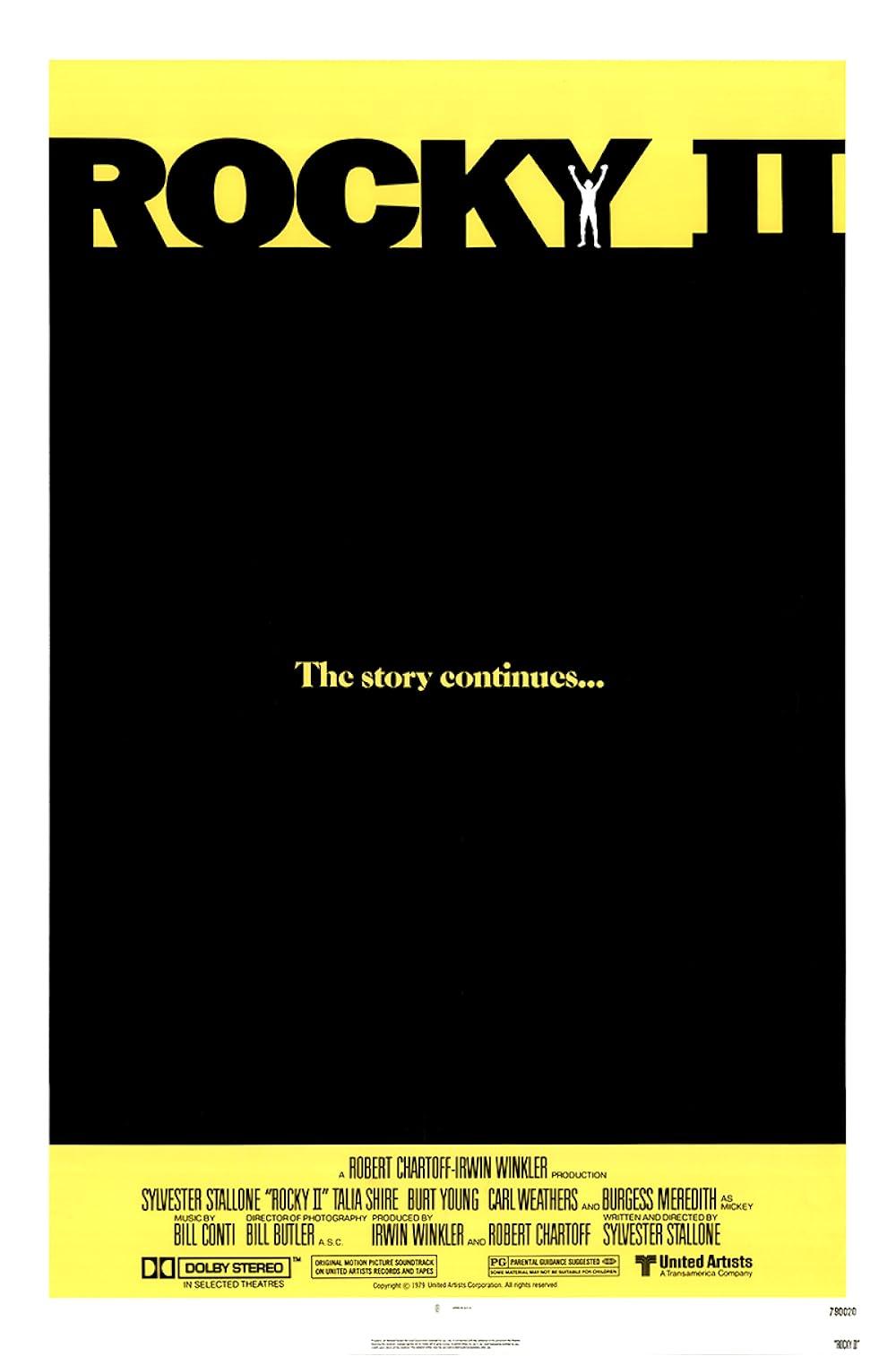
Rocky 2 Movie Poster
Director | Sylvester Stallone | ||||||||
|---|---|---|---|---|---|---|---|---|---|
Screenplay | Sylvester Stallone | ||||||||
Music | Bill Conti | ||||||||
Production Year | 1979 | ||||||||
Actor | Sylvester Stallone – Rocky Balboa Burgess Meredith – Mickey Goldmill Burt Young – Paulie Pennino Carl Weathers – Apollo Creed Talia Shire – Adrian Pennino Balboa Tony Burton – Duke | ||||||||
Rocky II, released on 15 June 1979, is the direct sequel to the major success of Rocky in 1976. This time, Sylvester Stallone is not only the lead actor but also the screenwriter and director. Rocky II combines the momentum gained by the first film with emotional depth, social realism, and a dramatic structure, drawing attention for its character-driven narrative and the much-discussed finale in film circles.
The performances, particularly Stallone’s more mature and introspective portrayal of Rocky, stand out. Positive reviews also highlight Talia Shire’s enhanced emotional depth in her role as Adrian, solidifying her place in the series, and Carl Weathers’ addition of complexity to the Creed character, transforming him from a mere opponent into a fully realized individual.
The film begins immediately after the final scene of the first Rocky. Rocky Balboa and Apollo Creed are hospitalized after their brutal fight. Although Rocky does not win the match, he becomes a favorite of the public and the media. At the same time, Rocky declares he no longer wishes to fight and tries to build a simple life with Adrian.
However, life’s hardships and financial struggles force Rocky back into the ring. Meanwhile, Apollo, beginning to believe Rocky’s success was a fluke, becomes determined and demands a rematch. This time, Rocky enters not only a physical but also a psychological battle.
class=\
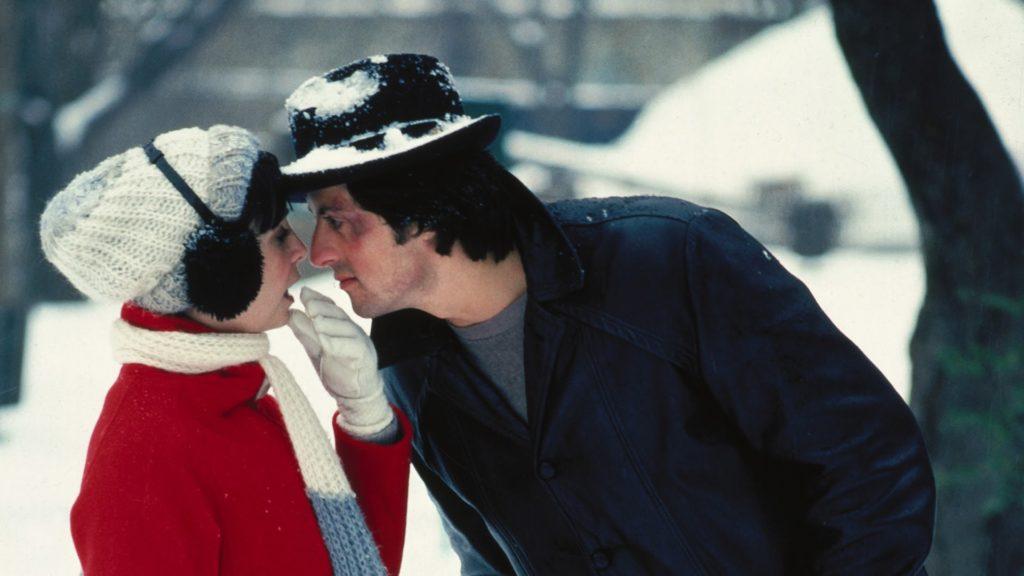
The film focuses less on the fight itself and more on the character’s struggle with himself and society. Rocky’s return to the ring is not merely a quest for championship glory but an effort to rediscover his own honor, the meaning of his family, and the purpose of his life.
The relationship between Adrian and Rocky becomes more pronounced and emotionally rich in this film. Particularly, Adrian’s childbirth scene and her line to Rocky, “If you want me to win, I will win,” mark the emotional climax of the film. The power of family bonds and love as motivating forces is presented effectively.
Rocky II addresses the economic hardships faced by the working class. Rocky’s need to abandon boxing and take up work, his failure in the advertising industry, and his inability to find employment reflect the struggles of blue-collar life in America at the time.
class=\
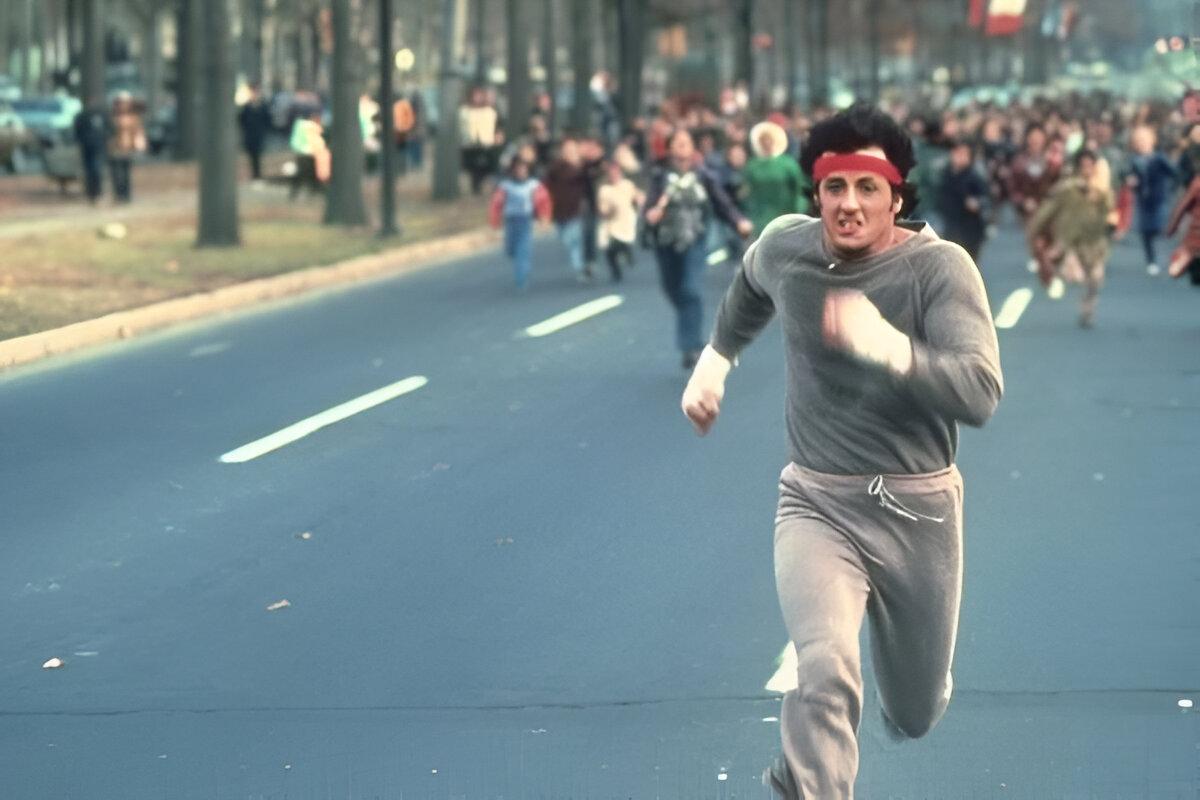
Stallone’s directorial style is character-driven, intensifying dramatic moments. The use of natural light in Philadelphia streets, neighborhood scenes, and training sequences reinforce this realism. The camera focuses closely on the characters’ faces and eyes, facilitating emotional connection.
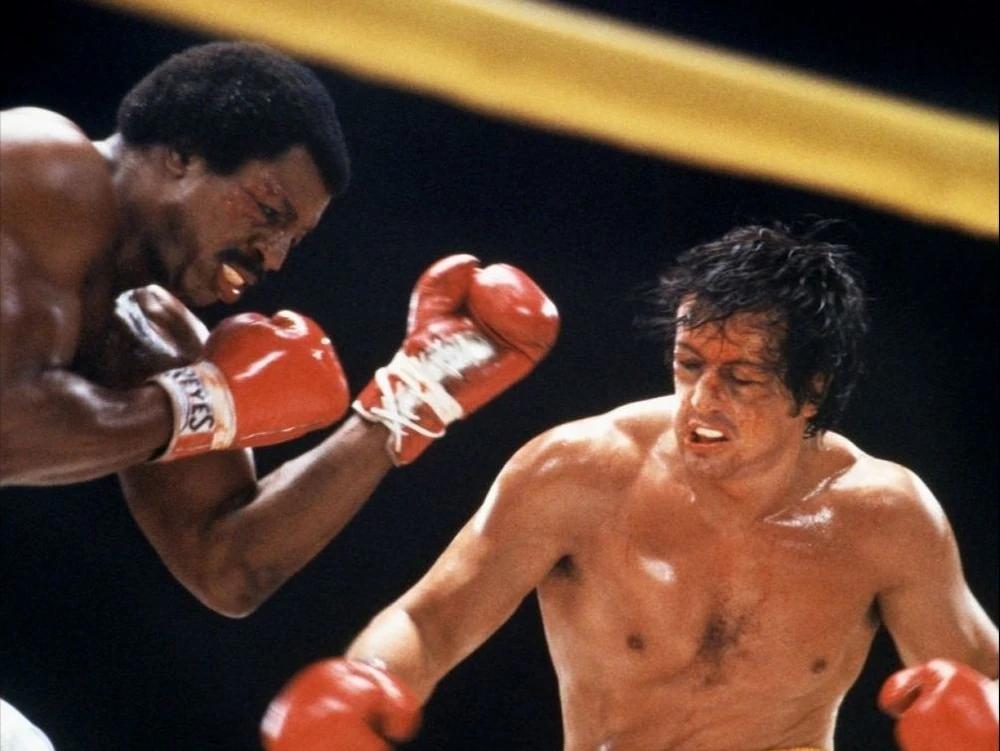
Especially in the final fight scene, the cinematography techniques—slowed-down moments and rhythm supported by music—create a cinematic structure designed to deeply affect the viewer.
Bill Conti’s score carries both the dramatic and motivational aspects of the film. Particularly, the orchestral and piano themes used during Rocky’s training sequences complement his inner transformation. Conti’s piece “Gonna Fly Now,” associated with this scene, has become iconic.
Rocky II, while not as technically innovative as the first film, received favorable reviews from critics for its powerful emotional storytelling and strong character development. The film not only sustained the commercial success of its predecessor but also deepened the narrative by introducing more profound themes.
class=\
Rocky II achieved major box office success worldwide, generating approximately 200 million dollars in revenue, far exceeding its $7 million budget.
Although it did not win as many awards as the first film, it received several notable nominations and honors:
Bebek, Eda. "Rocky’nin Engellenemez Yükselişi ve Öngörülemez Düşüşü: Amerikan Rüyasının Anatomisi." Dial M for Movie. Accessed March 24, 2025.
Beyazperde. "Rocky 2." Accessed March 24, 2025.https://www.beyazperde.com/filmler/film-42742/
Box Office Mojo. "Rocky II (1979) – Box Office." Accessed March 24, 2025.
Ezber, Ezgi. "Rocky Efsanesinin Devam Filmi: Rocky II (1979)." Wannart. Accessed March 20, 2025.
Gültekin, Gökhan. "Hollywood Sinemasında Kahramanın Dönüşümü: Rocky Balboa’nın Fiziksel, Psikolojik, Kültürel ve İdeolojik Değişimi." *Selçuk İletişim* 9, no. 3 (2016): 299–320.https://doi.org/10.18094/si.15537
IMDb. "Rocky II (1979)." Accessed March 24, 2025.

Rocky 2 Movie Poster
Director | Sylvester Stallone | ||||||||
|---|---|---|---|---|---|---|---|---|---|
Screenplay | Sylvester Stallone | ||||||||
Music | Bill Conti | ||||||||
Production Year | 1979 | ||||||||
Actor | Sylvester Stallone – Rocky Balboa Burgess Meredith – Mickey Goldmill Burt Young – Paulie Pennino Carl Weathers – Apollo Creed Talia Shire – Adrian Pennino Balboa Tony Burton – Duke | ||||||||
Plot Summary
Thematic Analysis
Struggle and Honor
Family and Love
Class Difference and Social Reality
Direction and Visual Style
Music and Sound Design
Critical Reception
Box Office and Awards