


This article was automatically translated from the original Turkish version.
+1 More
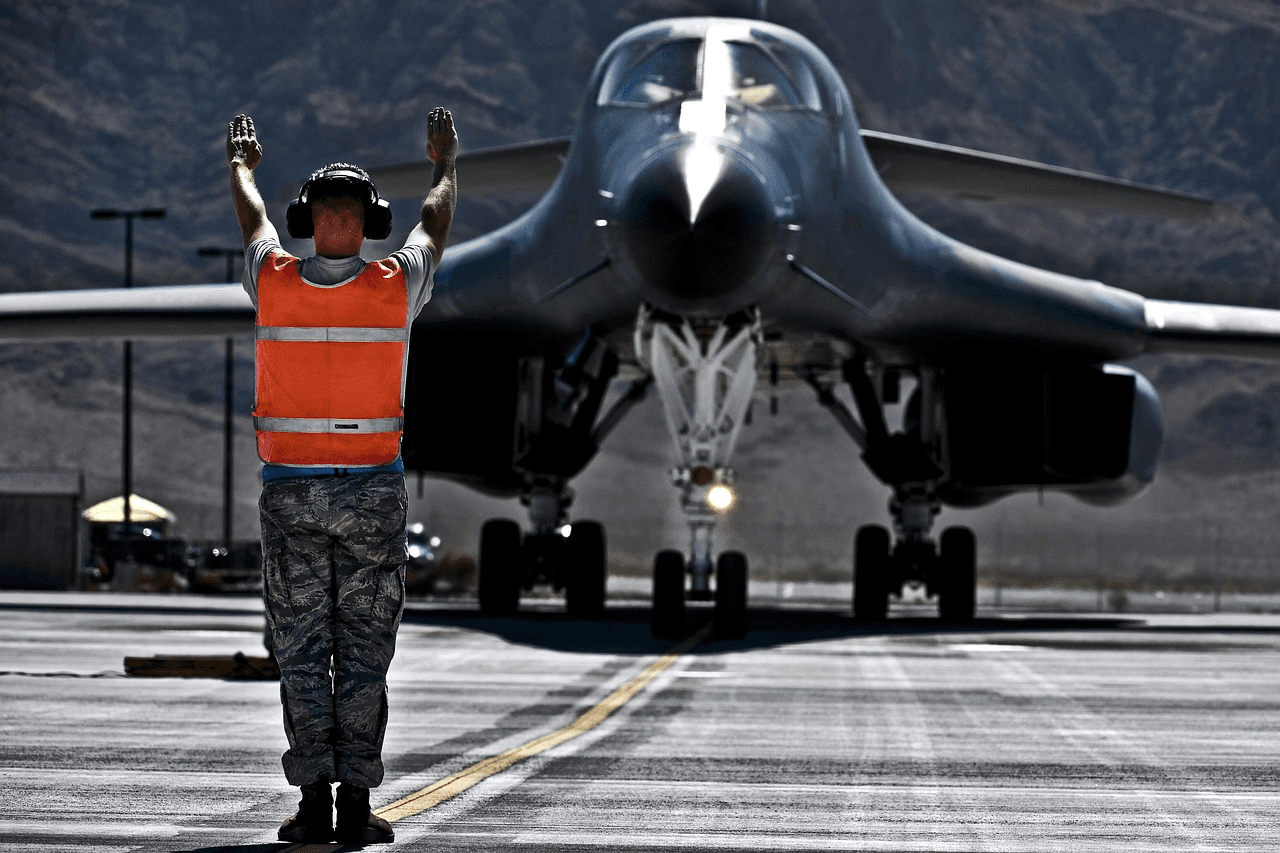
B-1B Lancer
Producer | Rockwell International (Initially) Boeing (Currently) | ||||||||
|---|---|---|---|---|---|---|---|---|---|
First Flight | December 23, 1974 (B-1A prototype) October 18, 1984 (B-1B prototype) | ||||||||
Entry into Service | October 1986 | ||||||||
Aircraft Type | Four-engine variable-sweep-wing heavy strategic bomber (Initially nuclear, currently conventional) | ||||||||
Models | B-1A (Unproduced prototype) B-1B (Primary production model) | ||||||||
Airframe Structure | Aluminum alloys Titanium Composite materials | ||||||||
Competitors | Rockwell B-70 Valkyrie (Cancelled) Tupolev Tu-160 Blackjack Northrop Grumman B-2 Spirit | ||||||||
The B-1B Lancer, also known as "The Bone," is a long-range, multirole, supersonic conventional bombardment aircraft of the United States Air Force (USAF) (Boeing). Although originally designed for nuclear missions, it transitioned entirely to a conventional role by the mid-1990s (United States Air Force). The B-1B, in service since 1985, is expected to remain operational until 2040 and beyond (Boeing).

class=\
The origins of the B-1 trace back to the shootdown of a U-2 spy aircraft, which demonstrated the vulnerability of high-altitude bombers (The Aviationist). This event created a need for a new bomber with low-altitude penetration capabilities and supersonic speed. The 1969 Advanced Manned Strategic Aircraft (AMSA) project resulted in the development of the B-1A prototype by North American Rockwell (now Boeing). Variable-sweep wings were a key feature of this design (The Aviationist).
Although the first B-1A prototype flew in 1977, the program was canceled in 1979 (The Aviationist). However, in 1981, President Reagan revived the program, leading to the development of the B-1B variant with reduced maximum speed, modified air intakes, and enhanced electronic warfare capabilities. The first B-1B was produced in 1983, and 100 units were delivered by 1988 (The Aviationist).
The B-1B Lancer has played a significant role in various conflicts. During the 1999 Operation Allied Force, B-1s, despite flying a limited number of sorties, delivered a substantial amount of ordnance (United States Air Force). Similarly, during Operation Enduring Freedom, B-1s delivered a significant portion of precision-guided munitions (United States Air Force). Today, the B-1B is the USAF inventory’s largest conventional weapons-capable multirole platform (United States Air Force).
class=\
The B-1B offers global reach through its long range, high speed, and maneuverability (United States Air Force). Variable-sweep wings provide optimal performance across diverse flight conditions (The Aviationist). The advanced radar system enhances effectiveness in various air-to-ground missions (United States Air Force). Its high weapons capacity enables the engagement of multiple targets in a single sortie (clickpetroleoegas).
The Rockwell (now Boeing) B-1B Lancer, though developed during the Cold War, continues to serve as a vital component of the USAF by adapting to the requirements of modern warfare. Its supersonic speed, large weapons capacity, and long range have made it an indispensable asset for global power projection.
Boeing. "B-1B Lancer."
Simple Flying. "Exploring The B-1B Lancer: America's Supersonic Strategic Bomber."https://simpleflying.com/exploring-b-1b-lancer-americas-supersonic-strategic-bomber/.
The Aviationist. "Rockwell B-1 Lancer."
United States Air Force. "B-1B Lancer." Fact Sheet,https://www.af.mil/About-Us/Fact-Sheets/Display/Article/104500/b-1b-lancer/.
clickpetroleoegas. "The United States B1 Lancer supersonic bomber is one of the most advanced military aircraft in the world, costing an impressive 320 million dollars."

B-1B Lancer
Producer | Rockwell International (Initially) Boeing (Currently) | ||||||||
|---|---|---|---|---|---|---|---|---|---|
First Flight | December 23, 1974 (B-1A prototype) October 18, 1984 (B-1B prototype) | ||||||||
Entry into Service | October 1986 | ||||||||
Aircraft Type | Four-engine variable-sweep-wing heavy strategic bomber (Initially nuclear, currently conventional) | ||||||||
Models | B-1A (Unproduced prototype) B-1B (Primary production model) | ||||||||
Airframe Structure | Aluminum alloys Titanium Composite materials | ||||||||
Competitors | Rockwell B-70 Valkyrie (Cancelled) Tupolev Tu-160 Blackjack Northrop Grumman B-2 Spirit | ||||||||
No Discussion Added Yet
Start discussion for "Rockwell B-1 Lancer" article
Historical Development
Operational Use
Technical Specifications
Key Capabilities