


This article was automatically translated from the original Turkish version.
Rio de Janeiro is not only one of Latin America’s most renowned cities but also a metropolis distinguished by its cultural diversity, natural beauty, and social dynamics. Even a brief visit is sufficient to grasp the city’s grand yet contradictory nature.
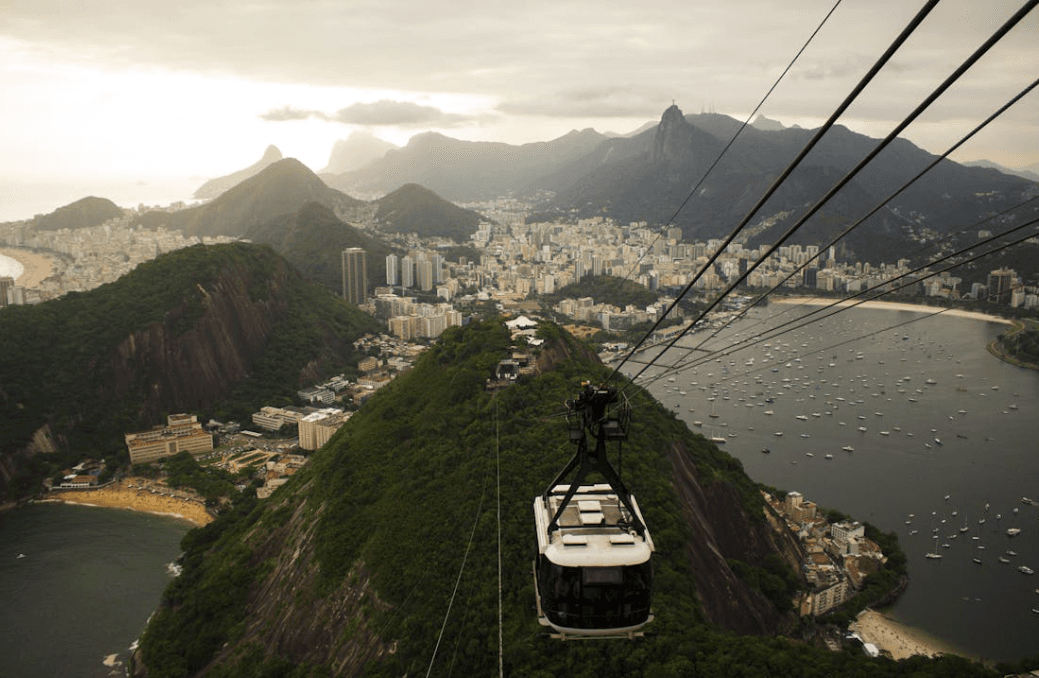
Rio De Janeiro (Aline Cardoso)
Rio de Janeiro possesses one of the rare balances between urban development and the natural environment. Expansive forested areas such as Tijuca National Park lie within the city limits and provide a rich habitat for biodiversity. These forests are critically important not only for nature walks but also for preserving Rio’s ecological character.
Copacabana Beach, one of the city’s most iconic landmarks, is more than just a tourist destination; it is also one of the centers of social life. Its wide sandy shore, bustling waterfront promenade, and public sports areas make Copacabana accessible to people of all ages and backgrounds. However, the high density of visitors, especially during peak season, brings challenges related to safety and environmental cleanliness.
Rio’s informal settlements, known as favelas, are the clearest manifestations of the city’s socioeconomic inequalities. Although some areas have recently been incorporated into tourist itineraries, favelas generally suffer from limited public services, high crime rates, and infrastructure problems. At the same time, these neighborhoods are also vibrant hubs of local culture, particularly in music and street art.
One of the first structures that comes to mind when thinking of Rio de Janeiro is the Christ the Redeemer, which is not merely an architectural achievement but a powerful symbol representing the city’s spirit. Perched atop Corcovado Mountain at an elevation of over 700 meters, the statue opens its arms wide as if embracing all of Rio.
Completed in 1931, this monument is associated both with Catholic faith and with Brazilian society’s values of unity and tolerance. Over the years, Christ the Redeemer has become more than a religious symbol; it has been inscribed on the UNESCO World Heritage List. For visitors, it offers not only a breathtaking panorama but also a shift in perspective. From this elevated vantage point, Rio’s complex structure—its contrasting living conditions and colorful culture—appears as a unified whole. The winding roads, favelas, coastline, and forests below come together to form a single, cohesive image of the city.
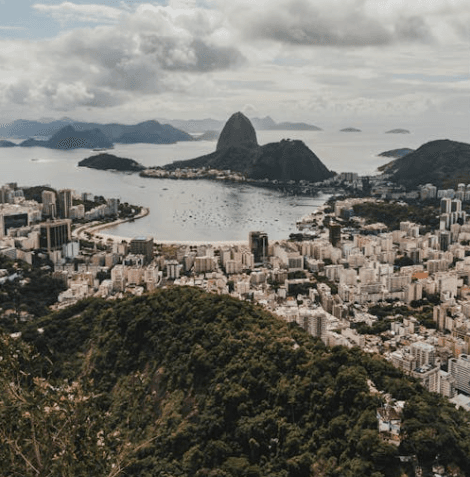
Rio De Janeiro (Michelle guimarães)
Rio Carnival is recognized as one of the largest and most captivating cultural events in the world, not just in Brazil. Held annually in February or March, it coincides with the period before Easter according to the Catholic calendar and has deep roots as the final grand celebration before Lent (oruç).
Yet what makes Rio Carnival so compelling is not merely its costumes or samba parades. The most striking feature is its ability to bring together diverse social layers. The samba schools competing at the Sambódromo do more than dance; they also stage political, social, and historical themes. In this sense, the carnival has become a collective narrative space reflecting Brazilian society’s identity.
The street version of the carnival, known as “bloco”s, features neighborhood-based musical groups and has a more spontaneous and participatory character. These events offer a direct experience of Rio’s warm, open, and community-oriented lifestyle. However, due to the extreme crowds during this period, advance planning for safety and accommodation is essential. Tickets for the Sambódromo can sell out weeks in advance.
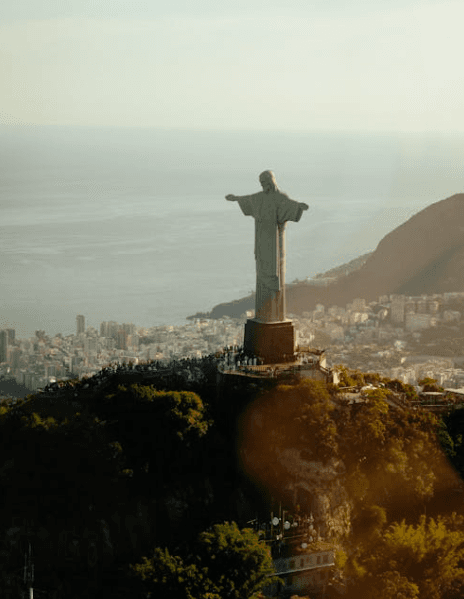
Christ the Redeemer (Athena Sandrini)
Despite its chaotic appearance, Rio de Janeiro’s urban transportation system is surprisingly efficient. The metro system (MetrôRio), frequently used by tourists, provides a practical link between the city’s central districts and tourist areas. Although the network is limited, it is safe, clean, and well-organized. It can be crowded during peak hours, but overall it is easy to use.
Bus routes are widespread; however, stop and route information are often confusing. Local guidance is particularly helpful in navigating these systems. Taxis and app-based transport services are also common. Especially during late-night hours or near favela areas, these forms of transport are considered safer than public transit.
Brazilian cuisine is regarded as a synthesis of diverse cultural roots and regional influences. This diversity is especially evident in Rio. One of the most famous dishes is feijoada, a traditional stew made with black beans and various meats, typically served at lunchtime.
Snacks commonly found on the streets such as coxinha , pão de queijo are both affordable and delicious. Especially along the beachfront, street vendors are abundant with fresh fruit juices, grilled seafood, and tropical fruits. Among desserts, brigadeiro stands out; these small balls made from cocoa and condensed milk are one of Brazil’s indispensable sweets.

Copacabana Beach (Vinícius Vieira ft)
Although Rio de Janeiro offers visitors a wealth of experiences, safety must always be taken into account. Crime rates are relatively high in non-touristic areas. Therefore, it is advisable to consult local residents when planning your trip, avoid traveling alone at night, and keep valuables out of sight.
Despite all its complexities, one of the most striking aspects of Rio is the warmth and openness of its people. Whether it is a passerby giving directions on the street or a conversation with someone on the beach, these interactions reflect the direct essence of Latin American culture.
A City Within Nature: Rio’s Green Face
Copacabana: A Symbolic Public Space
Favelas: The City’s Invisible Face
Christ the Redeemer: The Symbol Rising Above the City
Rio Carnival: The Rhythm of the Streets and the Identity of the People
Transportation: A Functional Network
Brazilian Cuisine: The Capital of Flavor and Carbohydrates
Safety Situation: Things to Consider When Exploring the City
Latin American Hospitality
