


This article was automatically translated from the original Turkish version.
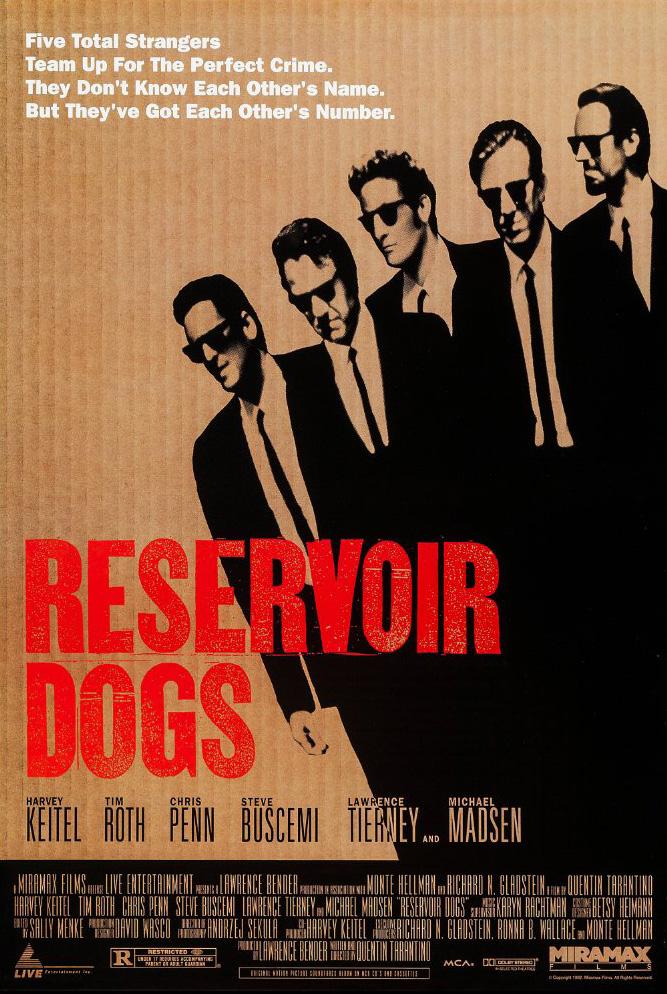
Reservoir Dogs
Original Name | Reservoir Dogs | ||||||||
|---|---|---|---|---|---|---|---|---|---|
Director | Quentin Tarantino | ||||||||
Screenplay | Quentin Tarantino | ||||||||
Genre | Thriller Drama Crime | ||||||||
Production Year | 1992 | ||||||||
Duration | 99 minutes | ||||||||
IMDb Rating | 8.3 | ||||||||
Actor | Tim Roth (Mr. Orange) Harvey Keitel (Mr. White) Steve Buscemi (Mr. Pink) Michael Madsen (Mr. Blonde) Quentin Tarantino (Mr. Brown) Chris Penn (Nice Guy Eddie) | ||||||||
Reservoir Dogs centers on the surviving criminals who gather in a warehouse after a failed jewel heist and begin to suspect one another of being an informant. The plot begins like a classic crime film but takes on a different structure due to Tarantino’s narrative choices. The film never shows the heist itself; instead, it presents only the events before and after. This decision allows the tension and character conflicts to be explored with far greater intensity.
As the surviving crew members grow convinced that one among them is a mole, trust erodes and internal violence escalates. Each character is referred to only by a pseudonym (Mr. White, Mr. Pink, Mr. Blonde, etc.), weakening personal bonds and offering a critique of a system where individual identities are rendered insignificant.
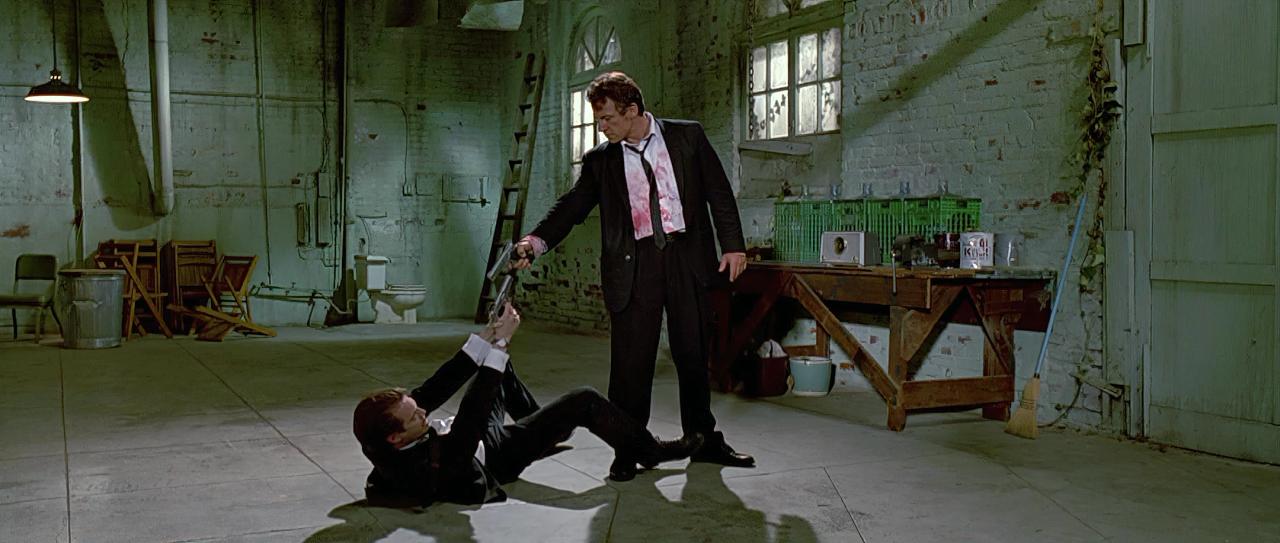
Iconic scene from the film -American Cinematographer
The film systematically dismantles the relationships of trust among the characters. None even know one another’s real names, and the failure of the heist generates intense paranoia. In particular, Mr. White’s trust in Mr. Orange is met with a tragic betrayal at the climax.
One of Tarantino’s most criticized yet signature stylistic choices—stylized violence—is vividly displayed in this film. The scene in which Mr. Blonde tortures a police officer is presented with dance-like movements and music, elevating it to an aesthetic plane.
The film draws attention through its non-linear narrative. Characters’ backstories are revealed through flashbacks inserted into the midst of the conflict. This structure gradually uncovers the characters’ motivations and actively engages the viewer in the process of interpretation.
All characters are referred to only by aliases, reduced to roles rather than individuals. This situation underscores how personal connections are rendered meaningless in the criminal underworld and how trust is established solely on a functional level.
Reservoir Dogs is Quentin Tarantino’s first feature-length film and was made on a modest budget. Nevertheless, it garnered critical acclaim for its dialogue, character depth, and direction. Cinematographer Andrzej Sekuła established a visual language centered on simple framing to focus on the characters’ psychology. Analyses from The ASC highlight how the varied use of confined spaces and lighting to reflect the characters’ inner turmoil played a major role in the film’s success. The use of music, particularly songs from 70s radio programs, evokes the era atmosphere while creating ironic contrasts.
Harvey Keitel (Mr. White) aimed to convey the character’s internal conflicts and emotional breakdowns with depth, while Tim Roth (Mr. Orange) sought to portray the tension between betrayal and conscience through physical and emotional performance. Michael Madsen (Mr. Blonde) presents a menacing yet charismatic psychopath, and Steve Buscemi (Mr. Pink) serves as a balancing element through a character driven by logic and self-interest.
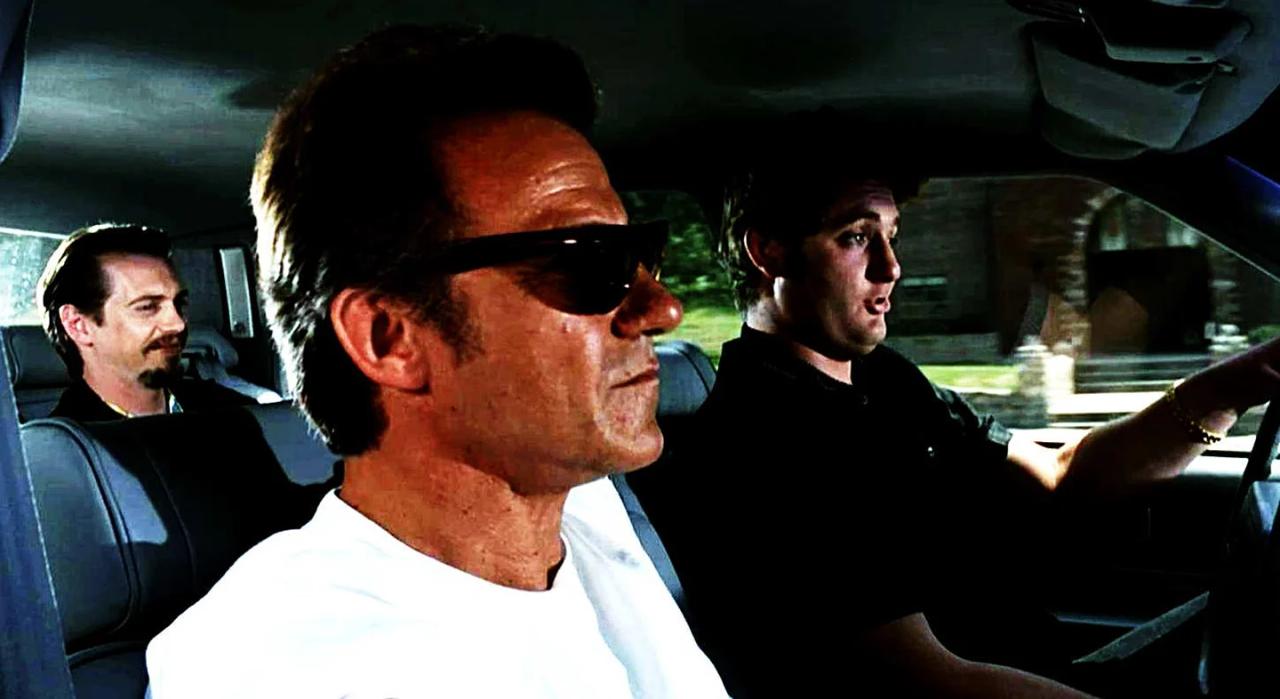
Pink, White, and Good Cop Eddie (Chris Penn) go for a walk -American Cinematographer
Reservoir Dogs is not only the starting point of Quentin Tarantino’s directing career but also became one of the defining symbols of the 1990s independent cinema movement. Its dialogue-driven structure, approach to violence, and unconventional narrative introduced new methods to modern crime storytelling. It continues to be regarded as a masterpiece and remains a reference point for many directors and screenwriters today.
Jury Special Prize – Nominated
Best Director – Quentin Tarantino (Nominated)
Best Film – Won
Best Director – Quentin Tarantino
Best Actor – Harvey Keitel
Best First Feature – Nominated
Best Director – Quentin Tarantino (Nominated)
Best Male Lead – Harvey Keitel (Nominated)
American Society of Cinematographers. "Flashback: Reservoir Dogs." Accessed April 3, 2025.Link.
Beyazperde. "Rezervuar Köpekleri (1992)." Accessed April 3, 2025.Link.
IMDb. "Reservoir Dogs (1992)." Accessed April 3, 2025.Link.
Roger Ebert. "Reservoir Dogs (1992)." Accessed April 3, 2025.Link.
Sinemalar.com. "Rezervuar Köpekleri." Accessed April 3, 2025.Link.

Reservoir Dogs
Original Name | Reservoir Dogs | ||||||||
|---|---|---|---|---|---|---|---|---|---|
Director | Quentin Tarantino | ||||||||
Screenplay | Quentin Tarantino | ||||||||
Genre | Thriller Drama Crime | ||||||||
Production Year | 1992 | ||||||||
Duration | 99 minutes | ||||||||
IMDb Rating | 8.3 | ||||||||
Actor | Tim Roth (Mr. Orange) Harvey Keitel (Mr. White) Steve Buscemi (Mr. Pink) Michael Madsen (Mr. Blonde) Quentin Tarantino (Mr. Brown) Chris Penn (Nice Guy Eddie) | ||||||||
No Discussion Added Yet
Start discussion for "Reservoir Dogs (Film)" article
Themes Explored in the Film
1. Trust, Betrayal, and Paranoia
2. Aestheticization of Violence
3. Fragmentation of Time
4. Identity and Anonymity
Production Process and Technical Features
Performances
Impact and Significance
Awards and Nominations
Sundance Film Festival (1992)
Sitges Film Festival
Independent Spirit Awards