


This article was automatically translated from the original Turkish version.
+1 More
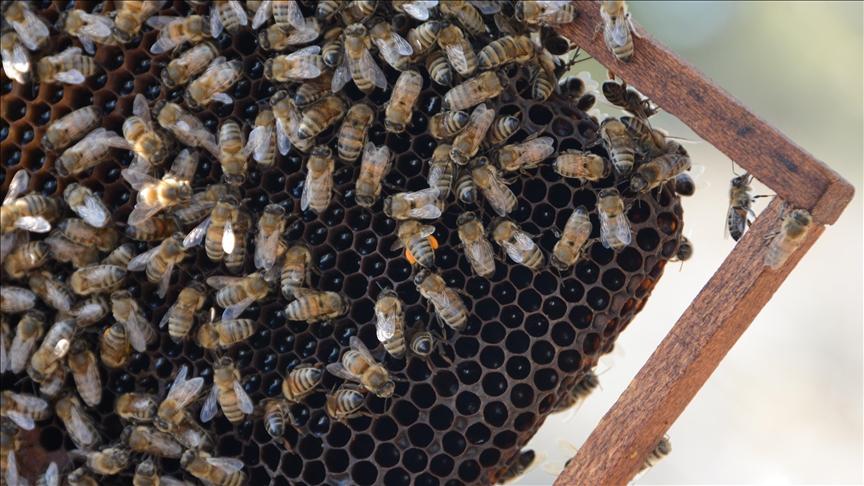
Queen Bee (Mother Bee)
Type | Apis mellifera (Honey bee species) | ||||||||
|---|---|---|---|---|---|---|---|---|---|
Role | Maintaining colony organization through pheromone signaling Egg-laying | ||||||||
Position in Colony | Single fertile female individual; the bee without replacement in the colony | ||||||||
Egg Capacity | 1500–2000 eggs per day (young and high-quality individual) | ||||||||
Lifespan | 2–5 years (replacement every 2 years in modern beekeeping) | ||||||||
Physical Characteristics | Long abdomen, light and bright color, long wings, minimally notched stinger | ||||||||
Feeding | Royal jelly produced by worker bees | ||||||||
Pheromone Secretion | Colony harmony, unity, barrier to false queens, orientation of worker bees | ||||||||
Mating | Ensures genetic diversity through flight and mating with different male bees | ||||||||
The queen bee, also known as the queen, is the only female individual in a colony of the honeybee species Apis mellifera with reproductive capability. Only one queen exists in each colony, and her presence is essential for the colony’s survival. The queen produces female worker bees from fertilized eggs and male bees (drones) from unfertilized eggs. In this sense, she is both the “mother” of the colony and, through the males produced from unfertilized eggs, also its “father”.
In terms of body structure, the queen can be easily distinguished from workers and drones. Her body is long, slender and glossy, with the abdomen significantly longer than that of worker bees. Her wings are also larger than those of workers. Her stinger is smooth, allowing her to use it multiple times if needed. This structure gives her an advantage when interacting with other members of the colony.
The queen is continuously fed by a group of “nurse bees” surrounding her. She cannot feed herself. These bees provide her with royal jelly to sustain her. This social support system is essential for the queen to maintain her high rate of egg-laying.
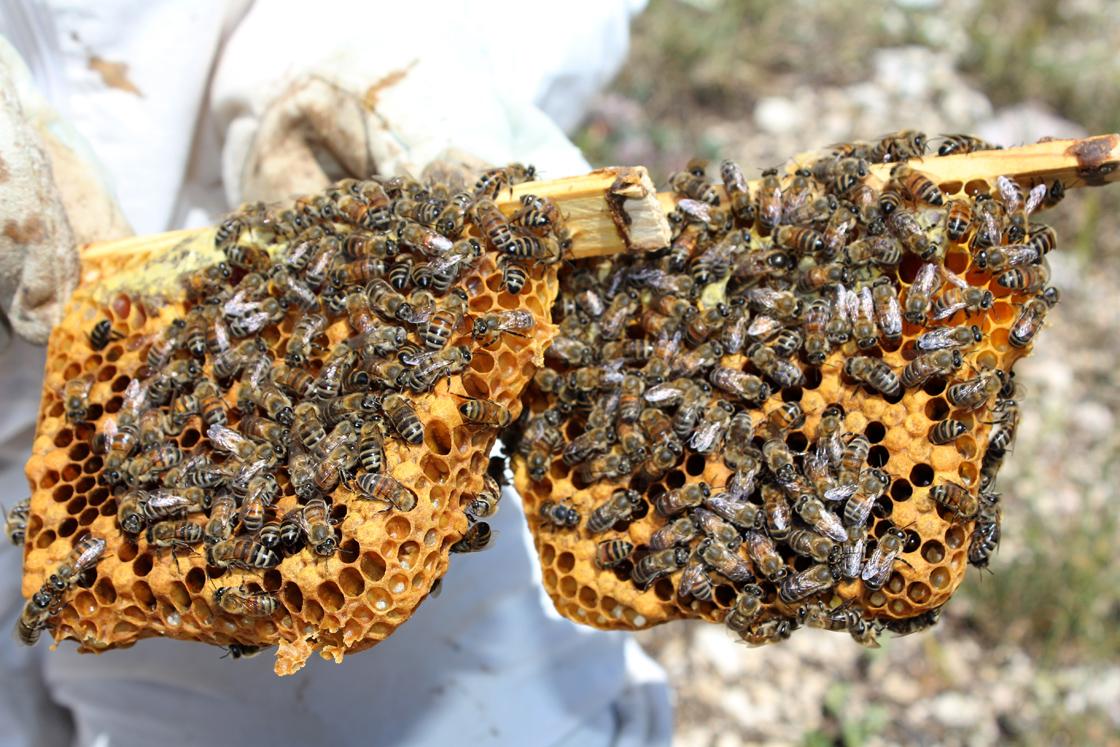
Kraliçe Arı Yetiştiriciliğine Ait Bal Peteği Görseli (AA)
The queen has two primary functions:
Queen pheromone consists chemically of unsaturated fatty acids such as 9-oxo-2-decenoic acid, and bees spread this signal throughout the colony by direct contact with one another.
The overall condition of the colony is directly dependent on the biological quality and genetic potential of the queen. The queen determines many aspects of the colony, including:
Each of these characteristics directly or indirectly affects the colony’s annual honey production and sustainability.
For example, an old or low-quality queen lays more unfertilized eggs due to a decline in the number of sperm stored in her spermatheca. This increases the proportion of drones in the colony while reducing the number of worker bees, thereby lowering productivity.
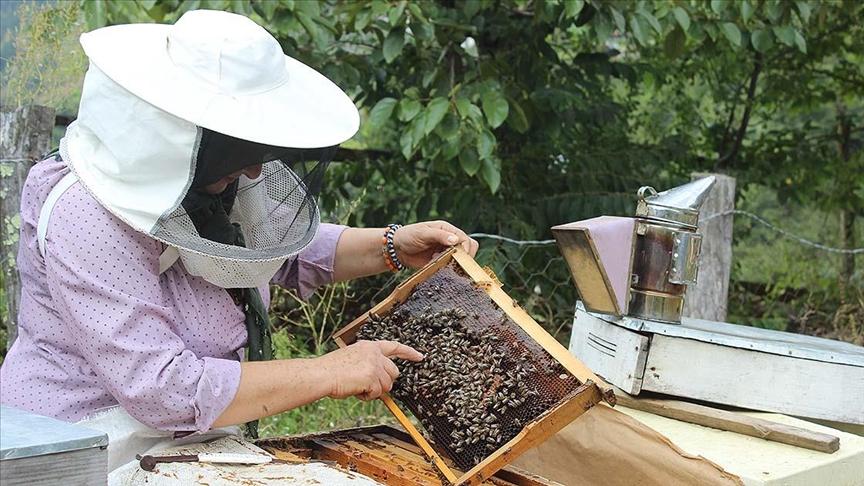
Kraliçe Arı Yetiştiriciliği (AA)
Factors influencing queen quality can be grouped into genetic and environmental categories:
Physical quality indicators include emergence weight, spermatheca volume, sperm count, and time to onset of egg-laying. These indicators are the primary parameters determining the queen’s acceptance rate and performance within the colony.
Considering the increasing number of colonies in Türkiye and the necessity of replacing queens every two years, approximately four million new queens are needed annually. However, current production falls far short of this demand. In Türkiye, fewer than 400,000 queens are reared each year.
The widespread use of low-quality queens leads to reduced colony productivity and economic losses in beekeeping operations. Quality analyses have shown that a large proportion of commercially available queens are inadequate in terms of live weight, sperm count, and fertilization rates.
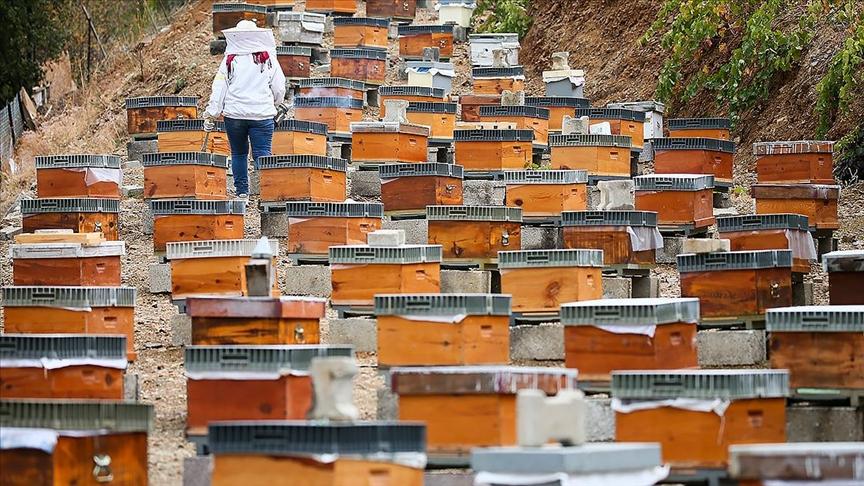
Kraliçe Arı Yetiştiriciliği Yapan Çitflik (AA)
Colonies managed with high-quality queens:
The queen is the carrier of the colony’s genetic structure and the regulator of its social organization. The quality of this single individual is decisive for the colony’s success and directly affects the efficiency of all beekeeping activities.
Kösoğlu, Mustafa, Banu Yücel, Neslihan Özsoy, Erkan Topal, and Sait Engindeniz. "Türkiye Arıcılığında Ana Arının Koloni Gelişimine ve Arıcılık Ekonomisine Etkisi." Tarım Ekonomisi Dergisi 23, no. 1 (2017): 55–60.
T.C. Tarım ve Orman Bakanlığı, Arıcılık Araştırma Enstitüsü Müdürlüğü. Ana Arı. Ordu: Arıcılık Araştırma Enstitüsü, 2019.
T.C. Tarım ve Orman Bakanlığı, Tarım Reformu Genel Müdürlüğü. Haydi Arıcılığa. Ankara: Tarım ve Orman Bakanlığı Yayınları, 2019.
Öztürk, Ali İhsan. "Ana Arıda Kalite Kavramı ve Ana Arı Kalitesini Etkileyen Faktörler." Anadolu (Anadolu Tarımsal Araştırma Enstitüsü Dergisi) 24, no. 1 (2014): 59–65.

Queen Bee (Mother Bee)
Type | Apis mellifera (Honey bee species) | ||||||||
|---|---|---|---|---|---|---|---|---|---|
Role | Maintaining colony organization through pheromone signaling Egg-laying | ||||||||
Position in Colony | Single fertile female individual; the bee without replacement in the colony | ||||||||
Egg Capacity | 1500–2000 eggs per day (young and high-quality individual) | ||||||||
Lifespan | 2–5 years (replacement every 2 years in modern beekeeping) | ||||||||
Physical Characteristics | Long abdomen, light and bright color, long wings, minimally notched stinger | ||||||||
Feeding | Royal jelly produced by worker bees | ||||||||
Pheromone Secretion | Colony harmony, unity, barrier to false queens, orientation of worker bees | ||||||||
Mating | Ensures genetic diversity through flight and mating with different male bees | ||||||||
No Discussion Added Yet
Start discussion for "Queen Bee (Mother Bee)" article
The Queen’s Roles and Pheromone Secretion
The Queen’s Impact on the Colony
Factors Affecting Queen Quality
Genetic Factors
Environmental and Rearing Factors
Queen Rearing and Economic Importance