


This article was automatically translated from the original Turkish version.
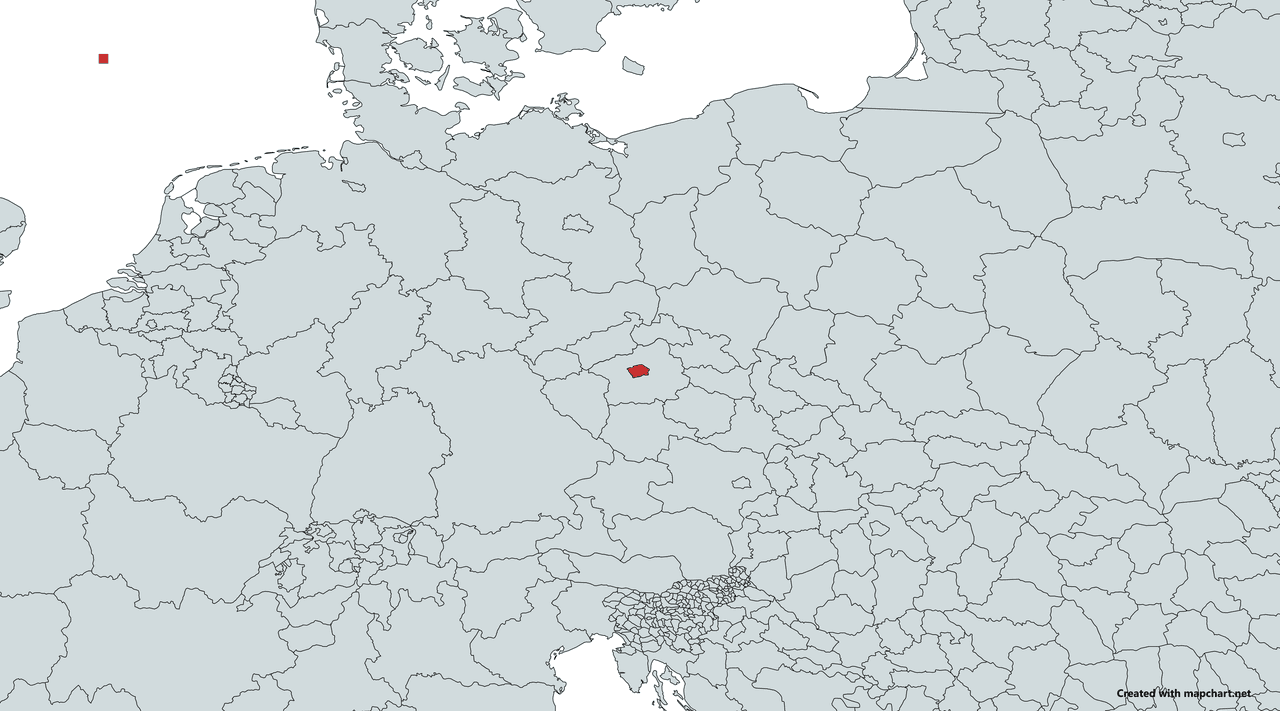
Prague (Province)
Country | Czechia | ||||||||
|---|---|---|---|---|---|---|---|---|---|
Population | 1,272,000 | ||||||||
Area | 496 km² | ||||||||
Climate | Temperate Continental Climate | ||||||||
Important Structure | St. Vitus Cathedral Prague Castle Kafka Museum Astronomical Clock Tower Charles Bridge | ||||||||
Telephone Code | +420 | ||||||||
Area Code(s) | 2 | ||||||||
Prague is the capital and largest city of the Czech Republic, one of Central Europe's most important cultural and historical centers, and simultaneously the country's economic, cultural, and political heart. Located on the Vltava River, Prague has been influenced by numerous civilizations throughout history and is renowned for its rich historical heritage. As of 2023, Prague has a population of approximately 1.3 million and is one of the Czech Republic's most significant tourist destinations.
Prague's history extends back to around 2000 BC. The region, under the influence of the Roman Empire, became a significant settlement from the Middle Ages onward. The city was designated as the capital of the Kingdom of Bohemia in the 9th century and began to develop rapidly. In the 14th century, during the reign of Holy Roman Emperor Charles IV, Prague became one of Europe's largest and most influential cities. During this period, Prague gained fame for its Gothic architecture and the construction of major structures. Notably, Prague Castle and Charles Bridge are iconic symbols of the city's cultural and historical heritage.
Throughout the Middle Ages, as the center of the Kingdom of Bohemia, Prague experienced substantial economic and cultural growth. In the 15th century, the Hussite Wars and the Reformation movement influenced the city, yet it continued to grow strongly. In the 20th century, Prague played a vital role as the capital of Czechoslovakia and underwent major changes during the socialist period following World War II. With the Velvet Revolution of 1989, the communist regime in Czechoslovakia ended, and Prague became a symbol of freedom and democracy.
Prague is located in Central Europe, amidst the Czech Republic's rolling hills, with the Vltava River dividing the city in two. The city borders important towns such as Kutná Hora to the north, České Budějovice to the south, Pardubice to the east, and Plzeň to the west. Prague has a continental climate with hot dry summers and cold snowy winters. The city center is built on a flat area surrounded by high hills and valleys.
Prague's geographical location has positioned it as a strategic point along Central Europe's trade routes. This advantage has made the city an important cultural and economic center throughout history. Additionally, the forests and parks surrounding the city enhance its natural beauty and promote tourism.
Prague is the most populous city in the Czech Republic with a population of approximately 1.3 million as of 2023. The city hosts a diverse environment where different ethnic groups and cultures coexist. Besides Czechs, Poles, Slovaks, Ukrainians and immigrants from other European countries enrich the city's demographic structure. Prague also boasts high standards in education and healthcare, making it an attractive destination for both local and international students.
Population density is highest in areas near the city center. The largest demographic group in Prague is Czechs, followed by Slovaks and other peoples of Central European origin. Prague is also known as an educational hub and hosts numerous universities. The Czech Republic's most prestigious universities strengthen the city's educational infrastructure.
Prague is a city located in the heart of Central Europe, noted for its historical richness. Its economy is largely based on industry, the service sector, and tourism. The city hosts large enterprises active in various sectors and is also recognized for its strong cultural heritage and educational infrastructure.
Prague's economy features a robust structure in industry and production sectors. Particularly known as a hub for major companies in automotive, electronics and mechanical engineering, the city plays a vital role as a regional production center. The finance and insurance sectors also hold significant economic weight in Prague.
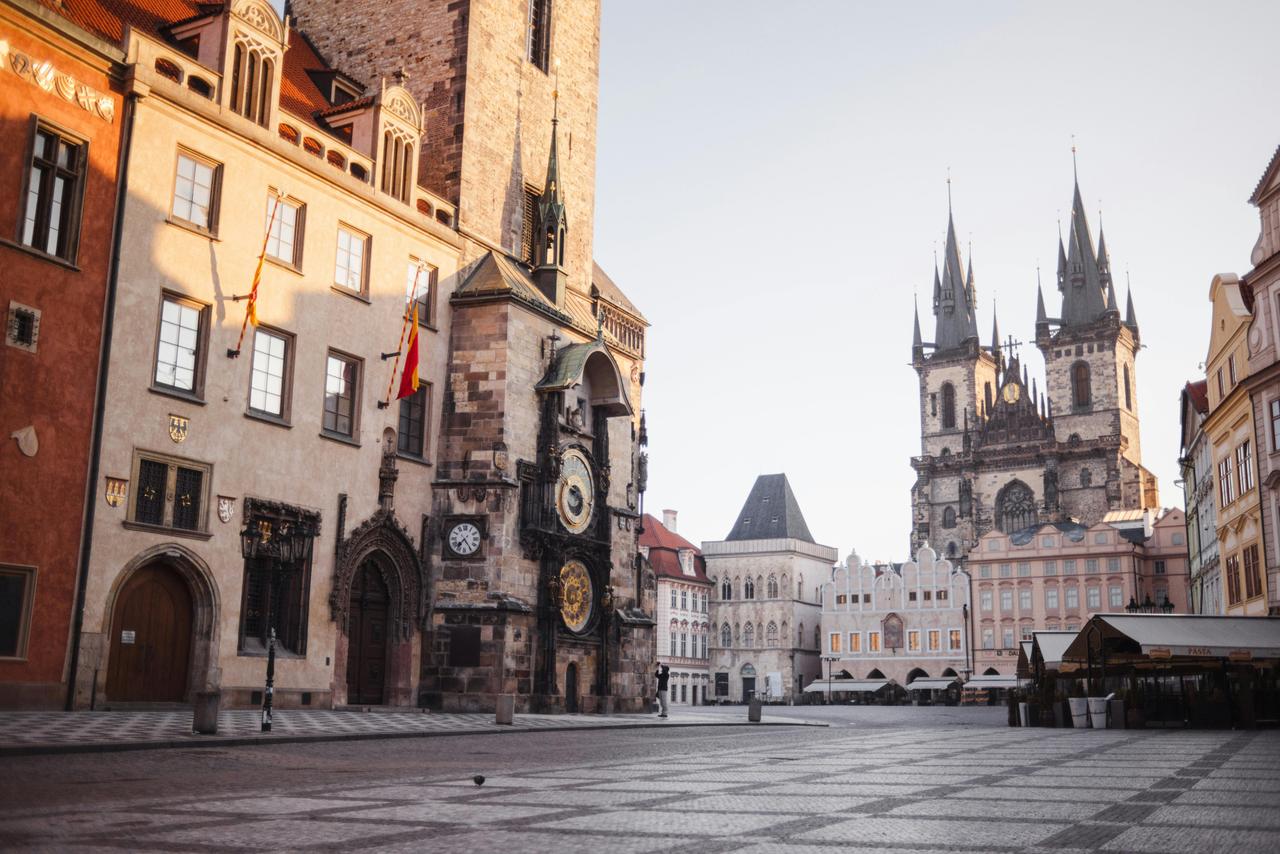
Tourism holds a prominent place in Prague's economy. The city has become a global tourism center due to its historical structures, architecture and cultural richness. Prague attracts millions of tourists annually, driving growth in its hotel, restaurant and entertainment sectors. Key tourist attractions such as Charles Bridge, Old Town Square, Prague Castle and the Astronomical Clock draw significant visitor interest.
Prague is one of Central Europe's most popular tourist destinations due to its historical and cultural richness. The city attracts millions of tourists each year with its architecture, historical structures and artistic atmosphere. Prague Castle, one of the city's most famous landmarks, is an iconic symbol of Prague. Other structures such as Charles Bridge, Old Town Square and the Astronomical Clock also showcase the city's cultural heritage.
In addition to tourism, cultural events hold an important place in Prague. Festivals, exhibitions and concerts held in the city are widely attended by both locals and tourists. At the same time, experiencing traditional Czech cuisine and exploring local crafts are appealing aspects for visitors.
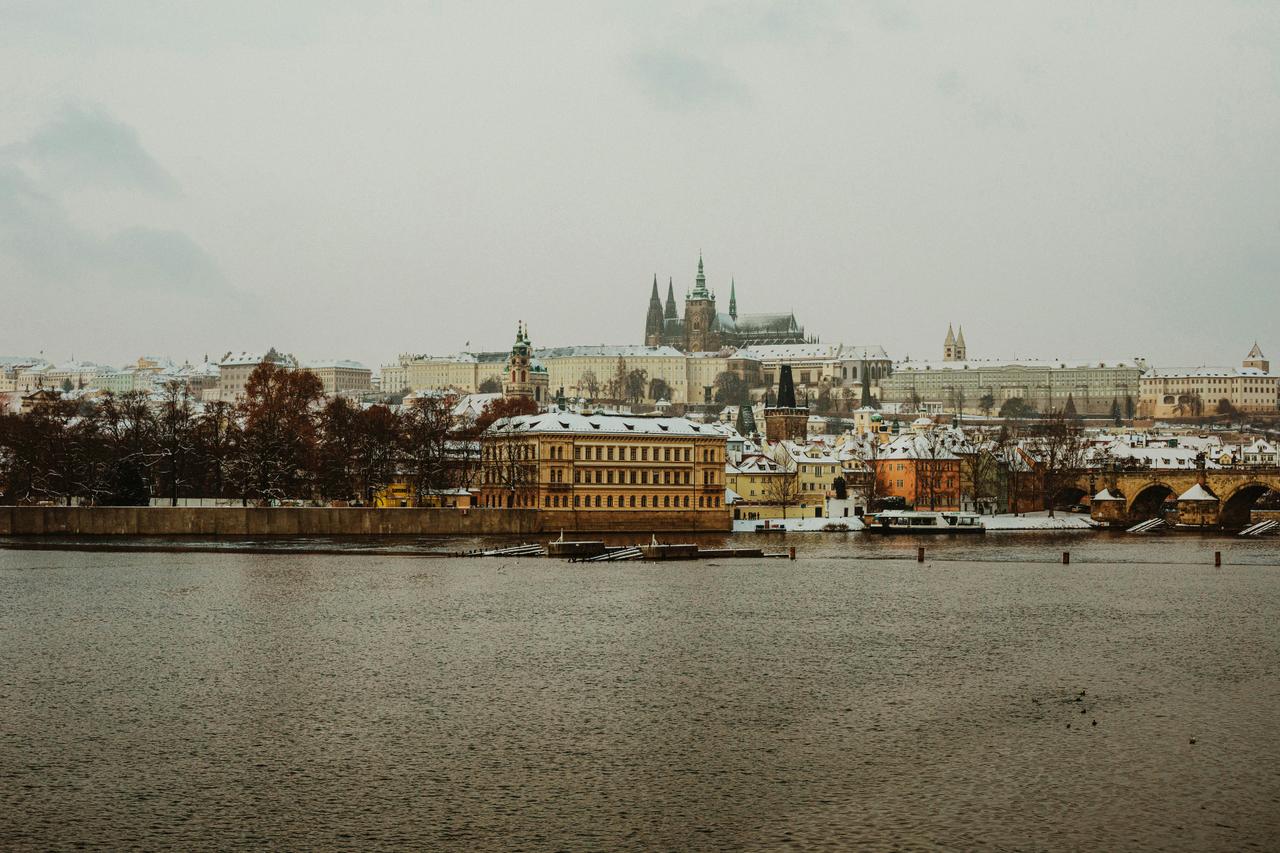
Prague Castle. (Source: Helena Jankovičová Kováčová)
Prague is renowned as one of Central Europe's cultural and artistic capitals, known for its historical richness and artistic heritage. The city has been a cradle and development center for numerous international art movements, particularly noted for its Gothic, Baroque and Renaissance architecture. Prague's cultural fabric, with its structures bearing traces of the past and its artistic activities, continues to attract both locals and foreign tourists.
Prague has hosted many important structures throughout its history. Among its most famous landmarks are Prague Castle, Charles Bridge, Old Town Square and the Astronomical Clock. Prague Castle, one of the city's symbols, holds great historical and cultural significance. This castle served as the center of the Kingdom of Bohemia for centuries and has been the stage for numerous historical events.
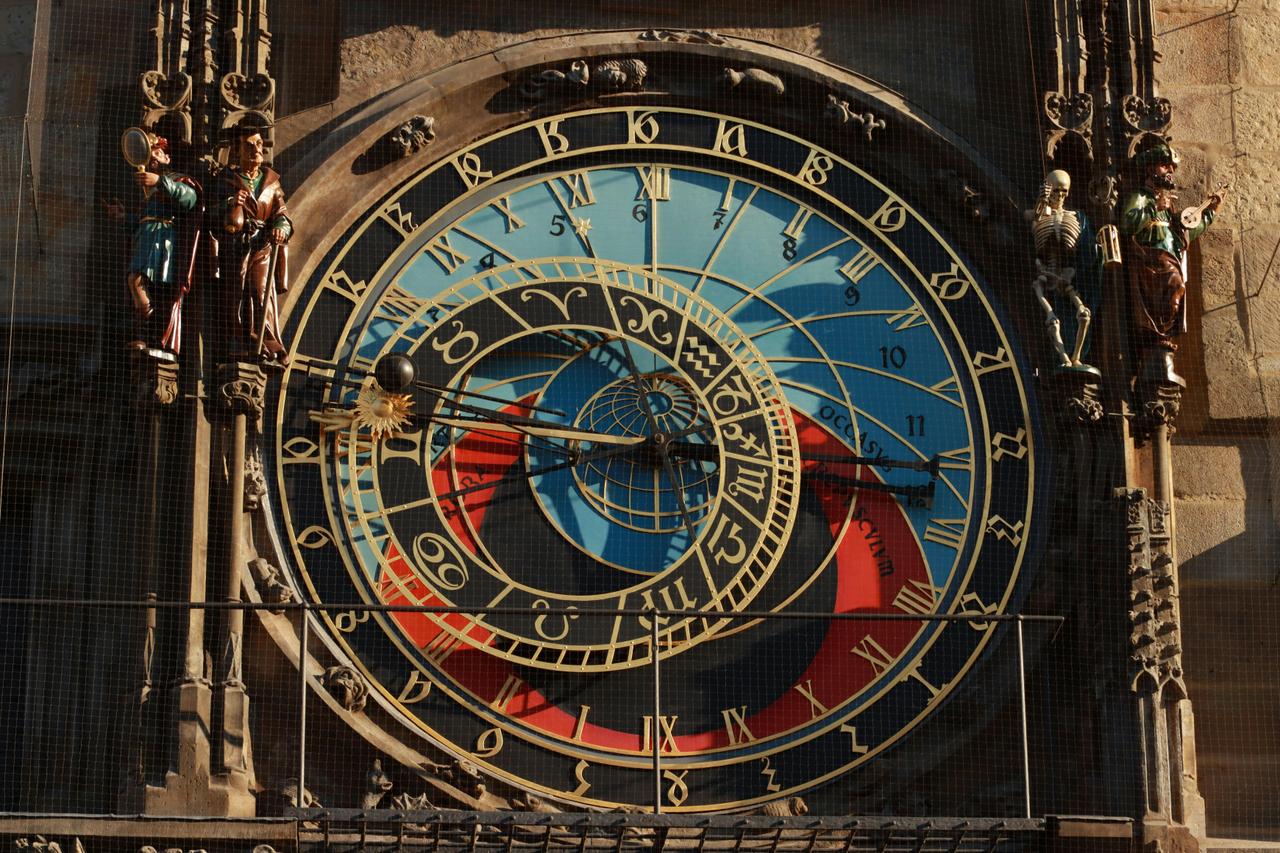
Charles Bridge, constructed in the Gothic style, is a historic bridge connecting the two banks of Prague. It is famous for its high arches and statues. Old Town Square is considered the heart of the city. The Astronomical Clock located there is a remarkable achievement both aesthetically and technologically. Its hourly melodies and displays captivate both locals and tourists.
Prague has a rich artistic past. The city is a major cultural center in music, theater and visual arts. Prague is also known as the musical capital of Central Europe. The city hosts numerous concert halls and opera houses, including the world-renowned Prague State Opera and the Czech Philharmonic Orchestra.
Traditional Czech crafts are also of great importance. Art forms such as glasswork, ceramics and woodcarving are essential elements reflecting Prague's cultural heritage. Products made with these traditional crafts are highly sought after by both locals and tourists.
In addition to its traditional culture, Prague embraces modern art. Cultural events such as exhibitions, concerts, theater performances and film festivals hold significant importance in the city. The Prague International Film Festival is a major event showcasing works by internationally acclaimed filmmakers. Additionally, music festivals held in various venues across the city enhance interest in Prague's modern art scene.
Prague serves as an important meeting point for artists and is regarded as an inspiring city for artistic creation and production. Art galleries and cultural centers in the city provide spaces for local and international artists to exhibit their works.
As one of Central Europe's most important cities, Prague holds a key position both regionally and nationally due to its strong transportation infrastructure. The city has road, rail, waterway and air transport systems, all of which contribute to its economic and social development.
Prague is one of the most important cities in the Czech Republic for road transport. The city has an extensive highway network that connects Prague to other major cities in the country and various regions of Europe. Major road routes from Prague provide fast access to countries such as Germany, Poland and Austria. The city's road infrastructure is equipped with modern roads and bridges, facilitating both intra-city and inter-city travel. Prague's internal roads provide access to various neighborhoods and tourist areas.
Prague is a major hub for rail transport. The city's main railway station, Hlavní nádraží, is a key transit point for national and international services. Prague is connected to major European rail lines, giving it strong rail links with countries such as Germany, Poland, Austria and Hungary. The city's rail network also plays an active role in urban transport, especially through trams and suburban trains that ease mobility within the city.
Prague is an inland city with no direct connection to the sea and relies on road and rail transport. However, the Elbe River near the city allows for limited small-scale water transport activities. Prague Port serves as a center for boat tours, especially for tourists, but plays no major role in waterway transportation.
Prague is a major center for air transport. Václav Havel Airport is the largest and busiest airport in the Czech Republic. Serving both domestic and international flights, this airport connects Prague to cities around the world. With increasing annual flight numbers, various upgrades have been implemented and new terminal buildings constructed to expand capacity. Prague is one of the main transportation hubs in Central Europe in terms of air travel.
Urban transport in Prague is provided by buses, trams and metro systems. The city's public transport network offers a comprehensive system designed to facilitate travel for tourists. Trams are Prague's oldest and most widespread public transport vehicles, providing access to many important locations. The metro also offers fast and convenient mobility within the city. Although traffic congestion and road maintenance work sometimes affect urban transport efficiency, the city's transport infrastructure is continuously being improved.
Prague has made significant progress in both health and education, becoming one of Central Europe's cultural and scientific centers through the opportunities it provides in these fields. The city's healthcare services are strongly structured with modern medical infrastructure and high-standard hospitals. In addition, educational institutions enhance the city's prominence through scientific research and quality education opportunities.
Prague is a city with a developed healthcare infrastructure, offering medical tourism opportunities to both locals and foreign visitors. Hospitals in the city are equipped with modern medical devices and provide high-quality services in numerous specialties such as cardiology and orthopedics. Various private clinics offering aesthetic surgery, dental treatments and spa services also contribute to the city's economy. At the same time, Prague implements various public health projects to raise community awareness.
Prague hosts some of the oldest educational institutions in Central Europe. The city's universities, particularly Charles University in Prague, make significant contributions to scientific research and academic work. The education system offers quality opportunities ranging from higher education to primary school. Educational institutions in Prague provide students not only with theoretical knowledge but also with practical experience, contributing to their personal and professional development. Moreover, Prague attracts international students, enhancing diversity in education.
As one of Central Europe's most important cultural and tourist centers, Prague offers a wide range of accommodation options for both locals and visitors. Due to its significance in tourism, the city's accommodation infrastructure provides diverse choices for both short-term and long-term stays. Accommodation options in Prague range from hotels catering to all budgets to boutique hotels, apartments and guesthouses.
In addition to hotels near the city center, accommodation options are available along the Vltava River and near historical sites. The old town center is particularly favored by tourists due to its proximity to tourist attractions. Moreover, accommodation options integrated with nature are offered in surrounding areas such as Karlovy Vary and Český Krumlov. Prague provides its guests with a high-quality accommodation experience based on hospitality and service.
The hotel industry in Prague is continuously developing, with modern accommodation facilities enhancing the city's competitiveness in the international tourism market. Hotels and accommodation providers also offer samples of traditional Czech cuisine, giving guests the chance to taste local flavors.
Prague draws attention with its social life shaped by a rich cultural heritage and a modern lifestyle. Daily life in the city blends traditional Czech customs with contemporary living styles. The people of Prague are known for their hospitality, and social spaces offer ample opportunities for both residents and tourists.
Cultural events play a major role in Prague's social life. Throughout the year, numerous festivals, concerts, exhibitions and theater performances are held in the city. Prague is a city deeply connected to music, particularly renowned for its classical music and opera concerts. Folk music and dance are also integral parts of social activities. Traditional music and dance festivals held in Prague are key elements that enliven the city's social life.
Prague also has a rich culinary culture. Traditional Czech dishes are indispensable elements of the city's social life. Czech beer is an important component that enhances social interaction in cafes and bars. Alongside traditional meals, Prague offers a wide selection of international cuisines. Cafes, restaurants and bars are vital social spaces in Prague.
Among the most popular social venues for young people and tourists are Prague's famous cafes and open-air restaurants. These areas provide both relaxation and opportunities for socializing for visitors to the city.
With the diversity it offers in tourism and local life, Prague provides visitors with numerous accommodation and social interaction opportunities. The city's accommodation infrastructure is well-developed to suit all budgets, while social life is enriched by cultural events, traditional cuisine and social venues. Prague maintains its identity as a dynamic and social city for both residents and tourists.
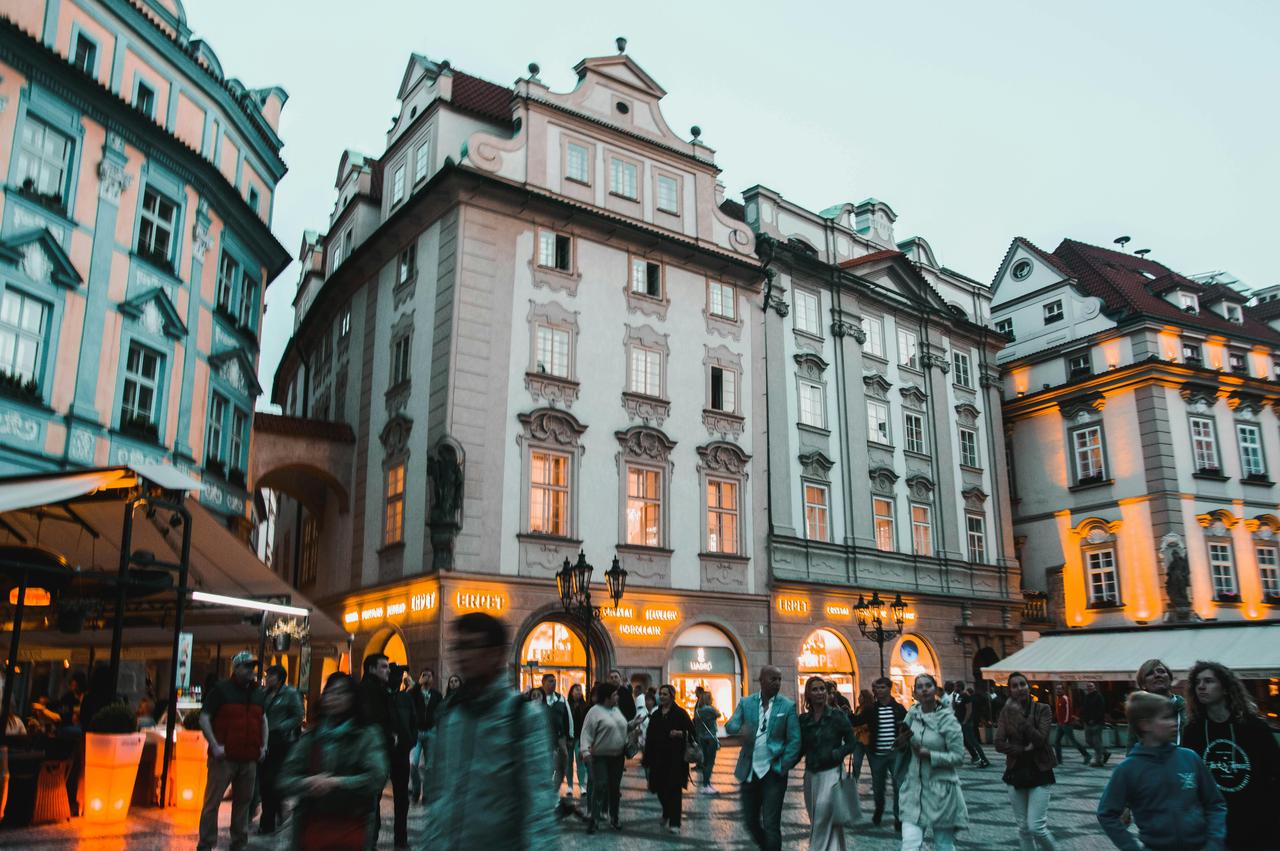
As the capital and largest city of the Czech Republic, Prague has a strong local government structure. The city's administration operates in harmony with the central government, yet Prague also possesses its own municipal and administrative system. Given its status as one of the Czech Republic's most important cities, Prague's local governance plays a major role in organizing municipal services and shaping the city's future development.
Prague holds the status of a "Capital City" with a special administrative structure. It is governed by a mayor and a city council. The mayor, elected by the public, is the highest local official in Prague. The mayor's responsibilities include managing the city, overseeing infrastructure projects, providing social services and organizing various cultural events.
Prague is also composed of 22 districts. Each district has its own mayor and local administration, but all districts deliver services in accordance with the general policies set by the central city administration. These district municipalities are responsible for providing services tailored to their regional needs within the framework established by the Prague City Council.
The Prague City Council operates in a wide range of areas, from basic infrastructure services to social projects, cultural activities and tourism services. Transportation, sanitation, healthcare, education and park management in the city are organized by the city council. Additionally, the Prague City Council implements various projects to address environmental issues and make the city more sustainable.
The council prioritizes projects that maintain a balance between preserving Prague's historical heritage and promoting modernization. Moreover, by organizing Prague's cultural and artistic events, the council enhances the city's appeal and improves the quality of life for its residents.
Prague regularly engages with its residents to take steps toward making the city more livable. Tourism is also a key area carefully managed by the city council, as Prague attracts millions of tourists annually. The council's tourism-related projects include restoration of historical sites and strengthening of tourist infrastructure.
With its strong local governance and effective administrative structure, Prague has become not only a major center of the Czech Republic but also a key cultural and commercial hub in Central Europe. The coordinated cooperation between the city council and district municipalities modernizes the city while continuing to preserve its historical heritage. Prague's governance structure aims to improve the quality of life and ensure the city's sustainable future.
"Mapchart." Mapchart. Accessed March 1, 2025.https://www.mapchart.net/europe-detailed.html.
"Prague.eu." Prague.eu. Accessed March 1, 2025.https://prague.eu/en/.
"Prag’ın Kısa Tanıtımı." Prague.fm. Accessed March 1, 2025.
Anadolu Agency. "Orta Avrupa’da Zamanın Durduğu Şehir: Prag." Anadolu Agency, October 17, 2021.https://www.aa.com.tr/tr/dunya/orta-avrupada-zamanin-durdugu-sehir-prag/2616774.
Bizevdeyokuz. "Prag Seyahati: Gezilecek Yerler, Aktivite ve İpuçları." Accessed March 1, 2025.https://www.bizevdeyokuz.com/prag.
Oggusto. "Prag Seyahat Rehberi." Accessed March 1, 2025.https://www.oggusto.com/seyahat/yurt-disi/prag-seyahat-rehberi.
Prague.eu. "Prague Historical." Prague.eu. Accessed March 1, 2025.https://praha.eu/web/eng/prague-historical.
Republic of Turkey Ministry of Foreign Affairs. "Prague." Turkish Embassy in Prague. Accessed March 1, 2025.

Prague (Province)
Country | Czechia | ||||||||
|---|---|---|---|---|---|---|---|---|---|
Population | 1,272,000 | ||||||||
Area | 496 km² | ||||||||
Climate | Temperate Continental Climate | ||||||||
Important Structure | St. Vitus Cathedral Prague Castle Kafka Museum Astronomical Clock Tower Charles Bridge | ||||||||
Telephone Code | +420 | ||||||||
Area Code(s) | 2 | ||||||||
Geography
Demographics
Economy
Tourism
Culture and Art
Cultural Heritage and Structures
Art and Crafts
Modern Art and Cultural Events
Infrastructure and Transportation
Road Transport
Rail Transport
Waterway Transport
Air Transport
Urban Transport
Health and Education
Health
Education
Accommodation
Social Life
Local Government Structure
Prague City Council and Administrative Services