This article was automatically translated from the original Turkish version.
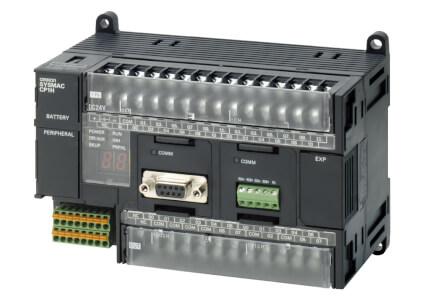
A Programmable Logic Controller (PLC) is a digital computer designed to control machines and processes in industrial automation systems. PLCs are engineered to be robust and flexible, ensuring reliable operation in complex industrial environments.
Programmable Logic Controllers were first developed in the 1960s in the USA. They emerged as a response to the need for a flexible and reprogrammable system to replace wiring-based relay control systems used in General Motors’ production lines. The first PLC, the Modicon 084, developed by Dick Morley in 1969, revolutionized the field of industrial automation.
A PLC essentially consists of the following components:
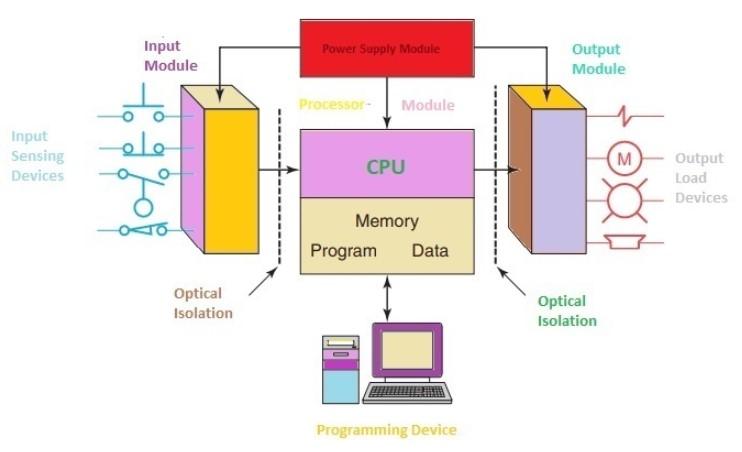
PLC Components - TekFaz
Programmable Logic Controllers process data received from input units and send signals to output units based on programmed logical rules. The basic operating steps are:
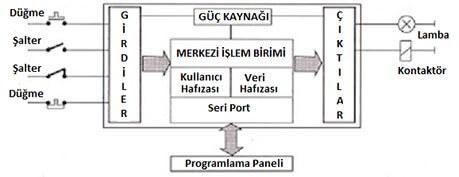
PLC Operating Logic - TekFaz
Programmable Logic Controllers are widely used in the following industrial and commercial fields:
Programmable Logic Controllers occupy a vital role in industrial automation systems and continue to evolve. With the integration of IoT and artificial intelligence alongside Industry 4.0, they are being advanced to even higher levels. Technological progress is steadily enhancing the flexibility and control capabilities of PLCs.
ADS Mühendislik. "PLC Nedir?" ADS Mühendislik Blog, Accessed April 4, 2025.https://www.adsmuhendislik.com.tr/blog/plc-nedir
Endüstri Okulu. "PLC Nedir? Yapısı Nasıldır? Kullanım Alanları Nelerdir?" Endüstri Okulu, October 2, 2021. Accessed April 4, 2025.

No Discussion Added Yet
Start discussion for "PLC (Programmable Logic Controller)" article
History
Components
Operating Principle
Applications
Advantages