


This article was automatically translated from the original Turkish version.
+1 More
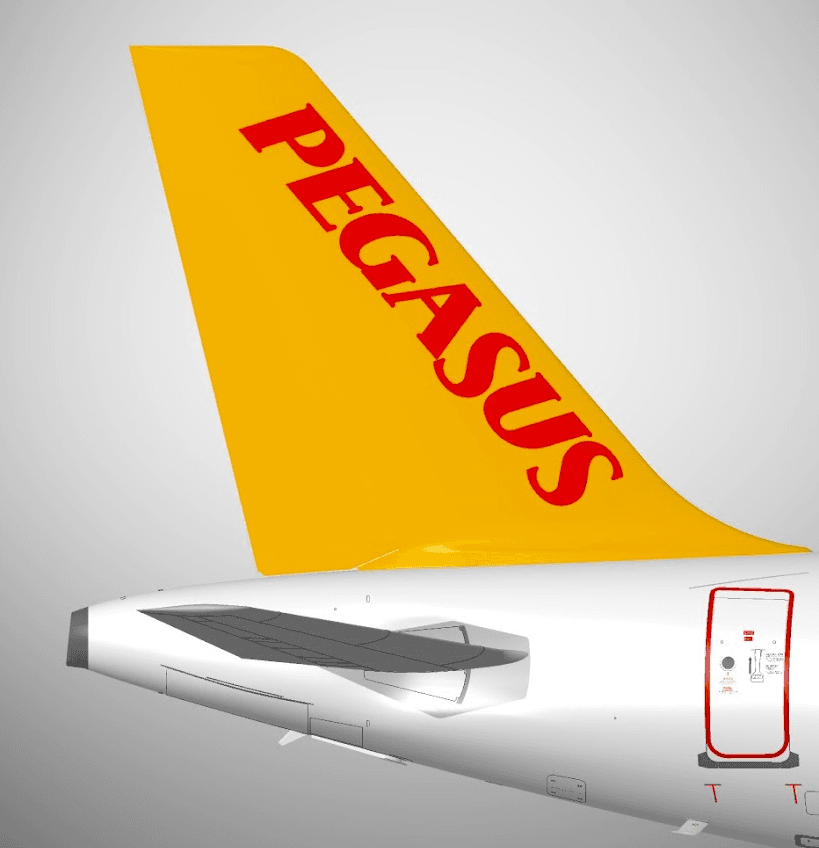
Pegasus Airlines (Pegasus Air Transportation Inc.)
Year of Establishment | 1990 | ||||||||
|---|---|---|---|---|---|---|---|---|---|
Place of Establishment | Istanbul, Türkiye | ||||||||
Founder | Aer Lingus Silkar Yatırım Net Holding | ||||||||
General Director | Güliz Öztürk | ||||||||
Chairman of the Board of Directors | Mehmet T. Nane | ||||||||
Main Base | İstanbul Sabiha Gökçen Havalimanı | ||||||||
Fleet Size | 118 aircraft | ||||||||
Average Fleet Age | 4.5 years | ||||||||
Network | 146 destinations including 37 domestic and 109 international scheduled flights | ||||||||
Pegasus Airlines is one of Türkiye’s airline companies. Founded in 1990 in Istanbul through a joint venture between Aer Lingus Silkar Investment and Net Holding, Pegasus began operations with a vision to transform the aviation industry by making air travel accessible to everyone. After being acquired by ESAS Holding in 2005 it continued its operations as Türkiye’s fourth scheduled airline carrier.

Pegasus conducted its first flight in 1990. Initially serving six domestic destinations it now operates flights to a total of 130 destinations including 37 within Türkiye and 93 abroad. The company gained prominence through its low-cost carrier model and has become the market leader in this segment in Türkiye. In 2013 it was listed on the Borsa Istanbul as a kote becoming the first private airline company to be traded on the stock exchange.
Pegasus embraces the low-cost aviation model to provide its passengers with economical safe and on-time travel. After its acquisition by ESAS Holding in 2005 it designated Istanbul Sabiha Gökçen Airport as its main hub and significantly expanded its flight network across Türkiye. The company continues to grow through innovative services focused on flight safety technological investments and customer satisfaction.
Pegasus has maintained its leadership in the industry through technological investments and sustainability-focused initiatives. In 2011 it integrated the Wireless Groundlink End to End Network Solutions system into its fleet becoming the first airline globally to implement two-way data transfer. Additionally by establishing a flight training center it joined the exclusive group of airlines worldwide that own flight simulators.
The company also places importance on social responsibility initiatives launching its first such project in 2018 titled “Flying Towards the Future”. In 2019 it signed the United Nations Global Compact becoming the first airline in Türkiye to do so.
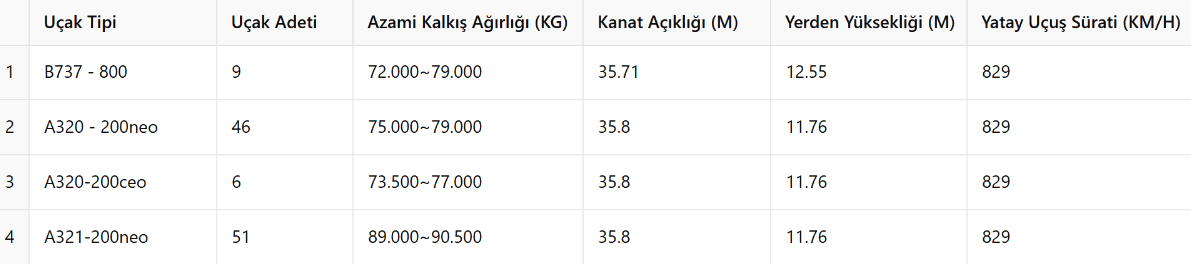
Pegasus Airlines Fleet Structure.
Pegasus Hava Yolları. "Flypgs." Pegasus Hava Yolları Resmi Web Sitesi. Accessed March 17, 2025.https://www.flypgs.com/.
Pegasus Yatırımcı İlişkileri. “Dünden Bugüne Pegasus.” Pegasus Yatırımcı İlişkileri. Accessed March 17, 2025.https://www.pegasusyatirimciiliskileri.com/tr/hakkimizda/dunden-bugune-pegasus.

Pegasus Airlines (Pegasus Air Transportation Inc.)
Year of Establishment | 1990 | ||||||||
|---|---|---|---|---|---|---|---|---|---|
Place of Establishment | Istanbul, Türkiye | ||||||||
Founder | Aer Lingus Silkar Yatırım Net Holding | ||||||||
General Director | Güliz Öztürk | ||||||||
Chairman of the Board of Directors | Mehmet T. Nane | ||||||||
Main Base | İstanbul Sabiha Gökçen Havalimanı | ||||||||
Fleet Size | 118 aircraft | ||||||||
Average Fleet Age | 4.5 years | ||||||||
Network | 146 destinations including 37 domestic and 109 international scheduled flights | ||||||||
Development
Mission and Vision
Key Developments and Investments
Social Responsibility and Global Principles
Fleet Structure
Current Status of the Company
Market Share (Q3 2024)