


This article was automatically translated from the original Turkish version.
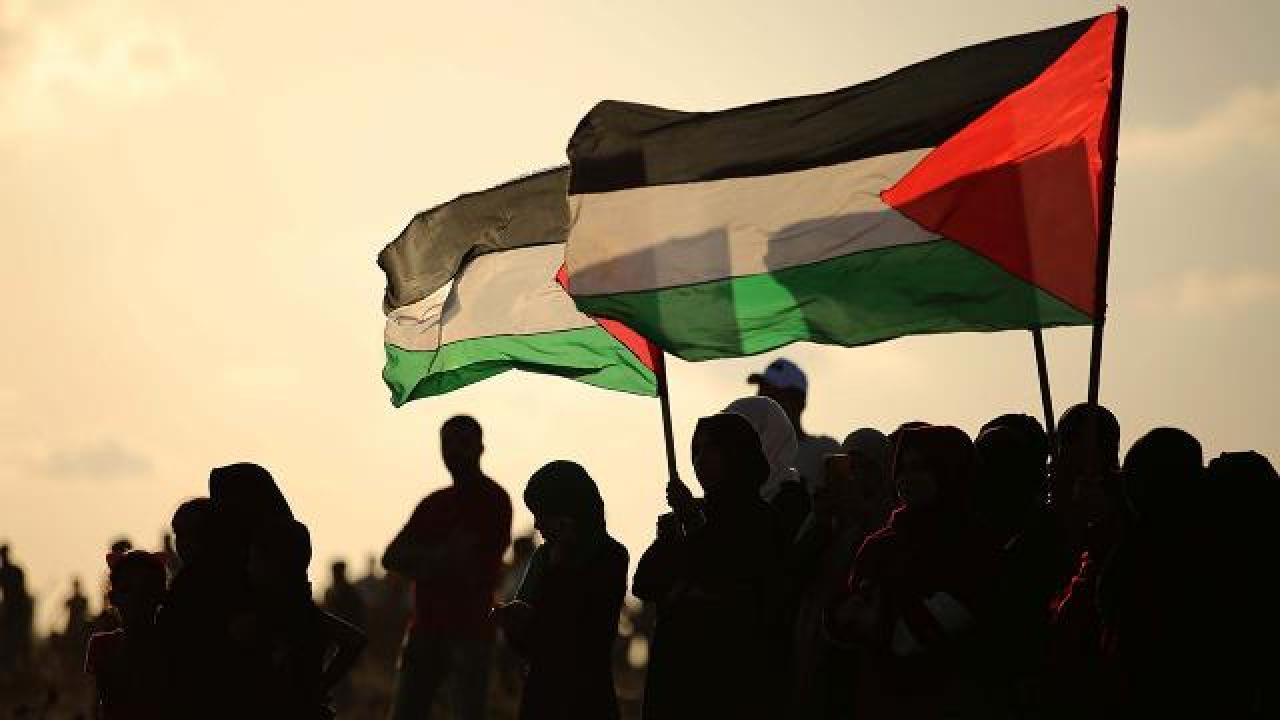
Palestinian Land Day (Anadolu Agency)
Meaning(s) | Symbolic expression of the historical connection of Palestinians to the land and their collective response to land loss | ||||||||
|---|---|---|---|---|---|---|---|---|---|
Original Name(s) | Yevmü’l-Ard (يوم الأرض) | ||||||||
Forms of Commemoration | Marches, protests, tree planting, cultural events, symbolic campaigns | ||||||||
Consequence of Initial Events | Six Palestinians killed, many others injured | ||||||||
Historical Background | Land loss and dispossessions process after 1948 | ||||||||
Reason for Emergence | Jalil region (especially Deyr Hanna, Sahneyn, Araba) | ||||||||
First Commemoration Year | 1976 | ||||||||
History | 30 March | ||||||||
Land Day is the name of the day commemorated annually on March 30 as a historical symbol of the collective resistance developed by Palestinians against the seizure of their land. This day emerged as the anniversary of mass protests that took place in 1976 against the Israeli government’s decision to confiscate thousands of acres of land belonging to Palestinian citizens. Over time, it has become embedded in Palestinian national memory and has evolved into a symbolic expression of the historical, social, and political ties between Palestinians and their land.
The direct historical context of Land Day was shaped by the Israeli government’s decision on March 30, 1976 to confiscate thousands of acres of land belonging to Palestinians living in the Jalil region in northern Israel. This decision was met with a general strike and mass protests by Palestinians. During the demonstrations, Israeli security forces intervened, resulting in six Palestinians being killed and many others injured. This event is recorded as the first large-scale mass confrontation between Palestinians and Israeli security forces.
The protests of March 1976 were not confined to the Jalil region; they spread to densely populated Palestinian towns such as Deir Hanna, Sakhnin and Araba. Prior to the protests, the Israeli authorities imposed curfews and banned all demonstrations in these areas. Nevertheless, Palestinians responded with collective resistance against the land seizures. The use of firearms by Israeli soldiers to suppress the protests cemented Land Day’s enduring place in Palestinian collective memory.
Land Day is recognized as a central symbol in the formation of Palestinian national identity. For Palestinians, this day not only commemorates the events of 1976 but also serves as a memorial for the land losses, forced displacements, and dispossession experienced since 1948. Land Day stands as a historical reference point representing the Palestinian attachment to the land and its transmission across generations.
Land Day is commemorated in various ways across Palestinian territories and the Palestinian diaspora. These include:
In some years, mass events have been limited due to security conditions or emergencies, and commemorations have instead taken the form of symbolic campaigns. For example, in 2020, due to the novel coronavirus pandemic, Palestinians commemorated Land Day by displaying Palestinian flags from their balconies and windows under the “Raise Your Flag” campaign.【1】
Land Day is interpreted each year within the prevailing political and social conditions. Ongoing land seizures, settlement activities, and military practices in the West Bank, the Gaza Strip, and East Jerusalem continue to sustain the relevance of Land Day. In this context, Land Day is not merely a remembrance of past events but also a reminder of ongoing land conflicts.
Land Day is also observed by Palestinians living outside Palestinian territories. Events held in refugee camps in Lebanon, Jordan, and other countries, as well as demonstrations in various nations, demonstrate that Land Day has become an international day of remembrance. These commemorations reflect the enduring presence in collective memory of Palestinians’ connection to their land and their demand for return.
Al Jazeera. “Land Day: What Happened in Palestine in 1976?” Al Jazeera. Accessed February 2, 2026. https://www.aljazeera.com/news/2024/3/30/land-day-what-happened-in-palestine-in-1976
Anadolu Ajansı. "Filistin Toprak Günü’nün 48. Yılına Saldırılar ve Topraklarına El Konulmasıyla Giriyor." Accessed February 2, 2026. https://www.aa.com.tr/tr/dunya/filistin-toprak-gununun-48-yilina-saldirilar-ve-topraklarina-el-konulmasiyla-giriyor/3179219
Anadolu Ajansı. “Filistin Toprak Günü’nün 40. Yıl Dönümü.” Accessed February 2, 2026. https://www.aa.com.tr/tr/pg/foto-galeri/filistin-toprak-gununun-40-yil-donumu---
Anadolu Ajansı. “Filistinliler İsrail İşgaline Karşı Toprak Günü Yürüyüşü Düzenledi.” Accessed February 2, 2026. https://www.aa.com.tr/tr/dunya/filistinliler-israil-isgaline-karsi-toprak-gunu-yuruyusu-duzenledi/3179242
Middle East Research Center (ORSAM). "Filistin’de Toprak Günü ve Geri Dönüş Yürüyüşü." Accessed February 2, 2026. https://orsam.org.tr/yayinlar/filistinde-toprak-gunu-ve-geri-donus-yuruyusu/
Public Oversight Institution. "Yüzyılın En Uzun İşgali: Filistin." Accessed February 2, 2026. https://paylasim.ombudsman.gov.tr/dokuman/documentuploads/gazze-brosurler/yuzylin-en-uzun-isgali-filistin.pdf
TRT Haber. "Filistin Toprak Günü Koronavirüs Gölgesinde Kutlandı." Accessed February 2, 2026. https://www.trthaber.com/haber/dunya/filistin-toprak-gunu-koronavirus-golgesinde-kutlandi-471659.html
TRT Haber. “İsrail İşgaline Karşı Direnişin Sembolü: Filistin Toprak Günü.” TRT Haber. Accessed February 2, 2026. https://www.trthaber.com/haber/dunya/israil-isgaline-karsi-direnisin-sembolu-filistin-toprak-gunu-757076.html
[1]
TRT Haber. “Filistin Toprak Günü Koronavirüs Gölgesinde Kutlandı.” TRT Haber. Erişim 2 Şubat 2026. https://www.trthaber.com/haber/dunya/filistin-toprak-gunu-koronavirus-golgesinde-kutlandi-471659.html


Palestinian Land Day (Anadolu Agency)
Meaning(s) | Symbolic expression of the historical connection of Palestinians to the land and their collective response to land loss | ||||||||
|---|---|---|---|---|---|---|---|---|---|
Original Name(s) | Yevmü’l-Ard (يوم الأرض) | ||||||||
Forms of Commemoration | Marches, protests, tree planting, cultural events, symbolic campaigns | ||||||||
Consequence of Initial Events | Six Palestinians killed, many others injured | ||||||||
Historical Background | Land loss and dispossessions process after 1948 | ||||||||
Reason for Emergence | Jalil region (especially Deyr Hanna, Sahneyn, Araba) | ||||||||
First Commemoration Year | 1976 | ||||||||
History | 30 March | ||||||||
No Discussion Added Yet
Start discussion for "Palestinian Land Day" article
Origin and Historical Context
Development of the Land Day Events
Place in Palestinian National Identity
Commemoration Practices
Land Day and the Contemporary Political Context
International Commemoration