


This article was automatically translated from the original Turkish version.

Overthinking (Excessive Thinking)
Full Name | Excessive Thinking Disorder | ||||||||
|---|---|---|---|---|---|---|---|---|---|
Related Field | Philosophy Sociology Psychology Psychiatry | ||||||||
Other Name | Rumination (Overthinking) | ||||||||
Overthinking is the excessive and unnecessary thinking about a situation, event, or idea. This condition involves the individual constantly overthinking things, failing to reach a solution despite prolonged contemplation, and wasting time on these thoughts. Overthinking manifests through signs such as difficulty making decisions, overanalyzing immediate situations, and excessive thinking like behaviors. This condition can negatively affect mental health by increasing stress and anxiety.
Overthinking is often associated with anxiety disorders and high stress. Anxiety can cause individuals to constantly worry about negative outcomes and magnify these concerns in their minds. Stress, on the other hand, exerts continuous pressure on the mind, leading to excessive thinking about the current situation and making the situation appear more complicated.
Inability to cope with uncertainty is another common cause of overthinking. A lack of clear information about the future can lead individuals to consider every possible scenario and mentally overwhelm themselves. This fear of uncertainty makes decision-making difficult. It is especially common among adults facing important decisions and among young individuals navigating processes such as job searching or career selection.
Perfectionism is linked to the desire for everything to be flawless. Perfectionist individuals think about even the smallest details, leading to constant thinking and unnecessary analysis of situations. This often results in getting stuck and struggling to make decisions. Many of these individuals are observed to fail in fulfilling their responsibilities in their pursuit of perfection. For example, an academic may never publish a paper while endlessly trying to perfect it.
Traumas and negative experiences from the past can cause individuals to overthink about the future. Such experiences may lead individuals to repeatedly experience negative thoughts in similar situations.
Individuals with low self-esteem may excessively focus on others’ opinions and lack confidence in their own thoughts. This can lead to overthinking and constant questioning of every choice and behavior.
The need for control relates to the desire to keep every situation and event under one’s own supervision. When control is lost, it triggers excessive thinking in the mind. These individuals attempt to review every possibility and predict all possible outcomes.
Pessimism is the persistent circulation of negative thoughts in the mind. Individuals with a negative thinking tendency evaluate every situation based on the worst-case scenario. This tendency increases overthinking and anxiety.
Overthinking has various effects that can differ from person to person. While some individuals are more affected psychologically, others may experience physiological symptoms. Additionally, overthinking can negatively impact both mental and physical health, reducing overall quality of life.
Overthinking can seriously affect mental health. When a person continuously replays the same thoughts in their mind, it can increase anxiety and lead to symptoms of depression. Moreover, individuals with high stress levels commonly experience difficulty concentrating and feelings of exhaustion. The person becomes so focused on their thoughts that they struggle to perform daily tasks.
In addition to psychological effects, overthinking can also cause physiological problems. The constant state of thinking increases stress hormones in the body, triggering physical discomforts such as sleep disturbances, headaches, muscle tension, and stomach issues. Prolonged overthinking can weaken the immune system, making individuals more susceptible to illness.
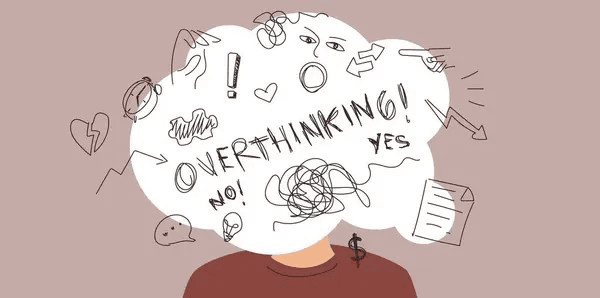
Overthinking Issue - Tribal News Network
There are various ways to cope with overthinking. The first step is to recognize this thought pattern and decide to take steps to manage it.
Meditation and mindfulness practices can help individuals manage their thoughts in a healthier way.
Writing down thoughts can relieve mental pressure and prevent excessive thinking. This method allows individuals to see their thoughts physically outside their minds, helping them recognize when they are overthinking a situation.
By recognizing how much thinking is productive, individuals can prevent excessive thinking. For example, when preparing an assignment, understanding the difference between striving for perfection and producing a work that may contain some flaws but is completed on time can help prevent overthinking.
Regular exercise, sufficient sleep, and healthy nutrition can enhance the ability to manage stress. These habits eliminate physical causes of overthinking by maintaining hormonal balance.
Working with a therapist or psychological counselor can help individuals address their thoughts in a more structured way and develop healthy coping strategies. Especially sharing persistent intrusive thoughts with a third party can significantly relieve the individual from the outset.
Acıbadem. "Overthinking." Accessed February 23, 2025.Accessed Adresi.
Büyük Anadolu Hastaneleri. "Aşırı Düşünme (Overthinking) Nedir?" Accessed February 23, 2025.Accessed adresi.
Iftikhar, Hudaibia. "Unraveling the Web of Overthinking: Types, Impacts, and Breaking Free." Tribal News Network. Accessed February 23, 2025.Accessed adresi.
Memorial Tıbbi Yayın Kurulu. "Overthinking Ne Demek?" Memorial. Accessed February 23, 2025.Accessed adresi.
No-Ra Psikoloji. "Overthinking Nedir?" Accessed February 23, 2025.Accessed adresi.

Overthinking (Excessive Thinking)
Full Name | Excessive Thinking Disorder | ||||||||
|---|---|---|---|---|---|---|---|---|---|
Related Field | Philosophy Sociology Psychology Psychiatry | ||||||||
Other Name | Rumination (Overthinking) | ||||||||
No Discussion Added Yet
Start discussion for "Overthinking (Excessive Thinking)" article
Causes of Overthinking
Anxiety Disorders and Stress
Fear of Uncertainty
Perfectionism
Past Traumas and Negative Experiences
Low Self-Esteem
Need for Control
Pessimism and Negative Thinking Tendency
Effects of Overthinking
Psychological Effects
Physical Effects
Ways to Cope with Overthinking
Mental Awareness Techniques
Writing Down Thoughts
Setting Personal Boundaries
Healthy Lifestyle Habits
Seeking Professional Help