

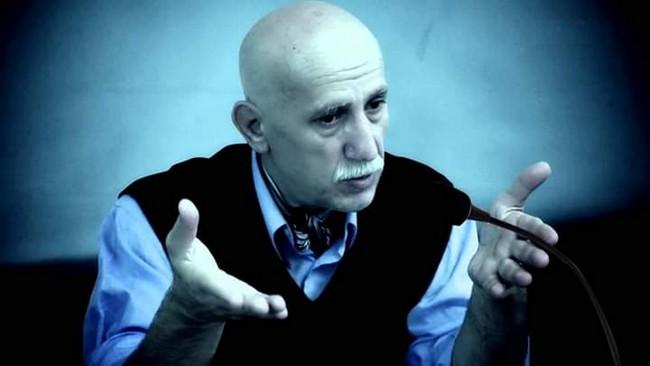
+1 More

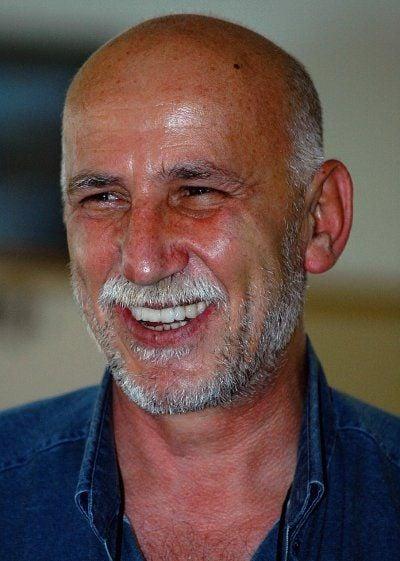
Ömer Lütfi Mete
Date of birth | 1950-02-01 | ||||||||
|---|---|---|---|---|---|---|---|---|---|
Date of death | 2009-11-18 | ||||||||
Age | 59 | ||||||||
Mother | Huriye Hanım | ||||||||
Father | Hacı Ali Bey | ||||||||
Occupation | Screenwriter Journalist Writer | ||||||||
Ömer Lütfi Mete, born on 1 February 1950 in the İyidere district of Rize, was a prominent figure in journalism, screenwriting, and literature. He received religious education from an early age and completed his education in Istanbul after beginning it in Rize. During his university years, he began his career in the press by working as an apprentice in a printing house.
Ömer Lütfi Mete, born in the province of Rize in Türkiye, was the eldest child in a family of eight. His father was Hacı Ali Efendi and his mother was Huriye Hanım. His grandfather was a müderris, and Mete received religious education from an early age. After completing primary and secondary education in Rize, he was sent by his family to Ankara and Istanbul for further religious studies. In 1967, Mete returned to Rize and served as a Qur’an course instructor at the age of 17.
Mete was admitted to the Faculty of Economics at Istanbul University in 1970 but left the university a year later. In 1973, he enrolled in the Turkish Language Department of the Atatürk Institute of Education at Marmara University and completed his studies. During his university years, he took his first steps into professional life through apprenticeship in a printing house.
In addition to a career in Turkish language and literature teaching, Ömer Lütfi Mete pursued a career in the press and publishing sector, serving as both a writer and an administrative staff member for numerous newspapers and magazines. After completing his university education, he began working at the newspaper Sabah as a layout officer. Following this role, he worked in the foreign news service of the newspaper Tercüman, and then, together with a group of friends, served as general editor of the newspaper Yeni Haber. After this, Mete moved to Ankara and launched the newspaper Belde. He later returned to Istanbul and assumed the position of sports director at the newspaper Türkiye, where he worked for many years as a sports writer for the magazine Yörünge. After leaving his position at Türkiye, he became the general editor of Yörünge. In the later years of his professional life, he held various positions and wrote articles for newspapers such as Ortadoğu, Yeni Şafak, Yeni Sayfa, Yeni Binyıl, Ayyıldız, Sabah, and Bugün. In the 2000s, he conducted activities at the Kültür Ocağı Vakfı (KOCAV), where he taught courses to university students, primarily in screenwriting and other fields. In 2007, he joined the foundation’s board of directors.
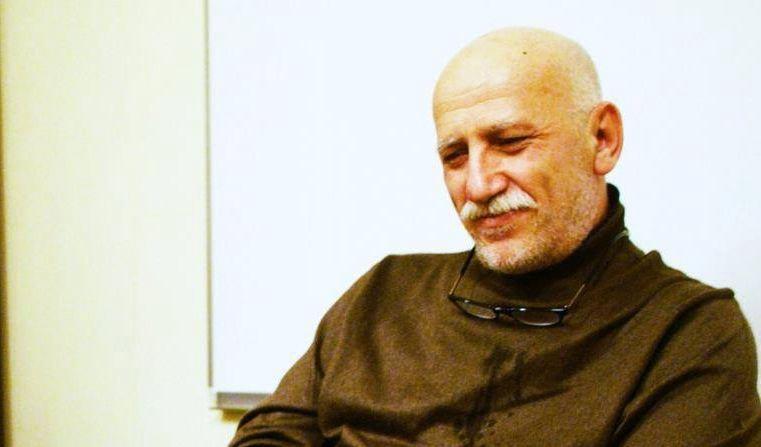
Ömer Lütfi Mete - Tarihistan
Throughout his 59-year life, Ömer Lütfi Mete published numerous articles in newspapers and literary magazines and authored various books in literature and political history. In addition, he wrote screenplays for many television series and films and contributed significantly to important productions.
After 1980, Mete published articles, poems, and stories in the magazines Türk Edebiyatı and Boğaziçi, and also wrote numerous articles in the magazine Çağrışım, which he himself published.
Ömer Lütfi Mete has produced works in various literary fields. His novels include: Balonya Tüneli (1978), Çığlığın Ardı Çığlık (1990), Ezan Günü (Çizme) (1991), Asker ile Cemre (1993), Yerden Göğe Kadar (1993), İtfaiye Yanıyor: Bir Derin Devlet Geyiği (2005).
His essay collections are as follows: Hacı Yağı ile Parfüm Arasında (2000), Aşksız Zevksiz… Allahsız Müslümanlık: Gerileme Sürecinde İslâm’ı Yaşama Sorunu (2008), Derin Millet Manifestosu (Köşe yazılarından seçmeler), Derin Devlet: Tanımlanamayan Güç (co-authored with Mahir Kaynak) (2005), Milliyetçilik Milliyetsiz (2007), Dünyayı Kimler Yönetiyor: Küresel İmparatorluğun Gizli Kurmayları (Interviews), 28 Şubat’tan Şemdinli’ye Derin Devlet Derin Çeteler (2005), Derin Pkk: Büyük Oyunun Gizli Kodları (co-authored with Mahir Kaynak) (2007), Ergenekon: Darbecilerin Son Çırpınışları (2008), Erdoğan Operasyonu: Küresel Sermayenin İktidar Savaşı (co-authored with Mahir Kaynak) (2008), Gizli Servisler: Karanlık Odalar Kör Noktalar (co-authored with Mahir Kaynak) (2007).
In addition to his novels and essays, Ömer Lütfi Mete authored a short story collection titled Basılı Yakıt (2009) and a poetry book titled Gülce (2007). Some of his poems have been set to music over the years.
Ömer Lütfi Mete also contributed significantly to television series and films through his screenwriting work. His works include:
Cinema Film Screenplays: Ölümünün Ellinci Yılında Mehmet Âkif Ersoy (documentary), Çizme, Beyaz Savaş, Gülün Bittiği Yer, Yunus Emre, The İmam.
TV Film Screenplays: Köstekli Saat, Ayrı Dünyalar, Veysel Karani, Ahmet Bedevi.
TV Series Screenplays: Bizim Ev, Evlere Şenlik, Ortaklar, Deli Yürek, Avcı, Hayat Bağları, Kurt Kapanı, Bir Yıldız Tutuldu, Rabia, AGA, Çanakkale Destanı (documentary drama).
He also contributed to numerous series and films such as Kurtlar Vadisi, Kurtlar Vadisi Pusu, and Kurtlar Vadisi Irak Ekmek Teknesi, providing screenplays, ideas, and consultancy.
Ömer Lütfi Mete’s work Ezan Günü (Çizme), written in 1991, was adapted into a film in 1992. For this film, Mete received the “Screenplay Award” from the Turkish Writers’ Union in 1992. In 2002, he was awarded the “Press and Ideas Award” by the Turkish Writers’ Union.
In 1982, he married his wife Leyla Hanım and had four children: Ali Buhara, Fatma Berra, Hatice Hicaz, and Zeynep Mücteba.
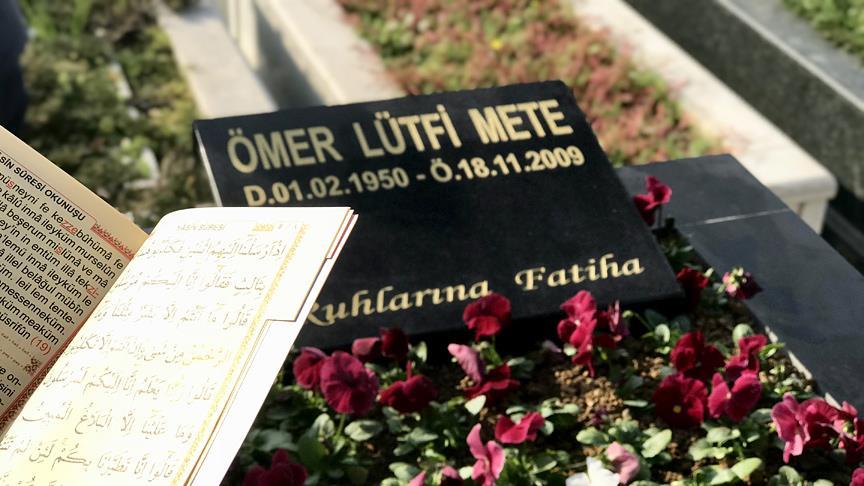
Ömer Lütfi Mete's grave in Çengelköy - Anadolu Ajansı
Ömer Lütfi Mete died at the age of 59 on 18 November 2009 due to a heart attack. He was buried in the Çengelköy Cemetery in Istanbul.
Biography. "Ömer Lütfi Mete." Accessed March 12, 2025.https://www.biyografya.com/tr/biographies/omer-lutfi-mete-65edee65
Birinci, Murat. "Ömer Lütfi Mete Vefatının 8. Yılında Anıldı." Anadolu Ajansı. Accessed March 12, 2025.https://www.aa.com.tr/tr/kultur-sanat/omer-lutfi-mete-vefatinin-8-yilinda-anildi-/969178.
Haber7. “Ömer Lütfi Mete Kimdir, Oğlu Kim? Ömer Lütfi Mete Dizileri.” Accessed March 12, 2025.https://www.haber7.com/biyografi/haber/3479486-omer-lutfi-mete-kimdir-oglu-kim-omer-lutfi-mete-dizileri.
Kahveci, Harun. Psikobiyografik Açıdan Ömer Lütfi Mete'nin Hayatı. PhD thesis,Atatürk Üniversitesi Institute of Social Sciences, Department of Philosophy and Religious Studies, Erzurum, 2019.
Kültür Ocağı Vakfı (KOCAV). “Ömer Lütfi Mete (1950-2009).” Accessed March 12, 2025.https://www.kocav.org.tr/2022/07/07/omer-lutfi-mete-1950-2009/.
Türkiye Yazarlar Birliği. “Ömer Lütfi Mete Vefat Etti.” TYB. Accessed March 12, 2025.https://www.tyb.org.tr/omer-lutfi-mete-vefat-etti-327h.htm.
Yaylacı, Yunus Emre. Ömer Lütfi Mete'nin Roman ve Hikâyelerinde Siyasi-Sosyal Bilimler. Master's thesis,Kırklareli Üniversitesi Institute of Social Sciences, Department of Turkish Language and Literature, Kırklareli, 2022.
Yerli Düşünce. "Ömer Lütfi Mete ve Eserleri." Accessed March 12, 2025.https://www.yerlidusunce.com/omer-lutfi-mete-ve-eserleri/.
İhlas Haber Ajansı. “Ömer Lütfi Mete Hayatını Kaybetti.” İHA. Accessed March 12, 2025.https://www.iha.com.tr/haber-omer-lutfi-mete-hayatini-kaybetti-97059.
İyidere Belediyesi. “Ömer Lütfi Mete.” Accessed March 12, 2025.https://www.iyidere.bel.tr/Sayfa/omer_lutfi_mete-213.html.

Ömer Lütfi Mete
Date of birth | 1950-02-01 | ||||||||
|---|---|---|---|---|---|---|---|---|---|
Date of death | 2009-11-18 | ||||||||
Age | 59 | ||||||||
Mother | Huriye Hanım | ||||||||
Father | Hacı Ali Bey | ||||||||
Occupation | Screenwriter Journalist Writer | ||||||||
Childhood and Education
University and Professional Life
Literary Career
Works
Awards
Family Life
Death