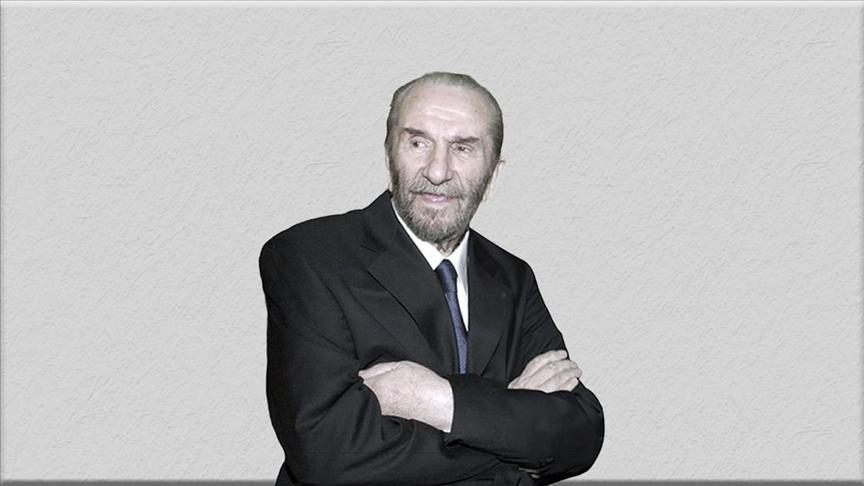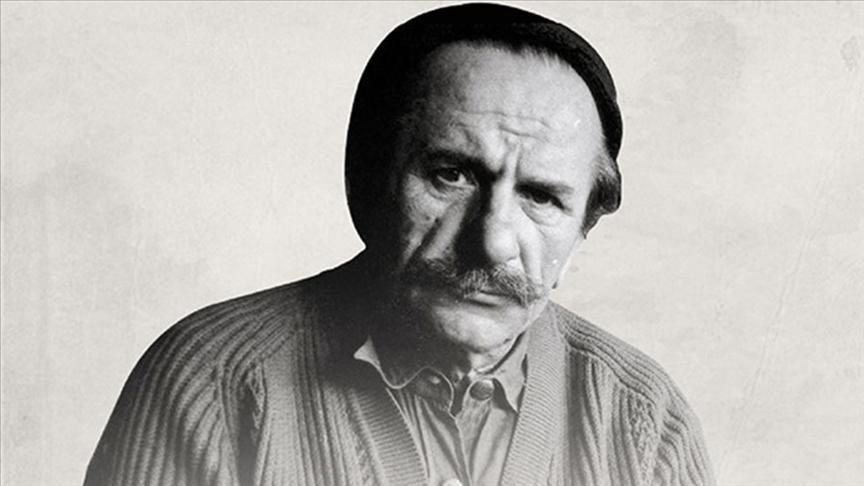

Ölüm tarihi | 2005-06-18 | ||||||||
|---|---|---|---|---|---|---|---|---|---|
Profession(s) | Painter | ||||||||
Technique | Oil Painting, Figurative and Realism-Based Works | ||||||||
Art Movement | Social Realist Painting | ||||||||
Citizenship | Turk | ||||||||
Theme(s) | Anatolian Village and Town Life Social Relationships Daily Life | ||||||||
Education | Academy of Fine Arts Istanbul | ||||||||
Nuri İyem is one of the recognized figurative painters in Turkish painting art. He is particularly known for his simple and compelling portrayal of the people of Anatolia, women’s portraits, and socially realistic themes. Nuri İyem, who employed emotional expression and a minimalist style in his art, holds a significant place in the development of modern Turkish painting. Throughout his long artistic career, he addressed both individual and social themes, leaving a lasting impact on Turkish art history.
Nuri İyem was born in Istanbul in 1915. He began engaging with art at an early age, particularly developing his skills in painting and drawing. His talent during primary school years was supported by his family and teachers, laying the foundation for his future career in art. He continued his art education at the Academy of Fine Arts in Istanbul, where he received classical painting training with a focus on figurative art and realism techniques. During his academic studies, he deeply acquired fundamental painting skills such as anatomy, perspective, composition, and color theory, embracing the discipline of academic training. Throughout his education, he became familiar with both traditional Turkish painting approaches and Western painting techniques, which formed the basis of his later distinctive style.
While at the academy, he took lessons from various instructors and refined his painting techniques through experimentation. During this period, his interest in depicting the lives of Anatolian people grew. After graduation, he engaged with Istanbul’s art circles and developed relationships with other artists and associations. Nuri İyem’s education and formative years provided the groundwork for his socially realistic approach to painting. The technical expertise gained through his education and the connections he established within the art community manifested in his works as both technical proficiency and social sensitivity.
Nuri İyem is recognized in Turkish painting art particularly for his socially realistic approach. His artistic philosophy is grounded in observing real life and translating everyday scenes into painting. In his works, the living conditions of Anatolian people, village and town life, labor, and social relationships are brought to the forefront. This approach transformed his art from a mere aesthetic pursuit into a vehicle for social commentary.
The most prominent theme in İyem’s works is village and town life. Human figures are depicted in their natural, everyday states, avoiding dramatic or artificial scenes. This preference clearly reflects the artist’s aim to reflect social reality. Additionally, his works frequently address the struggles of rural life, agricultural activities, and domestic and outdoor activities.
The use of color and composition in the artist’s paintings is striking. Natural tones and balanced color palettes reflect the atmosphere unique to rural Anatolia. Figures are presented in a simple and clear manner, offering direct communication to the viewer. Compositions are generally arranged to preserve the wholeness of life scenes, adopting a simple, uncluttered, and effective narrative style.
Social sensitivity plays a central role in İyem’s artistic approach. His paintings are shaped not only by individual aesthetic concerns but also by social observations and cultural memory. In this sense, his works carry both artistic and anthropological value. His depictions of Anatolian life serve as concrete examples of his socially realistic perspective.
In his works, Western painting techniques are combined with Turkish folk life and traditions. Nuri İyem developed a distinctive style by observing traditional life and integrating it with modern painting techniques. This approach solidified his unique position in Turkish painting art.
Nuri İyem’s works are recognized in Turkish painting art for their socially realistic approach and their focus on Anatolian life. His paintings frequently depict village life, agriculture, daily routines, social relationships, and human figures. These themes reveal his intent to observe and document society through art.
The human figures in İyem’s paintings typically reflect direct scenes from everyday life. His portrait studies are designed to highlight individuals’ character and social status. Facial expressions and body language serve as important tools for conveying the subjects’ living conditions and emotional states to the viewer.
In İyem’s landscape and village-themed works, the natural and cultural fabric of Anatolian villages is brought to the foreground. Houses, fields, animals, and the natural environment are presented in his paintings both aesthetically and within a social context. Compositions are generally arranged to reflect the continuity of life without interruption, with attention to detail enhancing the impact of the scenes.
İyem frequently used oil painting techniques. His color palette consists largely of natural tones selected to reflect the atmosphere of Anatolia. A minimalist composition is adopted, with figures and surroundings presented in harmonious unity. This approach imbues his works with both visual balance and narrative power.
İyem’s works are regarded in Turkish painting art as figurative pieces centered on the people of Anatolia. His paintings have been exhibited in various exhibitions and art galleries and have been evaluated by both art critics and viewers for their social content and aesthetic qualities.
Nuri İyem is regarded as one of the pioneers of the socially realistic approach in Turkish painting art. Throughout his artistic life, he focused on the village and town life of Anatolia, the daily routines of the people, and their social relationships, offering Turkish painting a distinctive perspective. His works carry not only individual aesthetic value but also serve the functions of social observation and cultural documentation.
İyem’s paintings are considered representative of the movement in 20th-century Turkish painting that placed social reality at its center. This movement aimed to visually convey the lives of the people, their labor processes, and their social conditions. İyem infused his works with a unique interpretation by combining this approach with his own observations and experiences.
The artist’s style is regarded among the important examples of figurative and realism-based approaches in Turkish painting art. His effective use of oil painting techniques and his balanced choices in color and composition have endowed his works with both aesthetic and narrative strength. In this regard, İyem served as a technical and thematic reference for subsequent generations of painters. Nuri İyem holds an important place in Turkish painting art not only as a productive artist but also through his contributions to art education and the art community. As an artist trained in academic discipline, he became a model for younger artists and influenced the art environment through works that emphasized social sensitivity.
Nuri İyem holds an important place in Turkish painting art not only as a productive artist but also through his contributions to art education and the art community. As an artist trained in academic discipline, he became a model for younger artists and influenced the art environment through works that emphasized social sensitivity.
İyem’s works hold value in Turkish painting art for their reflection of cultural identity and Anatolian life. His incorporation of village life, folk traditions, and social relationships into his paintings has granted them both artistic and anthropological documentary qualities. In this sense, Nuri İyem is recognized as a significant figure in Turkish painting art, both aesthetically and in terms of social memory.
Anadolu Ajansı. "Türk Resim Sanatının Pusulasız Ressamı: Nuri İyem." Anadolu Ajansı, June 17, 2021. Accessed April 11, 2026. https://www.aa.com.tr/tr/kultur/turk-resim-sanatinin-pusulasiz-ressami-nuri-iyem-/2277072
Anadolu Ajansı. “Eserlerinde Kendi Öz Kültüründen Faydalanan Ressam: Nuri İyem.” Anadolu Ajansı. June 18, 2025. Accessed April 11, 2026. https://www.aa.com.tr/tr/kultur/eserlerinde-kendi-oz-kulturunden-faydalanan-ressam-nuri-iyem/3602632
Günay, Elif. "Nuri İyem ve Neşet Günal’ın Türk Resim Sanatı’ndaki Yeri." Mehmet Akif Ersoy Üniversitesi, Sosyal Bilimler Enstitüsü, Güzel Sanatlar Eğitimi Anabilim Dalı, 2011. Accessed April 11, 2026. https://acikerisim.mehmetakif.edu.tr/items/b09a65d2-74e0-4ca4-97ab-83a08a649336/full
Kültür Portalı. "Nuri İyem." Kültür Portalı, T.C. Kültür ve Turizm Bakanlığı. Accessed April 11, 2026. https://www.kulturportali.gov.tr/portal/nuri-iyem
ÖzÜ Arts. “Nuri İyem.” Özyeğin Üniversitesi. Accessed April 11, 2026. https://arts.ozyegin.edu.tr/tr/artist/nuri-iyem
Ölüm tarihi | 2005-06-18 | ||||||||
|---|---|---|---|---|---|---|---|---|---|
Profession(s) | Painter | ||||||||
Technique | Oil Painting, Figurative and Realism-Based Works | ||||||||
Art Movement | Social Realist Painting | ||||||||
Citizenship | Turk | ||||||||
Theme(s) | Anatolian Village and Town Life Social Relationships Daily Life | ||||||||
Education | Academy of Fine Arts Istanbul | ||||||||
Life and Education
Artistic Approach
Subject and Theme Selection
Style and Technique
Social and Cultural Dimensions
Influences and Sources of Inspiration
Works
Figurative Works
Landscape and Village Themes
Technique and Style
Important Works and Exhibitions
His Place in Turkish Painting Art
Role in the Socially Realist Movement
Contributions to Style and Technique
Contribution to Education and Art Circles
Cultural and Social Significance