


This article was automatically translated from the original Turkish version.
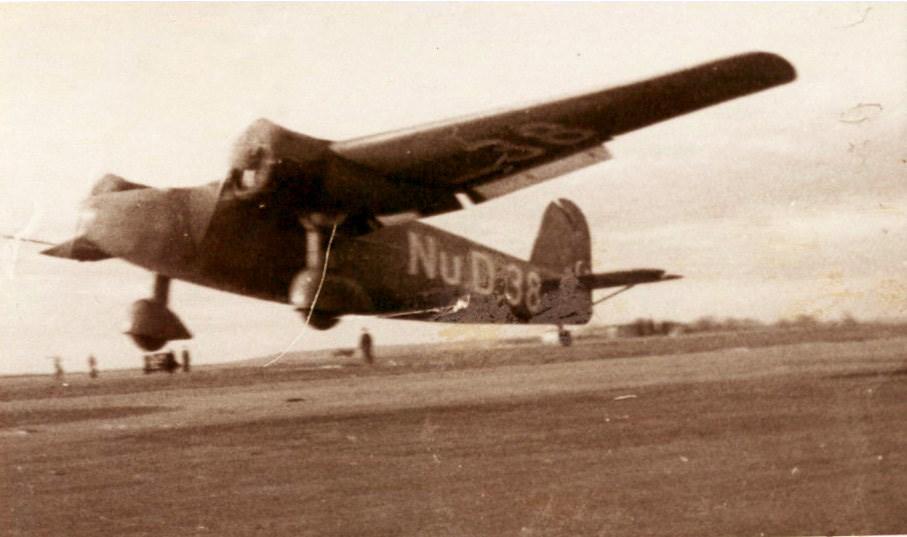
Nu. D-38: First Turkish Passenger Aircraft
Producer | Nuri Demirağ | ||||||||
|---|---|---|---|---|---|---|---|---|---|
First Flight | 1944-02-11 | ||||||||
Aircraft Type | Twin-engine, six-passenger aircraft | ||||||||
Material and Construction | Wooden fuselage, linen fabric covering, domestically produced | ||||||||
Designer | Selahattin Reşit Alan | ||||||||
First Mission | 26 May 1944 Istanbul Yeşilköy → Ankara Etimesgut | ||||||||
Engine Type | 2× Bramo Sh.14-A4, 160 hp | ||||||||
Capacity | 4 passengers + 2 pilots (total 6 people) | ||||||||
Length | 8.30 m | ||||||||
Wingspan | 13.56 m | ||||||||
Cruising Speed | 250 km/h | ||||||||
Range | 1000 km | ||||||||
Ceiling | 5500-6650 m | ||||||||
Endurance | 3.5 hours | ||||||||
Purpose of Use | Passenger aircraft (peacetime) Bomber aircraft (wartime) | ||||||||
Project End | Decommissioned in 1957 and the project was terminated. | ||||||||
Historical Significance | It is Türkiye's first indigenous twin-engine civilian passenger aircraft. | ||||||||
Nu.D-38 is the first Turkish aircraft designed and manufactured domestically in the 1930s for civilian passenger transport, featuring twin engines. Developed under the leadership of businessman and industrialist Nuri Demirağ, this aircraft is regarded not only as a technical achievement but also as one of the first strategic steps toward Türkiye’s industrial independence. The aircraft was planned and built in accordance with international aviation standards of its time.
On 26 May 1944, Nu.D-38 entered public discourse after completing a flight from Istanbul to Ankara. It is considered a significant project both from an engineering perspective and in light of the political and economic conditions of the era.
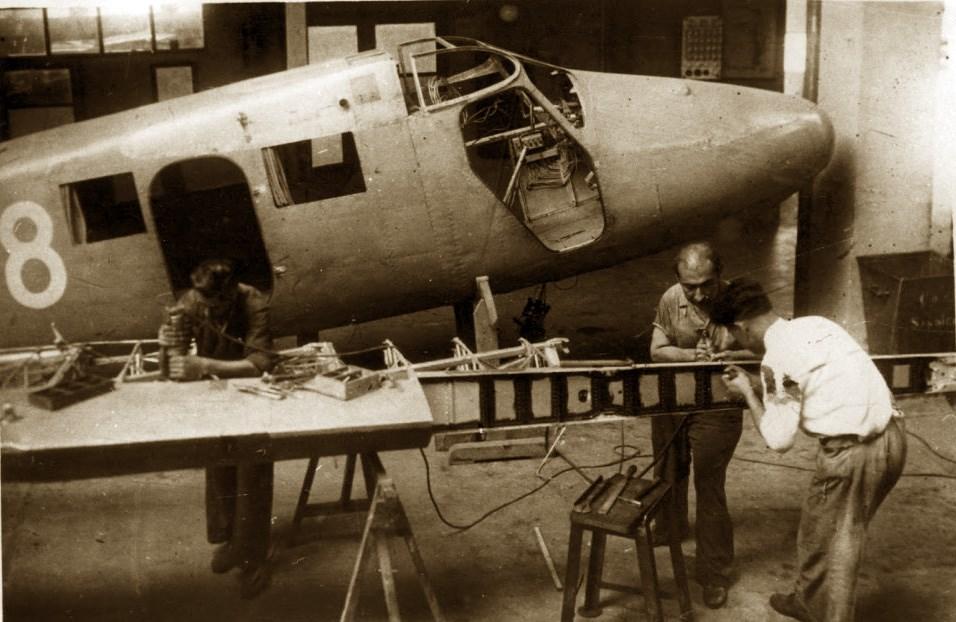
The production of the Nu.D-38 took place at the Yeşilköy Nuri Demirağ Aircraft Factory(TRT Haber)
In the 1930s, when Türkiye’s aviation industry was still in its early stages, Nuri Demirağ aimed to establish a domestic production model and founded an aircraft factory in Beşiktaş in 1936. With contributions from Turkish engineer Selahattin Reşit Alan, the Nu.D-36 trainer aircraft was first designed, followed by the Nu.D-38 passenger aircraft in 1938. Production initially began in Beşiktaş but was quickly moved to Yeşilköy, where an aircraft factory and Gök Okulu (Sky School) were established. All components of the Nu.D-38, except its engines, were manufactured in Türkiye.
The outbreak of the Second World War slowed progress due to the departure of some foreign technical personnel to their home countries and difficulties in securing raw materials. Nevertheless, despite all challenges, the Nu.D-38 was completed on the production line and prepared for test flights in early 1944.
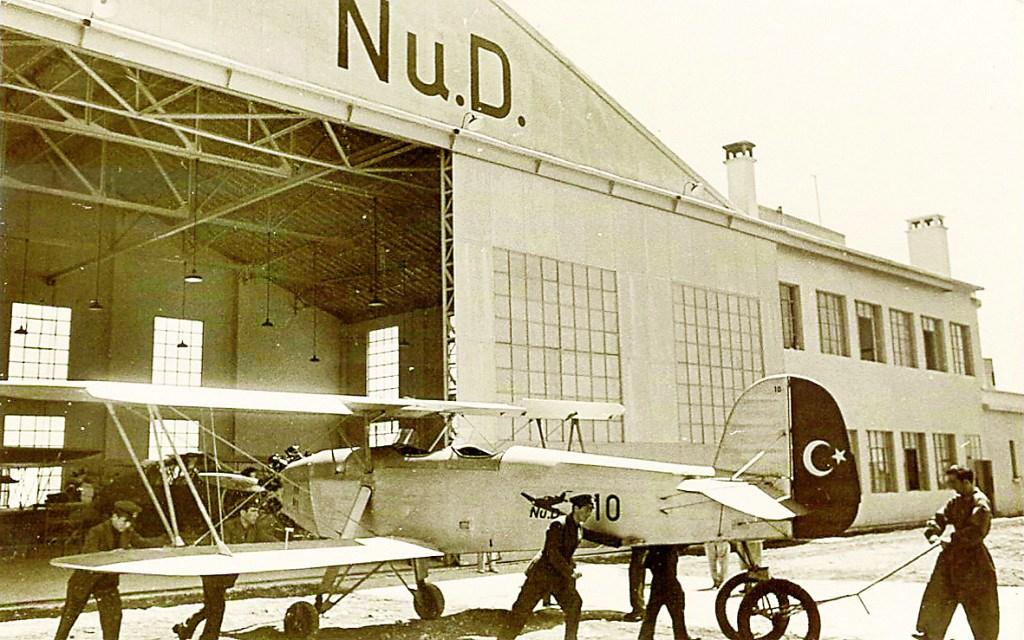
Yeşilköy Nuri Demirağ Aircraft Factory(Sivas Governorship)
The Nu.D-38 is a light passenger aircraft designed for civilian transport, featuring twin engines and a capacity for six passengers. Its design adhered to international aviation standards emerging in the late 1930s. The project was carried out at the aircraft factory established by Nuri Demirağ in Istanbul’s Beşiktaş and Yeşilköy districts.
The fuselage of the Nu.D-38 was entirely domestically produced using a wooden construction framework, with surfaces covered in linen fabric. The wings were also made of wood and reinforced internally with struts and connecting elements to enhance structural strength. This design ensured the aircraft had a lightweight and aerodynamic structure suitable for the conditions of the era.
The aircraft featured a total of six seats: four for passengers and two for pilots. The seats were upholstered in fabric, and the cabin interior incorporated linen and felt-like insulation materials for acoustic damping. Cabin windows provided passengers with external visibility. Lighting and ventilation systems were also installed. The aircraft was designed so that, if necessary, the seats could be quickly removed to convert it into a bomber aircraft.
The fixed landing gear of the Nu.D-38 featured shock-absorbing systems for its wheels. The tailwheel was also steerable. The fixed configuration provided mechanical simplicity and ease of maintenance, resulting in low operating costs.
The aircraft was equipped with two Bramo Sh 14A4 engines manufactured in Germany. Each engine produced 160 horsepower. These were seven-cylinder, air-cooled engines. The Bramo Sh 14A4 engines were particularly favored during this period for light aircraft due to their reliability and low maintenance requirements.
The Nu.D-38 featured a dual-control system, allowing both the pilot and co-pilot to operate the aircraft. This configuration offered advantages for both training and operational safety. The instrument panel was fitted with standard flight and engine control gauges of the period.
The Nu.D-38 was a passenger aircraft equipped with advanced technology for its time. Its technical specifications are as follows:
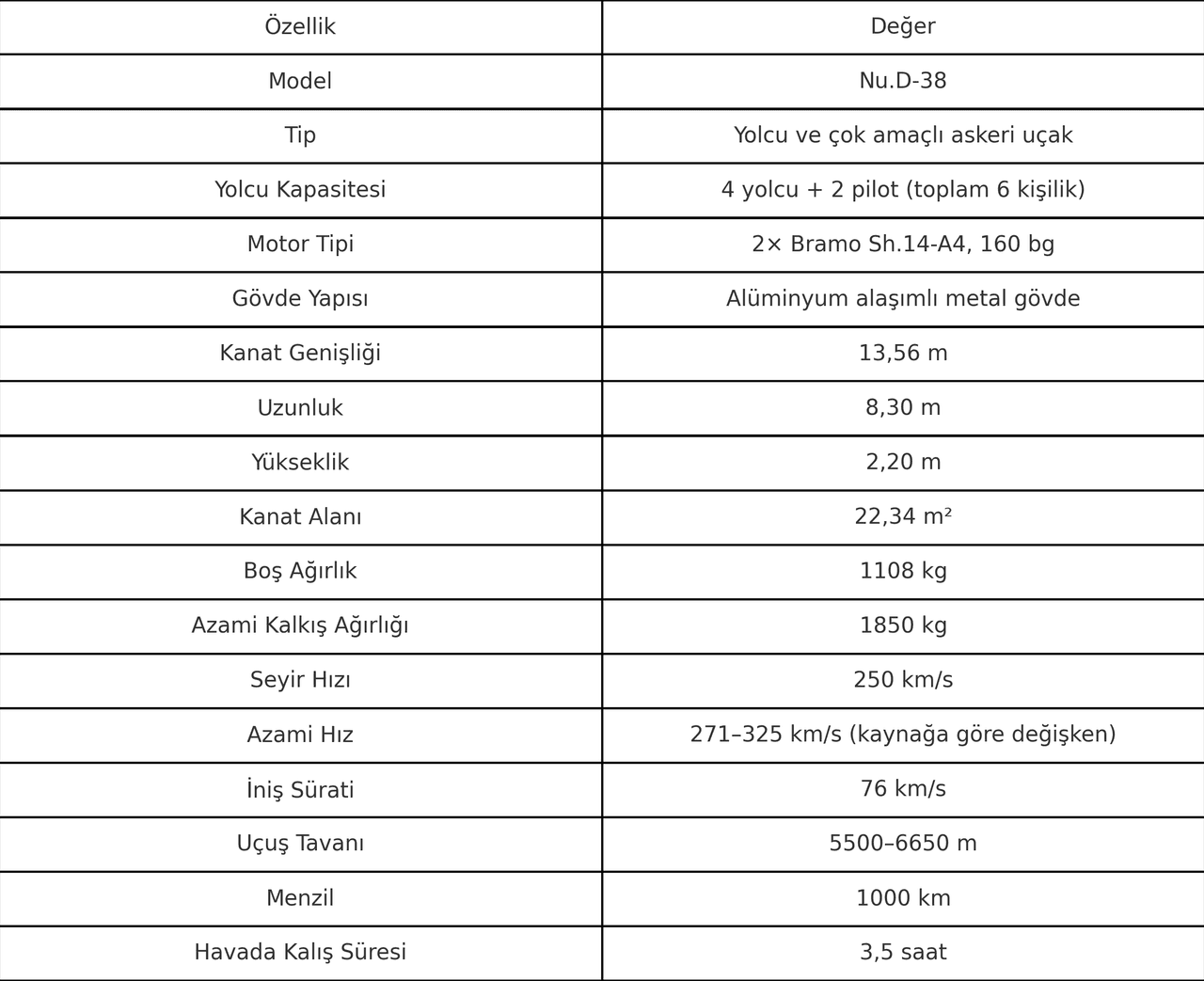
Technical details of the Nu.D-38 (generated by artificial intelligence)
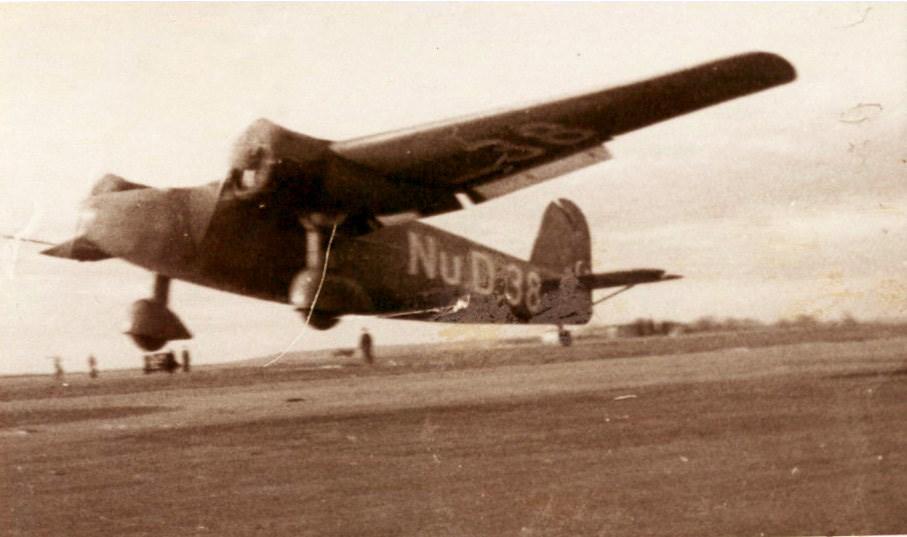
Nu.D-38 test flight(Sivas Governorship)
The first test flight of the Nu.D-38 was conducted on 11 February 1944 by pilots Basri Alev and Mehmet Altunbay. It received its flight certification from the Directorate General of Civil Aviation on 22 March 1944. On 26 May 1944, the Nu.D-38 took off from Istanbul’s Yeşilköy and successfully landed at Ankara’s Etimesgut Airfield after a flight lasting approximately one and a half hours. Onboard were Nuri Demirağ, Ziyat Ebuzziya, owner of the newspaper Tasvir-i Efkar, and Faruk Fenik, a reporter for the newspaper Vatan.
In the following weeks, the Nu.D-38 conducted promotional flights to various cities and countries including Bursa, İzmir, Kayseri, Sivas, Athens, and Thessaloniki. On 20 August 1944, it was exhibited at the İzmir Fair, where it was introduced under the name “Mehmetçik.”
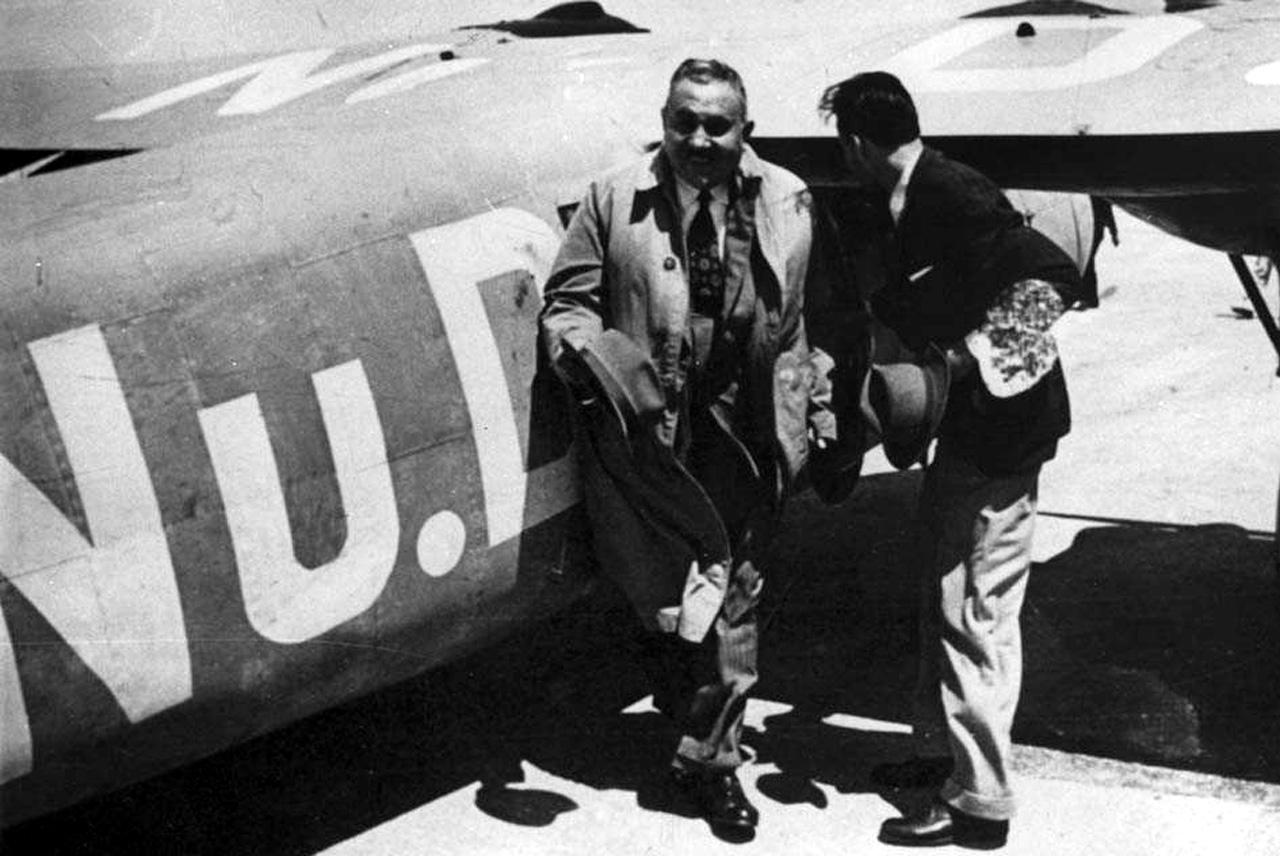
Nuri Demirağ and the Nu.D-38(TRT Haber)
The production of the Nu.D-38 is one of the earliest examples of Türkiye’s policy to develop a domestic and independent defense industry. Designed for both peacetime and wartime use, the aircraft offered multi-role capabilities. This development was closely monitored by leading aviation centers of the era in Germany, Britain, and the United States; the American Aircraft Manufacturers Association even sent observers to Türkiye.
However, these achievements could not be sustained due to resistance from certain institutions opposed to domestic production, rejected orders on technical pretexts, and external pressures. The Turkish Aeronautical Association refused to accept the aircraft for training purposes citing technical inadequacies, and laws were enacted to prohibit their export. As a result, the production line was shut down, and the Nu.D-38 remained a symbolic achievement.
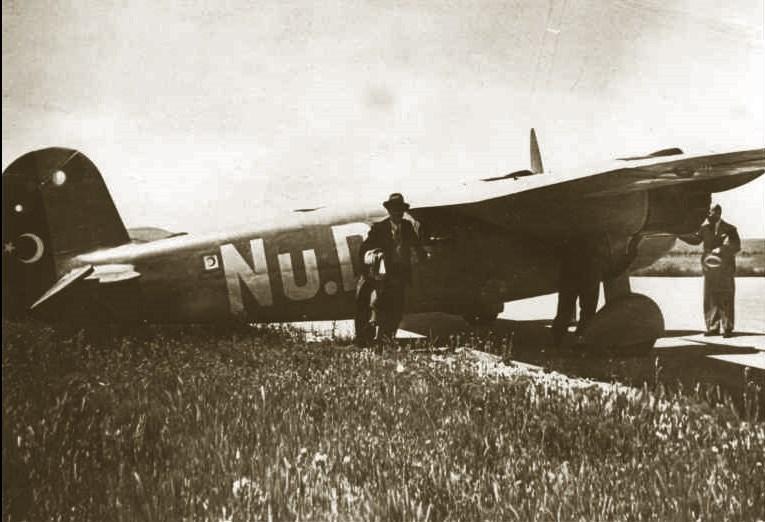
Nu.D-38 passenger aircraft at Ankara Etimesgut Airfield, 1942(Sivas Governorship)
In 1945, Nuri Demirağ entered politics, founded the National Development Party, and transitioned from industrialist to member of parliament. After his death in 1957, the Nu.D-38 was grounded and subsequently scrapped.
The Nu.D-38 is the product of Türkiye’s first serious industrial effort to establish a national aviation industry. It was developed in accordance with the technological capabilities of its time, through indigenous engineering and manufacturing efforts. The aircraft represented a tangible example of Türkiye’s potential for domestic production in both civil and military aviation. However, the project could not be sustained due to insufficient institutional and economic support.
Hava Haber. "Nu.D.38 Nedir, Hangi Ülkenin ve Kaç Kişilik? Nu.D.38 Yolcu Uçağı Özellikleri ve Üretim Tarihi." HavaHaber.com. Accessed May 19, 2025.https://havahaber.com/nu-d-38-nedir-hangi-ulkenin-ve-kac-kisilik-nu-d-38-yolcu-ucagi-ozellikleri-ve-uretim-tarihi/.
Kotan, Oya. "Havacılık ve Uzay Tarihimizin Kilometre Taşları." Uçak Teknisyenleri Derneği (UTED). Accessed May 19, 2025.https://www.uted.org/havacilik-ve-uzay--tarihimizin--kilometre-taslari.
Kılıç Ekici, Özlem. “Türk Havacılık Tarihine Kısa Bir Yolculuk.” TÜBİTAK Bilim ve Teknik Dergisi, October 2023. Accessed May 19, 2025.https://bilimteknik.tubitak.gov.tr/makale/turk-havacilik-tarihine-bir-yolculuk
Sivas Valiliği. "Nuri Demirağ." Sivas Valiliği Resmî Web Sitesi. Accessed May 19, 2025.http://www.sivas.gov.tr/nuri-demirag.
Uçak Teknisyenleri Derneği (UTED). "Nuri Demirağ Tayyare Fabrikası (1936–1943) (1)." UTED.org. Accessed May 19, 2025.https://www.uted.org/nur%C4%B1-dem%C4%B1ra%C4%9F-tayyare-fabr%C4%B1kas%C4%B1-1936%E2%80%931943-1-.
Yavuz, İsmail. “Demirağ’ın Uçakları 1936–1944.” *TÜBİTAK Bilim ve Teknik Dergisi* 46, no. 794 (2013): 64–68. Accessed May 19, 2025.https://services.tubitak.gov.tr/edergi/yazi.pdf?dergiKodu=4&cilt=46&sayi=794&sayfa=64&yaziid=34204
Çiftci, Mine. "İlk Yerli Uçak." TRT Haber. Accessed May 19, 2025.https://interaktif.trthaber.com/2018/ilk-yerli-ucak/.

Nu. D-38: First Turkish Passenger Aircraft
Producer | Nuri Demirağ | ||||||||
|---|---|---|---|---|---|---|---|---|---|
First Flight | 1944-02-11 | ||||||||
Aircraft Type | Twin-engine, six-passenger aircraft | ||||||||
Material and Construction | Wooden fuselage, linen fabric covering, domestically produced | ||||||||
Designer | Selahattin Reşit Alan | ||||||||
First Mission | 26 May 1944 Istanbul Yeşilköy → Ankara Etimesgut | ||||||||
Engine Type | 2× Bramo Sh.14-A4, 160 hp | ||||||||
Capacity | 4 passengers + 2 pilots (total 6 people) | ||||||||
Length | 8.30 m | ||||||||
Wingspan | 13.56 m | ||||||||
Cruising Speed | 250 km/h | ||||||||
Range | 1000 km | ||||||||
Ceiling | 5500-6650 m | ||||||||
Endurance | 3.5 hours | ||||||||
Purpose of Use | Passenger aircraft (peacetime) Bomber aircraft (wartime) | ||||||||
Project End | Decommissioned in 1957 and the project was terminated. | ||||||||
Historical Significance | It is Türkiye's first indigenous twin-engine civilian passenger aircraft. | ||||||||
No Discussion Added Yet
Start discussion for "Nu. D-38: First Turkish Passenger Aircraft" article
Development Process and Historical Context
Design and Technical Specifications
Airframe Structure and Materials
Passenger Cabin
Landing Gear
Engines and Power System
Cockpit and Control Systems
First Flight and Test Missions
Strategic, Industrial, and Political Dimensions
Decommissioning and Project Conclusion