


This article was automatically translated from the original Turkish version.
Network protocols are a set of rules responsible for data communication between various devices on a network. These protocols define the necessary guidelines and rules for transmitting and receiving data to ensure efficient and reliable communication.
A network protocol is a set of rules that govern data communication between different devices on a network. It determines what is to be transmitted how it is to be transmitted and when it is to be transmitted. It enables connected devices to communicate with each other regardless of internal or structural differences.
Understanding how devices communicate over a network by learning about network protocols is essential. The Open Systems Interconnection OSI model the most widely used model illustrates how computer systems interact over a network. The communication mechanism between two network devices is represented by seven distinct layers in the OSI model.
Each layer in the OSI model operates based on different network protocols. Each layer has one or more protocols for network communication. For example the Internet Protocol IP routes data by examining information such as source and destination addresses to enable connections between networks. It is known as a network layer protocol.
In most cases communication over a network such as the Internet uses the OSI model. The OSI model has a total of seven layers. Secure connections network management and network communication are the three primary functions performed by network protocols. The purpose of protocols is to connect different devices. Protocols are generally classified into three main categories:
1. Network Communication
2. Network Management
Communication protocols are fundamental building blocks of a network’s operation. They are so essential that having a computer network without them is impossible. These protocols formally define the rules and formats for data transfer. They address issues such as syntax semantics error detection synchronization and authentication. Below are some network communication protocols:
A layer 7 protocol designed to transfer hypertext between two or more systems. HTTP operates on a client-server model and most web-based data sharing is performed using HTTP.
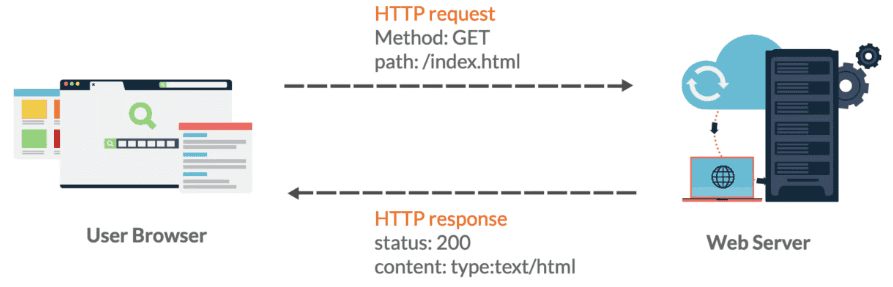
HTTP protocol operation (Source: geekflare.com)
TCP organizes reliable stream delivery using sequential acknowledgments. It is a connection-oriented protocol meaning it establishes a connection between applications before any data is sent. It is used for communication over a network and has many application areas such as email FTP media streaming and others.
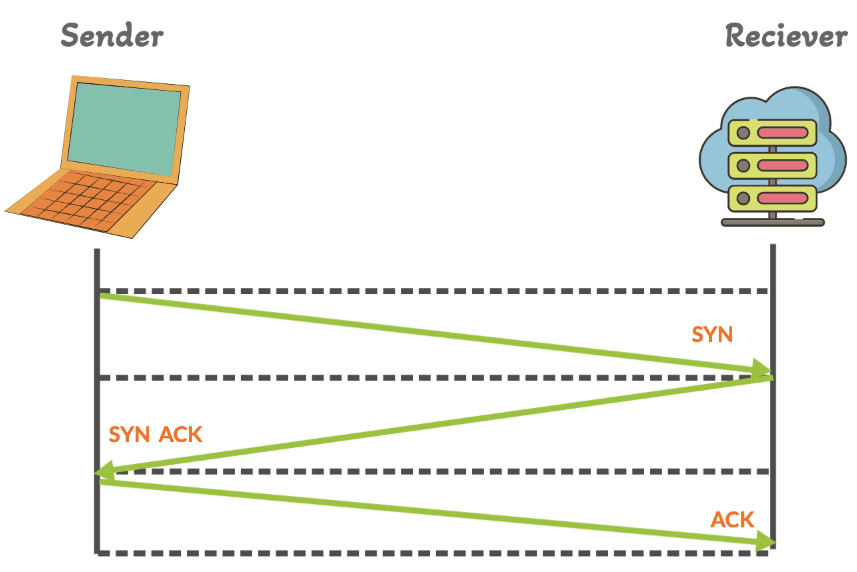
TCP Protocol Operation (Source: geekflare.com)
A connectionless protocol that provides a basic but unreliable message service. It does not add functions such as flow control reliability or error recovery. UDP is functional in situations where reliability is not required. It is used when faster transmission is desired such as for multicast and broadcast connections.
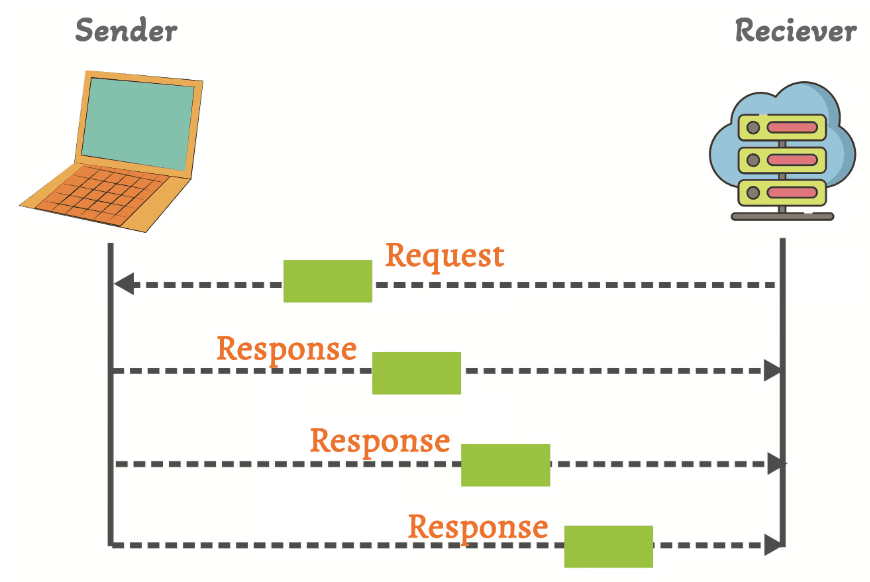
UDP Protocol Operation (Source: geekflare.com)
BGP is a routing protocol that controls how packets pass from router to router within one or more autonomous systems operated by a single organization and how they connect to different networks. It connects the endpoints of a LAN to other LANs and also links endpoints across different LANs.
ARP is a protocol that helps map logical addresses to accepted physical addresses on a local network. A table known as the ARP cache is used to establish a mapping and correlation between these logical and physical addresses.
A protocol used to send data from one host to another over the internet. It is used for addressing and routing data packets so they can reach their destinations.
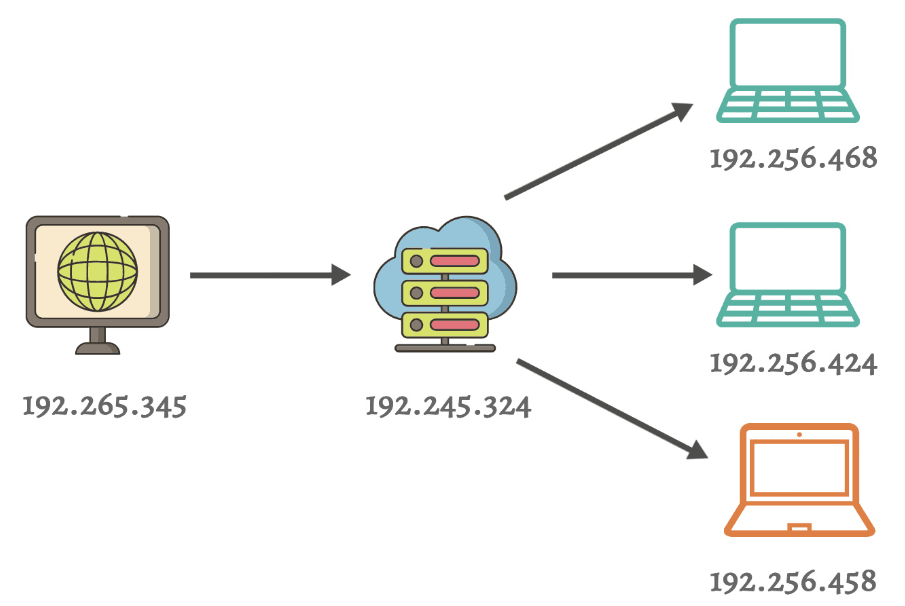
IP Protocol Operation (Source: geekflare.com)
A protocol for network management used to automate the configuration process for devices on IP networks. A DHCP server automatically assigns IP addresses and various other configuration settings to devices on a network enabling them to communicate with other IP networks. It also allows devices to use NTP DNS or any other TCP or UDP based protocol service.
These protocols assist in defining procedures and policies for monitoring maintaining and managing computer networks and help transmit these requirements over the network to ensure stable communication. Network management protocols can also be used to troubleshoot connections between a host and a client.
A layer 3 protocol used by network devices to transmit operational information and error messages. ICMP is used to report congestion network errors diagnostic purposes and timeouts.
A layer 7 protocol used to manage nodes in an IP network. The SNMP protocol has three main components: the SNMP agent the SNMP manager and the managed device. The SNMP agent has local information about management details and converts them into a compatible format for the SNMP manager. The manager presents data obtained from SNMP agents to help monitor and resolve network faults and performance issues.
A type of file retrieval protocol that allows downloadable files to be provided with some descriptions for easy management retrieval and searching. All files are organized hierarchically on a remote computer. Gopher is an old protocol and is rarely used today.
FTP is a client-server protocol used to transfer files to or from a host computer. It enables users to download files programs web pages and other resources available on services.
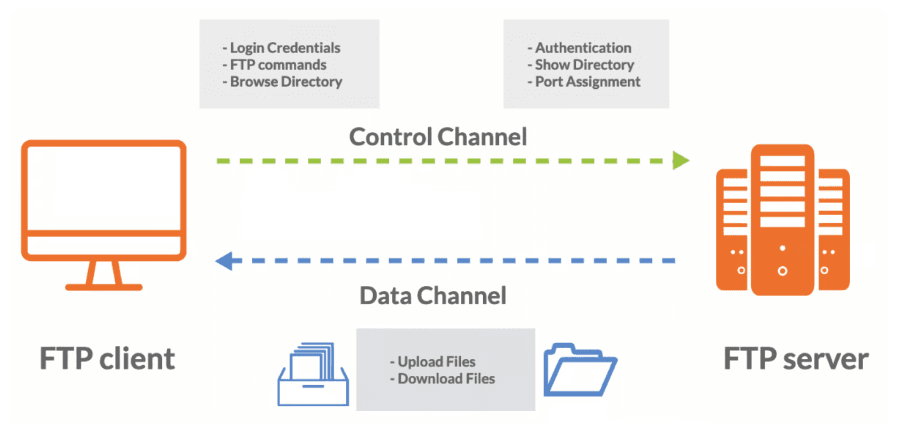
FTP Protocol Operation (Source: geekflare.com)
A protocol used by a local mail client to retrieve email messages from a remote email server over a TCP/IP connection. ISPs also use the POP3 protocol to store and retrieve emails for their users. Eventually these users will use email client software to view their mailboxes on the remote server and download their emails. After the email client downloads the messages they are typically deleted from the server.
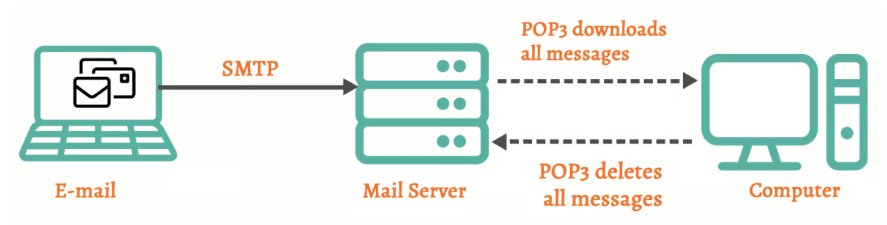
POP3 Protocol Operation (Source: geekflare.com)
A protocol that allows a user to connect to and use a remote computer program that is designed for remote access. Telnet establishes a connection between a host and a remote endpoint to activate a remote session.
These protocols ensure the security of data transmitted over a network. They also determine how the network protects data against attempts by unauthorized individuals to extract or examine it. These protocols prevent any unauthorized device user or service from accessing network data. These protocols rely on encryption to secure data.
A network security protocol primarily used to protect sensitive data and secure internet connections. SSL allows communication both from server to server and from client to server. All data transmitted through SSL is encrypted preventing unauthorized individuals from accessing it.
It is the secure version of HTTP. This protocol ensures secure communication between two computers where one sends a request through a browser and the other receives data from a web server.
A security protocol designed for data security and privacy on the internet. Its functionality includes encryption verifying data integrity to detect tampering and authentication. It is commonly used for encrypted communication between servers and web applications such as a web browser loading a website. It can also be used to encrypt messages emails and VoIP.
Geekflare. "All Common Network Protocols Explained." (2025).Accessed Adresi.
Geeksforgeeks. "Types of Network Protocols and Their Uses." (2024).Accessed Adresi.
Privia Security. "Ağ İletişim Protokolleri ve Portlar." (2021).Accessed Adresi.
SolarWinds. "What are Network Protocols?"

Types of Network Protocols
Network Communication
Hypertext Transfer Protocol - HTTP
Transmission Control Protocol - TCP
User Datagram Protocol - UDP
Border Gateway Protocol - BGP
Address Resolution Protocol - ARP
Internet Protocol - IP
Dynamic Host Configuration Protocol - DHCP
Network Management
Internet Control Message Protocol - ICMP
Simple Network Management Protocol - SNMP
Gopher
File Transfer Protocol - FTP
Post Office Protocol - POP3
Telnet
Network Security
Secure Socket Layer - SSL
Hypertext Transfer Protocol - HTTPS
Transport Layer Security - TLS