

 Recently Added:
This article was automatically translated from the original Turkish version.
Arctic Sentry is a multinational security mission launched by NATO on 11 February 2026 with the aim of coordinating allied military activities in the Arctic and High North under a single command structure strengthening the presence in the region and enhancing deterrence and collective defense capabilities.
The Arctic and High North region is one of the geographic areas addressed within NATO’s deterrence and defense policies. Within the alliance’s official security framework the Arctic is defined as a strategically important area for the protection of allied territories and the fulfillment of collective defense obligations. It has been noted that the security environment in the region has changed with increased military mobility and a diversification of operational domains.
The Arctic region is a security area where allied air maritime and ground forces operate. NATO’s current defense plans are structured to cover the northern flank. Arctic security is not treated as a separate operational theater but as an integrated component of the existing defense architecture. Within this framework the alliance’s command structures have been organized to coordinate activities in the Arctic.
On 11 February 2026 NATO announced the launch of the Arctic Sentry mission. The mission was established to enhance coordination of activities in the Arctic region and strengthen allied presence. The announcement clarified that the mission is not a new or independent military operation but aims to consolidate existing activities under a single command structure.
Coordination of the mission is carried out by the Joint Force Command Norfolk in Norfolk Virginia United States. This command structure ensures the integrated planning of activities in the Atlantic and Arctic security areas. Arctic Sentry is structured as a coordination mechanism for implementing existing defense plans.
The launch of the mission occurred amid ongoing increases in military activity and regional security debates in the Arctic. Statements emphasized the goal of conducting allied activities in the region in a more systematic manner.
The Arctic Sentry mission encompasses the coordination of air patrols maritime assets ground force operations and intelligence sharing mechanisms within a unified command framework. The mission ensures the synchronization of national and multinational activities conducted in the Arctic and High North region. This structure aims to integrate existing military capabilities.
Activities under the mission include airspace surveillance maritime patrols and exercise planning. These elements are organized within NATO’s existing command chain. Exercises and patrols conducted in the Arctic are supported by joint planning and information-sharing mechanisms.
Operationally the mission also includes logistical coordination and planning of military movements. Force deployments have been planned with consideration of the region’s harsh climatic conditions and geographic challenges. This structure reinforces the role of Arctic security within NATO’s defense plans.
Various allied nations have contributed military assets to the mission. Sweden has announced that it will deploy JAS 39 Gripen fighter aircraft to conduct patrols over the airspace around Iceland and Greenland. This deployment is carried out within the framework of NATO air surveillance operations.
Germany has indicated that it will contribute Eurofighter aircraft and support elements to the first phase of the mission. The United Kingdom has announced that it will increase its military presence in Norway and strengthen deployments in the region. These force elements operate under the coordination of NATO’s command structure.
Military arrangements aim to raise the readiness level of allied forces in the Arctic. Coordination of air maritime and ground assets has been planned under the Arctic Sentry mission. These deployments are designed to implement existing defense plans.
The Arctic Sentry mission was announced within the framework of NATO’s collective defense approach. Statements emphasized the goal of enhancing coordination among allied nations. It was stated that the Arctic region is an integral part of NATO’s defense plans.
The announcement of the mission coincided with an ongoing period of security debates in the Arctic. It was noted that the alliance has taken an institutional step to strengthen regional security. Within this context Arctic Sentry has been positioned within existing defense structures.
Politically the mission was presented as an expression of a common approach by allied nations toward Arctic security. This approach includes the application of collective defense obligations on the northern flank.
NATO’s published documents address Arctic security within the framework of deterrence and collective defense. The alliance has emphasized the importance of the Arctic region for the defense of allied territories. Within this framework Arctic Sentry is defined as a component of the existing defense architecture.
The mission is structured as an institutional mechanism that enables the conduct of Arctic activities under a single command structure. This structure covers the coordination of air maritime and ground assets. Arctic security is integrated into NATO’s deterrence and defense concept.
Arctic Sentry has been implemented as a coordination initiative to apply NATO’s defense plans on the northern flank. This initiative ensures the integration of existing military activities in the Arctic region.
Anadolu Ajansı. “NATO’nun Arktik Bölgesindeki Varlığını Güçlendirecek ‘Arktik Nöbeti’ Misyonu Başlatıldı.” February 11, 2026. Accessed February 12, 2026. https://www.aa.com.tr/tr/dunya/natonun-arktik-bolgesindeki-varligini-guclendirecek-arktik-nobeti-misyonu-baslatildi/3827060
Deutsche Welle (DW). "NATO Begins Arctic Sentry Mission to Secure Region". Accessed February 12, 2026. https://www.dw.com/en/nato-begins-arctic-sentry-mission-to-secure-region/a-75912376
NATO. “Arctic Security.” NATO. Accessed February 12, 2026. https://www.nato.int/en/what-we-do/deterrence-and-defence/arctic-security
NBC News. "NATO launches Arctic Sentry military effort in seeking to move on from Greenland dispute." Accessed February 12, 2026. https://www.nbcnews.com/world/europe/nato-launches-arctic-sentry-military-effort-greenland-dispute-rcna258686
Reuters. “NATO Launches Arctic Sentry Mission to Ease Tension over Trump’s Greenland Push.” February 11, 2026. Accessed February 12, 2026. https://www.reuters.com/world/europe/nato-has-begun-arctic-sentry-mission-strengthen-its-presence-arctic-2026-02-11/

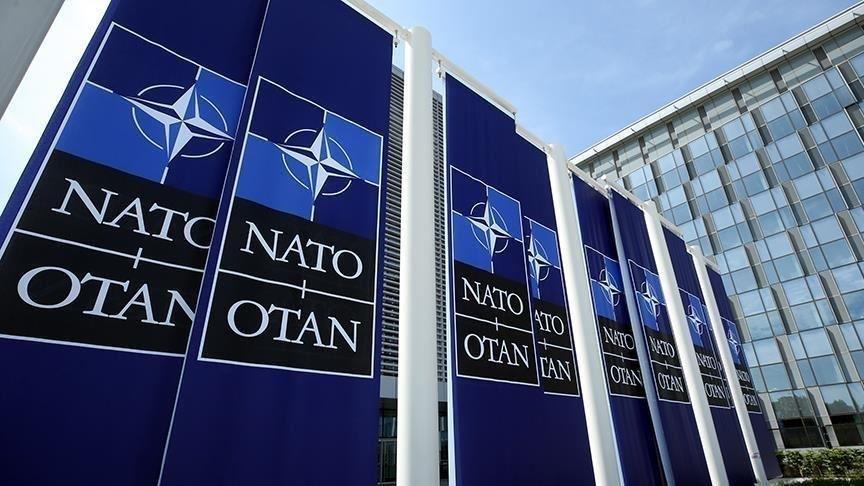
NATO launched the "Arctic Sentry" mission to strengthen its military and security presence in the Arctic region.
No Discussion Added Yet
Start discussion for "NATO's "Arctic Guard" mission" article
February 12, 2026
Announcement and Launch of the Mission 11 February 2026
February 12, 2026
Technical Dimension: Operational Structure and Integration
February 12, 2026
Military Dimension: Participation and Force Deployments
February 12, 2026
Political Dimension: Alliance Policy and Regional Context
February 12, 2026
Conceptual Framework: Deterrence and Collective Defense Mechanism