

+2 More

Michael Faraday
Born | 1791-09-22 | ||||||||
|---|---|---|---|---|---|---|---|---|---|
Die | 1867-08-25 | ||||||||
Research Topics | Electrolysis Electrochemical Electric Motor Electromagnetism Electric Generator Electromagnetic Induction | ||||||||
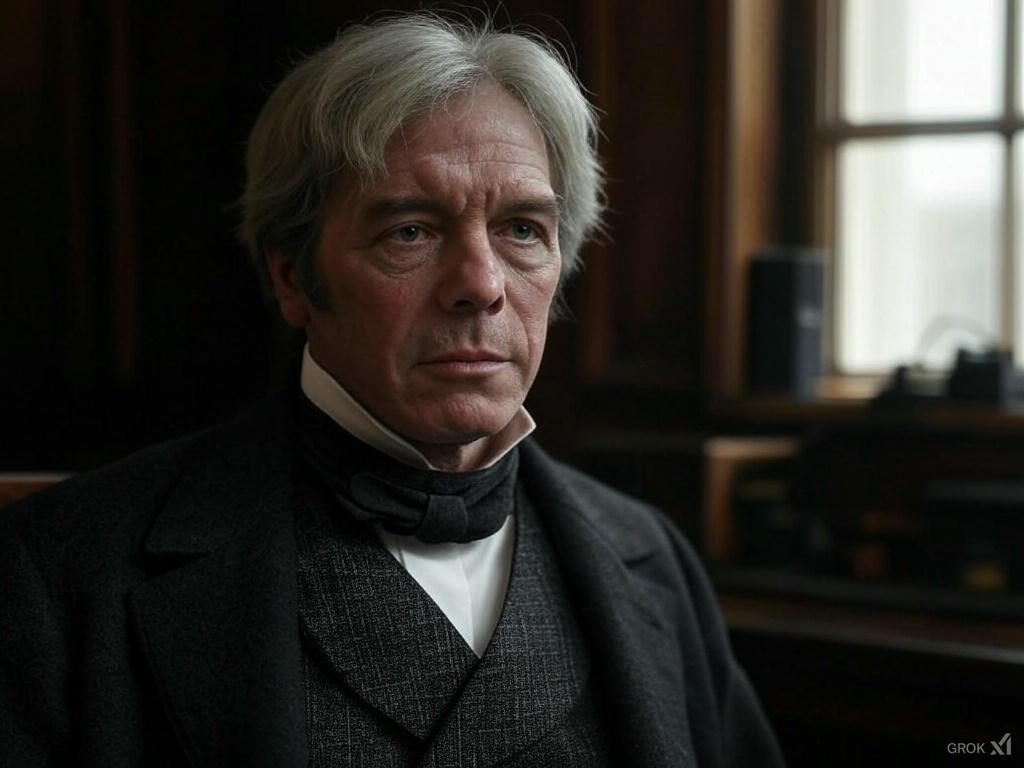
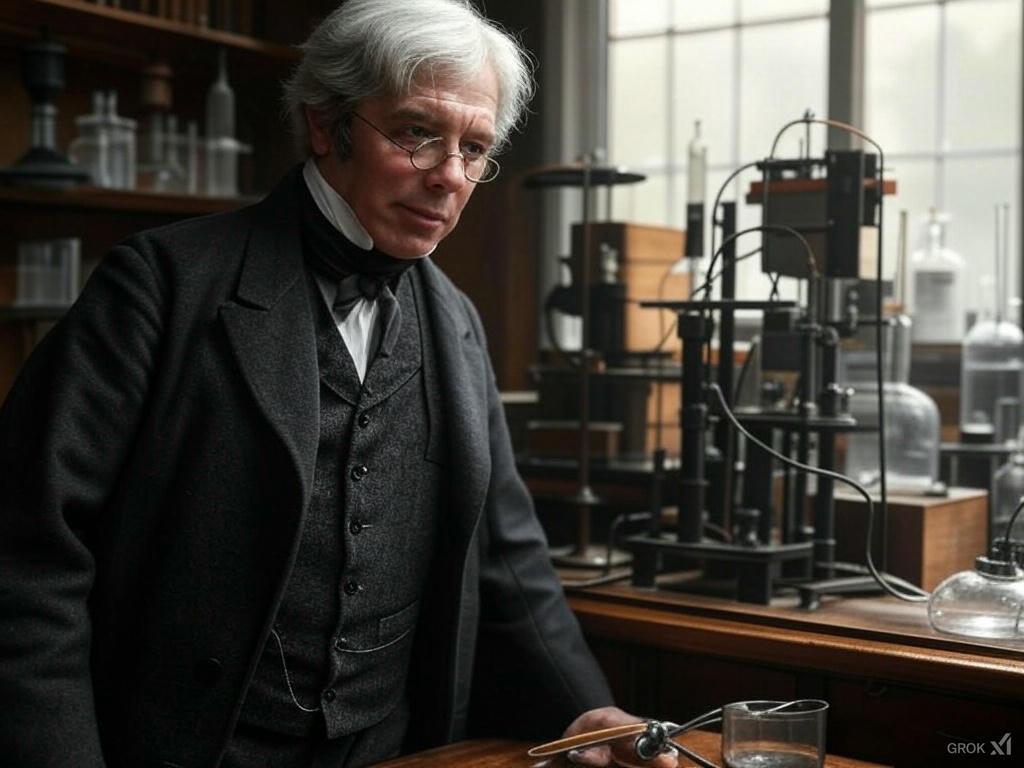
Michael Faraday (1791–1867) was a scientist who made significant contributions to modern science through his work in electromagnetic induction, electrochemistry, and magnetism. His discoveries laid the foundation for the development of electric motors and generators, playing a key role in the advancement of modern technology. Faraday's laws of electrolysis systematically clarified the relationship between electricity and chemistry. Additionally, his discovery of the connection between light and magnetism helped establish the foundations of electromagnetic theory.
Michael Faraday was born on September 22, 1791, in London into a poor family. Due to financial constraints, his formal education was limited, and he began working as an apprentice to a bookbinder at a young age. During this time, he educated himself by reading the science books that came into his hands. The “Electricity” section of the Encyclopaedia Britannica and Jane Marcet’s Conversations on Chemistry further sparked his interest in science.
Faraday attended gatherings such as the City Philosophical Society in London, where young science enthusiasts met, and he made connections in the scientific world. While working in the bookbinding business, a customer gave him tickets to lectures given by the famous chemist Sir Humphry Davy at the Royal Institution. Faraday attended these lectures with great attention, taking detailed notes which he then bound and presented to Davy.
Recognizing Faraday’s talent, Davy hired him as an assistant in 1813. One of Faraday’s first assignments was to accompany Davy and his wife on a European tour. While sometimes acting as a personal servant to Lady Davy, Faraday had the opportunity to engage in experimental work. Upon returning to England, Faraday continued his work at the Royal Institution, performing experiments as a laboratory assistant. In 1825, after Davy's health declined, Faraday assumed his duties in the laboratory.
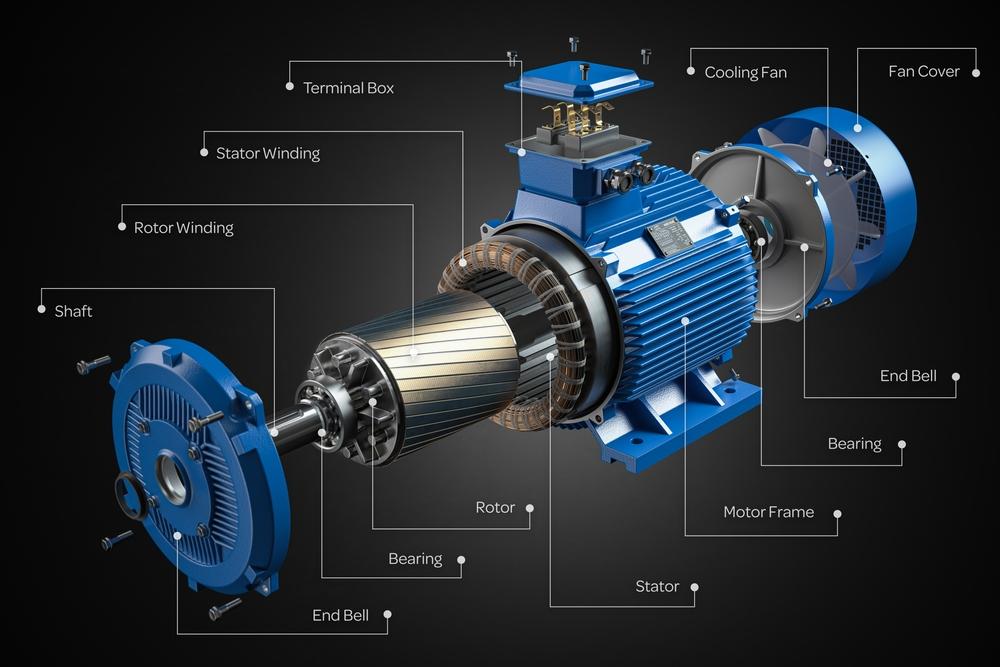
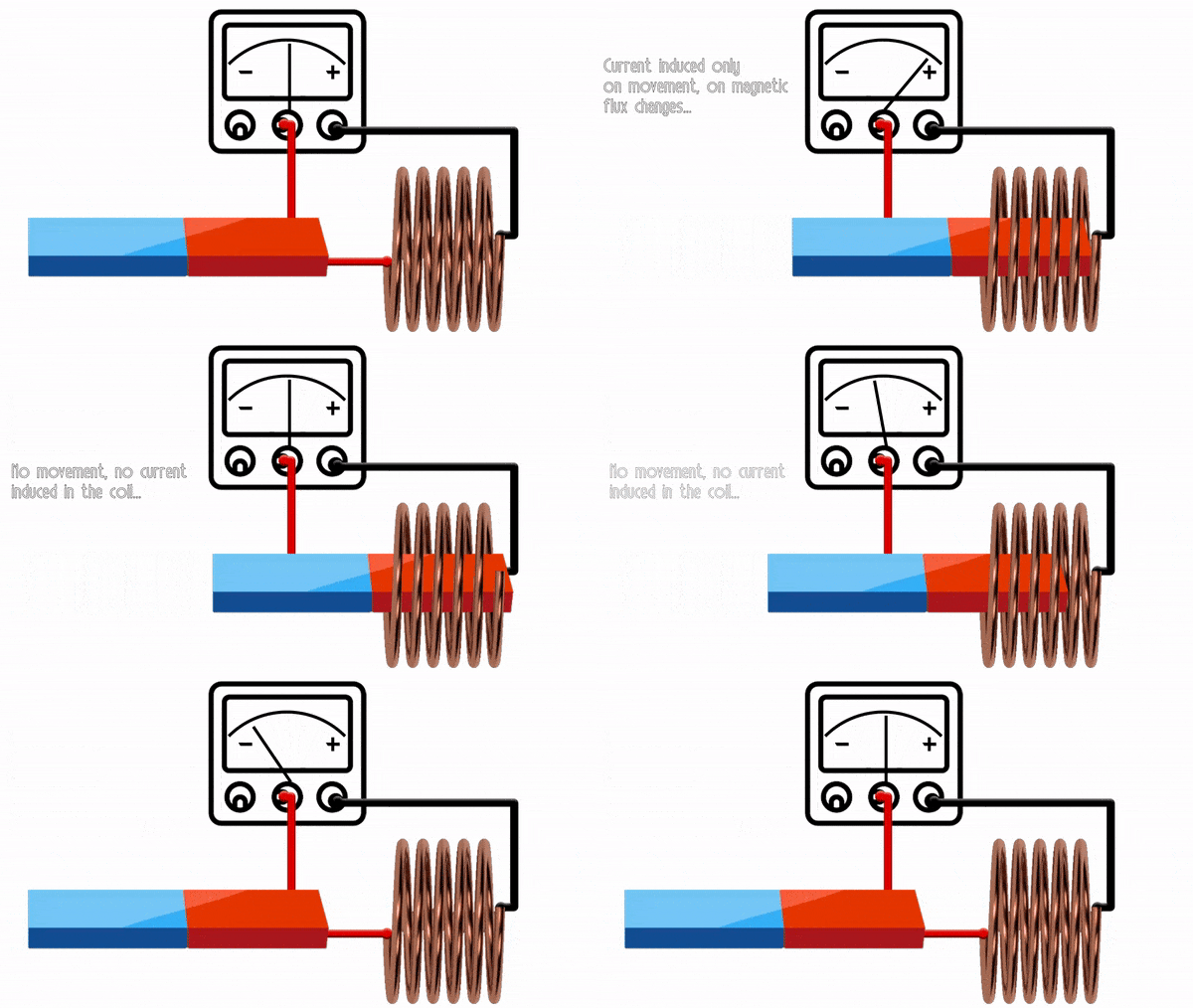
Scientific Legacy and Later Years Faraday was respected not only for his discoveries but also for his humble and kind character. His health began to decline in the 1850s, and he passed away in 1867. However, his discoveries formed the foundation for 21st-century electronics, magnetism, and electrochemistry, continuing to contribute to the development of modern technology.
Science History Institute. "Michael Faraday." Erişim 23 Şubat 2025. https://www.sciencehistory.org/education/scientific-biographies/michael-faraday/.
Gladstone, John Hall. Michael Faraday. Cambridge: Cambridge University Press, 2014. ISBN 978-1-107-26225-6.
The Faraday Institution. "Michael Faraday." Erişim 23 Şubat 2025. https://www.faraday.cam.ac.uk/about/michael-faraday/.
Jenkins, Alice, ed. Michael Faraday's Mental Exercises. doi:10.5949/upo9781846313554, 2009.
U.S. Energy Information Administration (EIA). "Michael Faraday." Erişim 23 Şubat 2025. https://www.eia.gov/kids/history-of-energy/famous-people/faraday.php.

Michael Faraday
Born | 1791-09-22 | ||||||||
|---|---|---|---|---|---|---|---|---|---|
Die | 1867-08-25 | ||||||||
Research Topics | Electrolysis Electrochemical Electric Motor Electromagnetism Electric Generator Electromagnetic Induction | ||||||||
Early Life and Work with Humphry Davy
Scientific Work and Discoveries
Chemical Research
Electrical and Electrochemical Work
Magnetism and Light
Awards and Honors
This article was created with the support of artificial intelligence.