


This article was automatically translated from the original Turkish version.
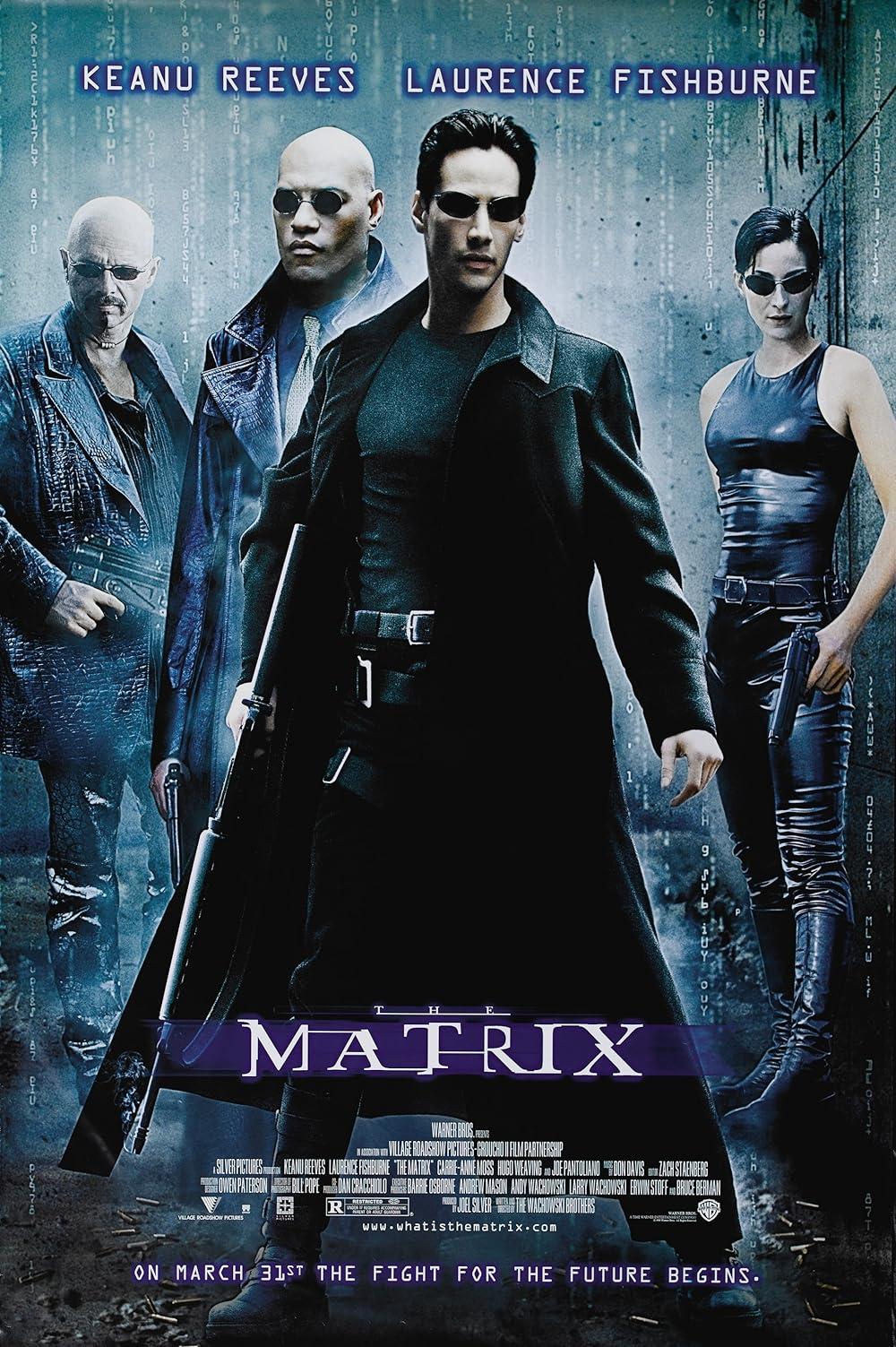
Matrix
Director | Lilly Wachowski Lana Wachowski | ||||||||
|---|---|---|---|---|---|---|---|---|---|
Screenplay | Lilly Wachowski Lana Wachowski | ||||||||
Genre | Action Science Fiction | ||||||||
Production Year | 1999 | ||||||||
Duration | 136 minutes | ||||||||
IMDb Rating | 8.7 | ||||||||
Actor | Keanu Reeves (Neo / Thomas Anderson) Laurence Fishburne (Morpheus) Carrie-Anne Moss (Trinity) Hugo Weaving (Agent Smith) Joe Pantoliano (Cypher) | ||||||||
Directed by the Wachowskis, The Matrix explores a dystopian future in which humanity lives within a virtual reality known as the Matrix. Thomas Anderson (Keanu Reeves) is a software engineer by day and a hacker known as Neo by night. While questioning the nature of reality, Neo meets the enigmatic Morpheus (Laurence Fishburne) and Trinity (Carrie-Anne Moss). Morpheus reveals to him that humanity is controlled by artificial intelligence and that humans are kept alive within a simulation called the Matrix, severed from the real world.
Under Morpheus’s leadership, the rebels see Neo as their savior. As Neo confronts the reality of his existence, he embarks on a journey of self-discovery, reshaping not only his own identity but also the future of humanity.
The Matrix interrogates the concept of reality from philosophical and scientific perspectives. Influenced by Jean Baudrillard’s theory of simulation, the Wachowskis emphasize the blurring of boundaries between the real and the virtual world.
Neo’s story examines the conflict between fate and free will. The film debates humanity’s potential to choose and control their own reality, delving deeply into the characters’ attitudes toward destiny.
The film investigates the threats and ethical dilemmas posed by artificial intelligence technology. It focuses on the transformation of the technology-human relationship, as humans become enslaved by the very technology they created.
The character of Neo is inspired by classical mythological narratives. The film supports Neo’s messianic journey and transformation with philosophical and theological motifs.
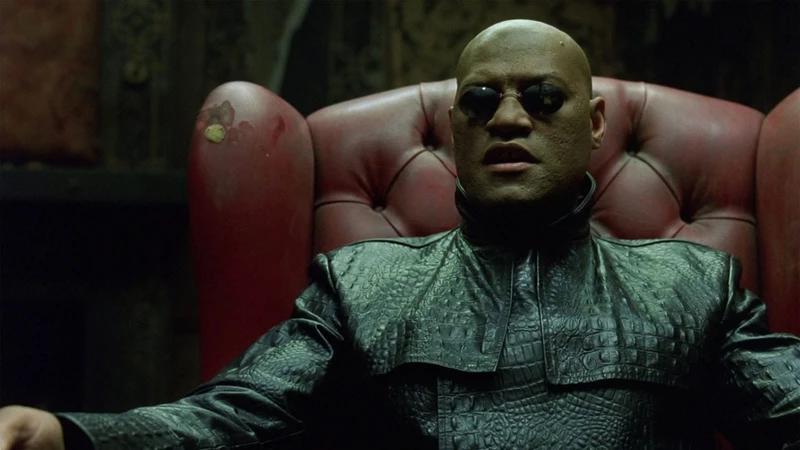
Matrix filminde Morpheus karakteri -MUBI
The Wachowskis developed groundbreaking special effects techniques and a new filming method known as “bullet time” for the film. The action sequences were created through a fusion of computer technology and traditional martial arts choreography.
The film was shot on large-scale sets in Sydney, Australia, and significant investment was made in visual effects during post-production. As a result, it was recognized as revolutionary within the science fiction and action genres.
Keanu Reeves effectively contributes to the film’s dramatic structure by portraying Neo’s introspective and uncertain demeanor. Laurence Fishburne strengthens the film’s philosophical depth with a powerful performance as Morpheus, capturing the character’s wise and mysterious leadership. Carrie-Anne Moss convincingly embodies Trinity’s strength, independence, and warrior spirit. Hugo Weaving creates an unforgettable character as Agent Smith, portraying a cold and menacing antagonist.
The Matrix is a film that transformed science fiction cinema at the end of the 1990s and had a major cultural impact. It revolutionized special effects techniques in cinema and became a source of inspiration for many subsequent films. It also holds profound philosophical and sociological significance, having been the subject of numerous academic articles and analyses.
Altyazı Dergisi. "Matrix Serisini Hatırlamak: Sinemada Devrimin Yirminci Yılı." Accessed March 24, 2025.
Beyazperde. "Matrix (1999)." Accessed March 24, 2025.https://www.beyazperde.com/filmler/film-2424
DergiPark. "Matrix Filmi Üzerine Bir Değerlendirme." Accessed March 24, 2025.
DergiPark. "Matrix: Postmodern Bir Yaklaşım." Accessed March 24, 2025.
IMDb. "The Matrix (1999)." Accessed March 24, 2025.https://www.imdb.com/title/tt0133093
Oscars Fandom. *The Matrix.* Accessed March 24, 2025.https://oscars.fandom.com/wiki/The_Matrix
Roger Ebert. "The Matrix (1999)." Accessed March 24, 2025.https://www.rogerebert.com/reviews/the-matrix-1999

Matrix
Director | Lilly Wachowski Lana Wachowski | ||||||||
|---|---|---|---|---|---|---|---|---|---|
Screenplay | Lilly Wachowski Lana Wachowski | ||||||||
Genre | Action Science Fiction | ||||||||
Production Year | 1999 | ||||||||
Duration | 136 minutes | ||||||||
IMDb Rating | 8.7 | ||||||||
Actor | Keanu Reeves (Neo / Thomas Anderson) Laurence Fishburne (Morpheus) Carrie-Anne Moss (Trinity) Hugo Weaving (Agent Smith) Joe Pantoliano (Cypher) | ||||||||
Themes and Analysis
Perception of Reality and Simulation
Freedom and Fate
Technology and Artificial Intelligence
The Messiah Figure and the Savior Motif
Production Process and Technical Features
Performances
Awards and Nominations
Academy Awards (Oscars, 2000)
Won:
Nominations:
Other Awards