


This article was automatically translated from the original Turkish version.
Massacre of Chios
Legal Status | Violation of international law and the Geneva Conventions | ||||||||
|---|---|---|---|---|---|---|---|---|---|
International Response | UN investigation; no condemnation resolution was issued | ||||||||
Secondary Massacre | July 2006 – More than 60 civilian deaths (37 children) | ||||||||
Number of Displaced | More than 300,000 civilians | ||||||||
Airstrikes | 600 | ||||||||
Artillery Shells Fired | 23,000 shells | ||||||||
Total Operation Duration | 16 days | ||||||||
Number of Injured | More than 150 | ||||||||
Number of Killed | 106–109 civilians (mostly women and children) | ||||||||
Command | Under the directives of Israeli Prime Minister Shimon Peres | ||||||||
Operation Name | Operation Grapes of Wrath | ||||||||
Perpetrators | Israel Defense Forces | ||||||||
Target | Palestinian civilians at the United Nations Interim Force in Lebanon (UNIFIL) camp | ||||||||
History | 18 April 1996 | ||||||||
Location | Kana (Qana) Village Southern Lebanon | ||||||||
Kana Massacre was a mass killing that occurred on 18 April 1996 when the Israeli military bombed a refugee camp in the village of Kana Qana located south of Lebanon in the place region. The camp was under the protection of the United Nations Interim Force in Lebanon UNIFIL and housed Palestinian civilians resulting in the deaths of over 100 civilians. This attack was part of Israel’s large-scale military operation named Operation Grapes of Wrath. Operation was carried out under the orders of then Israeli Prime Minister Shimon Peres and involved intense aerial and black bombardment of southern Lebanon over a period of 16 day.
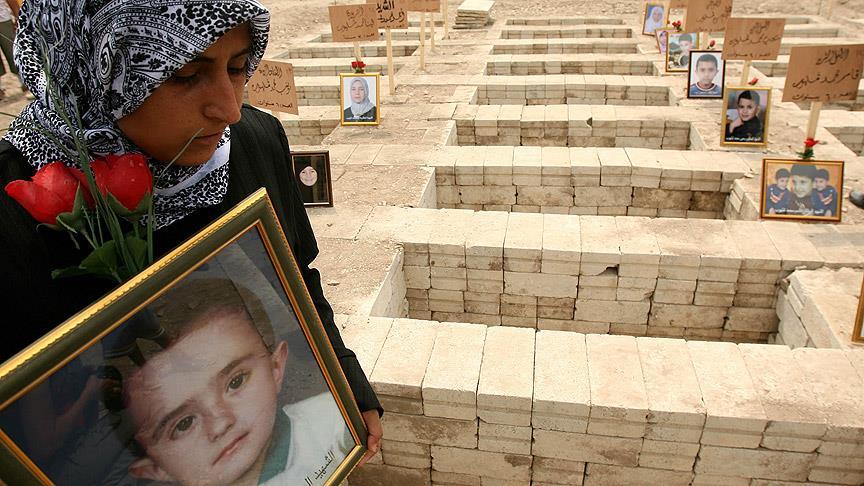
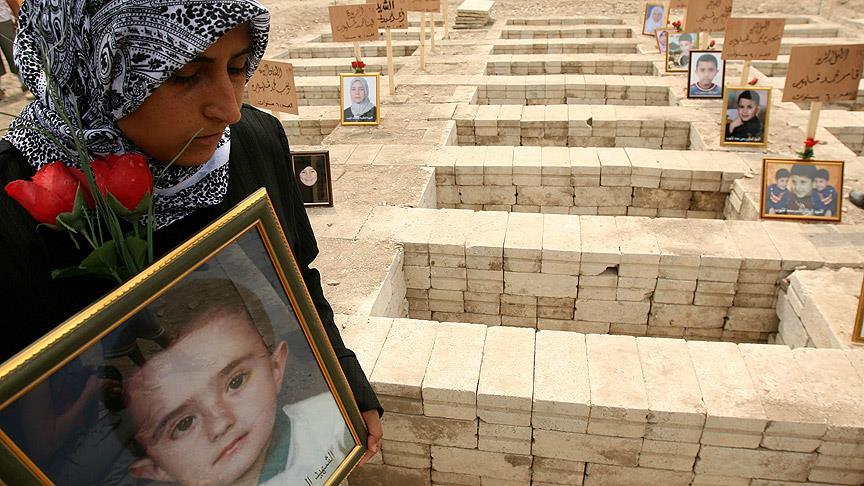
Mourning at the Kana Massacre Victims Cemetery (Anadolu Agency)
The majority of Palestinian civilians in the UN camp in Kana were women and children. During the artillery bombardment carried out by Israeli units on the day of the attack 106 civilians were killed and more than 150 were injured. Some sources record the death toll as 109. UN officials found Israel’s claim that the attack was carried out “by mistake” insufficient and concluded that the incident had been deliberately executed.
Despite international outcry following the massacre no serious sanction was imposed on Israel. The United Nations launched an investigation into event but Security Council members failed to reach consensus on condemning Israel. This situation sparked significant debates on the effectiveness and impartiality of civilian protection under international law road.
Among the eyewitnesses was Kana resident Hasan Ibrahim Kreyha who described the scene as “Bodies were everywhere on the roads the squares and the streets. The arms and legs of my friends and acquaintances had been shattered.” Gunnar Brandsdal a former Norwegian officer serving with UNIFIL stated that an Israeli unmanned aerial vehicle was present in the area during the attack proving that Israel was aware of the assault. According to Brandsdal these images were later leaked and generated widespread echo in international media.
A decade later in July 2006 the village of Kana was once again targeted during Israel’s new military operation against Lebanon. In this second attack a three-story building in Kana was bombed resulting in the deaths of over 60 civilians including 37 child. This event is referred to in literature as the Second Kana Massacre and has turned Kana into a symbol of international war crimes.
The Kana Massacre is regarded as a grave violation of the obligation to protect civilians under international law. Targeting a shelter under UN protection constitutes a clear breach of the Geneva Conventions. However the failure of subsequent investigations to yield meaningful results has made this case one of the most prominent examples cited in critiques of international impunity.
Anadolu Ajansı. “Kana Katliamının Acıları Unutulmadı.” Accessed April 17, 2025. https://www.aa.com.tr/tr/dunya/kana-katliaminin-acilari-unutulmadi/557047.
İHH İnsani Relief Foundation. "Kana Katliamı (18 Nisan 1996)." İHH. Accessed April 17, 2025. https://ihh.org.tr/haber/kana-katliami-18-nisan-1996-1674.
İHH İnsani Yardım Vakfı. “I. Kana Katliamının 16. Yıldönümü.” İHH. Accessed April 17, 2025. https://ihh.org.tr/haber/i-kana-katliaminin-16-yildonumu-781.

Massacre of Chios
Legal Status | Violation of international law and the Geneva Conventions | ||||||||
|---|---|---|---|---|---|---|---|---|---|
International Response | UN investigation; no condemnation resolution was issued | ||||||||
Secondary Massacre | July 2006 – More than 60 civilian deaths (37 children) | ||||||||
Number of Displaced | More than 300,000 civilians | ||||||||
Airstrikes | 600 | ||||||||
Artillery Shells Fired | 23,000 shells | ||||||||
Total Operation Duration | 16 days | ||||||||
Number of Injured | More than 150 | ||||||||
Number of Killed | 106–109 civilians (mostly women and children) | ||||||||
Command | Under the directives of Israeli Prime Minister Shimon Peres | ||||||||
Operation Name | Operation Grapes of Wrath | ||||||||
Perpetrators | Israel Defense Forces | ||||||||
Target | Palestinian civilians at the United Nations Interim Force in Lebanon (UNIFIL) camp | ||||||||
History | 18 April 1996 | ||||||||
Location | Kana (Qana) Village Southern Lebanon | ||||||||
No Discussion Added Yet
Start discussion for "Massacre of the Chancellery" article
Course and Consequences of the Attack
Testimonies and Visual Evidence
Second Kana Massacre 2006
International Law and the Kana Massacre