


Margaret of Cortona
Death(Text) | 22 February 1297 | ||||||||
|---|---|---|---|---|---|---|---|---|---|
Period(s) | Between Pope Innocent IV and Pope Nicholas IV | ||||||||
Birth(Text) | 1247 | ||||||||
Profession(s) | Franciscan Nun | ||||||||
State | Papacy (Vatican State) | ||||||||
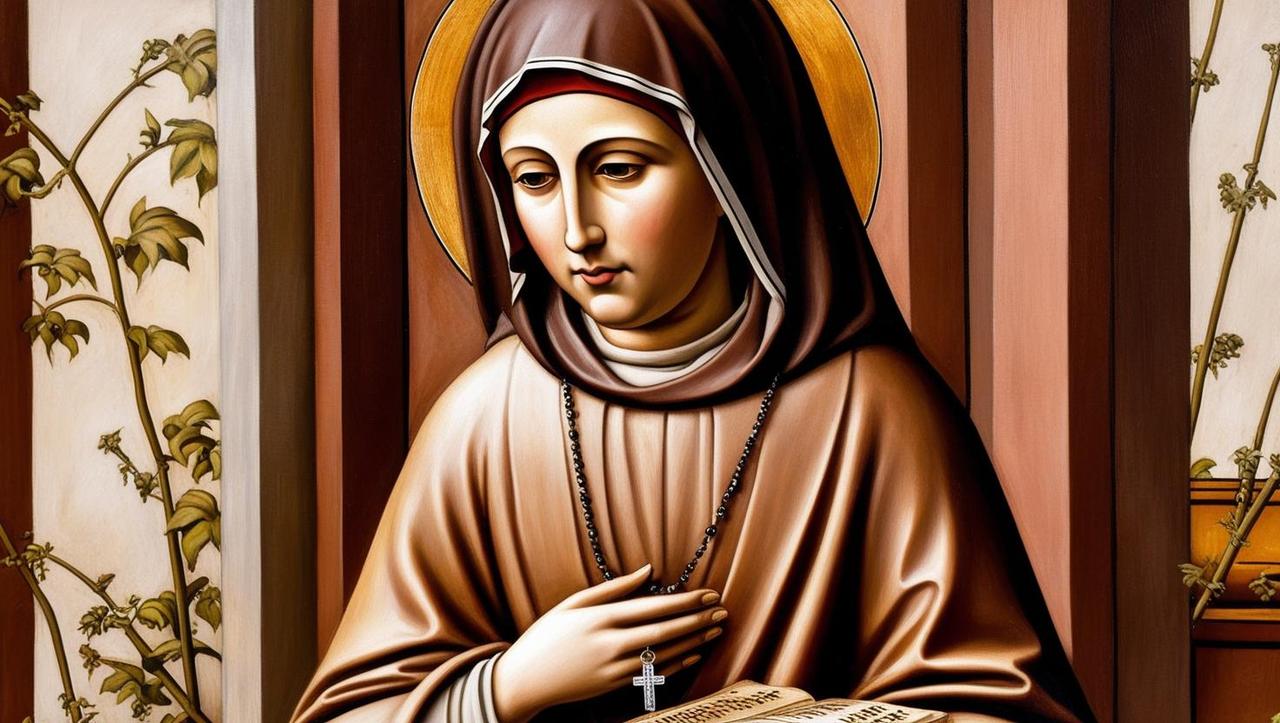
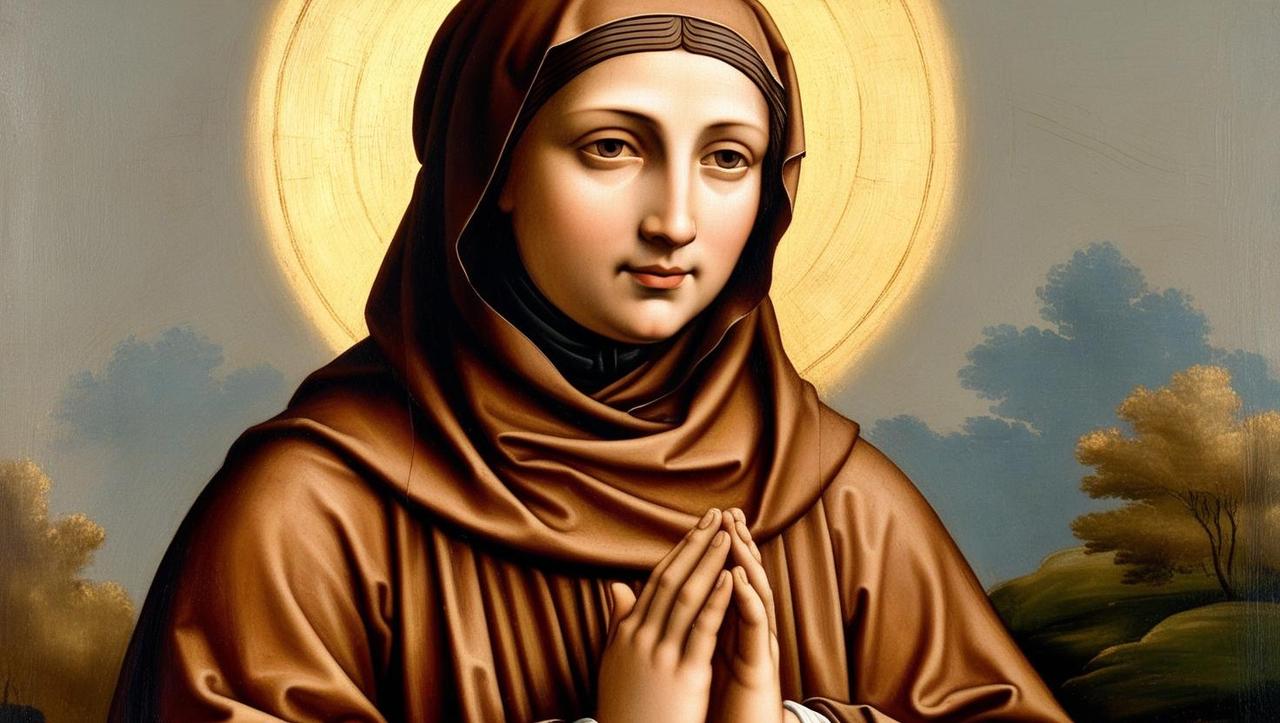
Margherita of Cortona (1247–1297) was one of the most notable religious figures of medieval Era, particularly known for her entry into the Franciscan Order and her ascetic lifestyle. A significant portion of her life before embracing a religious transformation was spent as the mistress of a nobleman. After her death she was venerated as a saint between people and was officially canonized by the Roman Catholic Church in 1728. Due to the limited historical records about her life it remains uncertain whether she was a legend or a truly historical nun.
Margherita was born in 1247 in the village of Laviano in the Tuscany region. Her father remarried a few duration after the death of her mother. Margherita, however, had a difficult relationship with her stepmother and endured a troubled childhood. When she reached adulthood she began seeking ways to leave home and gain independence.
According to historical accounts, at the age of 17 Margherita eloped with a nobleman living near Montepulciano and left her family. For nine years she lived in an extramarital relationship and bore a son. Despite the nobleman’s persistent demands to marry her, no such union ever took place due to their differing social status. It is also claimed that during this period she faced severe social exclusion because of her lifestyle, which violated the moral norms of Christian society.
One of the most pivotal turning points in Margherita’s life was the unexpected murder of her lover. Margherita discovered his body in the forest with the help of his dog and experienced profound grief. This event led her to reflect deeply on the emptiness of worldly pleasures and the life she had led. Afterward she is said to have surrendered all her material possessions to her lover’s family and attempted to return to her father’s house with her son, but her stepmother refused to accept her, leaving her homeless for a time.
After becoming homeless, Margherita decided after brief hesitation to travel to Cortona. Two charitable women supported her and introduced her to the Franciscan friars. According to tradition, during this period she lived in deep repentance for her sins and devoted herself entirely to prayer. At first, her extreme ascetic practices were so severe that the friars had to intervene and urge her to adopt a more balanced approach.
In 1277 Margherita was admitted into the Third Order of Saint Francis. From that moment on she embraced absolute poverty as required by the order and dedicated all her time to helping the sick and the poor. In 1288 she established a hospital in Cortona for the poor and founded a community of Franciscan women (le poverelle) to serve there. In addition to this, she founded a charitable institution called the "Mercy Brotherhood" to support the destitute and care for those in need.
Margherita was notable not only for her religious activities but also for her influence on the social and political life of Cortona. She frequently mediated to end internal conflicts within the city and met with prominent figures of the time such as Guglielmo Ubertini Pazzi, the Bishop of Arezzo. Margherita criticized local leaders for neglecting their spiritual duties and exerted a measurable influence on civic governance.
In her final years Margherita preferred a more reclusive and contemplative life. In 1288 she withdrew to an abandoned church outside Cortona and died there on 22 February 1297 at the age of 50. She was buried in the Church of Saint Basil in Cortona, and the church was later rebuilt in her honor.
The life of Margherita of Cortona has served as an important reference in Christian narratives promoting religious conversion and devotion. Her story continues to be used in church sermons as an example of how spiritual and moral excellence can be achieved even under the harshest conditions. With her formal canonization by the Catholic Church in 1728 she was officially recognized as a significant saint.
Catholic Encyclopedia. "St. Margaret of Cortona." New Advent. Accessed January 22, 2025. Erişim Adresi.
EWTN. "St. Margaret of Cortona." Accessed January 22, 2025. Erişim Adresi.
Gianpiero Pettiti and Domenico Agasso, "Saint Margaret of Cortona." *Cortonamia.com*, Accessed January 22, 2025. Erişim Adresi.
Medievalist. "The Life and Miracles of St. Margaret of Cortona (1247 – 1297)." Accessed January 22, 2025. Erişim Adresi.
Saint Mary's Press. "Saint Margaret of Cortona (1247-1297)." Accessed January 22, 2025. Erişim Adresi.

Margaret of Cortona
Death(Text) | 22 February 1297 | ||||||||
|---|---|---|---|---|---|---|---|---|---|
Period(s) | Between Pope Innocent IV and Pope Nicholas IV | ||||||||
Birth(Text) | 1247 | ||||||||
Profession(s) | Franciscan Nun | ||||||||
State | Papacy (Vatican State) | ||||||||
No Discussion Added Yet
Start discussion for "Margaret of Cortona" article
Early Life and Family
Mistresshood and Social Exclusion
Conversion and Repentance
Journey to Cortona and Spiritual Quest
Joining the Franciscan Order and Service
Political and Social Influence
Final Years and Death