


This article was automatically translated from the original Turkish version.
Coffee culture features a wide range of espresso-based beverages. Latte, cappuccino and cortado are well known worldwide, while macchiato is relatively less familiar but stands out due to its meaning, origin and variety. The Italian word macchiato means “marked” or “stained.” This concept offers both a technical and symbolic description of the drink, which is made by adding a small amount of milk or milk foam to espresso. However, behind this seemingly simple beverage lies a complex history, regional variations and evolving consumer preferences.
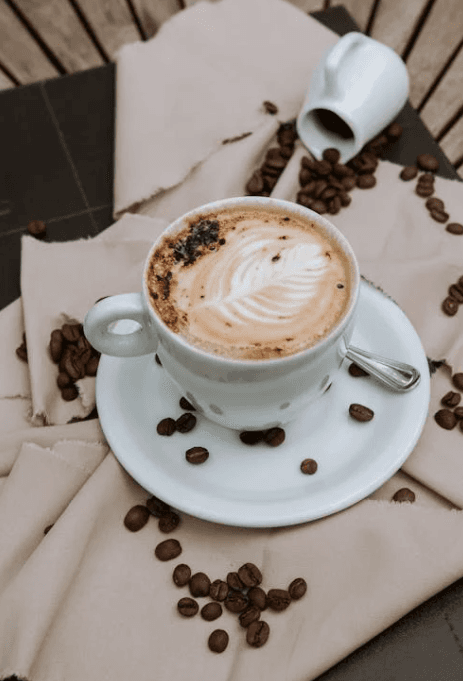
Macchiato (Source: Pexels)
The emergence of the macchiato is traced back to 1980s Italy. Baristas began marking drinks containing milk with a small “mark” on top of the espresso to distinguish them from plain espresso for service staff; this mark was typically milk foam. Over time, this practice became a tradition and the drink came to be known as caffè macchiato or espresso macchiato.
Similarly, in Portugal, coffee with a small amount of milk added on top is known as “pingado” and falls into the same category. In Australia, a drink called long macchiato consists of a double shot of espresso with a small amount of milk. These variations demonstrate how the term macchiato has been reinterpreted across regions.
An espresso macchiato is prepared by adding 5–10 grams of steamed milk foam to a single shot (approximately 30 ml) of espresso. The coffee beans must be freshly ground to a medium-fine consistency. During brewing, the espresso machine’s group head must be cleaned and the machine preheated. The coffee grounds should be tamped with a pressure of 9–15 kg to form a level and compact bed.
When preparing the milk foam, the milk should reach a temperature of 60–65 °C. The steam wand must be positioned at the correct angle to create a vortex motion within the pitcher. The bubbles in the foam must be eliminated to achieve a microfoam texture.
After this process, the milk foam is carefully placed in the center of the espresso using a small spoon. This creates a white “stain” on the surface of the coffee, from which the drink derives its name.
The latte macchiato reverses this process: steamed milk is poured first into the glass, followed by the espresso. This method gives the espresso a “stain” on the milk, hence the name latte macchiato. Latte macchiato is typically served in a tall glass with visible layers. Due to the high milk volume, it offers a softer, creamier experience.
Because it contains only a small amount of milk, the macchiato preserves the espresso’s flavor profile distinctly. While the milk adds a subtle sweetness and softness, the coffee’s acidity and body remain dominant. This feature appeals to consumers who wish to soften the intensity of espresso without having the milk overwhelm its character.
According to experts, espresso macchiato can be described as “an espresso with reduced intensity but preserved aroma.” The milk foam adds creaminess and body to the flavor profile without increasing sweetness. As a result, espresso macchiato stands out as a suitable option for consumers who are calorie-conscious or prefer unsweetened flavors.
In coffee chains, the term macchiato has evolved into a beverage significantly different from its traditional form. In particular, the caramel macchiato is made by adding espresso and caramel syrup on top of steamed milk. This version can be regarded as a sweetened variation of the latte macchiato. These modern interpretations by coffee chains have blurred the original meaning of the term but have also expanded its consumer base.
According to experts, the evolution of coffee roasting techniques is also influencing the future of beverages like the macchiato. As more balanced, less bitter espresso beans are produced, the need to “soften” them with milk may decrease. However, this will require greater precision in espresso preparation, as the minimal amount of milk means any flaw in the brew will be easily noticeable.
High-quality espresso can now deliver a balanced taste without needing milk or sugar to mask its flaws. This presents a challenge for baristas but a more refined experience for consumers.
Macchiato is a coffee beverage that appears simple on the surface but is rich in technical nuance, cultural diversity and shifting consumer expectations.
"Espresso Macchiato Tarifi." Kısık Ateş Akademi. Accessed April 8, 2025.https://www.kisikatesakademi.com.tr/tarif/espresso-macchiato-tarifi-1870
"Latte Macchiato Tarifi." Yemek.com. Accessed April 8, 2025.https://yemek.com/tarif/latte-macchiato/
"Pincan Kupa Lezzetli Köpük." Pexels. Accessed April 6, 2025.https://www.pexels.com/tr-tr/fotograf/fincan-kupa-lezzetli-kopuk-22863502/
"What is a Macchiato?" Folgers Coffee. Accessed April 6, 2025.https://www.folgerscoffee.com/coffee/articles/what-is-a-macchiato
"What is a Macchiato?" Perfect Daily Grind. Accessed April 6, 2025.https://perfectdailygrind.com/2020/05/what-is-a-macchiato/
Seibert, Natálie. Essential Coffee Vocabulary and its Origin. Bachelor's thesis, Filozoficko-přírodovědecká fakulta v Opavě, 2023.
Wilson, Tim. "Macchiato Myths: The Dubious Benefits of Fair Trade Coffee." Institute of Public Affairs Review, July 1, 2006.

History and Origin
Preparation and Technical Details
Espresso Macchiato
Latte Macchiato
Sensory Characteristics and Flavor Profile
Global Interpretations
Future and Production Trends