


This article was automatically translated from the original Turkish version.
+1 More
Light pollution is an environmental problem caused by the misdirection excessive use or inappropriate timing of artificial light. This type of pollution disrupts natural nighttime darkness and negatively affects human health ecosystems astronomy research and energy conservation.
Poor lighting design: Light being unnecessarily directed toward the sky or unwanted areas.
Over-illumination: Using more light than necessary.
Inappropriate fixtures: Use of lighting elements that do not distribute light efficiently or are unshielded.
Timing errors: Prolonged lighting during nighttime hours when it is not needed.
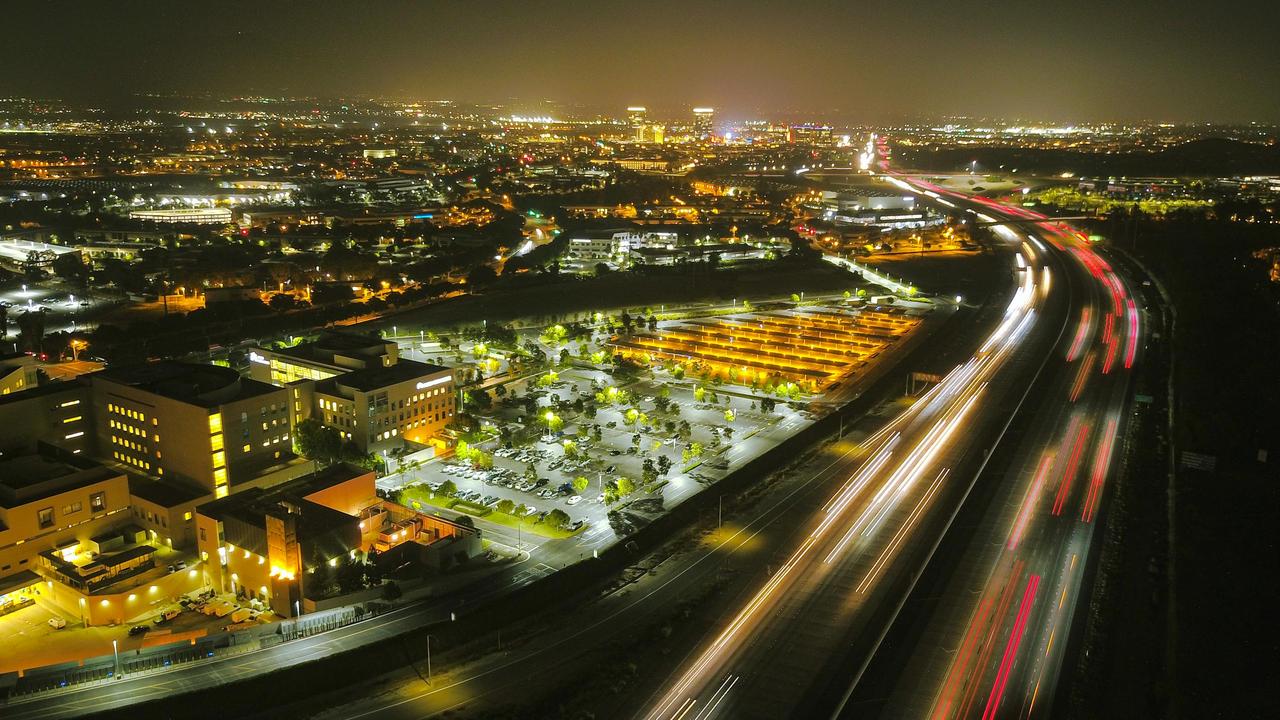
A photograph showing light pollution (Kindel Media)
There are five types of light pollution.
1. Light trespass: Light spreading into unwanted areas such as neighboring gardens.
2. Over-illumination: Use of more light than required.
3. Glare: Direct exposure to intense light which can cause temporary or permanent visual impairment.
4. Clutter: Excessive grouping of light sources in a distracting manner.
5. Sky glow: Artificial brightness cloud formed above cities.
Light pollution is increasing as an inevitable consequence of modern life and has serious effects on human health. In particular artificial light exposure during nighttime hours inhibits the secretion of melatonin a hormone that regulates the body’s biological rhythm. Melatonin plays a critical role not only in sleep regulation but also in strengthening the immune system and combating certain types of cancer. Reduced melatonin levels lead to sleep disorders and increased stress levels and over the long term may raise the risk of hormone-related cancers such as breast and prostate cancer. Additionally continuous and intense exposure of the eyes to artificial light particularly blue light causes eye strain headaches and over time can lead to vision problems. Therefore light pollution is not only an environmental issue but also a public health priority that requires immediate attention.
Ecosystems sensitive to natural cycles are among the most affected by light pollution. Many animal species are active at night and navigate using moonlight or starlight. Migratory birds for example can become disoriented by the intense glow of city lights and collide with structures such as skyscrapers or radio towers resulting in death. Similarly sea turtle hatchlings that nest along coastal areas naturally follow moonlight to reach the ocean. However lights from hotels and settlements along the shore disrupt this navigation causing hatchlings to move in the wrong direction toward land instead of the sea. Plants also grow and develop according to light cycles. Nighttime lighting interferes with natural processes such as flowering leaf drop and growth. Insects drawn to nighttime lights die without exhibiting their natural behaviors. This disrupts pollination of many plant species and destabilizes entire ecosystems. These effects can negatively impact not only specific species but the entire food chain and biological diversity.
Light pollution is making it increasingly difficult for both professional astronomers and sky enthusiasts to observe the night sky. In particular the intense lighting in and around urban centers obscures the natural darkness of the sky preventing visibility of stars and faint celestial objects. This situation not only reduces the quality of scientific observations but also limits society’s opportunity to understand and appreciate the universe. Due to light pollution many observatories have been forced to relocate outside cities increasing costs and causing some research projects to be suspended. Observing the sky in its natural state is of great importance not only for scientific work but also for cultural and aesthetic experiences.
Uncontrolled and unplanned lighting not only harms the environment but also causes massive energy waste. Billions of dollars worth of energy are wasted annually worldwide due to unnecessary lighting. This situation leads to increased operation of energy plants powered by fossil fuels and consequently increases carbon emissions. Rising carbon emissions accelerate climate change and degrade air quality. This process leads to the formation of an unsustainable system both environmentally and economically. Therefore light pollution is a critical issue that must be addressed in terms of energy efficiency and environmental sustainability.
Measures to combat light pollution consist of simple yet effective methods applicable at both individual and societal levels. First and foremost the proper design of lighting systems is essential. Fully shielded fixtures ensure that light is directed only where needed preventing upward or environmental spill. This reduces light pollution and saves energy. Energy-efficient and environmentally friendly lighting options should be preferred. Low-pressure sodium lamps emitting narrow-band light or non-harmful LED systems are ideal solutions in this regard.
Ensuring that lighting operates only when necessary is also an important step. Sensors and timers can be used for this purpose. For example motion-sensor lights turn on only when someone approaches thereby reducing energy consumption and preventing unnecessary light emission. Local governments also play a major role in combating light pollution. Municipalities and relevant institutions must establish regulations define lighting standards and raise public awareness. Citizens should be educated about proper lighting through awareness campaigns to increase awareness.
Aslan, Bülent. *Işığın Kirli Yüzü: Işık Kirliliği*.http://www.isikkirilligi.org/index.php/isik-kirilligi-nedir.
Aslan, Zeki, and Syuzu Isobe. "Türkiye’den Uzaya Kaçan Şehir Işıkları." TÜBİTAK Bilim ve Teknik Dergisi, 1998.
Demircioğlu (Yıldız), Nalan, and Hasan Yılmaz. “Işık Kirliliği Kavramı, Ortaya Çıkardığı Sorunlar ve Çözüm Önerileri.” *Atatürk Üniversitesi Ziraat Fakültesi Dergisi* 36, no. 1 (2005): 117–123.https://dergipark.org.tr/tr/download/article-file/34212
Karimi Ansari, Bahereh. “Işık Kirliliği (Karanlık Kirliliği) ve Çevreye Olan Etkileri.” *Çukurova Üniversitesi Ziraat Fakültesi Dergisi* 28, no. 1 (2013): 11–22.https://dergipark.org.tr/tr/download/article-file/219849.
Kindel Media. "Fotoğraf (Işık Kirliliğinin Olduğu Bir Fotoğraf)." Accessed April 15, 2025.https://www.pexels.com/tr-tr/fotograf/kent-sehir-binalar-yapilar-8980177/
TÜBİTAK Bilim Genç. (2024). *Işık Kirliliği Nedir? Nasıl Önlenir?*https://bilimgenc.tubitak.gov.tr/makale/isik-kirliligi-nedir-nasil-onlenir
TÜBİTAK Ulusal Observatory. "Işık Kirliliği." Accessed [Date].https://tug.tubitak.gov.tr/sites/images/tug/isik_kirliligi.html.

Main Causes of Light Pollution
Types of Light Pollution
Effects of Light Pollution
Effects on Human Health
Effects on Ecosystems
Effects on Astronomy
Effects on Energy and Economy
Methods to Prevent Light Pollution