


This article was automatically translated from the original Turkish version.
Leveling is the process of measuring the differences in elevation between points on the Earth’s surface. This procedure plays a crucial role in engineering projects, cartography, construction, and many other fields. Elevation differences are typically measured relative to a reference surface such as sea level and are critical for understanding the topographic structure of terrain. Leveling is essential both for individual projects and for large-scale surveys.
Leveling aims to determine the elevation differences between two points by comparing them to a specific reference plane. These differences have a wide range of applications, from map making to engineering projects. Leveling not only determines point elevations but also provides the precise data necessary for detecting surface deformations and successfully implementing infrastructure projects.
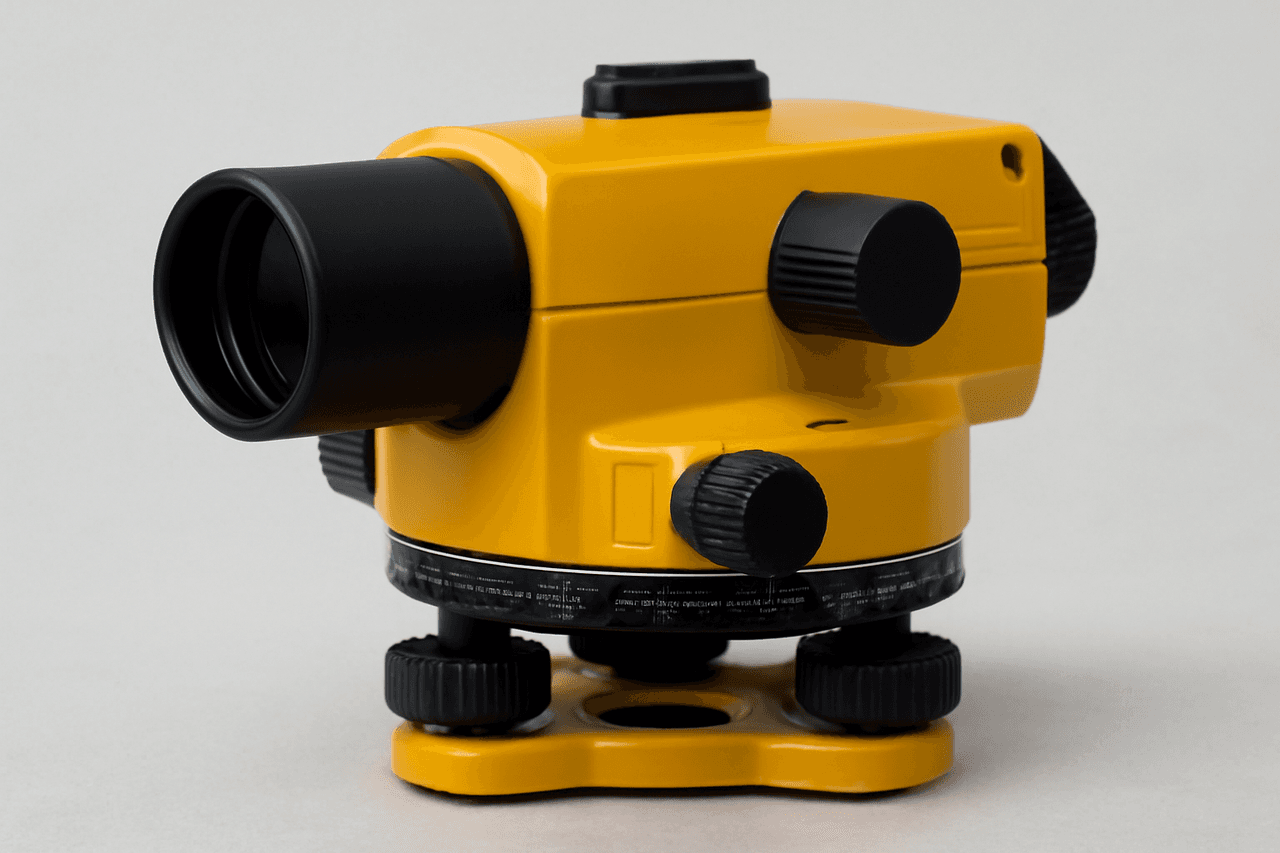
Image of a Leveling Instrument (Generated by Artificial Intelligence)
Leveling varies according to the methods and instruments used. Different leveling methods have been developed for various conditions. There are four primary leveling methods:
The accuracy of leveling operations depends heavily on the instruments used. These instruments determine the precision of the measurements. The most commonly used leveling instruments are as follows:
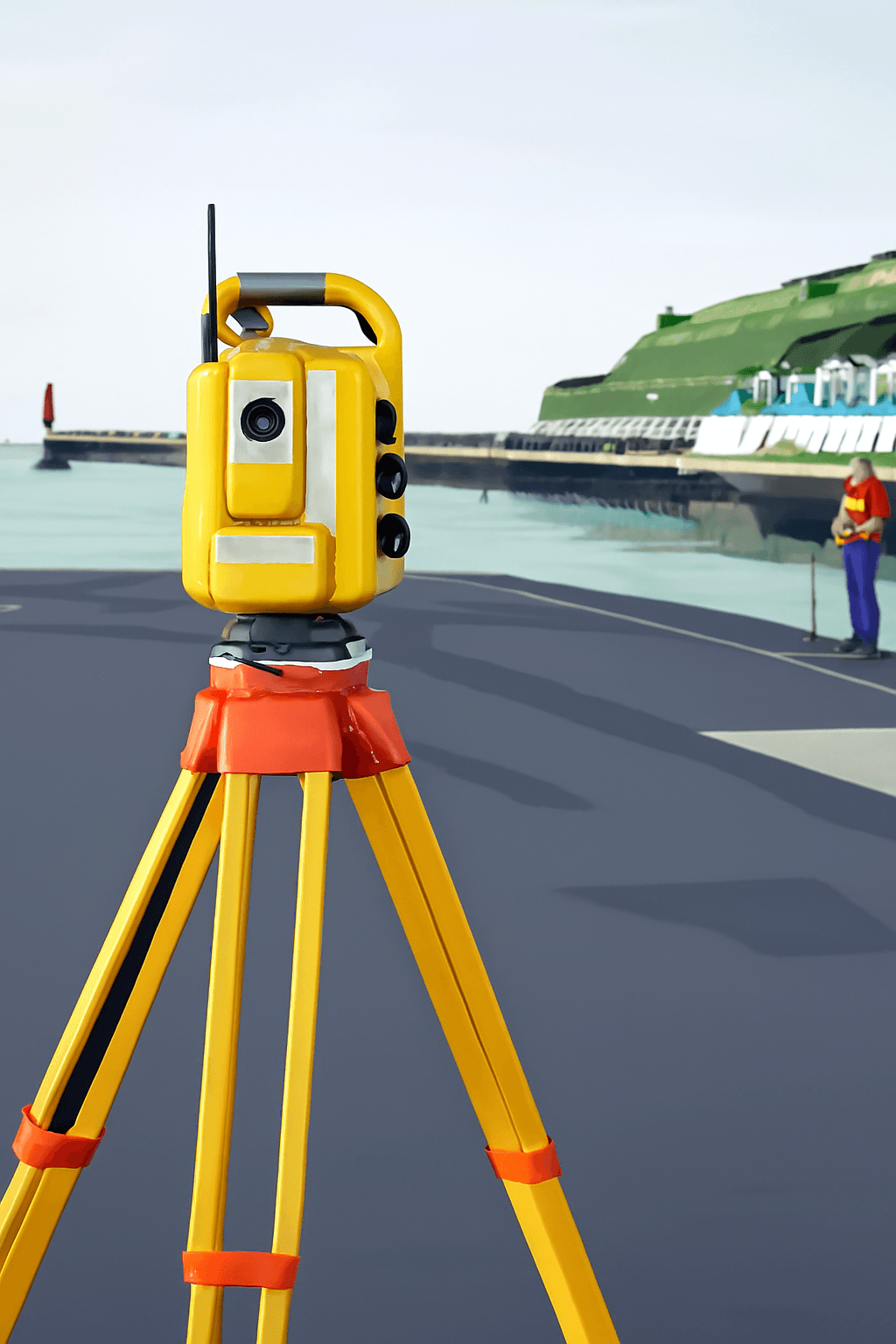
Image of a Leveling Instrument (Generated by Artificial Intelligence)
Leveling networks are systems established to measure the elevations of specific points across a country. These networks illustrate the relationships between points with known elevations and enable precise determination of elevation over large areas. In Türkiye, leveling networks are organized through systems such as the "Türkiye National Vertical Control Network (TUDKA)." These networks link leveling measurements conducted in different regions of the country and ensure the accurate determination of elevation differences.
Leveling networks typically consist of networks of different orders. First-order networks perform the most precise measurements, while third- and fourth-order networks are less precise and used for broader areas. The accuracy level of each network varies according to the density of points within it and the precision of the instruments used.
Leveling calculations are generally performed based on elevation differences relative to a reference point. The formulas used in these calculations are as follows:
This formula calculates the elevation difference between two points by taking the difference between the backsight and foresight readings. The accuracy of the instrument used during measurement determines the precision of the readings. Additionally, error margins must be identified and corrected in calculations. Errors may arise from instrument calibration issues, atmospheric conditions, and reading inaccuracies.
Leveling is carried out in various subtypes depending on the purpose. These include:
Coşkun, M. Zeki. Yüksekliklerin Ölçülmesi - Nivelman. İstanbul Teknik Üniversitesi, İnşaat Mühendisliği Bölümü, 2012. Accessed July 18, 2025.
Erkaya, Halil. Yükseklik Ölçmeleri. Yıldız Teknik Üniversitesi, 2006. Accessed July 18, 2025.
T.C. Milli Eğitim Bakanlığı. Harita Çizim Uygulamaları. Ankara, 2012. Accessed July 18, 2025.
T.C. Milli Eğitim Bakanlığı. Makine ile Tamirat İçin Nivelman. Ankara, 2011. Accessed July 18, 2025.
T.C. Milli Eğitim Bakanlığı. Nokta Konumları. Ankara, 2011. Accessed July 18, 2025.
T.C. Milli Eğitim Bakanlığı. Topografya Bölüm 7. 2012. Accessed July 18, 2025.

Leveling Methods
Leveling Instruments
Leveling Networks
Leveling Calculations
Types of Leveling