


This article was automatically translated from the original Turkish version.
+1 More
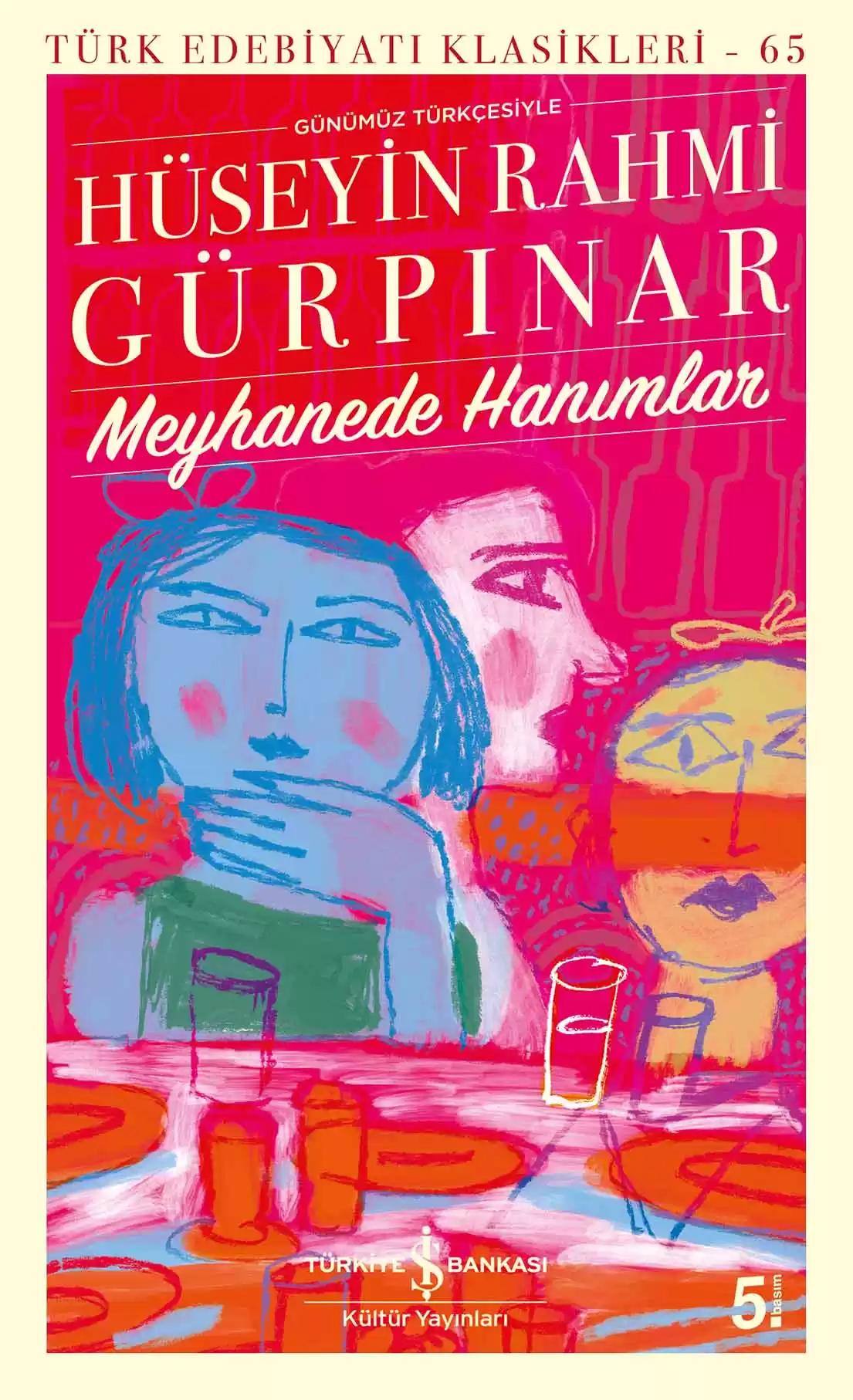
Ladies at the Tavern (Novel)
Subject(s) | The visibility of women in social life in Istanbul | ||||||||
|---|---|---|---|---|---|---|---|---|---|
Type(s) | Novel | ||||||||
Author(s) | Hüseyin Rahmi Gürpınar | ||||||||
Year of Publication | 1924 | ||||||||
Theme(s) | Gender modernization moral values | ||||||||
Hüseyin Rahmi Gürpınar’s 1912 novel Meyhanede Hanımlar is one of the most significant works offering a critical perspective on the social structure and moral outlook of Ottoman society. The novel meticulously examines the place, freedoms, and social constraints faced by women of the era. Gürpınar vividly reveals the class divisions, gender roles, and moral norms prevalent in Istanbul at the time. Written within the tradition of social realism, the novel draws attention through its humorous and ironic narrative style.
The novel Meyhanede Hanımlar portrays the lives and conflicts of women from different social classes who gather in a tavern in Istanbul. Although the tavern was a space rarely frequented by women in a male-dominated society, the novel presents it as a setting where women form their own relationships, struggles, and networks of solidarity. Throughout the narrative, the women’s quests for freedom, their romantic relationships, their views on marriage, and their clashes with societal norms are explored. Gürpınar particularly critiques the double standards and social pressures imposed on women.
The novel’s central themes include the position of women in society and their struggle for autonomy, gender inequality, class differences, and a critique of prevailing social morality. Gürpınar provides a detailed analysis of gender relations and the power imbalances within them in Ottoman society of the time. The diverse social backgrounds of the female characters enrich the novel’s layered structure. Moreover, the tavern setting serves as a lens through which the social life and moral attitudes of the era are critically examined. Humor and irony are frequently employed to highlight social distortions.
The characters in the novel represent women from various classes and social environments, including aristocratic, bourgeois, and lower-class women, each reflecting different facets of society within their own worlds. The internal conflicts and social pressures experienced by these characters form the core dynamics of the novel.
In Meyhanede Hanımlar, Hüseyin Rahmi Gürpınar sharply critiques Ottoman society’s attitudes toward women, its hypocritical moral code, and rigid gender roles. The author exposes the social norms that restrict women’s freedom with a humorous and critical tone. The novel also analyzes the class structure of the era and investigates how women were positioned within it. Gürpınar’s narrative carries not only literary value but also the status of a sociological document.
Meyhanede Hanımlar is regarded as an important source for understanding the Ottoman modernization process, both from a literary and sociological perspective. By reflecting the women’s issues and social change dynamics of the time, the novel makes original contributions to the Turkish novel tradition following the Tanzimat era. The social critique presented in the work lays the foundation for contemporary debates on the representation of women in Turkish literature.
Gürpınar, Hüseyin Rahmi. *Meyhanede Hanımlar*. Haz. Mefharet Kandemir. İstanbul: Türkiye İş Bankası Kültür Yayınları, 2022. https://www.iskultur.com.tr/meyhanede-hanimlar.aspx
Kesebir, Ensar. “Cumhuriyet Dönemi Türk Hikayesinde Gayrimüslim Kadınlar.” DergiPark, Accessed June 12, 2025. https://dergipark.org.tr/tr/download/article-file/183337
Üner, Ayşe Melda. “Hüseyin Rahmi Gürpınar’ın Romanlarında Şık Delikanlılar.” DergiPark, Accessed June 12, 2025. https://dergipark.org.tr/tr/download/article-file/156940

Ladies at the Tavern (Novel)
Subject(s) | The visibility of women in social life in Istanbul | ||||||||
|---|---|---|---|---|---|---|---|---|---|
Type(s) | Novel | ||||||||
Author(s) | Hüseyin Rahmi Gürpınar | ||||||||
Year of Publication | 1924 | ||||||||
Theme(s) | Gender modernization moral values | ||||||||
No Discussion Added Yet
Start discussion for "Ladies at the Tavern (Novel)" article
Subject
Themes
Characters
Gürpınar’s Social Critique
Literary and Sociological Significance of the Work