


This article was automatically translated from the original Turkish version.
+1 More
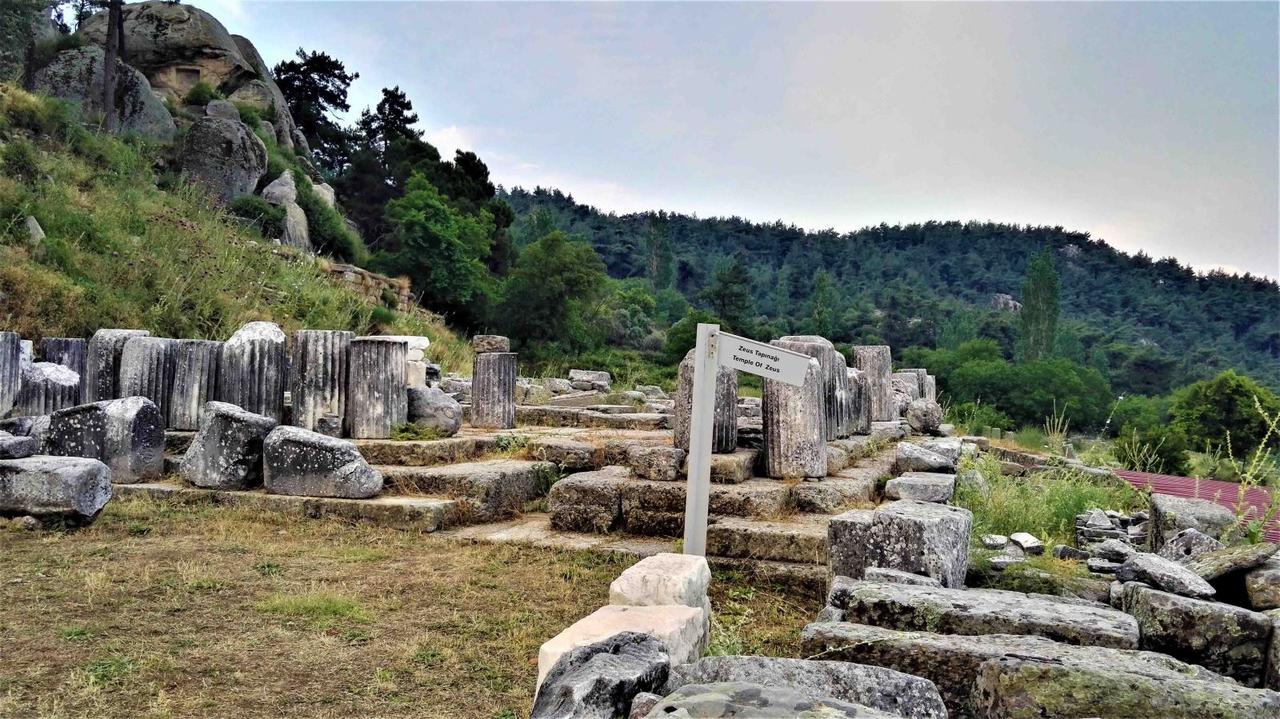
Labranda Ancient City
Location | Milas Muğla | ||||||||
|---|---|---|---|---|---|---|---|---|---|
Elevation | Approximately 700 metres | ||||||||
Historical Process | Archaic Period – Roman Period | ||||||||
Cult | Zeus Labraundos | ||||||||
Transportation | Ancient Sacred Way Modern Road | ||||||||
Protection Status | Open to Visitors Ruins Site Status | ||||||||
Muğla Province, within the boundaries of the Milas district, is home to the Labranda Ancient City, a sacred site settlement located in the region of Caria. The settlement was first used from the Archaic period onward and evolved into a major cult center during the reign of the Hecatomnid dynasty, when architectural activity intensified. The area dedicated to the cult of Zeus Labraundos is documented through its architectural layout, structural remains, and inscriptions.
Labranda is situated approximately 14 kilometers northeast of the Milas district center, on the slopes of the Gökbel Mountains. Located at an elevation of about 700 meters, the site was accessible via a sacred route originating in Mylasa and used in antiquity for religious processions. Today, parts of this ancient path intersect with modern roads, allowing vehicular access.
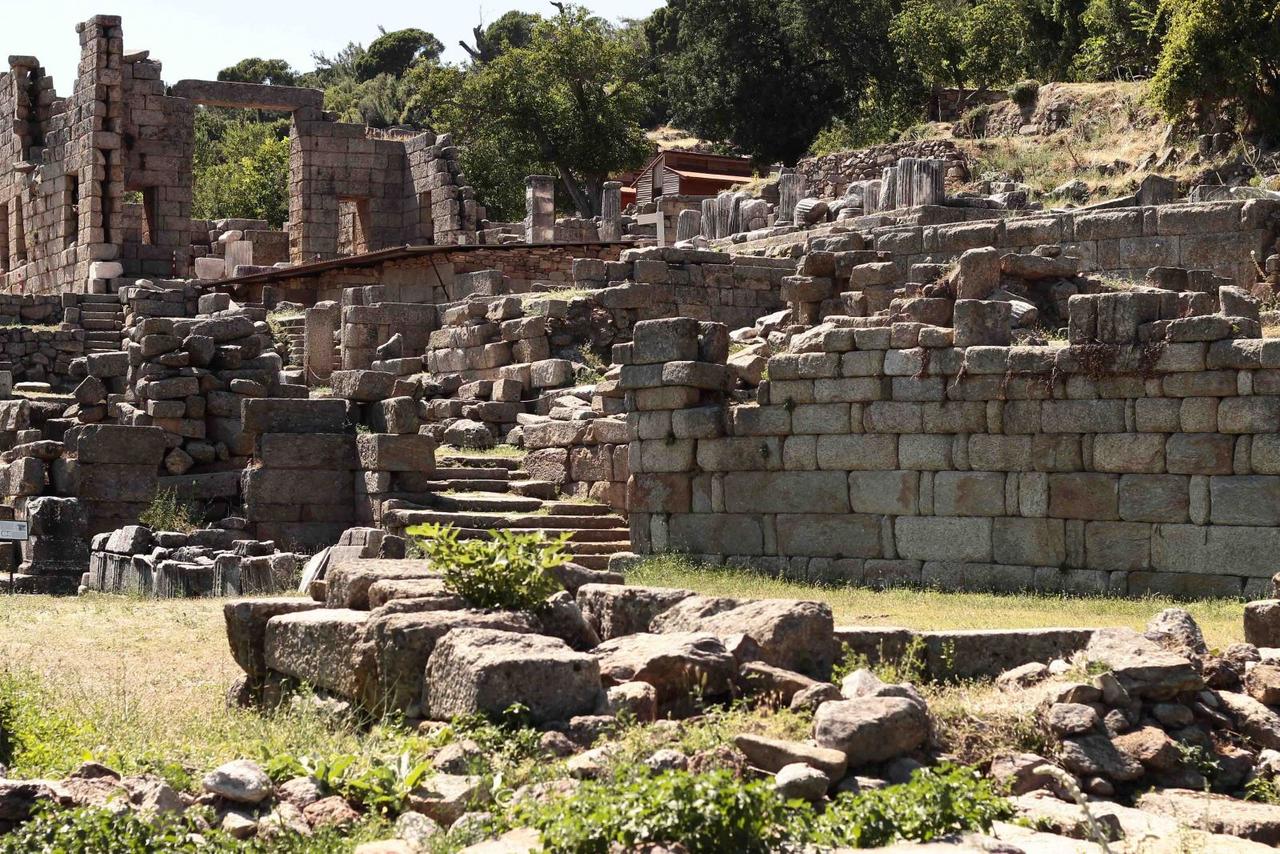
Labranda Antik Kentinden Bir Görünüm (Kültür Portalı)
Archaeological evidence indicates that Labranda was used for cultic purposes from the Archaic period. In the 4th century BCE, during the rule of Hecatomnus, Satrap of Caria and his family, architectural planning and construction in the region intensified. Following a fire in 355 BCE during the administration of Mausolus, a reconstruction phase began. Structures from this period include colonnades, monumental buildings, residential quarters, and banquet halls (androns).
Labranda is defined as a cult site associated with the city of Mylasa. In antiquity, a sacred route approximately 13 kilometers long connected Mylasa to Labranda and was used annually for religious ceremonies. This path served as a ceremonial corridor for processions and ritual preparations. Today, traces of this ancient route can still be followed.
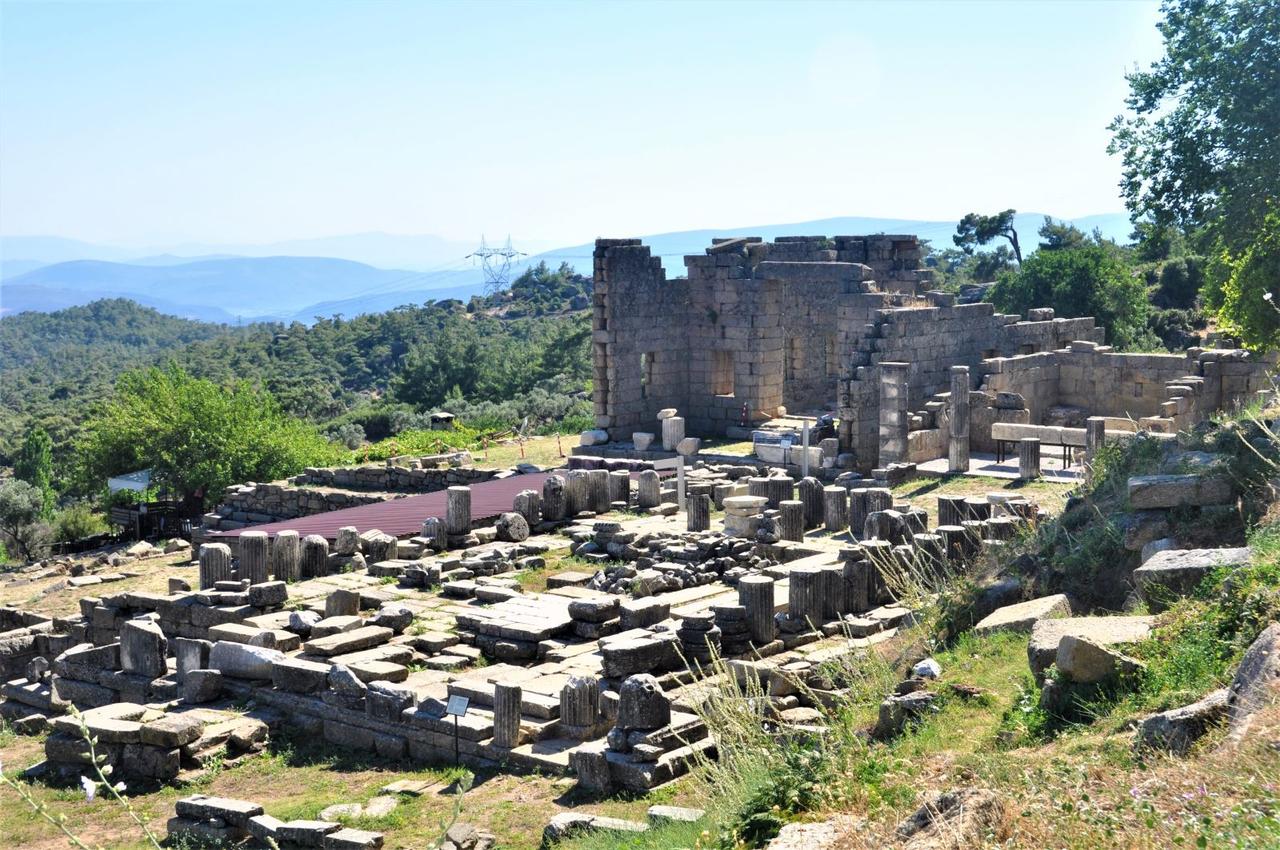
Labranda Antik Kenti (Kültür Portalı)
The ancient city derives its name from the local cult form of Zeus known as Zeus Labraundos. Ancient descriptions depict this deity as holding a double-headed axe, or labrys, in his right hand. The planning of the temple and altar structures at Labranda was designed to meet the requirements of this cult. The continuity of this religious practice in the region is well documented.
The structures at Labranda were laid out along an east-west axis and terraced onto the mountainside. Architectural remains include a temple, altar, stoa, andron, entrance gates, and various service buildings. These structures were constructed using precisely cut stone blocks. Staircases connecting different levels of the site have also been identified.
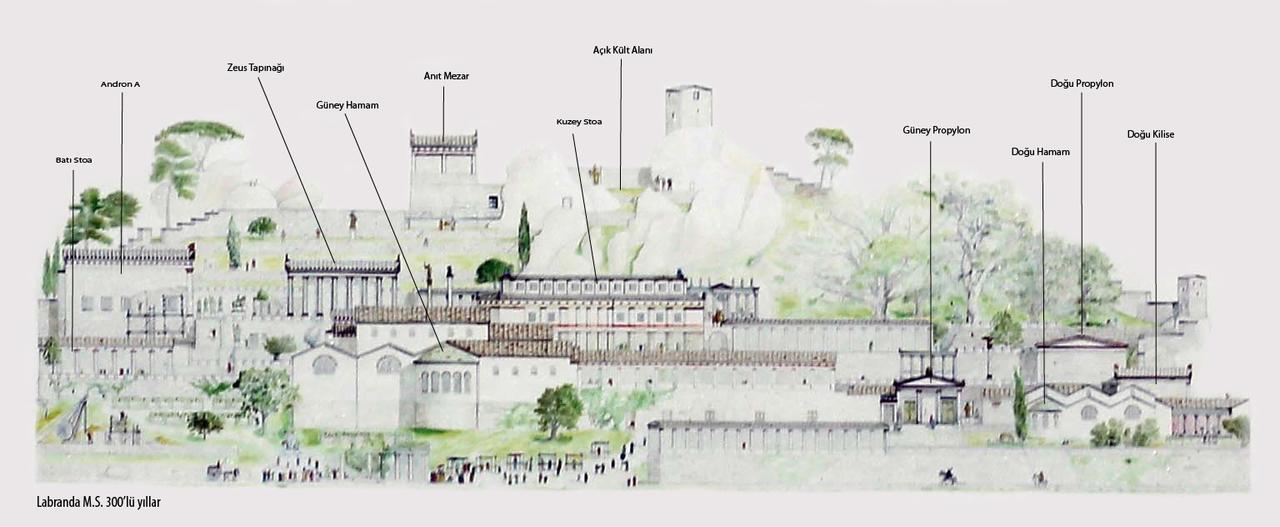
In the 300s CE in Labranda (Kültür Portalı)
Excavations at the ancient city have uncovered architectural foundations, inscriptions, and small artifacts. These findings provide information on the site’s usage over time, the functions of its structures, and patterns of ancient visitor traffic. Labranda is protected as an archaeological site by the Ministry of Culture and Tourism of the Republic of Türkiye. Informational signs and directional panels are installed at the site.
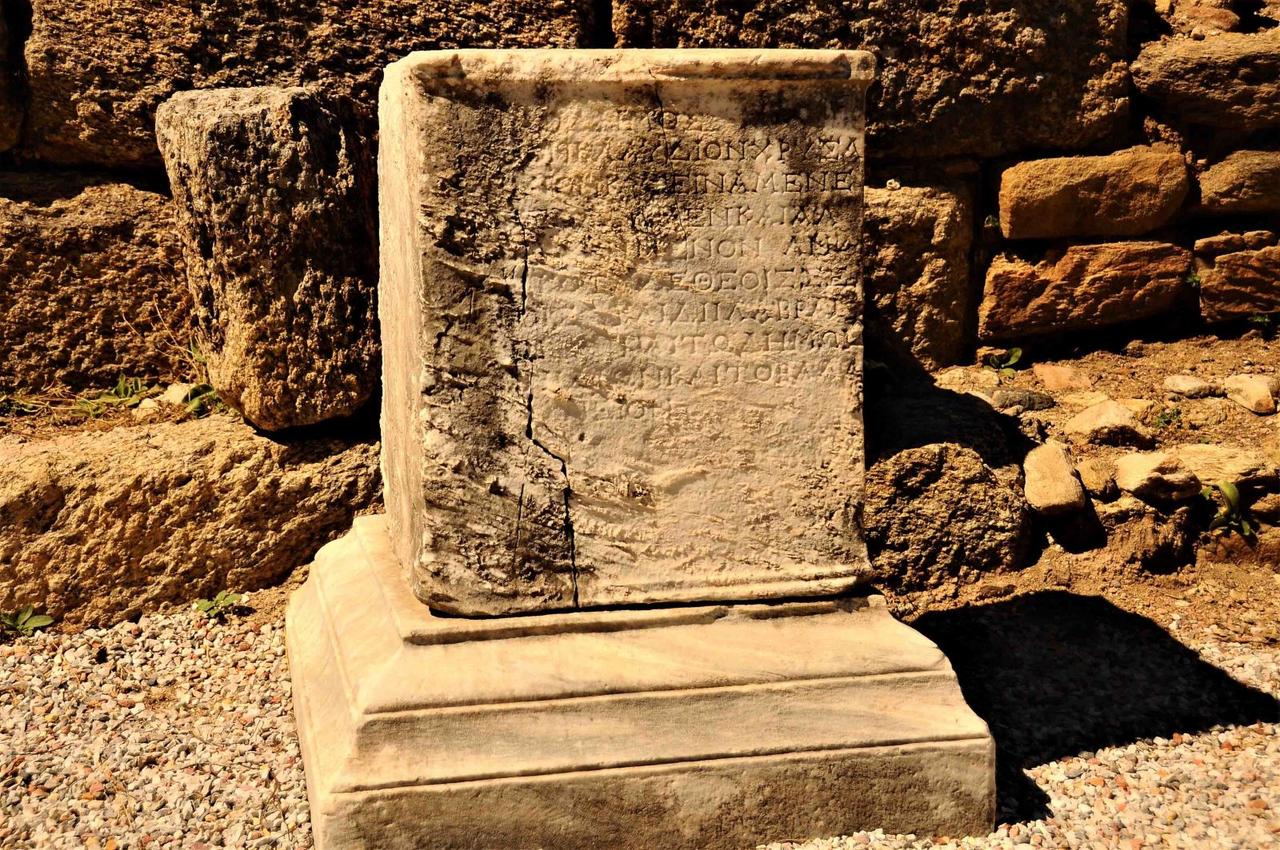
Kazı Buluntuları Arasında Büyük Bir Yunanca Yazıt Koleksiyonu (Kültür Portalı)
Milas Kaymakamlığı. "Milas Labranda Antik Kenti." Milas Kaymakamlığı Resmi Web Sitesi. Accessed June 16, 2025.http://www.milas.gov.tr/labranda-antik-oren-yeri
T.C. Kültür ve Turizm Bakanlığı. “Labraunda Antik Kenti-Muğla.” Kültür Portalı. Accessed June 16, 2025.https://www.kulturportali.gov.tr/turkiye/mugla/gezilecekyer/labranda
T.C. Ministry of Culture and Tourism. "Labranda." Official Website ofMuğla İl Directorate of Culture and Tourism. Accessed June 16, 2025.https://mugla.ktb.gov.tr/TR-270763/labranda.html

Labranda Ancient City
Location | Milas Muğla | ||||||||
|---|---|---|---|---|---|---|---|---|---|
Elevation | Approximately 700 metres | ||||||||
Historical Process | Archaic Period – Roman Period | ||||||||
Cult | Zeus Labraundos | ||||||||
Transportation | Ancient Sacred Way Modern Road | ||||||||
Protection Status | Open to Visitors Ruins Site Status | ||||||||
No Discussion Added Yet
Start discussion for "Labranda Ancient City" article
Location and Access Information
Historical Use
Sacred Way and Cult Center
Cult of Zeus Labraundos
Architectural Layout and Structures
Archaeological Findings and Conservation Status