


This article was automatically translated from the original Turkish version.
+2 More
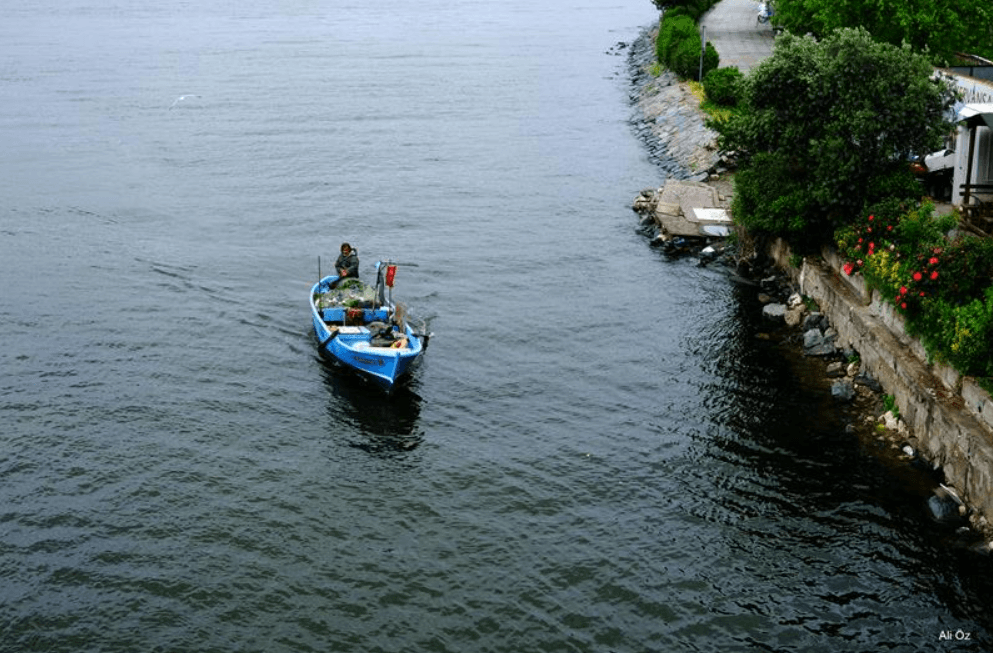
Lake Küçükçekmece
Location | Istanbul between the districts of Küçükçekmece and Avcılar Marmara Region | ||||||||
|---|---|---|---|---|---|---|---|---|---|
Surface Area | 16 km² | ||||||||
Length | 10 km | ||||||||
Width | 6 km | ||||||||
Küçükçekmece Gölü is a lagoon lake located in western Istanbul, within the Marmara Region yer. It lies between the districts of Küçükçekmece and Avcılar and is situated geographically close to the Marmara Denizi. With a surface area of approximately 16 km2, the lake is about 10 kilometers long and 6 kilometers wide. Its maximum depth reaches up to 22 meters. Küçükçekmece Gölü contributes significantly to the region’s ecosystem and also plays an important role in Istanbul’s su water systems.
Küçükçekmece Gölü is fed from the north by Sazlıdere and various other streams. In the past, the area surrounding the lake was considered part of the Marmara Sea’s koyu, but today its ecosystem has been largely shaped by changes in water levels. Once connected to the sea, the lake gradually acquired its current form under the influence of freshwater sources. Due to its rich biological diversity and its location along a major bird göç route, the lake holds significant ecological importance.
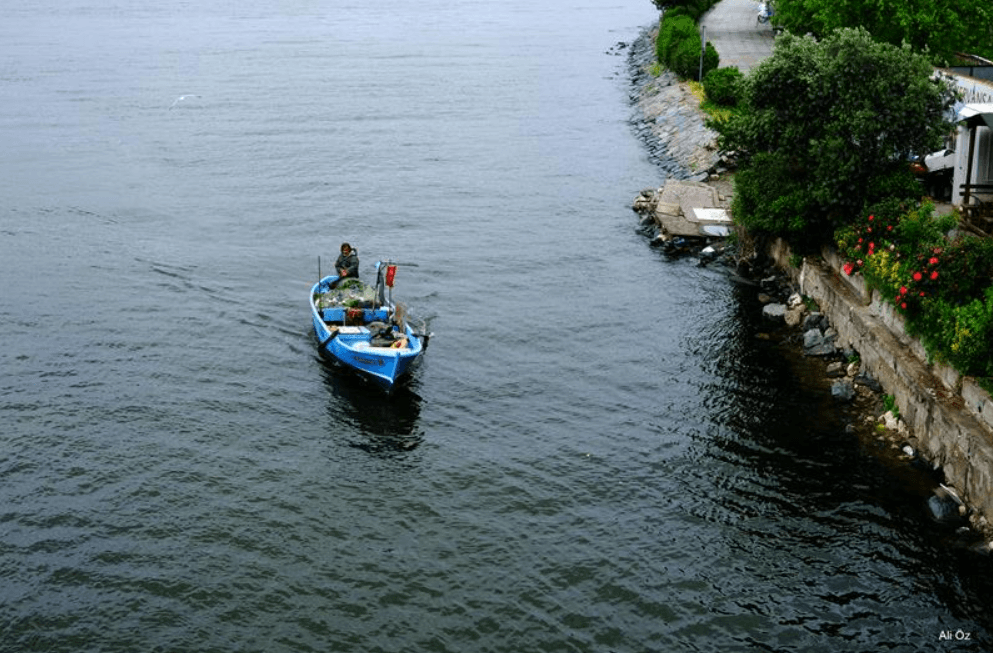
Küçükçekmece Gölü (Küçükçekmece Kaymakamlığı)
Excavations around the lake have revealed continuous human settlement from the Paleolithic period through to the Early Bronze Age. The Yarımburgaz Cave, located north of Küçükçekmece Gölü, stands out as a major archaeological site containing some of the earliest traces of human presence in the region. The cave contains human remains dated to approximately 384,000 BCE, and excavations there have uncovered the first evidence of early human habitation in the area.
Another important archaeological site around the lake is the Firuzköy Peninsula. Excavations at Firuzköy have uncovered artifacts from the Neolithic period without pottery, confirming the presence of early farming communities along the shores of Küçükçekmece Gölü. Additionally, the remains of an ancient city named Bathenoa have been discovered beneath the lake’s waters. This settlement from prehistoric times further reinforces the historical significance of the region.
Küçükçekmece Gölü is known for its rich biodiversity, but in recent years environmental problems have emerged due to declining water quality. A project titled “Monitoring the Water Quality of Küçükçekmece Lagoon,” led by Professor Dr. Meriç Albay, is taking steps to assess and improve the current state of the lake’s water. Once home to a wide variety of fish and rich biological life, the lake’s deteriorating water quality now poses a threat to public halk health. As a result, restoration efforts have begun to address heavy metal pollution and biological contamination.
Increasing urban development and waste loading around the lake threaten its ecosystem. Experts emphasize that certain areas of Küçükçekmece Gölü must be designated as tam protected zones to ensure its preservation. Furthermore, it is recommended that water be released from the Sazlıdere Dam to increase the lake’s water level and freshwater volume.
Anadolu Ajansı. “Küçükçekmece Gölü’ndeki Kirliliğe Karşı Proje Başlatıldı.” AA.com.tr. Accessed April 9, 2025.https://www.aa.com.tr/tr/yesilhat/kirlilik/kucukcekmece-golundeki-kirlilige-karsi-proje-baslatildi/1819283.
Aydıngün, Şengül, and Haldun Aydıngün. “İSTANBUL KÜÇÜKÇEKMECE GÖL HAVZASI’NIN TARİHÖNCESİ (Paleolitik-Erken Tunç Çağları).” Amisos 5, no. 8 (June 2020): 7-30.https://dergipark.org.tr/tr/pub/amisos/issue/55323/710000
T.C.Küçükçekmece Kaymakamlığı Governorship. "Küçükçekmece Lake." Küçükçekmece District Governorship Official Website. Accessed April 9, 2025.http://www.kucukcekmece.gov.tr/kucukcekmece-golu.

Lake Küçükçekmece
Location | Istanbul between the districts of Küçükçekmece and Avcılar Marmara Region | ||||||||
|---|---|---|---|---|---|---|---|---|---|
Surface Area | 16 km² | ||||||||
Length | 10 km | ||||||||
Width | 6 km | ||||||||
Geographical and Ecological Features
Historical Significance and Archaeological Discoveries
Ecosystem and Water Quality
Conservation and Restoration Efforts