


This article was automatically translated from the original Turkish version.
Kökbörü is a traditional equestrian sport belonging to the Turkic peoples of Central Asia. This game, which requires horsemanship, agility, and strength, is regarded as an essential component of warrior Turkic culture. Typically played with the hide of a goat or sheep, the sport continues to exist as a symbol of historical identity in Turkic nations such as Kyrgyzstan, Kazakhstan, and Uzbekistan. Kökbörü is not merely a physical contest but also a sport that fosters community spirit and strategic thinking.
The origins of Kökbörü trace back to the nomadic Turkic communities of Central Asia. It emerged among Turkic tribes such as the Huns, Göktürks, and Oghuz as a means to develop the cavalry maneuvering skills of warriors. The term “Kökbörü” is derived from the combination of “gök” (blue or sacred) and “börü” (wolf), linking it to the sacred wolf of Turkic mythology, the bozkurt. This sport was practiced both for recreation and military training. Even after the advent of Islam, Kökbörü persisted; although it does not appear directly in Ottoman sources, it shares similarities with the equestrian traditions of Anatolia.
Kökbörü is played between two teams. The objective is to pick up a goat or sheep hide from the ground and carry it into the opposing team’s territory. Typically, a headless, emptied goat or sheep carcass is used. Players attempt to control the hide while riding their horses. The playing field is wide and flat. The game consists of three periods, each lasting approximately 20–30 minutes. The team with the highest score at the end wins.
Rules vary from country to country. In modern Kökbörü, the target zone where the hide must be placed — known as the tagana — is a circular area enclosed by stones. Rules prohibit players from harming their horses or intentionally making physical contact with opponents.
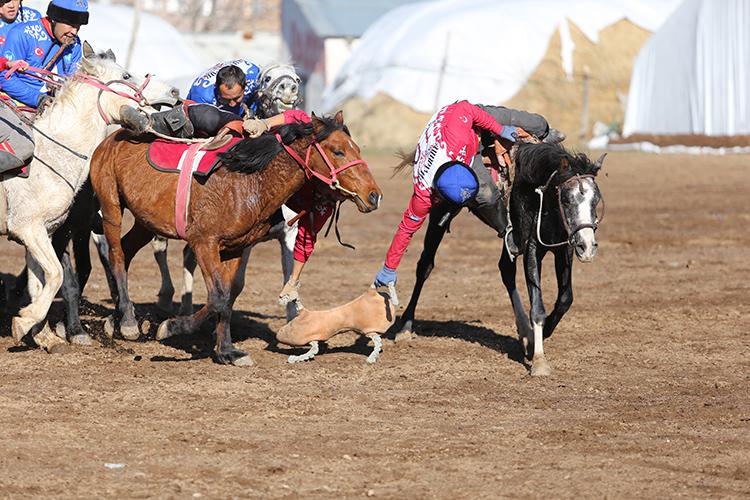
Ata sport Kökbörü will be promoted nationwide (Anadolu Agency)
Kökbörü is not merely a sport; it is a living element of Turkic cultural heritage. It symbolizes the tradition of horsemanship, collective struggle, and the warrior identity. As an integral part of the nomadic lifestyle, this sport encourages social cohesion and healthy competition. It is also performed as entertainment during weddings, festivals, and important ceremonies.
Today, Kökbörü is recognized as a national sport in several Central Asian countries, most notably Kyrgyzstan. International Kökbörü competitions are held annually as part of the “World Nomadic Games” in Kyrgyzstan. In Türkiye, it is presented as a folkloric performance during various cultural events. In some places, modern Kökbörü is played with specially made leather balls or sacks instead of goat hides, within the framework of ethical guidelines.
Anadolu Ajansı. "Ata sporu Kökbörü yurt genelinde yaygınlaştırılacak." Accessed June 28, 2025. https://www.aa.com.tr/tr/spor/ata-sporu-kokboru-yurt-genelinde-yayginlastirilacak/2760838 World Nomad Games Official Website. "Kökbörü Hakkında Bilgilendirme Sayfası." Accessed June 28, 2025. https://worldnomadgames.com Yıldız, B. (2021). "Kırgızistan’da Kökbörü Geleneği." Türk Dünyası Araştırmaları Dergisi, no. 130(2), pp. 88–102. Türk Dil Kurumu. "“Gök” kelimesi anlamı." Accessed June 28, 2025. Türk Dil Kurumu. "“Börü” kelimesi anlamı." Accessed June 28, 2025.

History
Gameplay and Rules
Cultural Significance
Kökbörü Today