


This article was automatically translated from the original Turkish version.
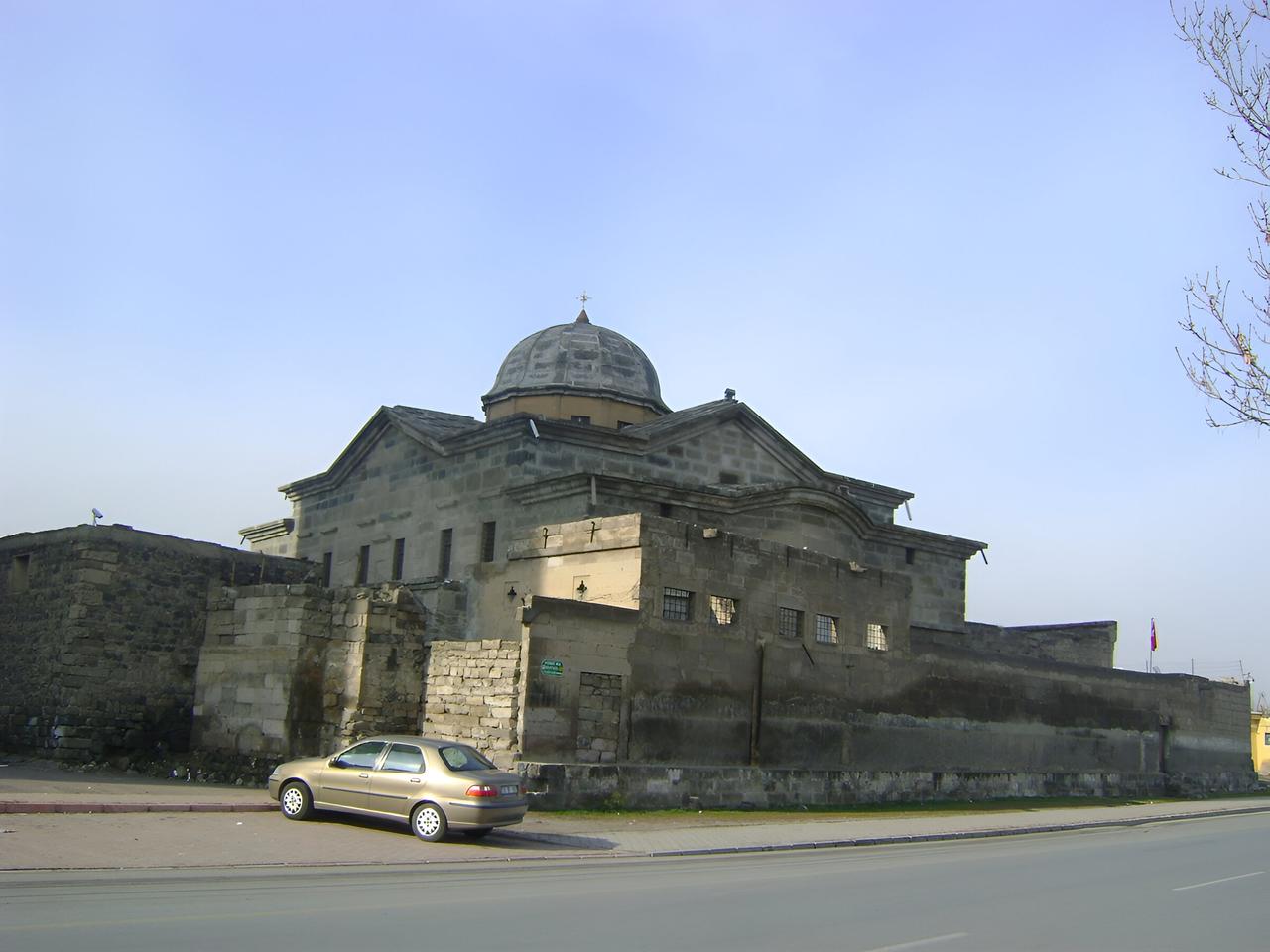
Kayseri Surp Krikor Lusavoriç Kilisesi
Location | Kayseri Setenönü Semti Şehit Miralay Nazım Bey Bulvarı | ||||||||
|---|---|---|---|---|---|---|---|---|---|
Founding Date | 1191 | ||||||||
Significance | One of the oldest and most important Armenian churches in Anatolia; the only Armenian church in Central Anatolia | ||||||||
Social Role | Place of worship for the community; spiritual center of Kayseri's Armenian congregation | ||||||||
Supporters | Pastırma merchants, artisans, and tradespeople (constructed in 1859); Kevork Ağa Mındigyan | ||||||||
Current Status | Restored and open for worship and visitation | ||||||||
Cultural Significance | Part of the Christian heritage of the Cappadocia Region; a point of interest for tourists and researchers | ||||||||
Kayseri Surp Krikor Lusavoriç Kilisesi is one of the seven remaining Armenian churches in Anatolia and is the oldest and most significant among them. Located in the Setenönü neighborhood of Kayseri, this structure was originally constructed in 1191 with its foundational stones laid and has survived to the present day through centuries of repairs and reconstructions. As the only Armenian church in Central Anatolia, it serves as the spiritual center of the Christian Armenian community in the region. The church is closely followed by tourists visiting Anatolia, pilgrims, state officials, intellectuals, and tourism circles.
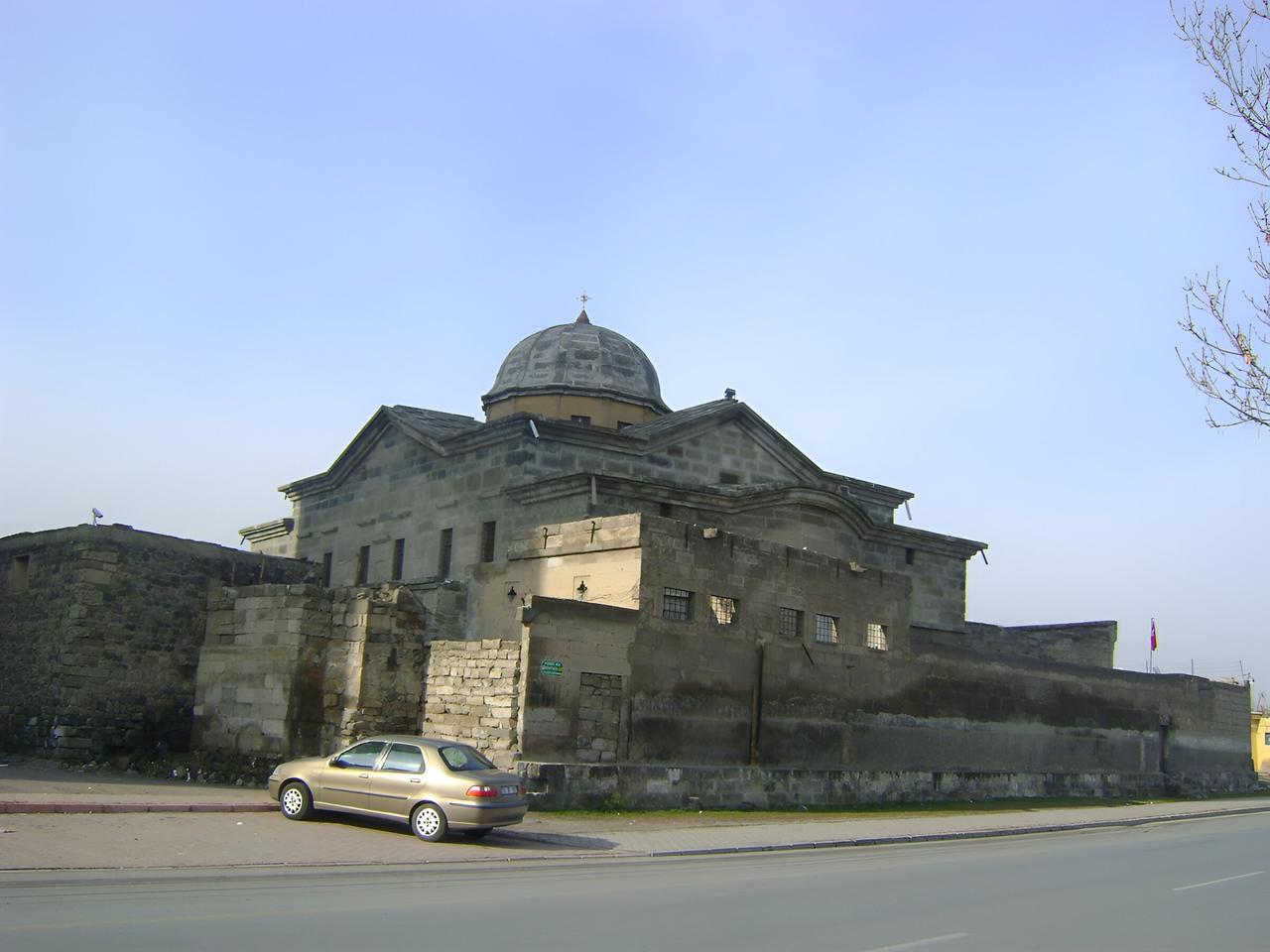
Surp Krikor Lusavoriç Kilisesi (Kayseri Valiliği)
The church’s origins trace back to 1191 with the construction of the first Armenian church in Kayseri known as Surp Krikor. This structure remained in use until the 17th century but gradually fell into ruin and was documented again in 1653 under the same name. By the first half of the 19th century, the church was known to have been destroyed or reduced to ruins. It was rebuilt in 1859 under the leadership of Kayseri merchant Kevork Ağa Mındigyan. Supported by traders of pastırma, artisans, and local merchants, the reconstruction was completed in a short time through the collective effort of the community. Upon his death in 1875, Kevork Ağa was buried in the church courtyard. The interior plastering and gold leaf gilding were completed in 1903.
Following World War I, minor repairs were carried out at the church. In 1919, a benefactor donated 100 gold coins, enabling the church bell to be rung—a moment that stirred sadness within the community. In 1977, with the departure of Kayseri’s Armenian community and religious personnel from the city, the church was temporarily closed for worship. Twenty years later, in 1996, it was restored with the contributions of Kayseri brothers Zadig and Penyamin Toker and reopened for worship in 1997. Finally, following renovations in 2009, it was re-consecrated by Patriarchal Vicar Archbishop Aram Ateşyan and returned to the community’s use.
Surp Krikor Lusavoriç Kilisesi stands out as one of the largest Armenian churches in Anatolia. Located in the center of Kayseri on Şehit Miralay Nazım Bey Boulevard, the building is adorned with frescoes featuring geometric and floral motifs. Scenes from biblical texts are depicted on the pendentives, while aesthetic patterns line the interior walls. It is noted that only one other church of its kind exists in Jerusalem.
Since its foundation, the church has been open to the worship of Armenian citizens and is regarded as a people’s place of worship. While other Armenian churches in Kayseri—Surp Asdvadzadzin and Surp Sarkis—served the aristocratic class, Surp Krikor Lusavoriç catered to a broader segment of the population. Due to the significance of the Cappadocia region as a center for Christians, the church has made important religious and cultural contributions to Kayseri’s history. Today, the restored church remains open for worship and offers visitors the opportunity to learn about Kayseri’s Armenian heritage. In addition to serving the community, the church also shares photographs, historical documents, and information about Kayseri’s notable Armenian figures for those seeking to learn more.
Kayseri Surp Krikor Lusavoriç Kilisesi is a significant structure noted for its historical fabric and architectural features as part of Anatolia’s rich cultural mosaic.
Culture Inventory. "Surp Krikor Lusavoriç Kilisesi - Kayseri." Accessed April 5, 2025.https://kulturenvanteri.com/yer/surp-krikor-lusavoric-kilisesi-kayseri/#17.25/38.711753/35.483858.
Kayseri Kilisesi. "Kayseri Kilisesi." Accessed April 5, 2025.http://www.kayserikilisesi.org/.
Kayseri Valiliği. "Surp Kirkor Losovoriç Kilisesi." Accessed April 5, 2025.http://www.kayseri.gov.tr/surp-kirkor-losovoric-kilisesi
Kültür Portalı. "Surp Krikor Lusavoriç Kilisesi | Kültür Portalı." Accessed April 5, 2025.https://www.kulturportali.gov.tr/turkiye/kayseri/gezilecekyer/surp-krikor--lusavoric--kilisesi.

Kayseri Surp Krikor Lusavoriç Kilisesi
Location | Kayseri Setenönü Semti Şehit Miralay Nazım Bey Bulvarı | ||||||||
|---|---|---|---|---|---|---|---|---|---|
Founding Date | 1191 | ||||||||
Significance | One of the oldest and most important Armenian churches in Anatolia; the only Armenian church in Central Anatolia | ||||||||
Social Role | Place of worship for the community; spiritual center of Kayseri's Armenian congregation | ||||||||
Supporters | Pastırma merchants, artisans, and tradespeople (constructed in 1859); Kevork Ağa Mındigyan | ||||||||
Current Status | Restored and open for worship and visitation | ||||||||
Cultural Significance | Part of the Christian heritage of the Cappadocia Region; a point of interest for tourists and researchers | ||||||||
No Discussion Added Yet
Start discussion for "Kayseri Surp Krikor Lusavoric Armenian Church" article
History
Architectural Features
Social and Cultural Role