This article was automatically translated from the original Turkish version.
Event | Mass Suicide Incident | ||||||||
|---|---|---|---|---|---|---|---|---|---|
Date | 18 November 1978 | ||||||||
Place | Jonestown settlement Guyana Near Port Kaituma | ||||||||
Organization Name | Peoples Temple (People's Temple) | ||||||||
Leader | James Warren (Jim) Jones | ||||||||
Type of Suicide | Cyanide Poisoning | ||||||||
Number of Deaths | 918 | ||||||||
Legal Outcome | Larry Layton was found guilty of the attack at Port Kaituma | ||||||||
The Jonestown Mass Suicide, a mass casualty event that occurred on November 18, 1978, in the Jonestown settlement in northwestern Guyana, resulted in the deaths of approximately 918 people, most of them women and children, under the direction of Peoples Temple leader Jim Jones. The event was triggered when U.S. Congressman Leo J. Ryan visited the cult’s compound and attempted to leave with several members who wished to depart; the situation escalated when Ryan and three cult members who wanted to leave were killed in an armed attack.
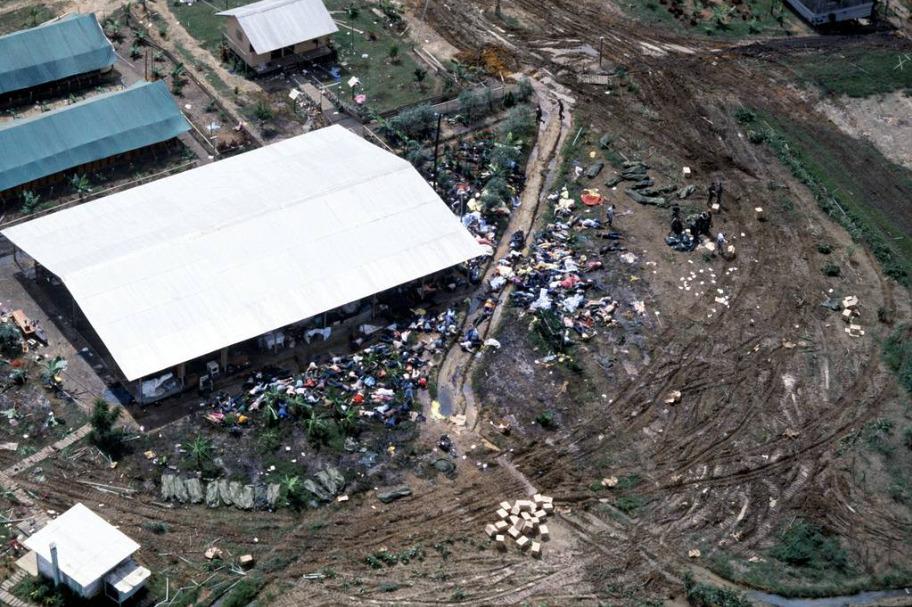
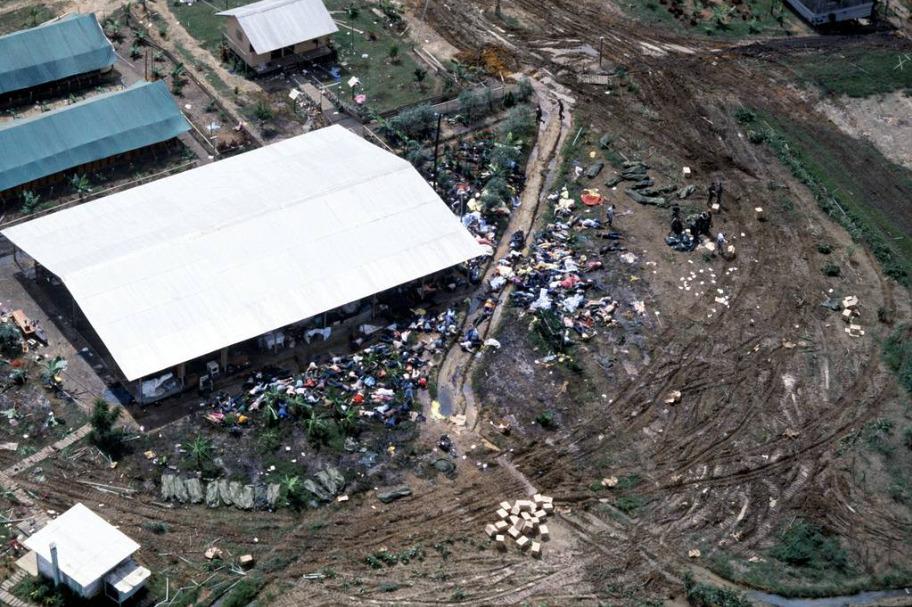
Aerial View of Bodies Collected at the Gathering Site After the Mass Suicide (NARA)
On the same day, at the central gathering area (pavilion) in Jonestown, cyanide-laced drinks were administered to adults and children; witness statements indicate that some individuals were injected and others were forcibly restrained. In the temple house in the capital Georgetown, following instructions transmitted via shortwave radio, a mother killed her three children and then herself. By the end of the day, the deaths in Jonestown, Port Kaituma, and Georgetown combined to form one of the largest mass suicides in modern history.
The core organization, begun by Jim Jones in Indiana in the early 1950s, quickly institutionalized around housing, food, and legal and counseling services for the poor, elderly, and vulnerable; it adopted the name “Peoples Temple” and developed a centralized structure. High-energy meetings, a volunteer network, and urban outreach campaigns were used to recruit members; leadership was reinforced through disciplinary mechanisms that extended into members’ daily lives. In its early phase, rhetoric against racial discrimination and the image of a “rainbow family” strengthened the organization’s public face, enabling visible relationships with local officials and political figures.
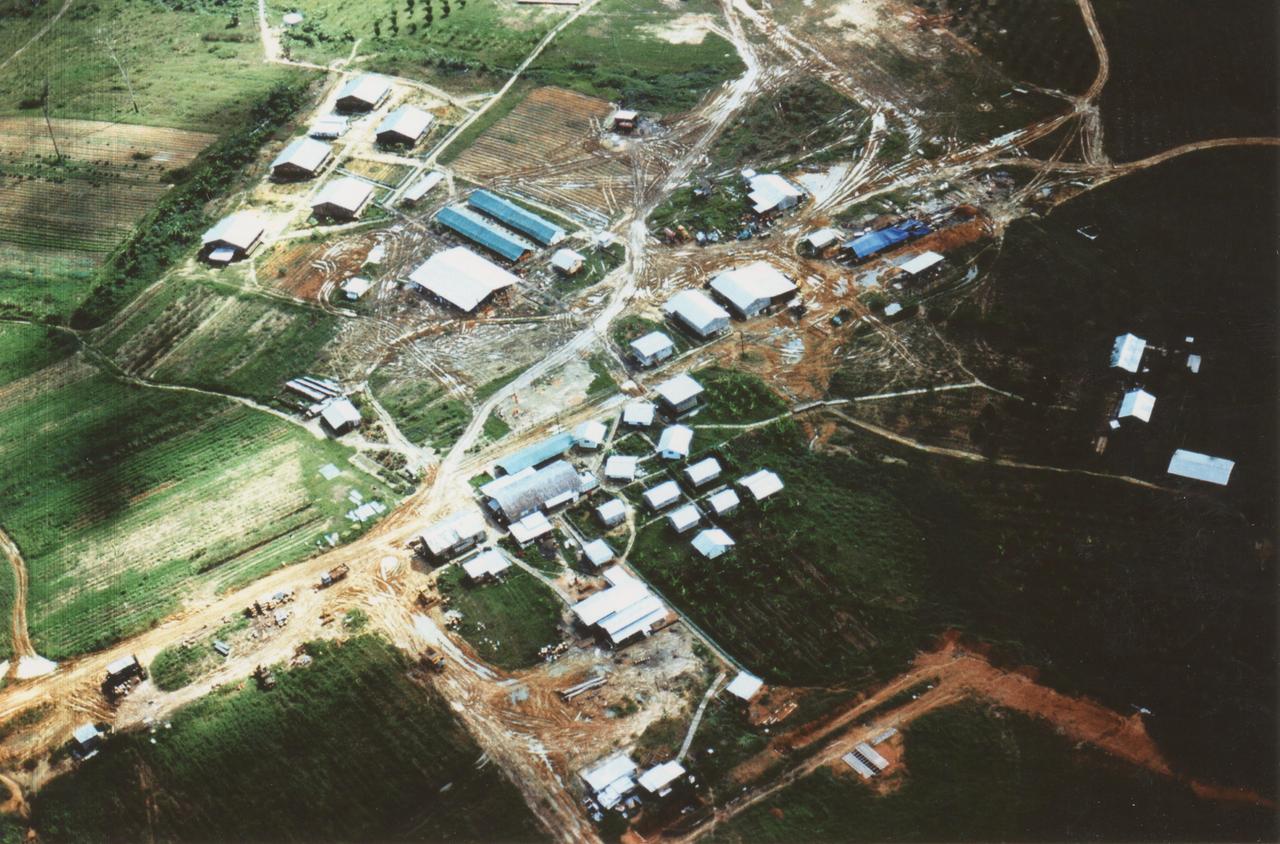
Aerial View of Jonestown (Flickr)
By 1965, the core leadership relocated to northern California, establishing facilities in the Ukiah/Redwood Valley area to support communal living, including a meeting hall, kitchen, laundry, care homes, and small-scale production units. Bus routes and mass events operated across the state, with new branches opened in Los Angeles and San Francisco. The San Francisco center became influential in local politics through volunteer mobilization and block voting, creating a foundation for collaboration with public institutions on housing and elderly care. This visibility provided protective cover on one hand, while increasing media attention and critical scrutiny on the other.
During this period, internal operations hardened significantly. Meetings extending late into the night, collective self-criticism sessions, and “White Nights”—emergency preparedness drills—became regular practices. Decision-making was centralized in small inner circles such as the “Planning Commission”; emphasis on security and loyalty intensified. The organization evolved into a full-time lifestyle offering members employment, housing, and care; attempts to leave were suppressed through disciplinary measures. This period saw criticism and defections, prompting the central leadership to further centralize internal control and information flow.
By the end of the California phase, external pressures—including growing interest from families and the media, and legal disputes—combined with internal tensions to accelerate the search for a more isolated and controllable settlement. The idea of leasing land and establishing an agricultural community in Guyana matured on this basis; the organization aimed to enhance its collective mobilization capacity in transportation, logistics, and housing.
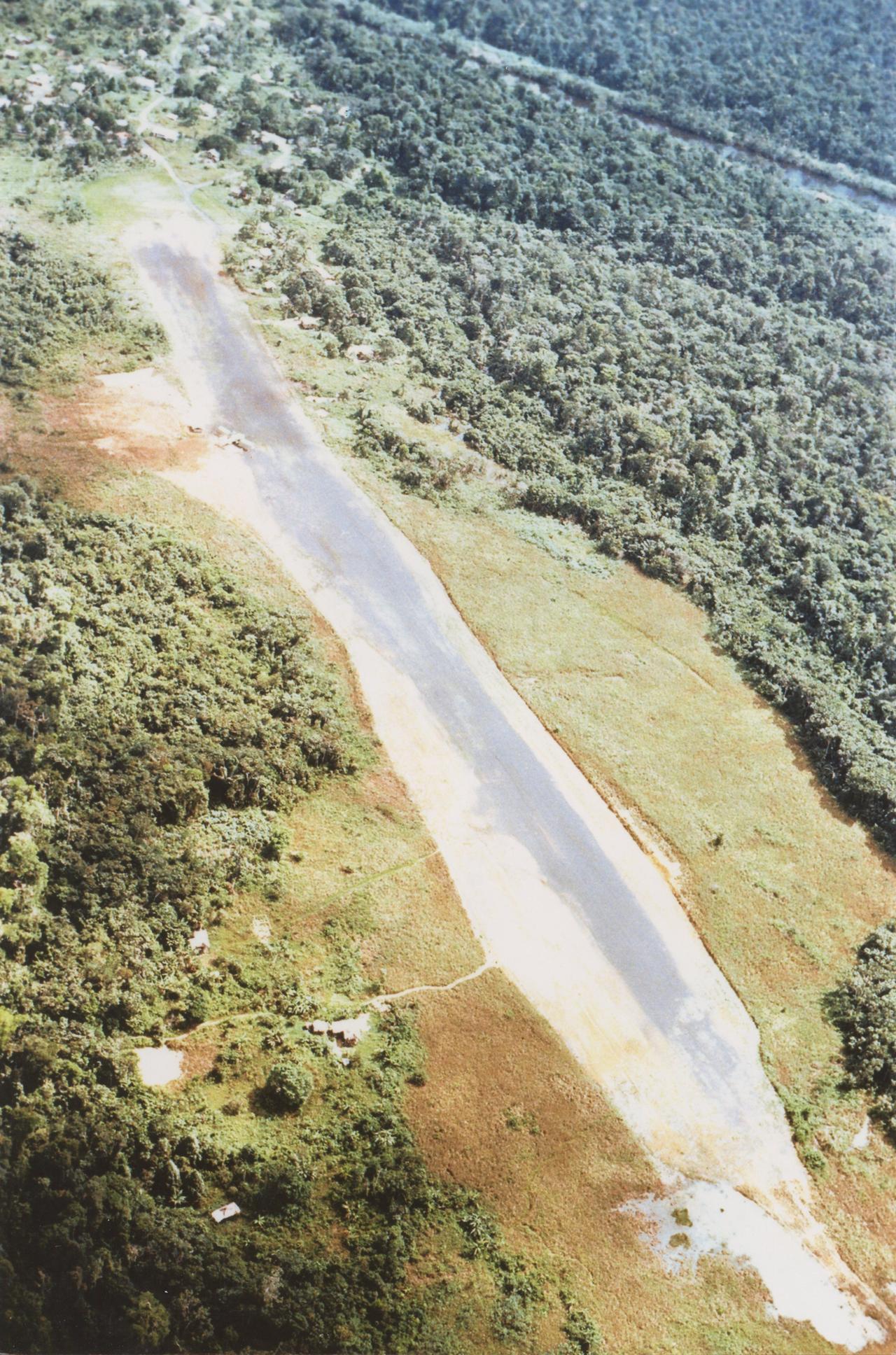
Aerial View of Kaituma Airport (Flickr)
Ultimately, the social-service-oriented roots begun in Indiana had transformed into a highly disciplined organizational structure in California; this transformation provided the institutional infrastructure necessary for the mass relocation to Jonestown in 1978. Official records and public statements highlighted the organization’s initial services and local government ties as positive examples; however, these same documents also contained evidence of harsh internal discipline and allegations of closed-circuit operations.
In the mid-1970s, the organization leased land in a forested region of northwestern Guyana, near Port Kaituma, with the goal of creating a self-sufficient communal lifestyle based on labor and collective production, isolated from external influences. The settlement was named Jonestown; the first team began clearing the forest, constructing shelters, and building basic infrastructure; within a short time, a central pavilion, dining hall-kitchen, clinic, workshops, and dormitory-style housing were erected. Daily life revolved around announcements and evening meetings held in the central pavilion; daytime activities involved long hours of farming, construction, caregiving, and kitchen work. Food supplies were sustained through local production and imported provisions; rice and legumes became staple foods; water and electricity were managed under restricted conditions.
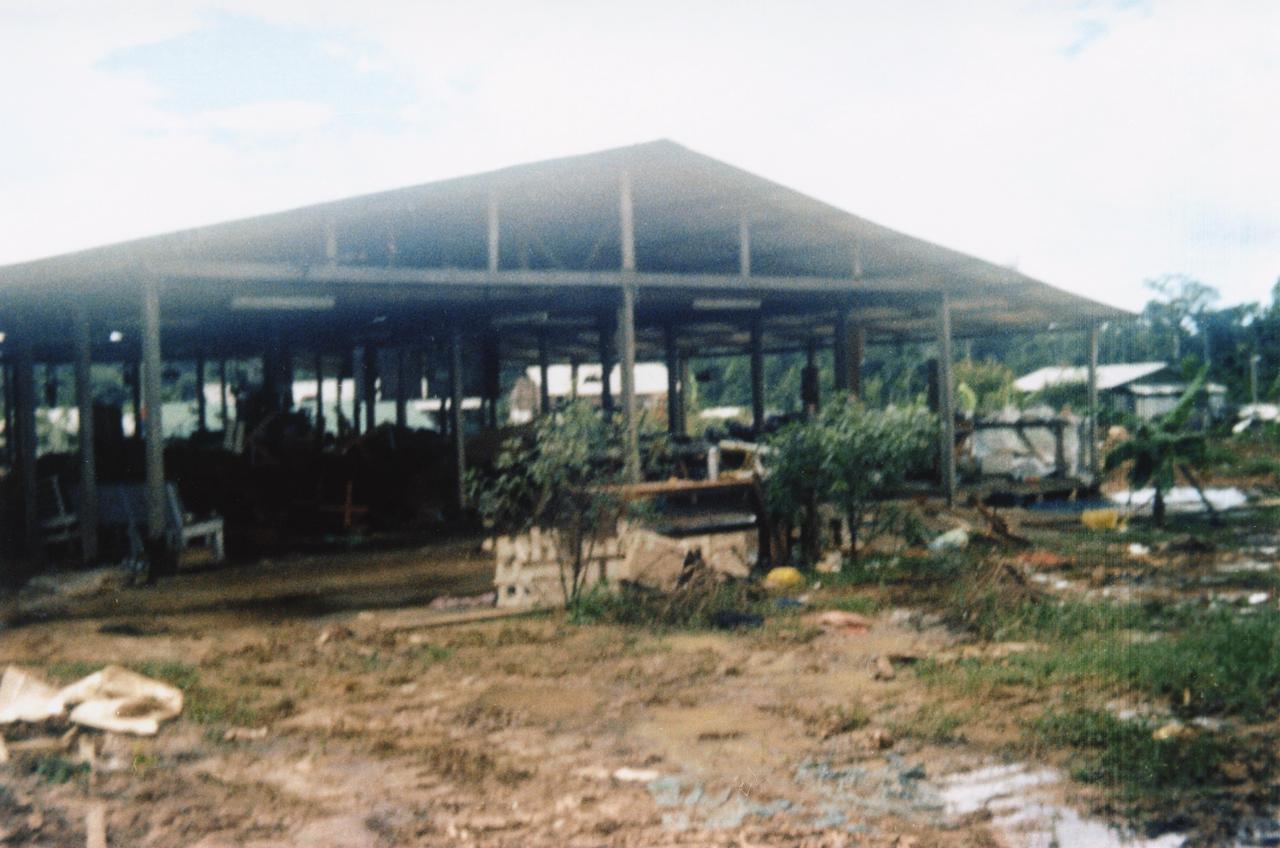
Central Gathering Area (Pavilion) - (Flickr)
Management and surveillance practices became increasingly pronounced; a hierarchical division of labor was implemented through assigned work units and supervisors. A guard and patrol system was established for internal security; the perimeter was monitored; visits and entries/exits were conducted under planned permits. Communication with the temple house in Georgetown and other联络 points was maintained via shortwave radio, reducing contact with the outside world to a controlled channel. The settlement’s clinic assumed responsibility for monitoring the health of the elderly and children, delivering basic treatments on-site. Classrooms and daytime activities were organized for children and youth; evenings featured announcements, educational sessions, and cultural performances in the central pavilion.
As time progressed, media interest in California and pressure from families and close circles intensified; mass relocations to Jonestown accelerated from 1977 onward. Members who wished to leave and their relatives organized under the name “Concerned Relatives,” bringing custody and defection claims into the public eye.
Relations with Guyanese authorities were maintained regarding administrative oversight, visitation and meetings, and residency and property rights. As complaints and petitions regarding Jonestown increased, officials began requesting visits and inspections; the community sought to preserve its closed way of life. Meanwhile, Jonestown’s supply chain for food, medicine, and spare parts became fragile; the pressure of intense migration was met by extending work hours and tightening resource distribution.
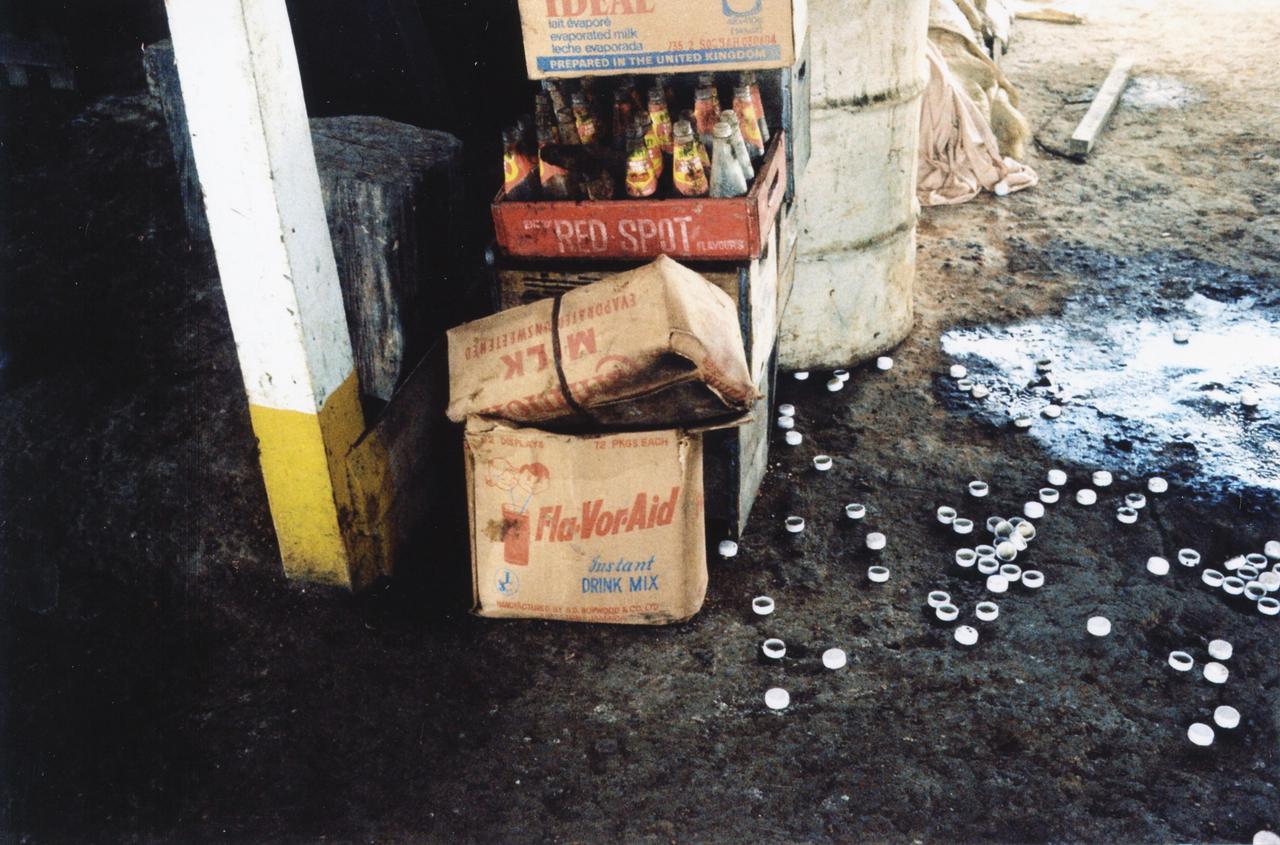
Jonestown After November 18 (Flickr)
Counter-narratives were also deployed on legal and public opinion fronts. Lawyers and spokespeople speaking on behalf of the community responded to allegations, attempting to construct a favorable framework through press conferences and written statements. Nevertheless, custody disputes, reports of missing or defected members, and claims of forced detention became increasingly visible; official interest and pressure for visits to Jonestown mounted.
Internally, alarm and disciplinary practices intensified. “White Nights”—emergency drills—became routine; centralized alerts, roll calls, and preparatory drills centered on the pavilion continued. Long nighttime meetings, self-criticism and loyalty sessions, and decision-making by a narrow inner circle became defining features of internal operations. Ultimately, the simultaneous rise in external pressure and internal tension converged around visitation demands and those seeking to leave; this accumulation created the conditions for the critical breakdown of November 1978.
The mass suicide and murders that occurred in Jonestown on the evening of November 18 are known in detail hour by hour, based on witness accounts, police reports, FBI records, and interviews with survivors. The events followed this fundamental chronology:
1. November 14–16 (Georgetown/Preparatory Contacts): A delegation led by Congressman Leo J. Ryan arrived in Georgetown and arranged for permission and transportation to enter Jonestown. Community representatives initially delayed the visit, and negotiations over lists and conditions took place between the parties.
2. November 17 (First Entry into Jonestown): The delegation reached Port Kaituma and then traveled to Jonestown. Throughout the day, demonstrations centered on the central pavilion showcased the settlement’s orderly conditions. By evening, several members informed the delegation of their desire to leave; tensions emerged between the leadership and the delegation.
3. November 18 Morning–Noon (Escalation of Tension): As discussions continued, the number of those wishing to leave increased, creating a list that strained the capacity of two small aircraft. Intense activity was observed around the central pavilion; during preparations for departure, a community member attempted a knife attack, which was swiftly subdued. The delegation decided to return to Port Kaituma Airport with those wishing to leave.
4. November 18 Afternoon (Port Kaituma Attack): The delegation and those wishing to depart reached the airport via truck and tractor trailer; the boarding process began. At this point, an armed group from Jonestown opened fire on the airport; Leo J. Ryan, three journalists accompanying him, and one community member were killed; many others were injured. The aircraft could not take off; survivors scattered or hid in the area.
5. November 18 Late Afternoon–Night (Mass Death in Jonestown): Upon receiving news of the attack, an emergency assembly was called at the central pavilion in Jonestown. A cyanide-laced drink was quickly prepared and administered first to children and infants. Distribution of the drink to adults and injections were carried out; witness statements confirm that those who resisted were physically restrained. Guards were posted around the area to direct and monitor; the settlement quickly fell silent.
6. November 18 Evening (Deaths in Georgetown): In the temple house in Georgetown, following instructions transmitted via shortwave radio, a woman killed her three children and then herself. This act was recorded as the most severe simultaneous death event outside Jonestown.
7. November 18 Night–November 19 Morning (Aftermath): A small number of people fled into the forest and spent the night in hiding; the injured remained at the airport. When Guyanese security forces entered Jonestown, they encountered numerous corpses around the central pavilion; the settlement was brought under control. The events in Jonestown, Port Kaituma, and Georgetown were recognized as parts of a single chain; one of the largest mass deaths in modern history had occurred.
After the events concluded, the media, local authorities, and the FBI showed intense interest in the case. In subsequent years, numerous academic studies were conducted based on FBI reports and witness testimonies, seeking to understand the religious, psychological, and social foundations of the tragedy.
The preparation and execution followed a pre-rehearsed plan. A command structure was established for preparing and distributing the mixture; medical supplies and storage materials were mobilized. Loudspeaker announcements, crowd direction, and perimeter security were synchronized. Witnesses reported that some individuals were forcibly held; a small number who attempted to flee were recorded as heading into the forest. Once the operation was complete, the area around the pavilion quickly fell silent, and all signs of life in the settlement ceased.
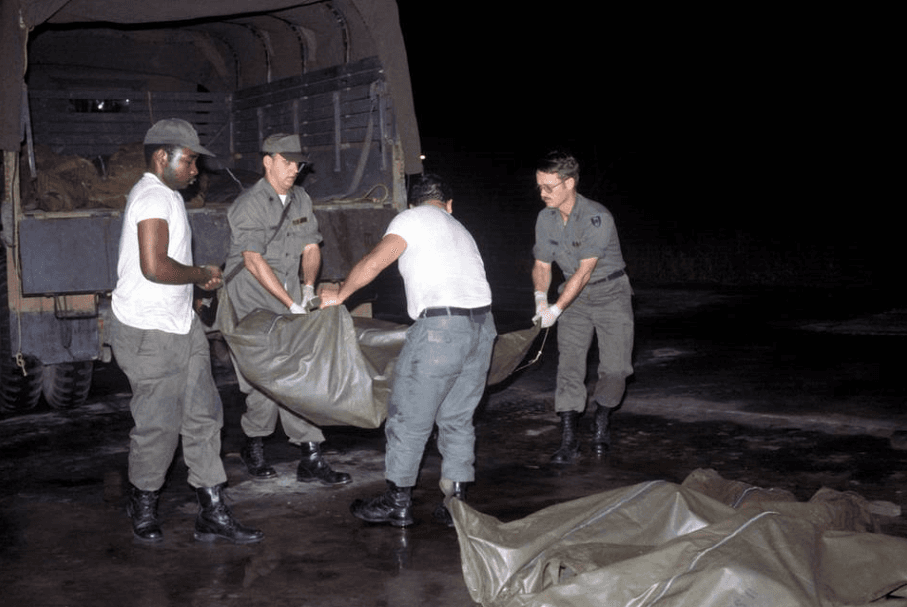
Victims Being Loaded onto a Truck for Transport to the United States (NARA)
The operation employed large containers, plastic cups, bottles, medical syringes, and drip sets to facilitate mass distribution. The mixture was administered with a sweetened beverage. It is well known that cyanide acts rapidly, and exposure thresholds are lower in children and the elderly; on-site observations also indicated short onset times.
The coercion-consent debate has been central to understanding the nature of the event. The spatial organization, guard and perimeter controls, priority administration to children, use of injections, and accounts of physical coercion suggest that a large portion of the victims were killed against their will. Conversely, some accounts describe adult members lining up voluntarily, obeying calls, and refusing to escape.
This dual picture has led to the interpretation of the event not as a simple “mass suicide,” but as a mass death combining forced killing with voluntary participation. The situation of children and infants clearly precluded any possibility of consent; among adults, the coercive atmosphere, the effective prevention of escape, and the presence of armed surveillance appear decisive.
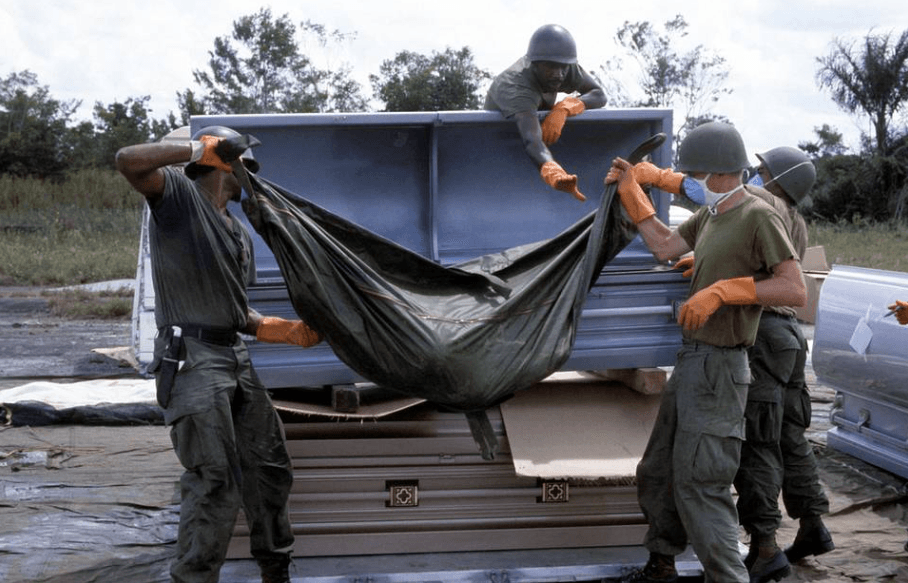
A Victim Prepared for Transport to Dover Air Force Base (NARA)
Ultimately, the death mechanism in Jonestown created a rapid, large-scale operation using pre-prepared materials and procedures; the central pavilion became an operational hub where distribution and surveillance occurred simultaneously. When read together with the armed attack at Port Kaituma and the simultaneous deaths in Georgetown, the events of November 18, 1978, are revealed as parts of a single chain, with the poison mixture as the primary instrument in Jonestown, and perimeter control and coercion as the main methods.
During the distribution and coercion at the central pavilion on the day of the event, some adults fled into the forest, others headed toward the airstrip, and a few remained hidden within the settlement. Individuals such as Stanley Clayton and Odell Rhodes took refuge in the forest; Hyacinth Thrash survived by hiding in the settlement. A few, like Tim Carter, attempted to reach Georgetown with documents and money bags removed from the settlement; survivors of the airstrip attack scattered into the surrounding area. Accounts generally painted the same picture: the mixture was first given to children; adults were forced to drink from cups or were injected; the perimeter was maintained by armed surveillance.
Beginning on the night of November 18–19, Guyanese security forces took control of the settlement and discovered numerous corpses around the central pavilion. Due to tropical climatic conditions, rapid decomposition occurred; initial estimates of approximately 400 bodies rose sharply as bodies stacked atop one another were separated; the total count quickly exceeded 900. The attack at Port Kaituma was treated as a separate case file; a local prosecutorial investigation was initiated for the deaths in Georgetown. Identification and forensic procedures were limited due to capacity constraints; the majority of the bodies were later transported to the United States.
The bodies were transported to a facility at Dover Air Force Base, where identification, limited autopsies, and burial procedures were carried out. The event was designated by the FBI in the United States under the code name “RYMUR” (Ryan murder) and compiled into a comprehensive file; audio tapes, correspondence, inventories, and witness statements collected from Jonestown were gathered. Larry Layton, assessed as involved in the Port Kaituma attack, faced judicial proceedings in both Guyana and the United States; in the U.S. trial, he was convicted of murder and conspiracy and later released on parole. Investigations revealed that the poison mixture had been procured and stored in advance, that the operation was conducted under a hierarchical structure, and that it was synchronized with perimeter security.
Relatives of the deceased and some institutions filed lawsuits seeking compensation from the community’s assets and its leaders. The community’s legal entities and trust/foundation accounts in the United States were audited and liquidated; administrative files centered in San Francisco and debt-creditor relationships became the subject of prolonged legal disputes. Mass burials and individual funeral arrangements were carried out according to family preferences for cases where identification was completed.
The Jonestown population was predominantly African American, with a higher proportion of women than men; a significant number of children and young people lived in the settlement with their families. The age distribution extended to older adults due to the presence of individuals drawn from the elderly care network. This composition provided a foundation explaining both the appeal of social welfare and care services and the predisposition toward collective life based on shared production. Access to secure housing, regular food and care, a work-based daily schedule, and the promise of a protective community for marginalized groups were decisive factors in recruitment.
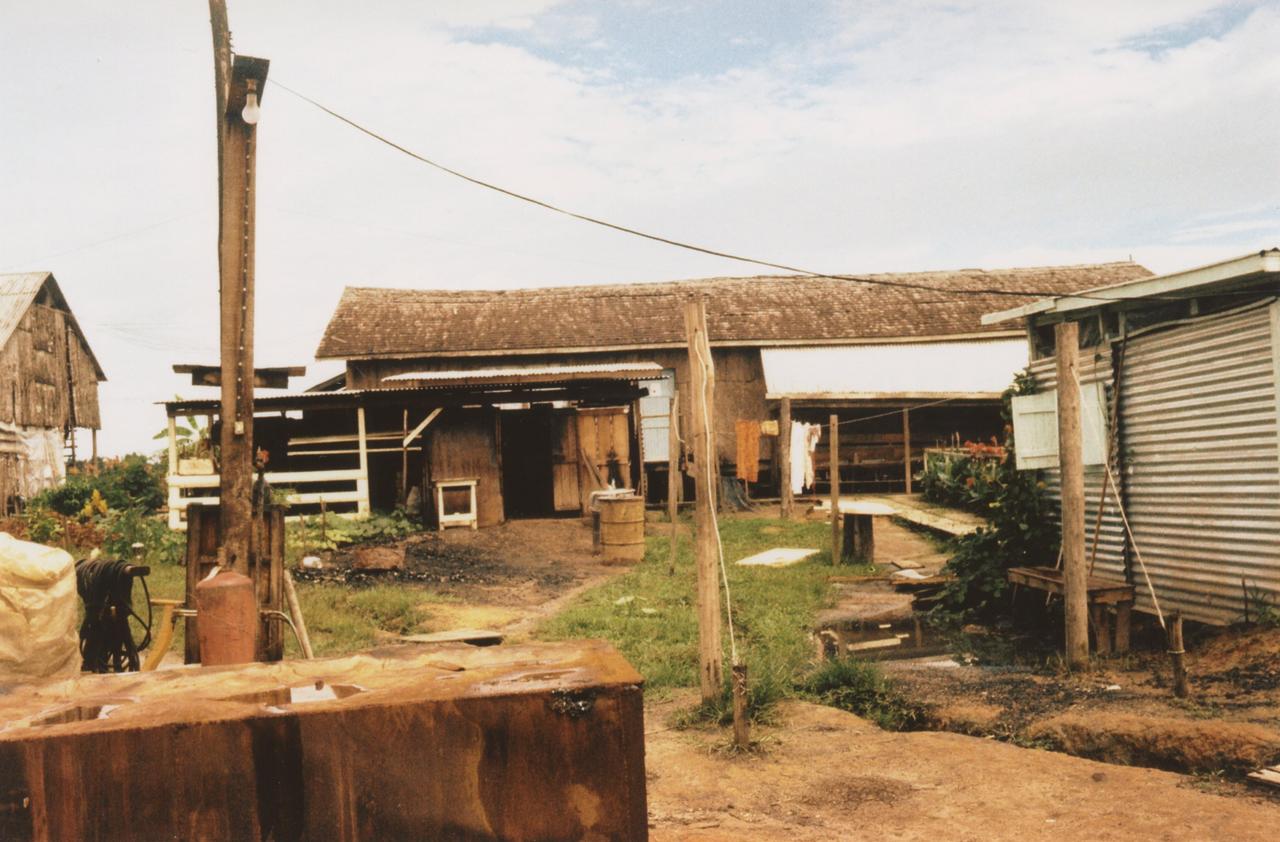
Central Structures in Jonestown (Flickr)
Recruitment occurred not only through rhetoric but also through concrete services and an extensive volunteer network; after entry, bonds were solidified through long work hours, the meeting and announcement regime around the central pavilion, and internal security practices. This structure made individual departure difficult and increased logistical, psychological, and normative barriers for those considering leaving.
Jonestown Film Trailer (Davidsen)
Decision-making gradually concentrated in a narrow inner circle, and information flow became top-down. “White Night” drills and nighttime meetings reinforced a culture of obedience and preparedness; the execution on November 18, 1978, was made possible by the rapid mobilization of previously tested protocols.
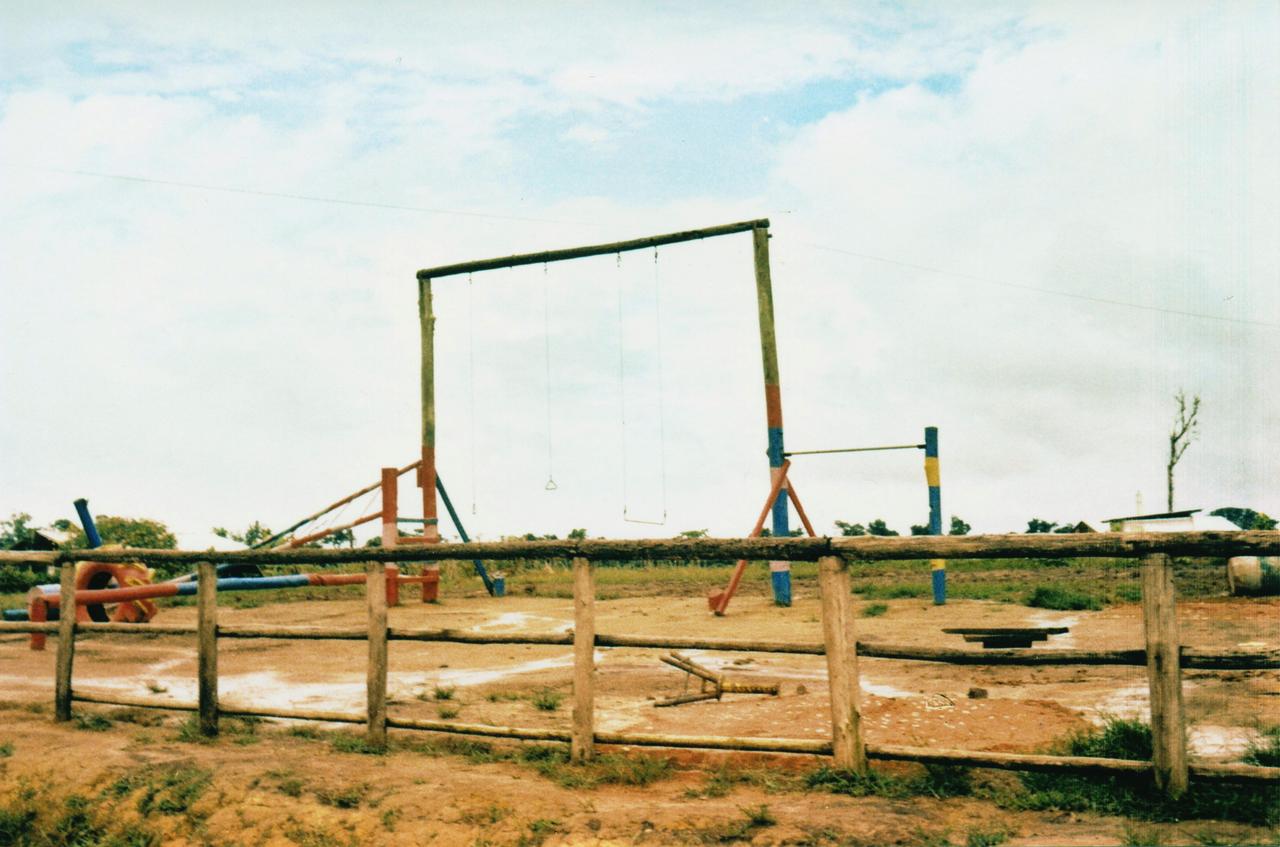
Jonestown Children’s Play Area (Flickr)
The community established what can be described as a “care economy,” particularly in areas of poverty alleviation, elderly and sick care, and housing; this economy relied heavily on the labor of Black women; through food preparation, cleaning, caregiving, and logistical duties, it generated both belonging and dependency.
The event prompted a review of standards in crisis management, mass death investigations, identification, and funeral procedures in the United States; in public memory, due to the deaths of children and the presence of armed surveillance and coercion, it is remembered not as a simple “mass suicide,” but as a tragic and coercive example of mass death.
Alternative Considerations of Jonestown & Peoples Temple. "Aftermath." *Jonestown Project*, Southern California State University. Accessed October 17, 2025.https://jonestown.sdsu.edu/?page_id=13689.
Alternative Considerations of Jonestown & Peoples Temple. "Audiotape Transcripts from Peoples Temple Documents." *Jonestown Project*, Southern California State University. Accessed October 17, 2025.https://jonestown.sdsu.edu/?page_id=29030
Alternative Considerations of Jonestown & Peoples Temple. "November 1978." *Jonestown Project*, Southern California State University. Accessed October 17, 2025.https://jonestown.sdsu.edu/?page_id=13940.
Audiovisual Sources
Beltran, William. “Jonestown, Paradise Lost: An Investigation of Jim Jones and the People’s Temple.” *The Eastern Illinois University Political Science Review* 3, no. 1 (Fall 2013). Accessed October 17, 2025.https://thekeep.eiu.edu/cgi/viewcontent.cgi?article=1012&context=eiupsr
Davidsen. “Jomestown (2013) Extended Trailer.” YouTube. Accessed October 17, 2025.https://www.youtube.com/results?search_query=Jamestown+2013+trailerJONESTOWN.
Federal Bureau of Investigation. “Jonestown.” FBI — Famous Cases, U.S. Department of Justice. Accessed October 17, 2025.https://www.fbi.gov/history/famous-cases/jonestown.
Flickr. "Building Central." Photograph: Peoples Temple Collection. Flickr. Accessed October 17, 2025.https://www.flickr.com/photos/peoplestemple/49656383281/in/album-72157656018105909/.
Flickr. "Kaituma Airstrip." Photograph: Peoples Temple Collection. Flickr. Accessed October 17, 2025.https://www.flickr.com/photos/peoplestemple/49656816572/in/album-72157656018105909/.
Flickr. "Pavlivion 1." Photograph: Peoples Temple Collection. Flickr. Accessed October 17, 2025.https://www.flickr.com/photos/peoplestemple/49655894883/in/album-72157656018105909/.
Flickr. "Playground." Photograph: Peoples Temple Collection. Accessed October 17, 2025.https://www.flickr.com/photos/peoplestemple/49656534176/in/album-72157656018105909/.
Flickr. “Central Jonestown 6.” Photograph: Peoples Temple Collection. Flickr. Accessed October 17, 2025.https://www.flickr.com/photos/peoplestemple/49656710212/in/album-72157656018105909/
Flickr. “Jonestown after November 18, 1978.” Photograph: Peoples Temple Collection. Flickr. Accessed October 17, 2025.https://www.flickr.com/photos/peoplestemple/49656764147/in/album-72157656018105909/
Moore, Rebecca. *Peoples Temple and Jonestown in the Twenty-First Century*. Cambridge: Cambridge University Press, 2022. Accessed October 17, 2025.https://jonestown.sdsu.edu/wp-content/uploads/2022/07/peoples_temple_and_jonestown_in_the_twentyfirst_century.pdf
Moore, Rebecca. *Understanding Jonestown and Peoples Temple*. Westport, CT: Praeger Publishers, 2009. Accessed October 17, 2025.https://jonestown.sdsu.edu/wp-content/uploads/2022/04/REM-Understanding-Jonestown-Peoples-Temple-MS8.pdf
National Archives. “An Aerial View of the Bodies of the Victims of the Jonestown Tragedy.” National Archives and Records Administration (NARA). Accessed October 17, 2025.https://nara.getarchive.net/media/an-aerial-view-of-the-bodies-of-the-victims-of-the-jonestown-tragedy-us-army-e3ea14.
National Archives. “U.S. Military Personnel Place a Body Bag Containing the Remains of a Victim of the Jonestown Tragedy.” National Archives and Records Administration (NARA). Accessed October 17, 2025.https://nara.getarchive.net/media/us-military-personnel-place-a-body-bag-containing-the-remains-of-a-victim-of-b1d124.
National Archives. “U.S. Military Personnel Remove a Body Bag Containing the Remains of a Victim of the Jonestown Tragedy.” National Archives and Records Administration (NARA). Accessed October 17, 2025.https://nara.getarchive.net/media/us-military-personnel-remove-personnel-remove-body-bag-containing-the-remains-2da02a.
Research Works
Scheeres, Julia. *A Thousand Lives: The Untold Story of Hope, Deception, and Survival at Jonestown*. New York: Free Press, 2011. Accessed October 17, 2025.https://jonestown.sdsu.edu/wp-content/uploads/2022/06/athousandlives.pdf
Scholarly Resources Inc. "Guide to the Microfilm Edition of the FBI File on Jonestown." Microfilm Publication by Scholarly Resources Inc., an Imprint of Thomson Gale. Accessed October 17, 2025.https://assets.cengage.com/gale/psm/8377000C.pdf.

Event | Mass Suicide Incident | ||||||||
|---|---|---|---|---|---|---|---|---|---|
Date | 18 November 1978 | ||||||||
Place | Jonestown settlement Guyana Near Port Kaituma | ||||||||
Organization Name | Peoples Temple (People's Temple) | ||||||||
Leader | James Warren (Jim) Jones | ||||||||
Type of Suicide | Cyanide Poisoning | ||||||||
Number of Deaths | 918 | ||||||||
Legal Outcome | Larry Layton was found guilty of the attack at Port Kaituma | ||||||||
No Discussion Added Yet
Start discussion for "Jonestown Mass Suicide Case" article
The Rise of Jim Jones and the Peoples Temple
The Establishment of Jonestown
External Pressures and Internal Tensions
November 14–18, 1978: Detailed Chronology
The Suicide-Murder (Coercion–Consent) Debate
Witnesses, Survivors, and Legal Proceedings
Survivors’ Accounts
Initial Actions in Guyana
Legal Process and Investigation in the United States
Civil Lawsuits and Asset Liquidation
Demographics, Social Structure, and Legacy