


This article was automatically translated from the original Turkish version.
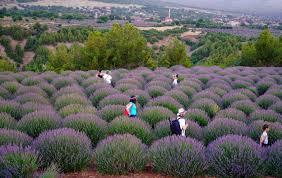
Isparta Lavender Gardens
Location | Kuyucak Village Isparta Keçiborlu | ||||||||
|---|---|---|---|---|---|---|---|---|---|
Coordinate(s) | 37.8733° N 30.1554° E | ||||||||
Area(s) | An area of approximately 500 dekars | ||||||||
Tourism Season | Late June to mid-July | ||||||||
Products | Lavender oil, soap, cologne, tea, dried lavender | ||||||||
Isparta Lavender Gardens are an agricultural and rural tourism center located in the village of Kuyucak and surrounding villages in the Keçiborlu district of Isparta province, Türkiye. During the summer months, when lavender blooms en masse, the region has become a destination noted for both its visual appeal and agricultural output. Lavender production is a significant economic activity contributing to Isparta’s rural development goals.
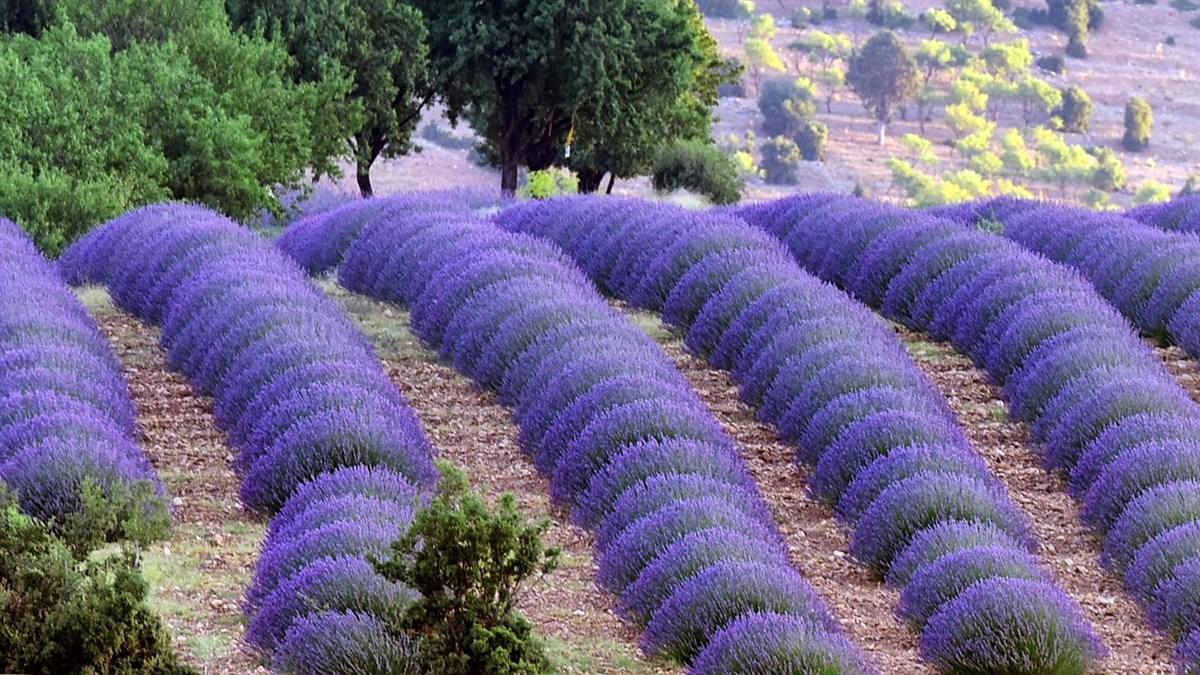
A View from the Lavender Gardens (Isparta Governorship)
The village of Kuyucak, where lavender fields are most concentrated, is approximately 47 km from the city center of Isparta and 15 km from the district center of Keçiborlu. Road access to the area is available. During the summer season, special tours and public transportation options are provided for visitors wishing to see the lavender fields.
Lavender cultivation in Isparta began in the 1970s, with initial trials conducted in villages under Keçiborlu district. Kuyucak Village was among the first settlements where lavender production became widespread and achieved commercial scale. Today, lavender is not only an agricultural product but also a key attraction supporting rural tourism. Lavender oil, along with products such as soap, cologne, tea, and pillows, adds significant value to the regional economy.
The region possesses suitable climate and soil conditions for lavender cultivation. Lavender is a drought-resistant plant requiring minimal water, making it advantageous for the sustainable use of local natural resources. Agricultural production is generally carried out without the use of chemical pesticides.
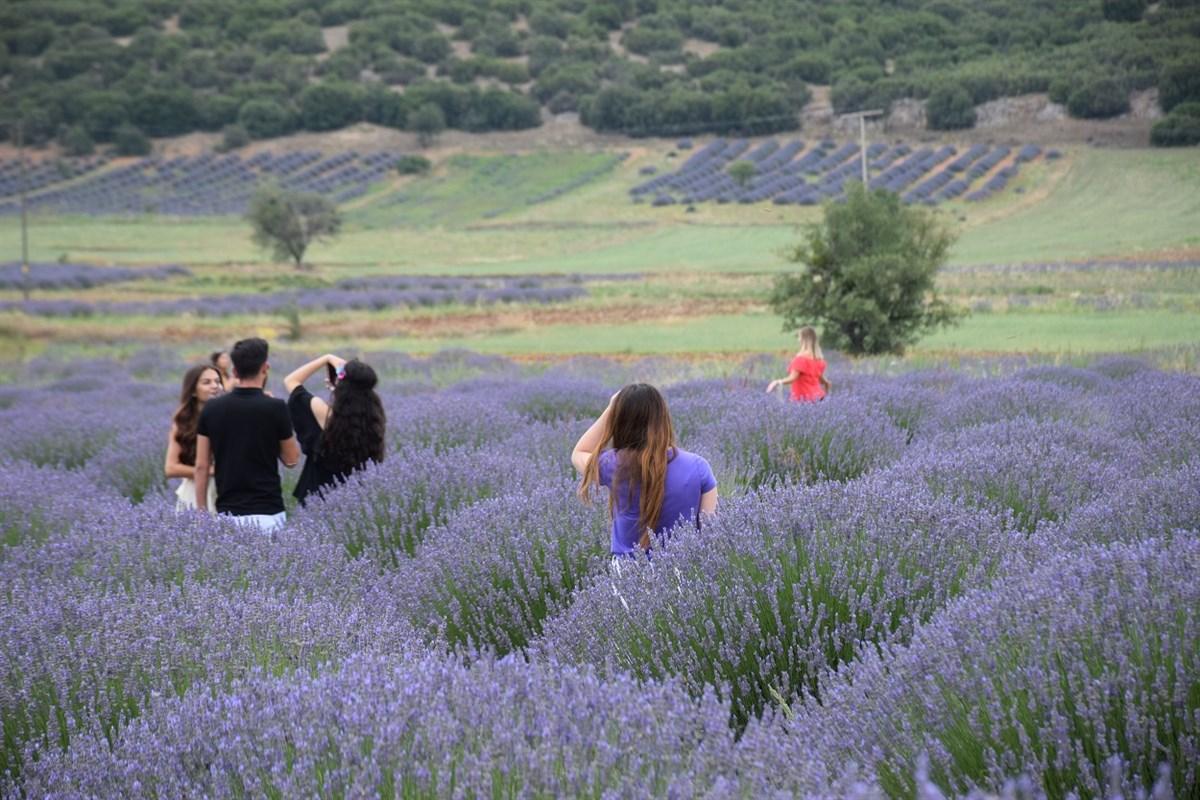
Lavender Gardens as a Tourist Destination (Isparta Governorship)
Between late June and mid-July, when lavender blooms, the region becomes a popular destination for photographers, nature enthusiasts, and tourists. Lavender-themed walking trails, accommodation options in village houses, and local product sales points enable the local population to derive direct income from tourism. This has had a mitigating effect on rural migration and helped retain the rural population.
Lavender production is carried out within a framework of sustainable rural development, without harming the region’s environmental values and with active participation from the local community. Supported by state-funded projects and women’s cooperatives, the cultivation and processing of lavender are organized with careful attention to maintaining ecological balance.
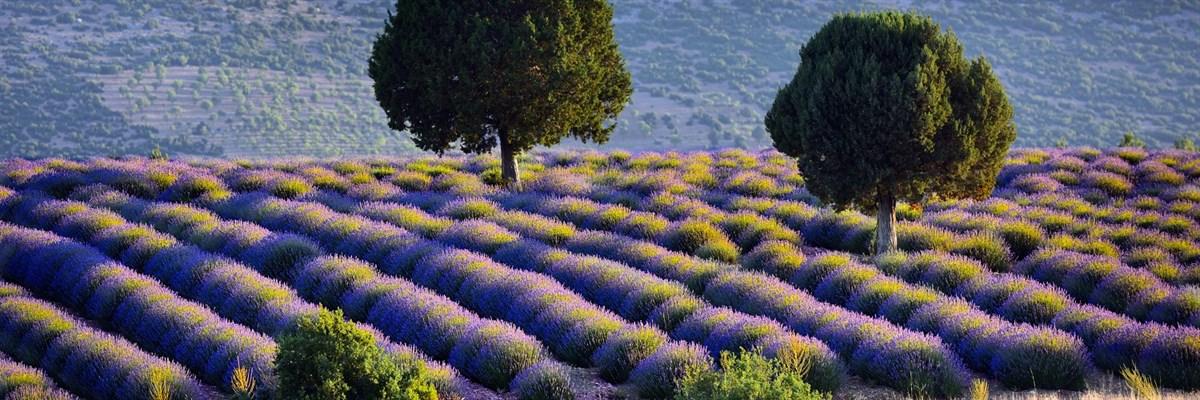
Isparta Lavender Gardens (Isparta Governorship)
Some Views from the Lavender Gardens (Gezi Vision)
Gezi Vizyonu. "Lavanta Bahçeleri Tanıtımı." Gezi Vizyonu Youtube Kanalı. Accessed June 5, 2025. https://www.youtube.com/watch?v=Sw1bzpfi0Cc
Isparta Valiliği. Isparta Lavantası. Isparta Valiliği. Accessed June 4, 2025.
Republic of Turkey Ministry of Culture and Tourism. "Kuyucak Köyü Lavanta Tarlaları." - Kültür Portalı. Accessed June 4, 2025.
Republic of Turkey Ministry of Culture and TourismIsparta İl Directorate of Culture and Tourism. "Lavanta Kokulu Köy."
Republic of Turkey Ministry of Culture and TourismIsparta İl Directorate of Culture and Tourism. Accessed June 4, 2025.

Isparta Lavender Gardens
Location | Kuyucak Village Isparta Keçiborlu | ||||||||
|---|---|---|---|---|---|---|---|---|---|
Coordinate(s) | 37.8733° N 30.1554° E | ||||||||
Area(s) | An area of approximately 500 dekars | ||||||||
Tourism Season | Late June to mid-July | ||||||||
Products | Lavender oil, soap, cologne, tea, dried lavender | ||||||||
No Discussion Added Yet
Start discussion for "Isparta Lavender Gardens" article
Geographical Location and Access
History and Economic Importance
Ecological Characteristics
Tourism Activities and Socio-Cultural Impact
Conservation and Sustainability Efforts