


This article is not approved yet.
Irony is described in literature and rhetoric as a narrative technique that purposely creates a difference between the apparent meaning and the actual meaning. For the reader or listener, this disparity creates ambiguity, critical awareness, and a variety of interpretive options. From a theoretical perspective, verbal irony, which happens when what is spoken contrasts from what is meant, is considered a significant category in textual analysis. Irony also acts in dramatic, structural, or situational forms; dramatic irony happens when the reader understands a reality that the characters are unaware of, while situational irony occurs when events unfold in a manner opposite to expectations. Because of its diversity, irony can be used in literary narrative and storytelling in addition to being a language metaphor.
Verbal irony comprises circumstances where a character’s or narrator’s words contradict their intended meaning, allowing the author to express their message indirectly. The reader or listener can interact critically with the text and carry out many interpretations thanks to this technique. In literature, dramatic or structural irony can be achieved by the narrator’s perspective, the consciousness of characters, and narrative methods, thus affording the text both aesthetic and critical function. Irony is also a potent instrument for challenging human behavior, social norms, and ideals; it frequently uses humor and satire to bolster its impact.
Irony has been utilized in English literature from the Middle Ages to the current day in diverse forms. In Geoffrey Chaucer’s The Merchant’s Tale, irony arises through the contradictions in characters’ behavior and the narrator’s perspective, offering a satirical critique of social norms; the reader recognizes these contradictions, simultaneously entertaining and provoking reflection on moral and social values. In Jane Austen’s Pride and Prejudice, irony is deployed to critically examine issues such as social position, marriage, gender roles, and class constraints. Austen reveals the flaws and superficiality of these rules through statements that, on the surface, match conventional conventions. These examples indicate that irony in English literature is not only a linguistic construct but also a potent instrument for social and thematic critique.
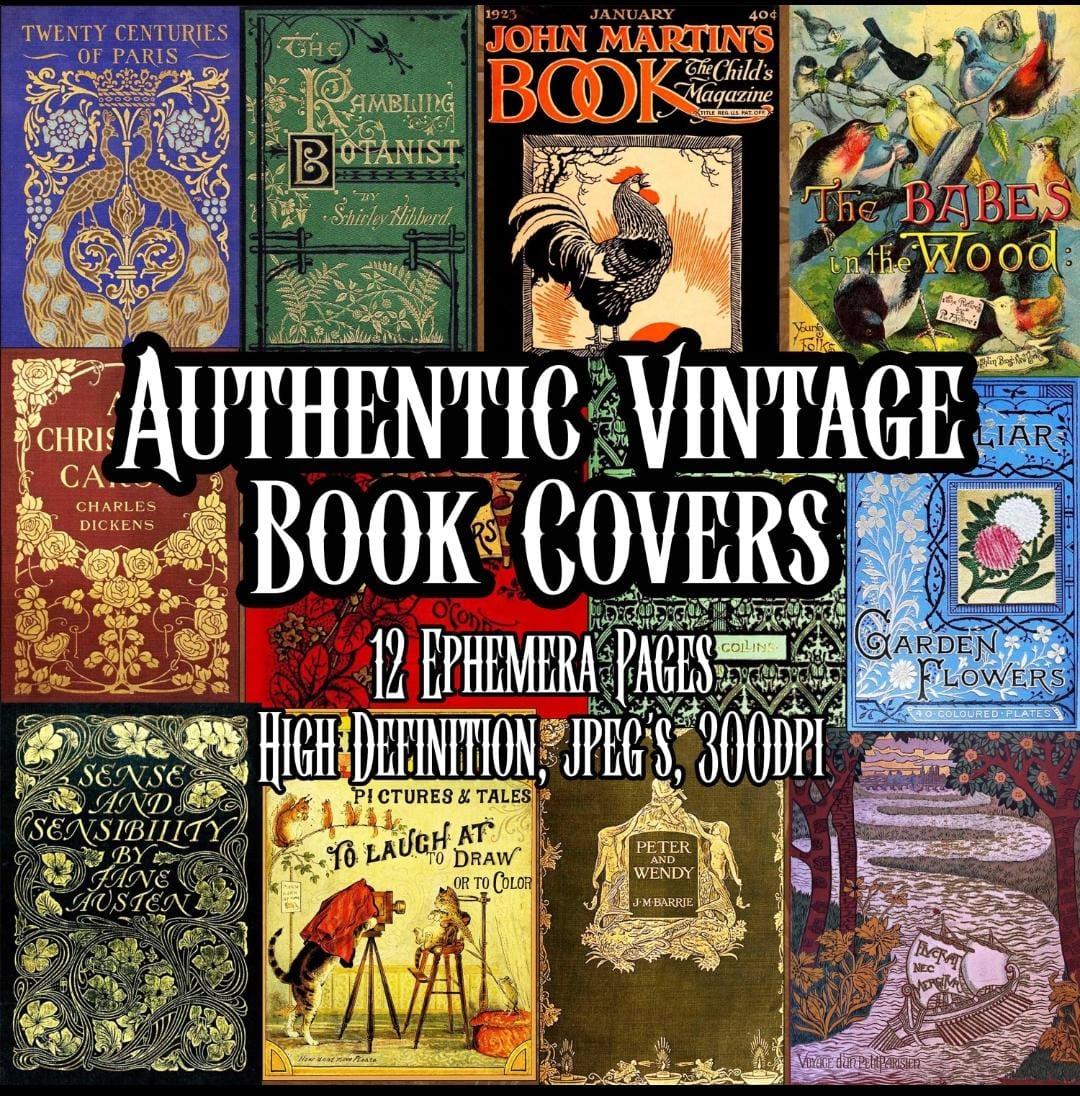
Irony in literary works compels critical engagement with the text by giving it depth and various levels of meaning while changing the reader from a passive spectator to an active interpretation. This procedure makes it impossible to read a work superficially and makes it possible to analyze its social, cultural, and ideological aspects. In situations of structural or dramatic irony, the author purposely manipulates the narrator’s position and perspective to enhance narrative complexity and suspense. Moreover, irony effectively challenges cultural conventions, morals, and human behavior through humor and satire. These traits make irony a desirable narrative strategy for both literary aesthetics and critical analysis.
In conclusion, irony is a vital and adaptable element in English writing, bridging the gap between surface narrative and deeper thematic inquiry. Its potential to express several layers of meaning, question social conventions, and engage readers in critical inquiry highlights its continuing value. It is clear from looking at both historical and modern examples that irony is a key tool for studying human conduct, social standards, and literary artistry rather than just a stylistic element. As a result, knowing how irony is used improves critical scholarship in English literary studies as well as literary appreciation.
AIAC Journals. "A New Analysis of Verbal Irony." International Journal of Applied Linguistics & English Literature (2021).
https://journals.aiac.org.au/index.php/IJALEL/article/view/3425
Al-Kindi Publishers. "Irony in the Storytelling of Two Short Stories: Rip Van Winkle and The Story of an Hour." International Journal of Language and Literature Teaching (2023).
https://al-kindipublishers.org/index.php/ijllt/article/view/6707
CAJLPC. "Irony in English-Language Fiction as an Expression of the Author's Worldview." Central Asian Journal of Language and Politics in Communication (2022). https://cajlpc.casjournal.org/index.php/CAJLPC/article/view/778

No Discussion Added Yet
Start discussion for "Irony in English Literature" article
Irony in English Literature
Definition and Theoretical Framework
Types and Functions of Irony
Irony in English Literature: Examples and Applications
Academic Significance
Conclusion
This article was created with the support of artificial intelligence.