


This article was automatically translated from the original Turkish version.
+1 More
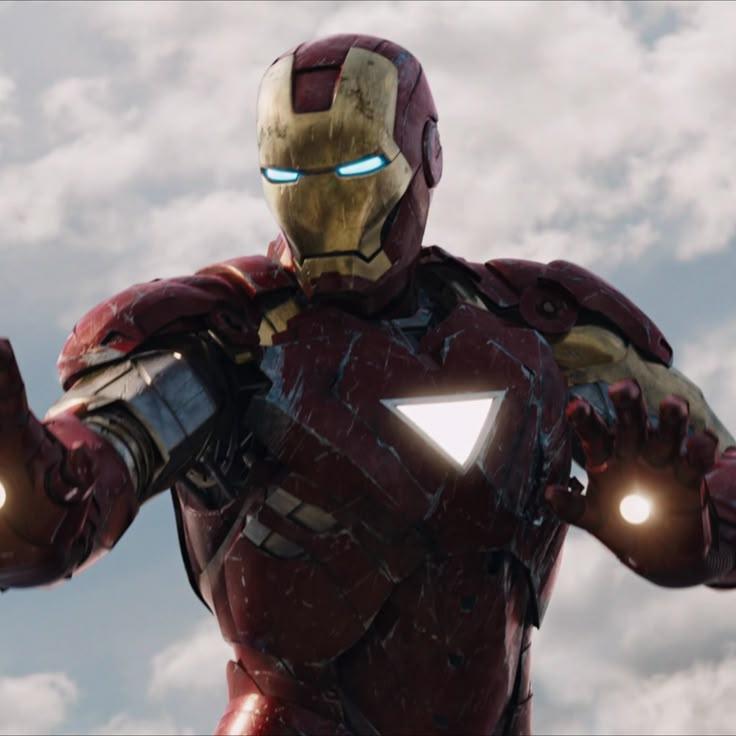
Iron Man (Fictional Character)
Full Name of the Character | Anthony Edward Tony Stark | ||||||||
|---|---|---|---|---|---|---|---|---|---|
Publisher | Marvel Comics | ||||||||
First Publication | Tales of Suspense #39 (March 1963) | ||||||||
Cinematic Rights | Marvel Studios (as of 2008) | ||||||||
Main Universe | Marvel Universe (Earth-616, comics) and Marvel Cinematic Universe (MCU) | ||||||||
Creators | Larry Lieber (script) Stan Lee (concept and story) Jack Kirby (original design) Don Heck (art) | ||||||||
Portraying Actor | Robert Downey Jr. | ||||||||
Company the Character is Associated With | Stark Industries (founded by his father Howard Stark; CEO Tony Stark) | ||||||||
Iron Man is a fictional superhero published by Marvel Comics. The character, whose real name is Anthony Edward Stark, is portrayed as a wealthy industrialist, arms manufacturer, engineer, and entrepreneur. He first appeared in Tales of Suspense #39 (March 1963), created by Stan Lee, written by Larry Lieber, and illustrated by Don Heck and Jack Kirby. Over time, Iron Man has become one of the most prominent characters in the Marvel Universe, both in comics and cinema.
Tony Stark is the CEO of Stark Industries. During a military conflict, he is injured and captured, and to survive, he develops an electromagnetized chest device. Simultaneously, he builds his first Iron Man suit to escape captivity. After regaining his freedom, Stark decides to refine this technology for public benefit.
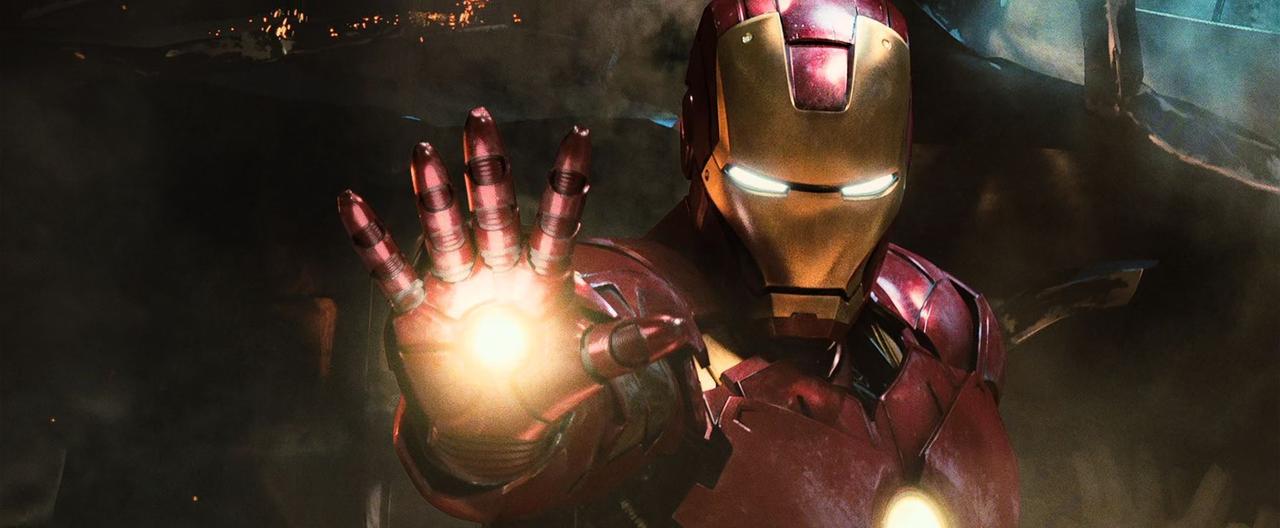
Iron Man (ABC13News)
Stan Lee conceived Iron Man as a figure representing American industry during the Cold War. In Tony Stark’s original story, his capture during the Vietnam War and his development of the armor to save his own life were designed to emphasize the character’s technological transformation.
In the early years, Iron Man’s character was defined by Tony Stark as a producer of military technology, but over time he distanced himself from the defense industry and shifted toward developing technology for peaceful purposes. The character’s evolution has explored themes such as alcoholism (Demon in a Bottle, 1979) and ethical responsibility.
Iron Man began his own comic book series in 1968 (Iron Man vol. 1). Key storylines in the character’s history include:
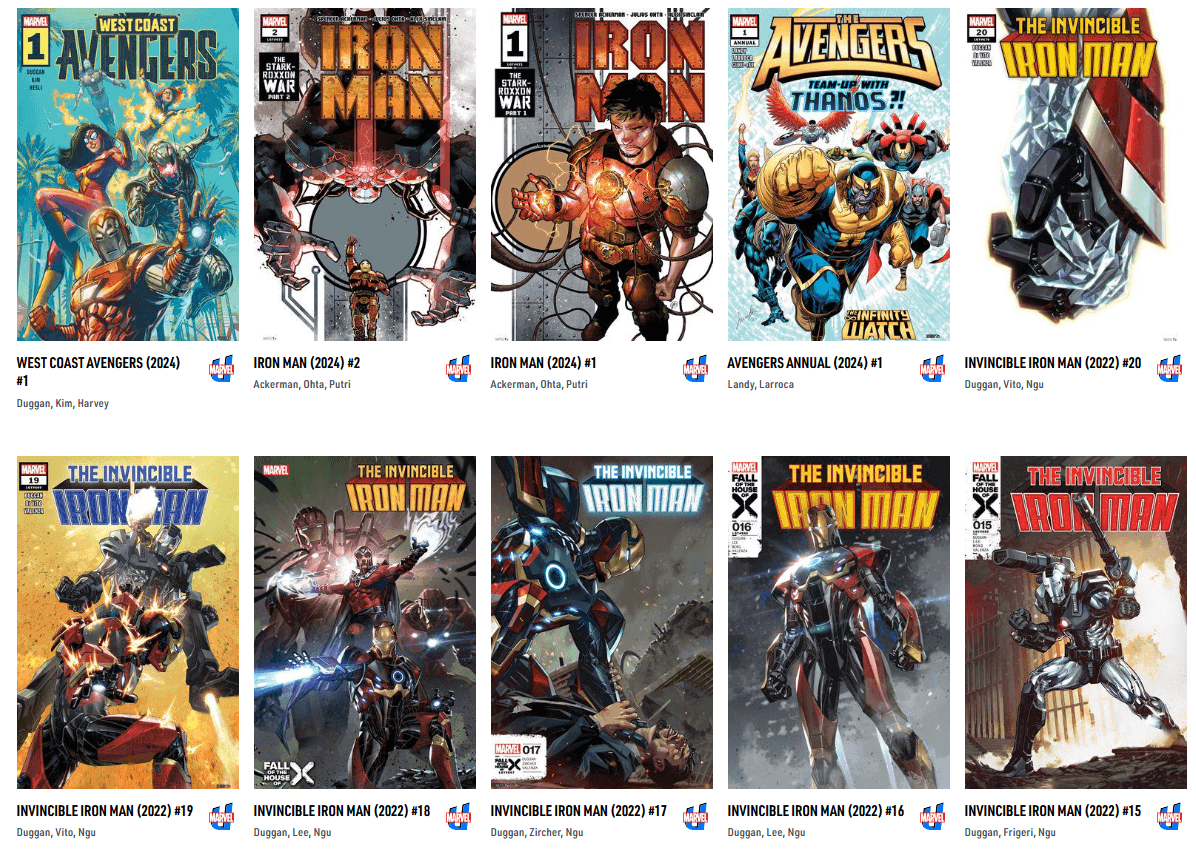
Iron Man Comic (Comics-Tony Stark). (Marvel)
The comic book series are listed chronologically by publication period:
The Iron Man armor is equipped with flight capability, energy weapons, and artificial intelligence systems. Over time, numerous variants have been developed, ranging from Mark I to the Bleeding Edge Armor. The development of the Arc Reactor is depicted in the image below.
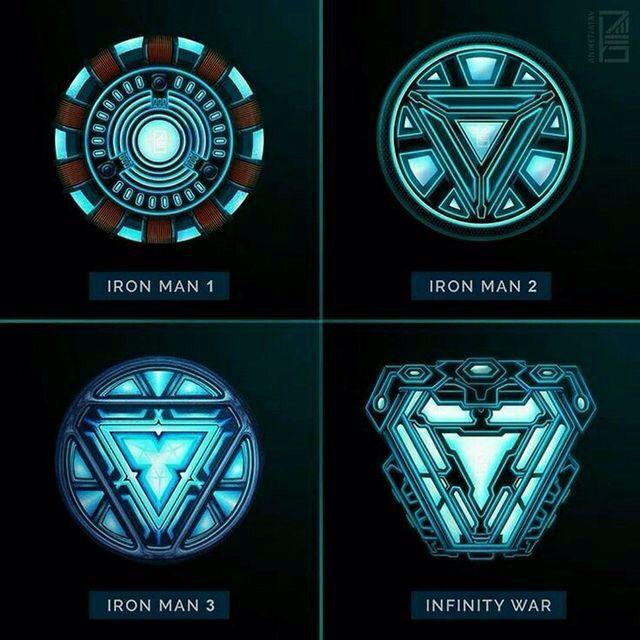
Arc Reactor (Source: formlabs)
In the films, the Iron Man armor defines the character’s distinctive traits. The initial version, Mark I, is crude and made of iron. Over time, models incorporating nanotechnology, artificial intelligence, energy weapons, and flight systems have been developed.
Major armor variants:
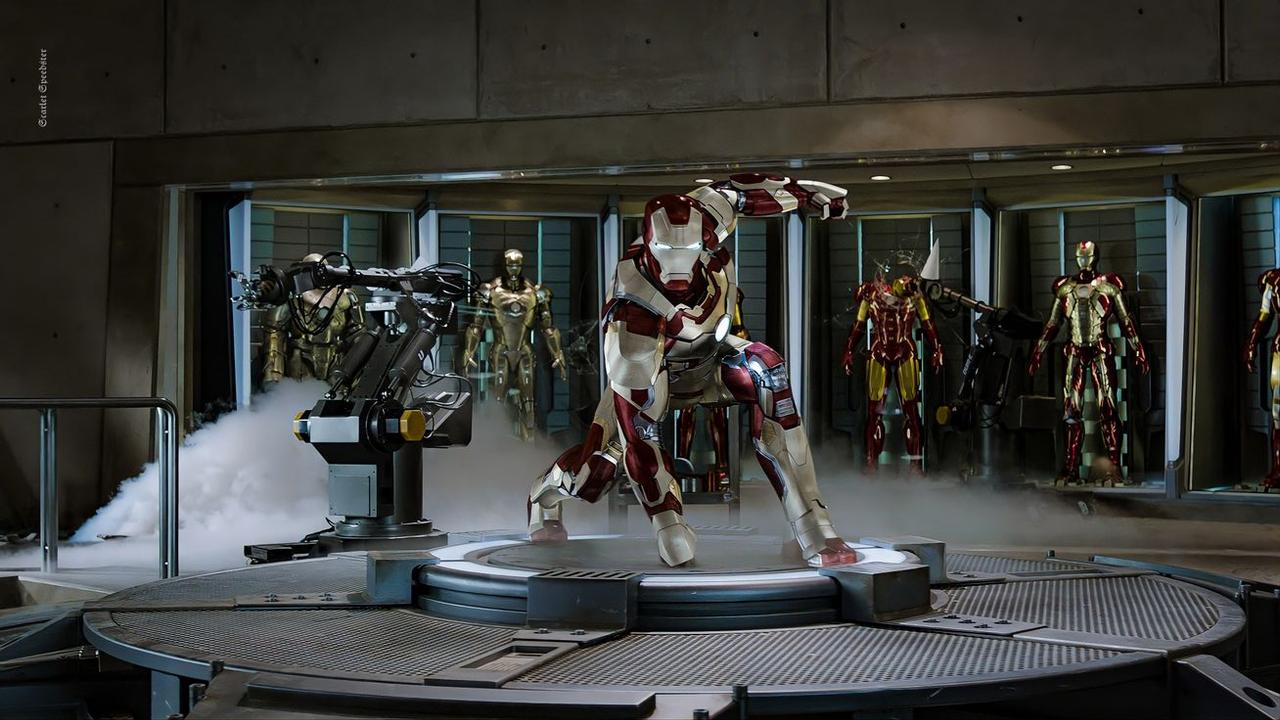
Iron Man Armors, Robert Downey Jr. and Paul Bettany, Iron Man 3 (2013), (Source: IMDB)
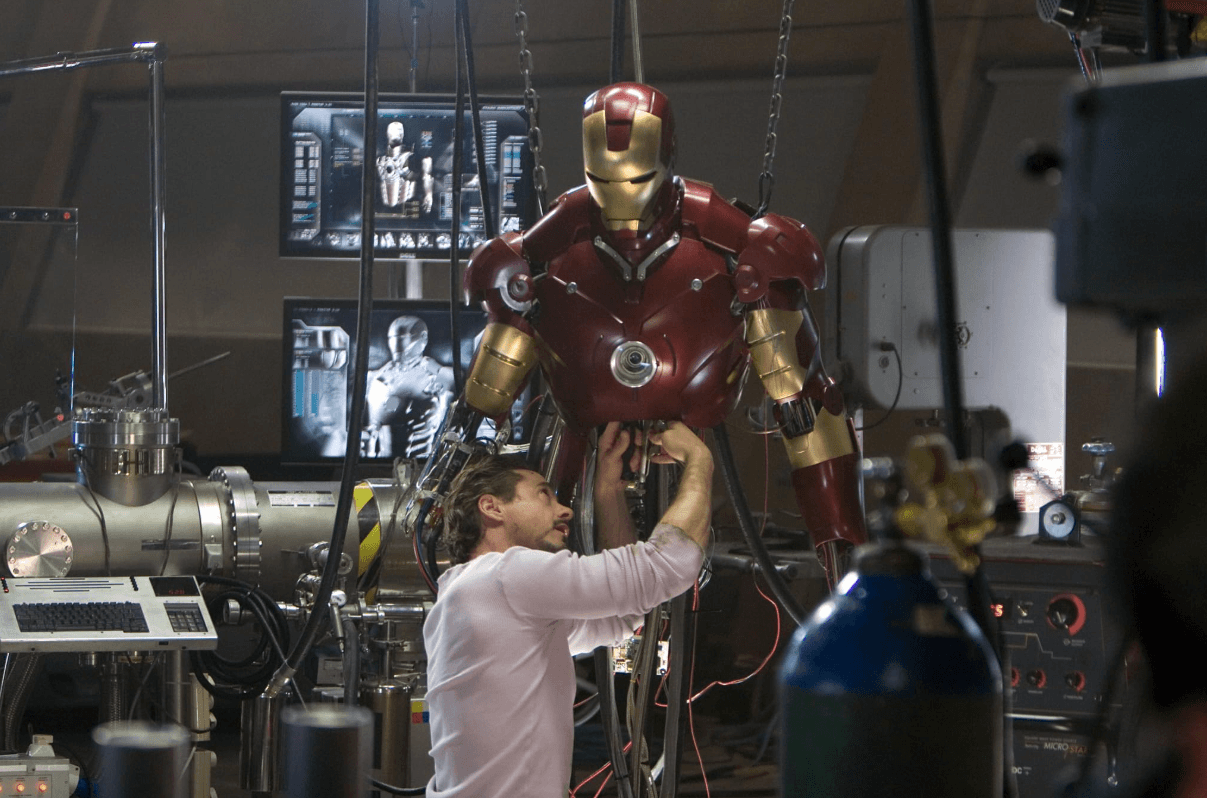
Iron Man [Demir Adam] ( Source: IMDb)

Robert Downey Jr. and Gwyneth Paltrow in Iron Man 3 [Demir Adam 3]. Directed by Shane Black. Burbank, CA: Marvel Studios, 2013. (IMDB)
Daniels, Les. Marvel: Five Fabulous Decades of the World’s Greatest Comics. New York: Harry N. Abrams, 1991.
DeFalco, Tom, Catherine Saunders, Peter Sanderson, Tom Brevoort, and Matthew K. Manning. Marvel Chronicle: A Year by Year History. London: Dorling Kindersley, 2008.
Formlabs. “3D Printing in Prop Making: The Power Behind Hollywood’s Special Effects.” Accessed April 24, 2025.https://formlabs.com/eu/blog/3dprinter-prop-making/.
IMDb. "Iron Man (2008) – Media Viewer." Accessed April 24, 2025.https://www.imdb.com/title/tt0371746/mediaviewer/rm940870656/
IMDb. "Iron Man 3 (2013) – Media Viewer." Accessed April 24, 2025.https://www.imdb.com/title/tt1300854/mediaviewer/rm3925061376/.
IMDb. "Iron Man 3 (2013) – Media Viewer." Accessed April 24, 2025.https://www.imdb.com/title/tt1300854/mediaviewer/rm4076056320/?ref_=ttmi_mi_23
Marvel Entertainment. "Iron Man (Tony Stark) On Screen." Marvel.com. Accessed April 24, 2025.https://www.marvel.com/characters/iron-man-tony-stark/on-screen
Marvel Entertainment. "Marvel Comics." Accessed April 24, 2025.https://www.marvel.com/comics.
WLOS News. “Vacation Like an Avenger in Tony Stark’s Cabin from Endgame.” Accessed April 24, 2025.https://wlos.com/news/entertainment/vacation-like-an-avenger-in-tony-starks-cabin-from-endgame

Iron Man (Fictional Character)
Full Name of the Character | Anthony Edward Tony Stark | ||||||||
|---|---|---|---|---|---|---|---|---|---|
Publisher | Marvel Comics | ||||||||
First Publication | Tales of Suspense #39 (March 1963) | ||||||||
Cinematic Rights | Marvel Studios (as of 2008) | ||||||||
Main Universe | Marvel Universe (Earth-616, comics) and Marvel Cinematic Universe (MCU) | ||||||||
Creators | Larry Lieber (script) Stan Lee (concept and story) Jack Kirby (original design) Don Heck (art) | ||||||||
Portraying Actor | Robert Downey Jr. | ||||||||
Company the Character is Associated With | Stark Industries (founded by his father Howard Stark; CEO Tony Stark) | ||||||||
No Discussion Added Yet
Start discussion for "Iron Man (Fictional Character)" article
Fictional Biography and Origin Story
Development and Evolution
Comic Book Evolution
Iron Man Comic Book Series (Chronological List)
1. Tales of Suspense (Vol. 1) #39–99
2. Iron Man (Vol. 1) #1–332
3. Iron Man (Vol. 2) #1–13 (Heroes Reborn)
4. Iron Man (Vol. 3) #1–89
5. Iron Man (Vol. 4) #1–35
6. The Invincible Iron Man (Vol. 1) #1–33
7. Invincible Iron Man (Vol. 2) #500–527
8. Iron Man (Vol. 5) #1–28 (Marvel NOW!)
9. Superior Iron Man #1–9
10. Invincible Iron Man (Vol. 3) #1–14 (All-New All-Different Marvel)
11. International Iron Man #1–7
12. Invincible Iron Man (Vol. 4) #1–11 (Riri Williams / Ironheart)
13. Tony Stark: Iron Man #1–19
14. Iron Man 2020 (Vol. 2) #1–6
15. Iron Man (Vol. 6) #1–25
16. Invincible Iron Man (Vol. 5) #1–ongoing
Armor and Technology
Development
Iron Man Armor Models (Chronological List)
Comic Book-Based Armors
Mark I (1963, Tales of Suspense #39)
Mark II (1963, Tales of Suspense #40)
Mark III – Mark VI (1964–1966)
Stealth Armor (First version: 1981)
Silver Centurion Armor (1985, Iron Man #200)
Modular Armor (1994)
Hulkbuster Armor (1994, Iron Man #304)
Thorbuster Armor (2003)
Extremis Armor (2005)
Bleeding Edge Armor (2010)
Model Prime Armor (2015)
Marvel Cinematic Universe (MCU) Armors
Iron Man (2008)
Iron Man 2 (2010)
The Avengers (2012)
Iron Man 3 (2013) – “House Party Protocol”
Avengers: Age of Ultron (2015)
Captain America: Civil War (2016)
Spider-Man: Homecoming (2017)
Avengers: Infinity War (2018)
Avengers: Endgame (2019)