


This article was automatically translated from the original Turkish version.
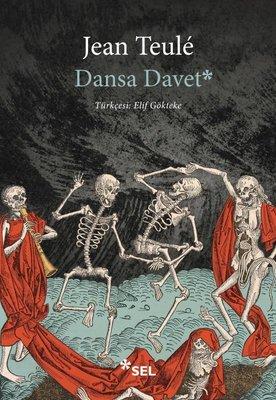
Invitation to Dance
Publisher(s) | Sel Yayıncılık | ||||||||
|---|---|---|---|---|---|---|---|---|---|
Original Name(s) | Entrez dans la danse | ||||||||
Number of Pages(Number) | 104 | ||||||||
Translator(s) | Elif Gökteke | ||||||||
Author(s) | Jean Teule | ||||||||
Dance of Death is a novel by French author Jean Teule, grounded in historical fact and woven with dark allegories. First published in 2018, the work centers on the mysterious event that occurred in Strasbourg in 1518, known in history as the “dance plague.” Teule treats this phenomenon not merely as a physical outbreak of madness but as an allegory of social collapse, spiritual crisis, and historical destitution. The desperation of the populace is rendered with harsh clarity against the backdrop of conflicts among religious, medical, and political figures of the time.
Dance of Death focuses on a mysterious and tragic event that unfolded in the city of Strasbourg during the summer of 1518: hundreds of people suddenly began dancing uncontrollably in the streets. Some collapsed from exhaustion, others danced until their feet bled, and some died in the midst of it. In a city besieged by hunger, poverty, epidemics, and religious oppression, the “dance plague” became, in effect, an outward manifestation of a collective unconscious. The outbreak, initiated by a woman named Enneline Troffea, rapidly spread across the city, leaving physicians, city officials, and the clergy utterly powerless.
Jean Teule’s narrative voice is satirical and grotesque. Although rooted in a real historical event, the novel transcends reality through an allegorical and symbolic mode of storytelling. Teule’s language alternates between poetic lyricism and biting critique.
Dance of Death is set in the early 16th century in Strasbourg, then part of the Holy Roman Empire. During this period, famine, plague, war, heavy taxation, religious persecution, and ignorance were deeply intertwined. Jean Teule does not treat this historical setting as mere backdrop; rather, he presents it as a structural force shaping the psychological states of the characters.
Teule, Jean. Dansa Davet. Çev: Elif Gökteke. Sel Yayıncılık, 2020.

Invitation to Dance
Publisher(s) | Sel Yayıncılık | ||||||||
|---|---|---|---|---|---|---|---|---|---|
Original Name(s) | Entrez dans la danse | ||||||||
Number of Pages(Number) | 104 | ||||||||
Translator(s) | Elif Gökteke | ||||||||
Author(s) | Jean Teule | ||||||||
No Discussion Added Yet
Start discussion for "Invitation to Dance (Book)" article
Plot Summary
Character Typology
Themes
Narrative Style and Tone
Historical Context