


This article was automatically translated from the original Turkish version.
Integrated circuits (ICs) are electronic components formed by combining a large number of electronic elements—such as transistors resistors and capacitors—onto a single semiconductor material. Today they are used in numerous fields ranging from computers and cep phones to the automotive industry and medical devices. This teknoloji has accelerated the development of electronics by enabling circuits to become smaller faster and more efficient. Integrated circuits are regarded as the cornerstone of modern technology and one of the most important inventions of the digital age.
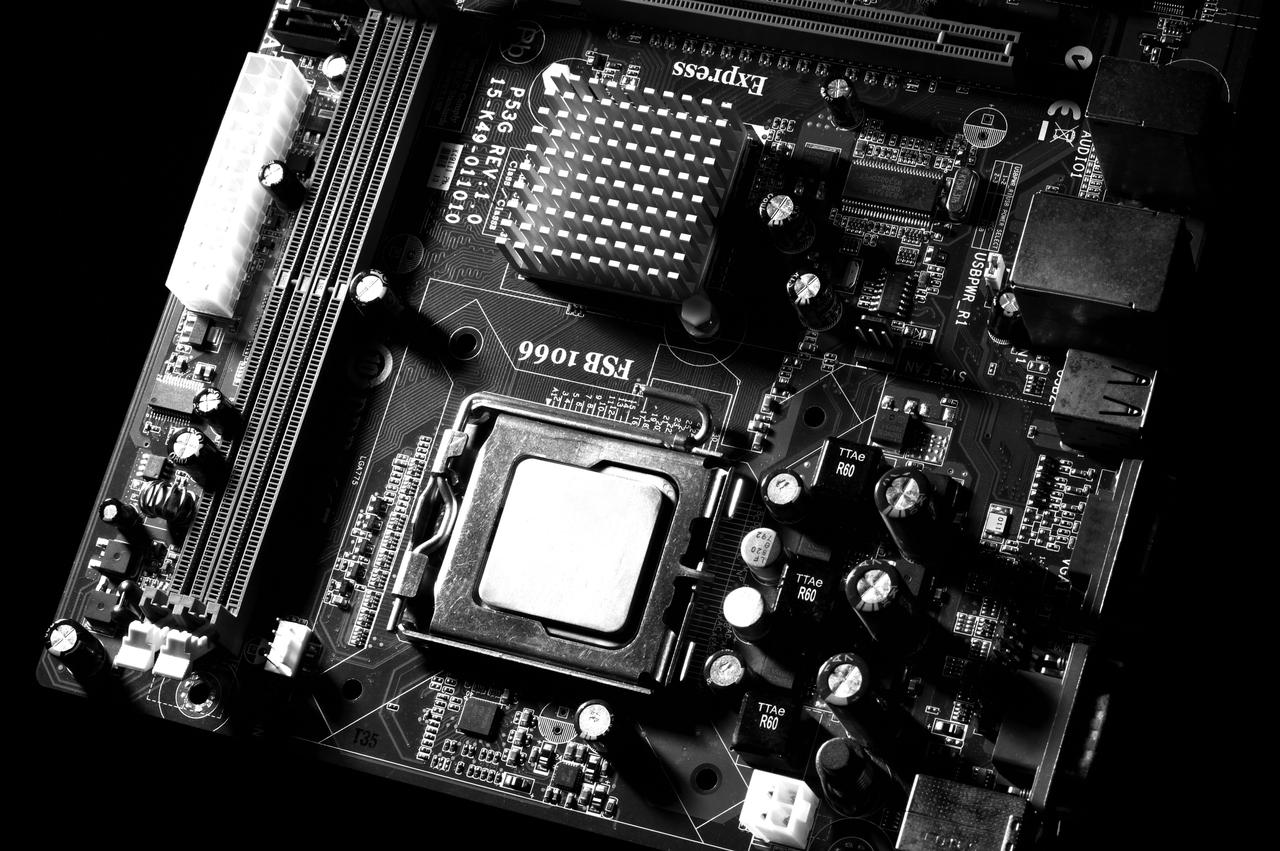
Integrated Circuit - Pexels
The foundations of integrated circuits were laid in 1958 by Jack Kilby and Robert Noyce. Jack Kilby working at Texas Instruments developed the first working integrated circuit pioneering the field of microelectronics. Shortly thereafter Robert Noyce at Fairchild Semiconductor developed the monolithic integrated circuit which formed the basis of modern IC manufacturing. These inventions enabled electronic devices to become smaller and more powerful.
Integrated circuits are manufactured from semiconductor materials such as silicon and contain microscopic circuit elements on their surface. Fundamentally they consist of three main components:
Integrated circuits are produced using advanced manufacturing techniques such as photolithography. This süreç enables the fabrication of circuit elements at the nanometer scale.
Integrated circuits are classified into various categories based on their functions and designs:
Integrated circuits are used in virtually every area of modern technology. Major application areas include:
Horowitz, Paul, and Winfield Hill. 2015. *The Art of Electronics*. Cambridge: Cambridge University Press.
Kilby, Jack S., and Robert Noyce. 1958. "Integrated Circuits and Their Applications." *Journal of Electronics* 12, no. 3: 45-60.
Pexels. "Integrated Circuit Close-up." Photograph. Accessed October 10, 2023. https://www.pexels.com/search/Integrated%20circuit/.
Semiconductor Industry Association. 2020. "History of Integrated Circuits." SIA Publications.
Texas Instruments. 2021. "The Evolution of Integrated Circuits." *TI Technical Journal*.

No Discussion Added Yet
Start discussion for "Integrated Circuits" article
History
Structure and Operating Principle
Types
Applications
Advantages and Disadvantages
Advantages
Disadvantages