


This article was automatically translated from the original Turkish version.
+1 More
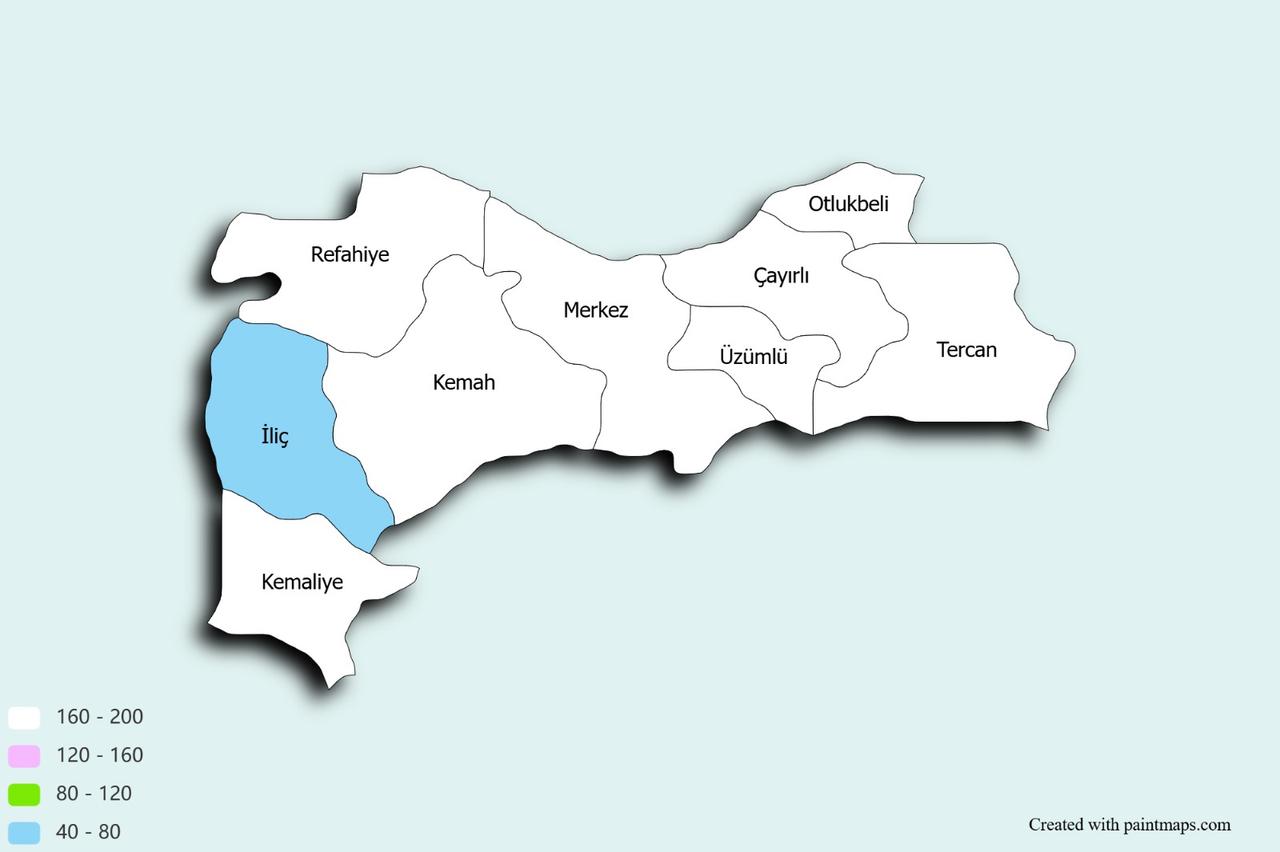
İliç (District)
İliç (District)
Province(s) | Erzincan | ||||||||
|---|---|---|---|---|---|---|---|---|---|
Region(s) | Eastern Anatolia Region | ||||||||
Economy | Agriculture (especially fruit and vegetable production) and local handicrafts health tourism mining livestock farming | ||||||||
Cultural Structure | Rich cultural heritage, traditional lifestyle, regional festivals and events | ||||||||
Iliç is a district affiliated with the province of Erzincan. Located approximately 40 kilometers southeast of the provincial center at place, this district attracts attention due to its rich natural resources and strategic location. Iliç, which derives its name from these sources, is known for its thermal water springs famous. Region offers various health and tourism opportunities for both local residents and visitors from outside. The district also draws interest for its historical past and holds significance in terms of cultural heritage.
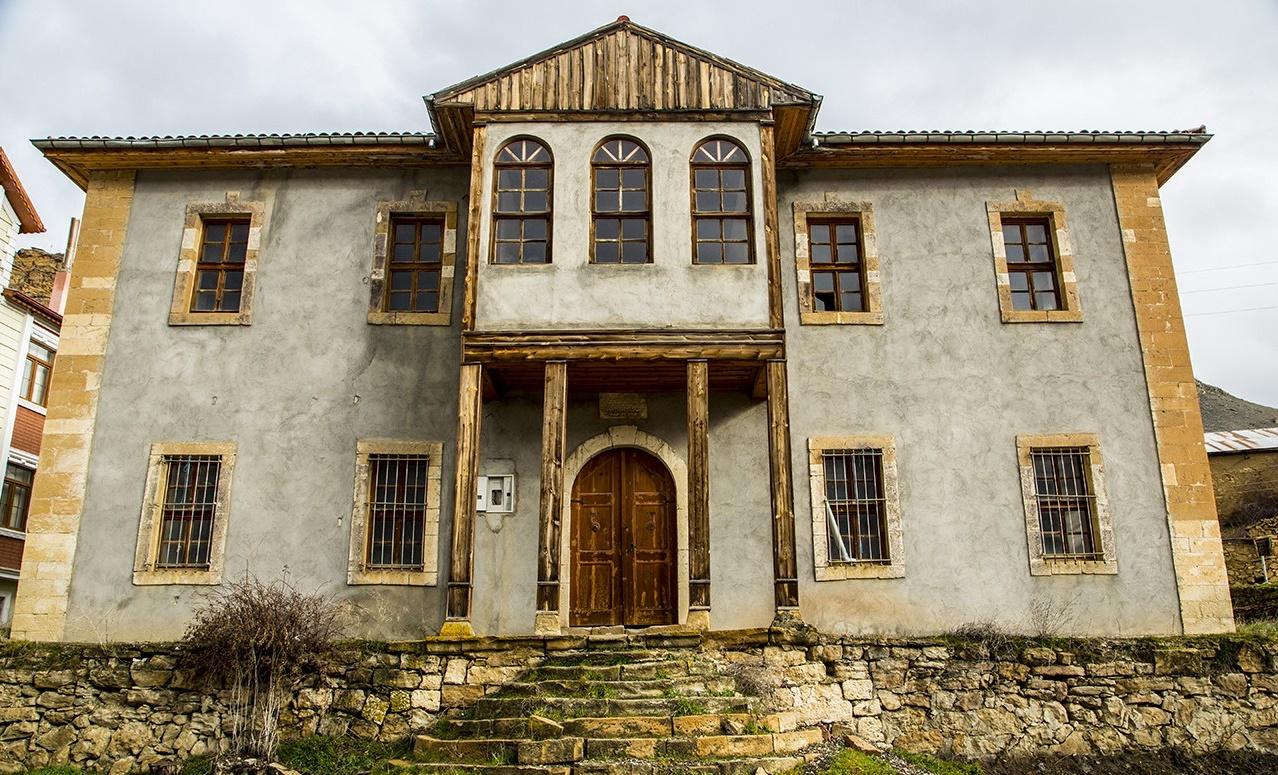
Kuruçay Government House (İliç Municipality)
The history of Iliç district extends far back into antiquity. Excavations in the region have revealed settlements dating as far back as 2000 BCE. Remains of early Bronze Age settlements have been found in the area. In particular, the presence of hot water springs contributed significantly to the region’s suitability for human habitation. During the Ottoman Empire, the area was recognized as a important health center. The existence of hot water springs added economic and cultural value to the region both during the Ottoman period and the Republican era.
By the late Ottoman period, Iliç had become an important destination for health tourism. In the 19th century, the baths and health facilities in the region began attracting not only local residents but also visitors from other provinces row environment. As a result, Iliç developed as a health tourism center, a status that has continued to the present day.
Iliç is a district characterized by mountainous and rugged terrain. This geographical feature has contributed to Iliç’s reputation for natural beauty. One of the district’s key natural assets is its thermal water springs. Iliç’s topography offers an appealing environment for those interested in mountaineering. Nature walks, hiking, and camping activities in the region are increasingly popular.
Iliç is a district whose economy is largely based on agriculture and animal husbandry. Among agricultural products, wheat, barley, chickpeas, potato and like stand out as staple food items. Vegetable and fruit cultivation is also practiced in the region common. Cattle and sheep farming hold an important place both in the domestic market and in foreign trade. Consequently, products related to animal husbandry play a decisive role in the district’s economic structure.
One of the district’s most important economic resources is thermal tourism. The hot water springs in the area are used for health and entertainment purposes. Thermal hotels in Iliç provide services to visitors seeking health treatments. Additionally, the local population uses the hot springs to treat various health conditions. It is well known that the high-quality thermal water has beneficial effects on skin diseases, rheumatism and similar ailments.
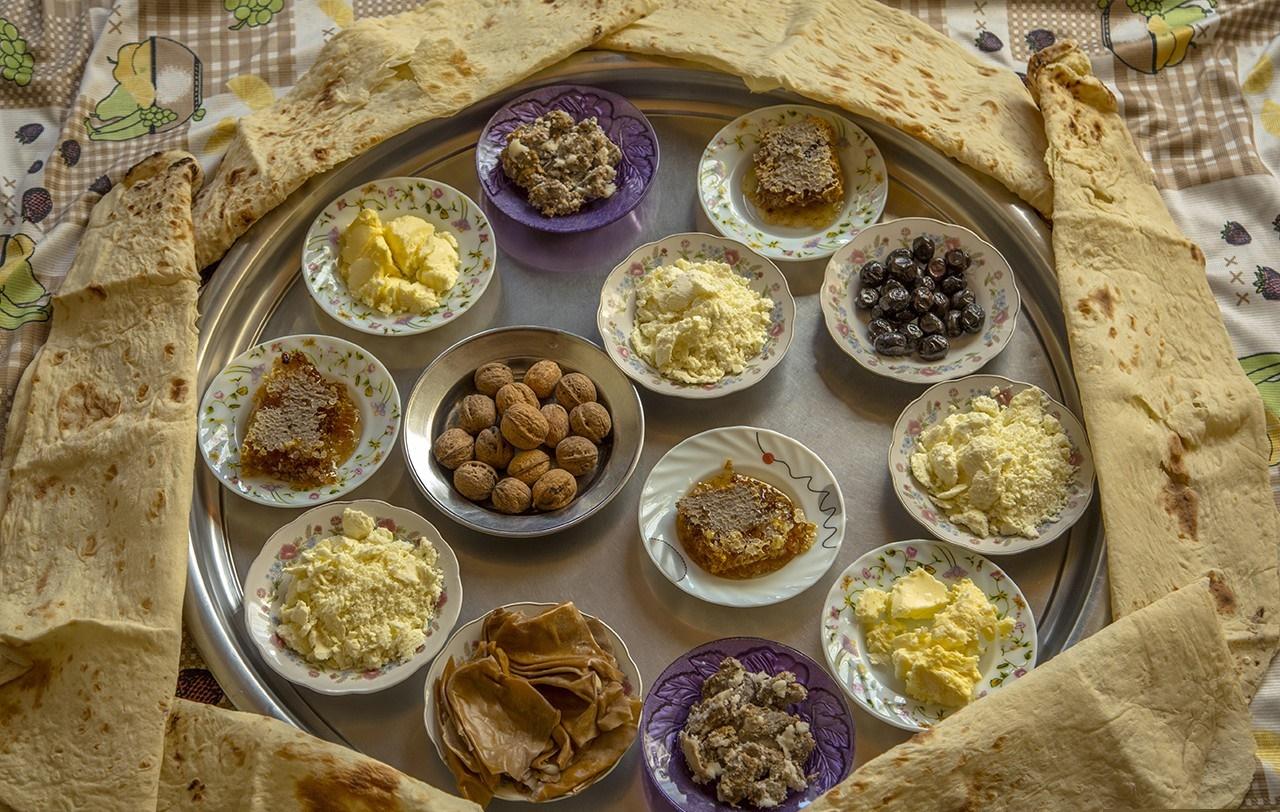
The local population contributes economically by offering handmade traditional products to visitors.
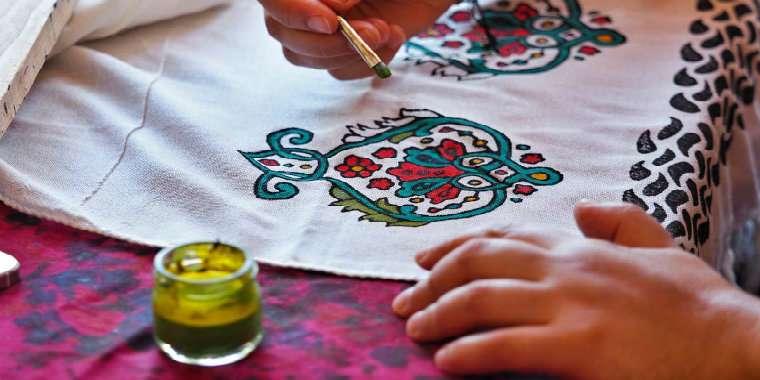
Crafts (İliç Municipal Presidency)
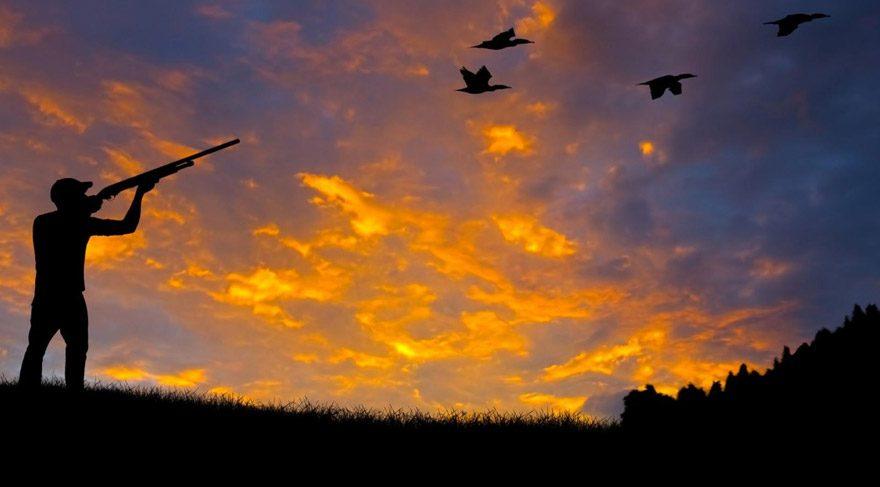
Hunting Tourism (İliç Municipality)
İliç Belediyesi. "İliç İlçesi Tarihçe." İliç Municipality. Accessed April 15, 2025. https://www.ilic.bel.tr/icerik/tarihce.
İliç Kaymakamlığı. "İliç İlçesi Bilgileri." İliç Kaymakamlığı. Accessed April 15, 2025. http://ilic.gov.tr/ilce-bilgileri.
İliç (District)
İliç (District)
Province(s) | Erzincan | ||||||||
|---|---|---|---|---|---|---|---|---|---|
Region(s) | Eastern Anatolia Region | ||||||||
Economy | Agriculture (especially fruit and vegetable production) and local handicrafts health tourism mining livestock farming | ||||||||
Cultural Structure | Rich cultural heritage, traditional lifestyle, regional festivals and events | ||||||||
History
Geographical Features
Economy and Social Life