


This article was automatically translated from the original Turkish version.
History and Production of Chocolate
Description | Chocolate is a globally significant food product, both culturally and economically, produced by processing cocoa beans obtained from the fruits of the cocoa tree. | ||||||||
|---|---|---|---|---|---|---|---|---|---|
History | Modern chocolate production began in the 19th century with the advent of mass production and the discovery of milk chocolate. It was introduced to Europe through Spanish explorers and became popular there after being sweetened. In Mesoamerica, cocoa held an important place in rituals and trade among the Olmecs, Mayans, and Aztecs. | ||||||||
Production Stages | Fermentation: Allows the natural aromas of cocoa beans to develop. Conching: Creates chocolate's smooth and creamy texture. Grinding and Sugar Addition: Cocoa particles are reduced in size and sweetened. Roasting: Enables the beans to develop chocolate aroma. Drying: Reduces moisture content to make the beans suitable for storage. Packaging: The product is packaged to preserve its freshness. Tempering: Ensures chocolate acquires a glossy and smooth appearance. | ||||||||
Çikolata is a food product made by processing cocoa beans obtained from the cocoa tree and holds significant cultural and economic importance worldwide.

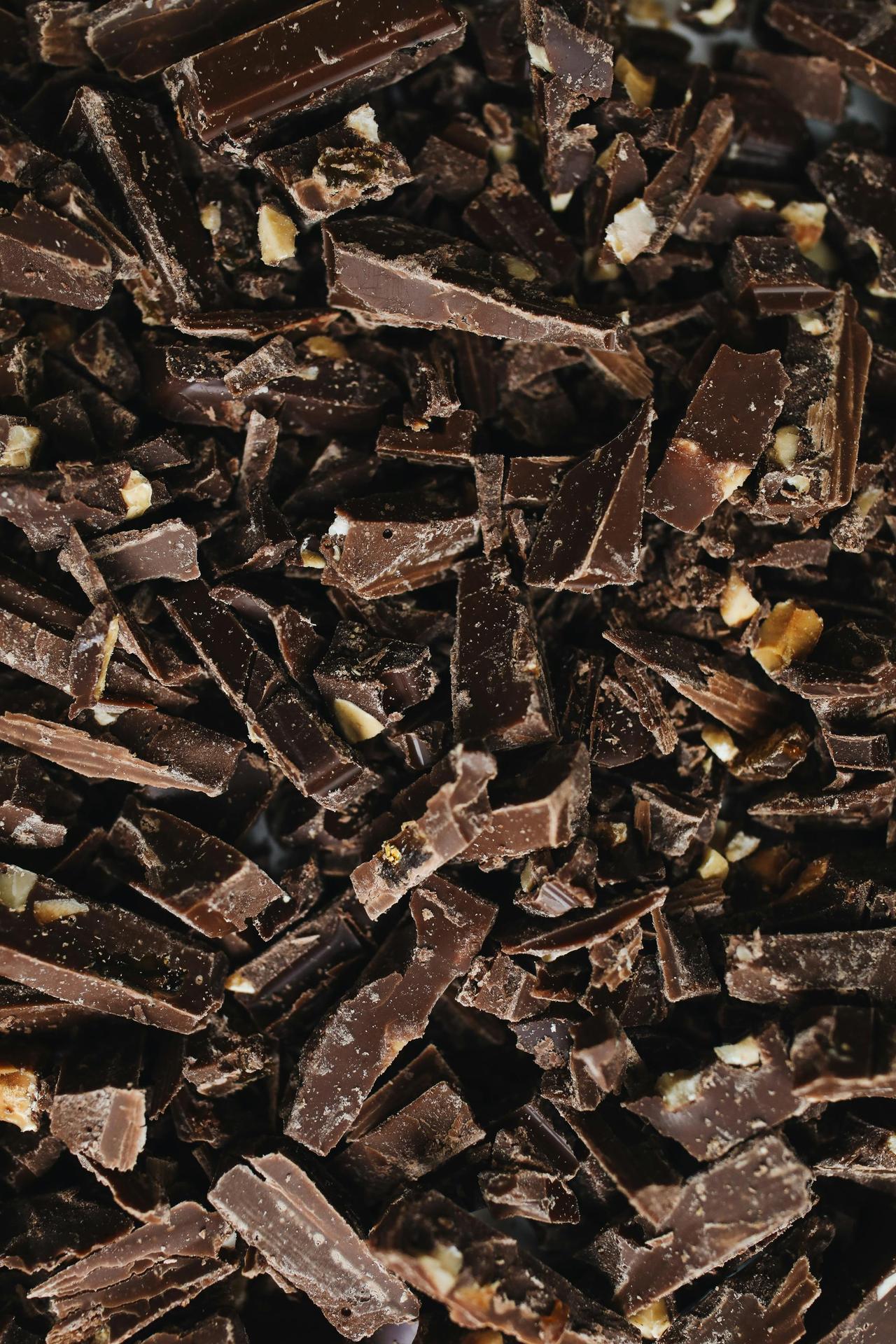
AI-generated image of chocolate
Chocolate has a deep-rooted history stretching back thousands of years. In Mesoamerica, the native region of the cocoa tree, it was valued as a precious commodity by the Olmecs, Mayans, and Aztecs during periods extending back to the pre-Columbian era. Economically and culturally significant, chocolate is now consumed widely around the world and carries a rich heritage shaped by numerous historical and technological developments.
The history of chocolate extends back to the pre-Columbian era. It is likely that early communities such as the Olmecs cultivated the cocoa tree in Mesoamerica and discovered its fundamental properties.
The Maya civilization was the first to use cocoa beans to prepare a bitter beverage called “chocolatl,” consumed during rituals and special occasions. According to Mesoamerican beliefs, the cocoa plant was a gift from a feathered serpent god; this deity was known as Kukulkan among the Maya and Quetzalcoatl among the Aztecs.
The Maya processed these beans into a chocolate beverage around 600 CE, which was reserved exclusively for royalty and elite classes. Among the Aztecs, it was consumed by rulers, priests, high-ranking soldiers, and honored merchants.
In the 16th century, Spanish explorers encountered chocolate beverages during their expeditions to Central America, notably through Christopher Columbus and especially Hernán Cortés. The presentation of chocolate drink to the explorers by the Aztec ruler Montezuma, served in fifty jars and golden cups, played a crucial role in introducing chocolate to Europe as a luxury food item.
The Spanish adapted the local bitter and spiced chocolate beverage by adding sugar to suit European palates. This transformation enabled chocolate to become popular among European elites and eventually laid the foundation for the production of solid chocolate.
In 1825, the invention of a machine allowed cocoa powder and cocoa butter to be separated, making it possible to produce molded chocolate. This innovation is regarded as the beginning of mass chocolate production.
In 1875, Swiss chocolatier Daniel Peter began producing milk chocolate by adding powdered milk to chocolate. This innovation enriched the flavor profile and texture of chocolate, enabling it to reach a much broader audience.
Shortly after the proclamation of the Republic, Türkiye’s first local chocolate factory was established in Feriköy in 1927. This initiative marked a turning point in the development of domestic production, and today Türkiye has become a significant player in the chocolate industry, both locally and internationally.
The history of chocolate extends beyond that of a mere flavor ingredient; it is also a symbol of cultural, economic, and technological transformation. This unique product, which originated in Mesoamerica and spread to Europe through Spanish explorers, has evolved through modern production techniques and technological advances into today’s indispensable snack. The growing number of local production examples further strengthens chocolate’s place in both historical and contemporary culture.
Chocolate is a solid food that melts, produced by processing a liquid mixture of its main components—cocoa, milk, and sugar—through a series of steps. The production process consists of a sequence of technical stages that determine chocolate’s flavor, texture, and fluidity.
After harvest, fresh cocoa beans are first subjected to fermentation. This process develops their aromatic properties. While cocoa butter is extracted from unfermented beans, the remaining solid material is used in chocolate production. Traditional methods include heap fermentation and box fermentation; fermentation typically lasts five to six days, though in some regions it may extend to one or two additional days.
After fermentation, the beans are dried under appropriate conditions to prevent mold growth. At the same time, the optimum moisture level is maintained to avoid over-drying, which can complicate further processing.
Dried beans are roasted to intensify chocolate aroma and reduce microbiological risks during transport. Roasting deepens the beans’ characteristics and creates a suitable structure for the subsequent grinding stage.
Roasted cocoa beans are broken into smaller pieces and ground to achieve a homogeneous structure suitable for chocolate production.
To balance the natural bitterness of cocoa beans, refined sucrose is added to the chocolate mass. The sugar is reduced to very fine particles and converted into powder; reducing particle size below 25 microns contributes to a smooth mouthfeel in the final product.
In chocolate production, milk or milk powder is used to achieve ideal fluidity. The non-fat version of milk powder is preferred; this condition enhances the liquid chocolate’s flow properties and prevents moisture-induced clumping issues.
The particles obtained during grinding are further refined to prevent a gritty appearance. These refined particles are coated with fat to form a homogeneous structure, resulting in a product with ideal melting properties and a creamy texture.
Conching plays a critical role in regulating the flavor and taste compounds of chocolate. The process is divided into three phases:
During production, chocolate’s fluidity is determined by the mechanical forces and energy applied. Viscosity is a key parameter that directly affects chocolate’s fineness, melting tendency, and processability.
Tempering is vital to prevent issues such as dull appearance, improper crystallization, and difficulties in demolding. Proper tempering enhances chocolate’s stability and the final product’s quality; otherwise, the product fails to achieve the desired texture and appearance.
In the final stage, produced chocolate is protected using packaging techniques. Traditionally, foil and paper tape were used, but today more durable materials such as aluminum foil are preferred. Packaging is selected considering storage conditions, providing an effective barrier against moisture, odor, and mold.
Chocolate production is a complex process that combines traditional methods with modern technological innovations, rooted in a long historical legacy. Every stage, from cocoa cultivation to final packaging, plays a critical role in determining the final product’s flavor, aroma, and texture. Today, increasing production efficiency, sustainability goals, and technological advancements demonstrate that the chocolate industry will continue to maintain its importance in the future.
Afoakwa, Emmanuel O. 2010. Chocolate Science and Technology. Wiley-Blackwell. Accessed February 11, 2025.
Beckett, Stephen T. 2007. The Science of Chocolate. Cambridge: Royal Society of Chemistry. DOI:10.1039/9781847552143. Accessed February 11, 2025.
Bildirici, Emine. 2021. "Çikolatanın Nasıl Üretildiğini Biliyor Muydunuz?" Gidabilgi, May 3, 2021. Accessed February 11, 2025.

History and Production of Chocolate
Description | Chocolate is a globally significant food product, both culturally and economically, produced by processing cocoa beans obtained from the fruits of the cocoa tree. | ||||||||
|---|---|---|---|---|---|---|---|---|---|
History | Modern chocolate production began in the 19th century with the advent of mass production and the discovery of milk chocolate. It was introduced to Europe through Spanish explorers and became popular there after being sweetened. In Mesoamerica, cocoa held an important place in rituals and trade among the Olmecs, Mayans, and Aztecs. | ||||||||
Production Stages | Fermentation: Allows the natural aromas of cocoa beans to develop. Conching: Creates chocolate's smooth and creamy texture. Grinding and Sugar Addition: Cocoa particles are reduced in size and sweetened. Roasting: Enables the beans to develop chocolate aroma. Drying: Reduces moisture content to make the beans suitable for storage. Packaging: The product is packaged to preserve its freshness. Tempering: Ensures chocolate acquires a glossy and smooth appearance. | ||||||||
No Discussion Added Yet
Start discussion for "History and Production of Chocolate" article
The History of Chocolate
Early Periods and Mesoamerican Origins
The Olmecs and the First Cocoa Culture
The Maya and Aztec Civilizations
Spanish Exploration and Spread to Europe
The Role of Explorers and Spanish Interaction
Spanish Adaptations
Modern Beginnings of Chocolate Production
Technological Advancements and Mass Production
The Emergence of Milk Chocolate
Chocolate Production in Türkiye
The Contemporary Status of Chocolate
Stages of Chocolate Production
Fermentation
Drying
Roasting
Grinding
Addition of Sugar
Use of Milk and Milk Powder
Particle Size Adjustment
Conching
Viscosity Adjustment
Tempering
Packaging
Sustainability in Chocolate Production