


This article was automatically translated from the original Turkish version.
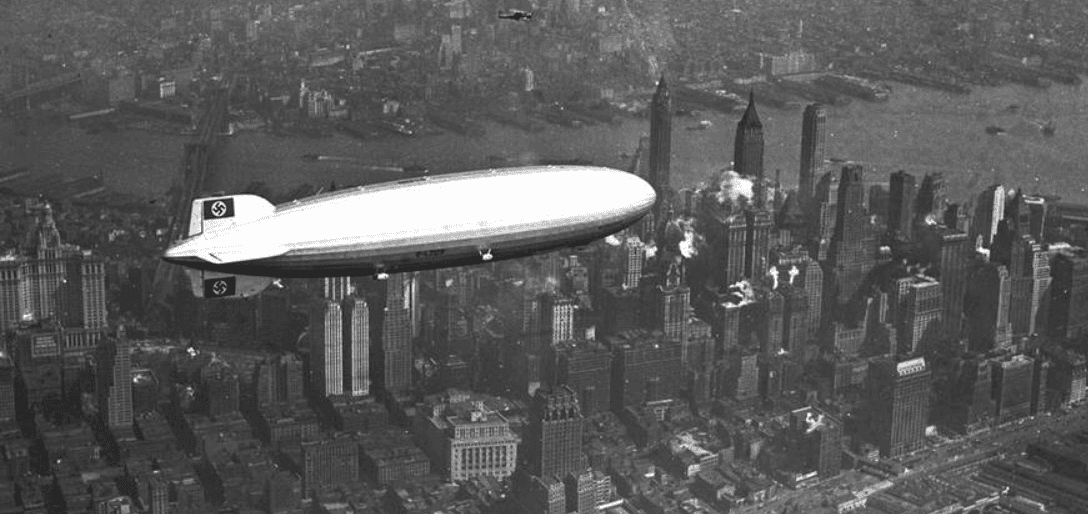
Hindenburg
Length | 245 m | ||||||||
|---|---|---|---|---|---|---|---|---|---|
Width | 41 m | ||||||||
Travel Speed | 122 km | ||||||||
Maximum Speed | 135 km | ||||||||
Passenger Capacity | 72 | ||||||||
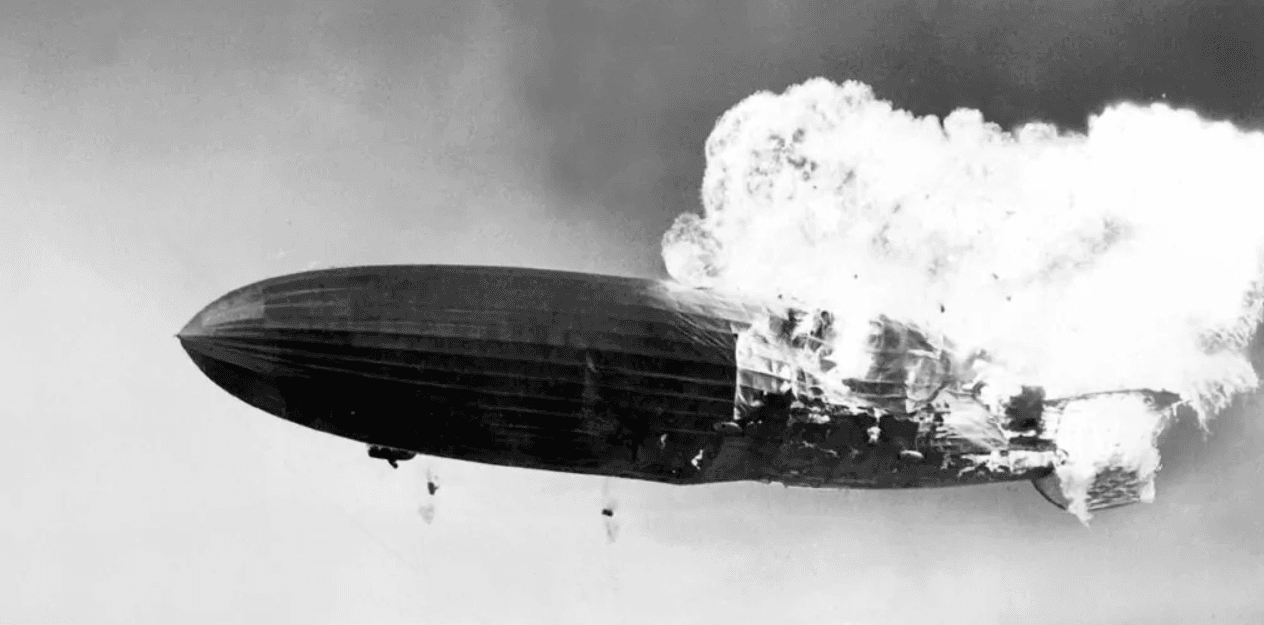
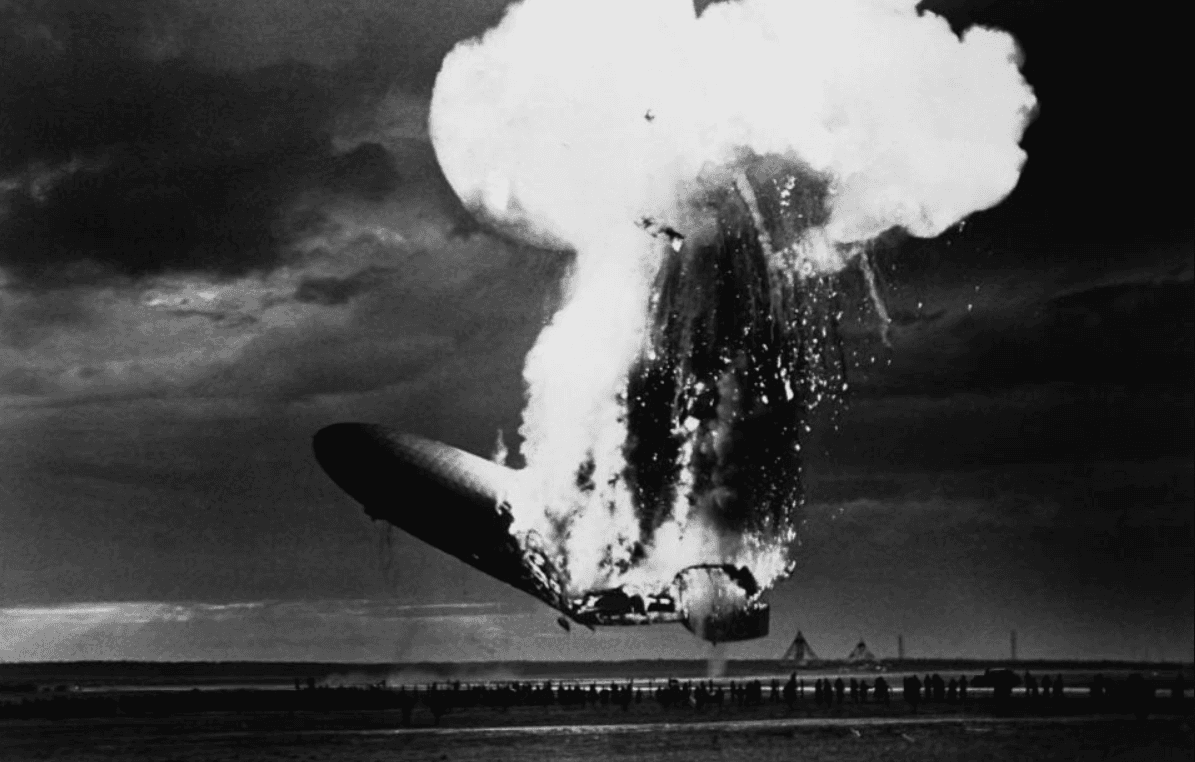
On May 6, 1937, the German passenger airship Hindenburg burst into flames over Lakehurst, New Jersey, engulfing the sky in smoke and fire. This 245-meter-long dev airship plummeted toward the ground, its tail striking the earth while its bow rose into the air. Within just 34 seconds, it was reduced to kül. Some passengers and crew escaped by jumping through the flames, but many perished in the blaze. Of the 97 people on board, 35 were passengers and crew; one ground crew member lost his life, while 62 survived in a miraculous turn of events.
This disaster occurred at a time when the Hindenburg was promoted as the most luxurious and technologically advanced mode of transportation of its era, expected to spark a devrim in air travel. However, this catastrophic olay marked the trajik end of the zeplin age, paving the way for the golden age of passenger aircraft.
class=\
The Hindenburg was named after Paul von Hindenburg, former president of the Weimar Republic, and its official designation was LZ-129 Hindenburg. It was the largest commercial airship of its time and regarded as an engineering marvel due to its size. Measuring 245 meters in length and 41 meters in diameter, the zeppelin was three times larger than a Boeing 747 and four times larger than Goodyear blimps. The airship could reach a cruising speed of 122 kilometers per hour and a maximum speed of 135 kilometers per hour.
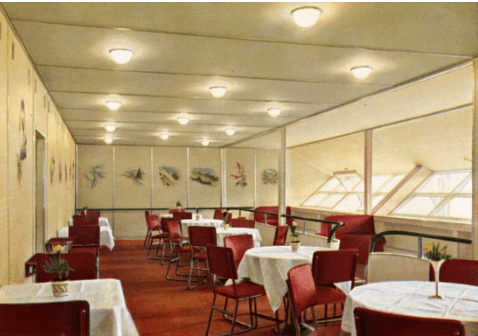
The Hindenburg was a luxurious air vehicle for its time, featuring 72 passenger cabins, a dining room with silk duvar paneling, a writing room, a bar, a smoking room, and panoramic promenade decks. Furniture was made of lightweight aluminum, and the smoking room was equipped with safety measures to prevent ignition.
class=\
The Hindenburg began its final voyage on May 3, 1937, from Frankfurt. Strong winds near the front of the airship during its Atlantic crossing delayed its landing by 12 saat. Weather conditions in New Jersey were poor; violent storms had raged throughout the gun. The Hindenburg approached Lakehurst after 7:00 p.m. on May 6. Due to shifting wind directions, it had to change course for landing. At this point, landing ropes were lowered and the airship hovered at approximately 60 meters above ground.
At 7:25 p.m., flames were seen at the Hindenburg’s tail. Within seconds, the entire airship was engulfed. As the tail crashed to the ground, the bow rose upward, and the devasa skeleton collapsed within seconds. Survival during this hızlı destruction depended on passengers’ locations aboard the vessel. Most passengers gathered near the cam windows escaped, while most those in their cabins perished.
For years, many theories have been proposed to explain why the Hindenburg caught fire. One certain fact is that a hidrojen leak led to a yangın that triggered a massive explosion. The exact cause of the hydrogen leak at the tail remains hala tam unknown. One theory suggests that a sudden maneuver by the airship caused a cable to snap and puncture a gas cell. However, this theory has not been conclusively proven.
The most olası plausible theory regarding the ignition source is static discharge. The stormy weather created an electrical charge difference between the airship and the ground, possibly generating a kıvılcım that ignited the hydrogen gas. Another proposed cause is the phenomenon known as St. Elmo’s Fire.
class=\
The Hindenburg was used as a symbol of Nazi Germany. The airship was adorned with massive swastikas and also served propaganda purposes. However, Nazi influence in its construction led to some poor decisions. The airship’s captains were sometimes pressured by Nazi authorities to neglect safety protocols. The decision to attempt landing in adverse weather conditions during the disaster was a reflection of this pressure.
The Hindenburg disaster was the first major technological failure of its time to be recorded live on camera. Radio reporter Herbert Morrison’s cry of “Oh, the humanity!” became one of the most unforgettable moments of the tragedy. Although Morrison’s recording was not broadcast live, the footage accompanied by his voice was not shown until years later. Nevertheless, his voice and words powerfully conveyed the tragic scale of the event to the public.
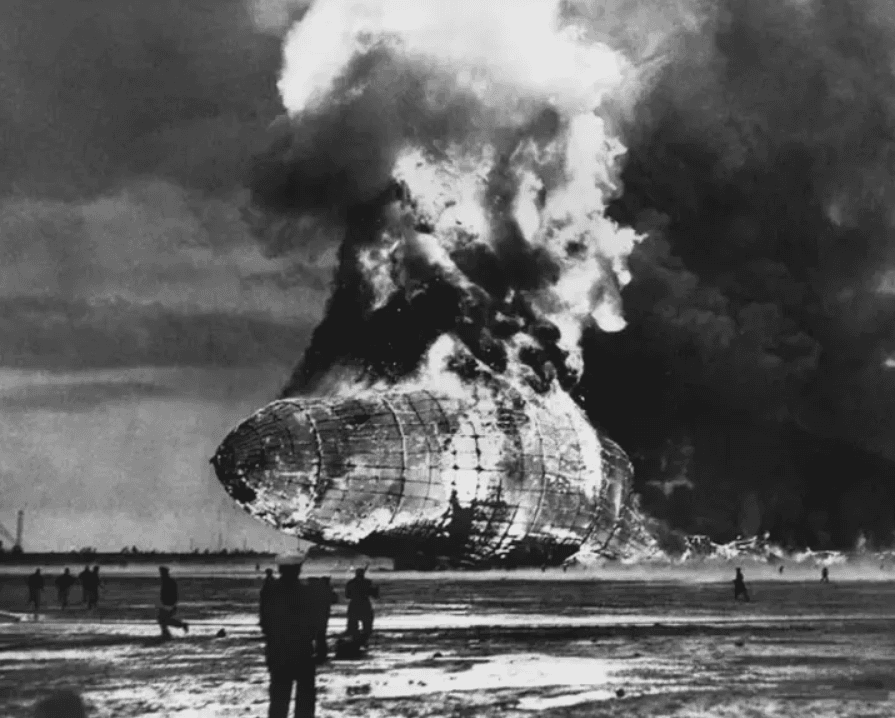
class=\
The Hindenburg disaster raised serious concerns about the safety of hydrogen-filled zeppelins, and public güven in their commercial use vanished entirely. As technological advancements progressed, fixed-wing aircraft became faster, more reliable, and more economical, taking over as the lider in air transportation.
Airships.net. "Hindenburg Disaster." Accessed January 2, 2025.https://www.airships.net/hindenburg/disaster/
Airships.net. “Oh, the Humanity!: Herbert Morrison and the Hindenburg.” Accessed January 2, 2025.https://www.airships.net/hindenburg/disaster/oh-the-humanity-herbert-morrison-and-the-hindenburg/.
Gannon, Megan. “What Caused the Hindenburg Disaster?” Live Science. Last modified May 3, 2017.https://www.livescience.com/58959-hindenburg-crash.html.

Hindenburg
Length | 245 m | ||||||||
|---|---|---|---|---|---|---|---|---|---|
Width | 41 m | ||||||||
Travel Speed | 122 km | ||||||||
Maximum Speed | 135 km | ||||||||
Passenger Capacity | 72 | ||||||||
Özellikleri
Facianın Yaşandığı Gün
Facianın Sebebi
Nazi Almanyası ve Zeplin Politikası
Medyadaki Yansıma ve Herbert Morrison