


Henri Cartier-Bresson
Date of Birth | 1908-08-22 | ||||||||
|---|---|---|---|---|---|---|---|---|---|
Date of Death | 2004-08-03 | ||||||||
Spouse(s) | Ratna Mohini (c. 1937-1967) Martine Franck (c. 1970-2004) | ||||||||
Child | Mélanie Cartier-Bresson | ||||||||
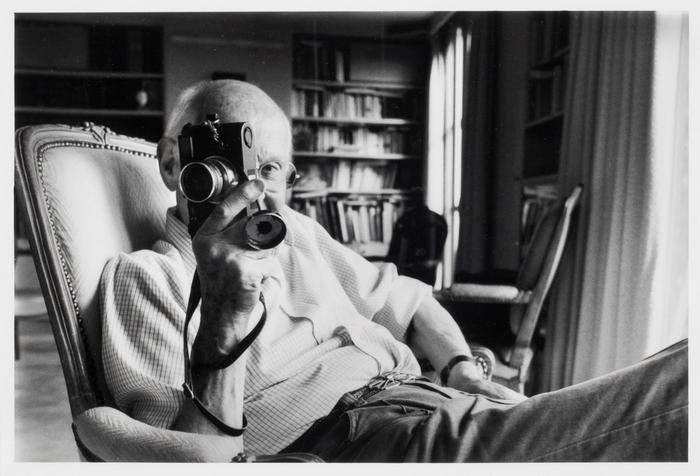
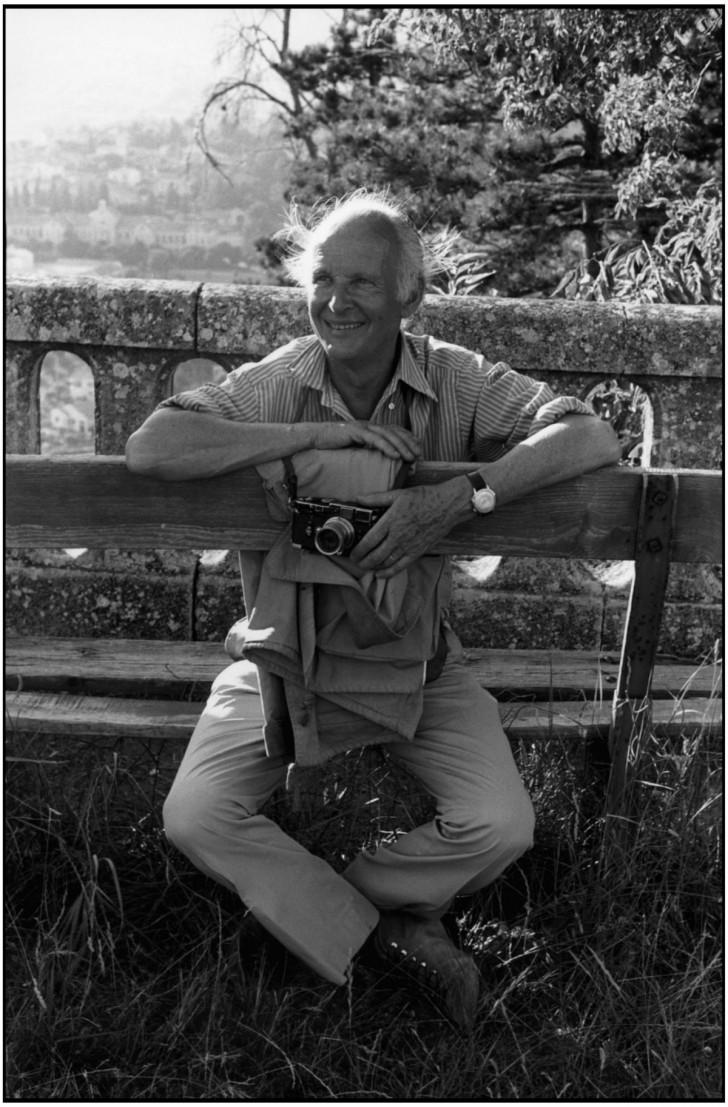
Henri Cartier-Bresson (August 22, 1908 - August 3, 2004) was a French photographer, one of the pioneers of documentary photography and co-founder of Magnum Photos. “Moment of Decision” (As the creator of the concept of The Decisive Moment, he is considered one of the names that maximized the aesthetic and expressive power of photography.
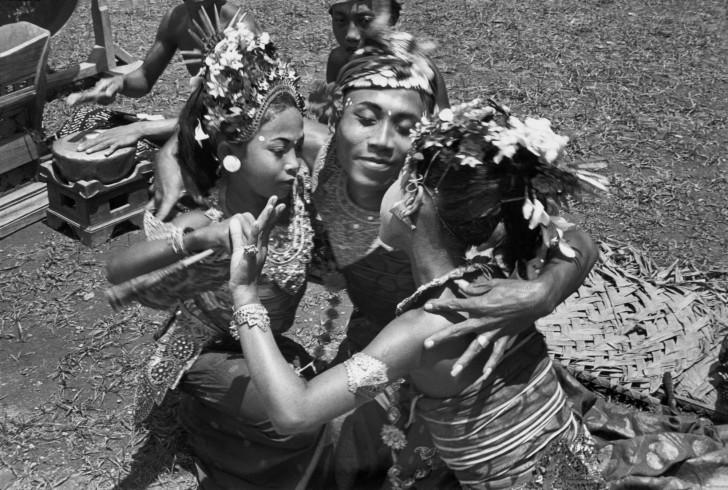
(Alloeng Kotjok dance at temple, Sajan Village, Bali, Indonesia -Magnum)
Cartier-Bresson was born in 1908 in Chanteloup-en-Brie, France. He was interested in art from a young age and studied painting. He was influenced by artists such as André Lhote and developed his understanding of composition during this period. He became interested in photography in the early 1930s and was first inspired by the Surrealist movement.
The Leica 35mm camera he bought in 1932 completely changed his style of photography. Cartier-Bresson began to capture spontaneous moments in everyday life. This approach later became known as “The Decisive Moment”. (The Decisive Moment), which he defines as his philosophy of photography.
“The Decisive Moment” is an understanding of photography that aims to capture the most impressive and narrative moment in a scene. Cartier-Bresson shot without cropping the frame, using natural light and intuitively anticipating human movement.
Joining the French Army during World War II, Cartier-Bresson was captured by the Germans in 1940 and held as a prisoner of war for three years. After a successful third escape attempt, he regained his freedom and joined the French Resistance.
In 1947, together with Robert Capa, George Rodger and David Seymour, he founded Magnum Photos. This collective offered photographers the freedom to choose their own projects and work independently. Cartier-Bresson was one of the most important members of Magnum, taking important documentary photographs in many countries such as China, India, the USSR and the USA.
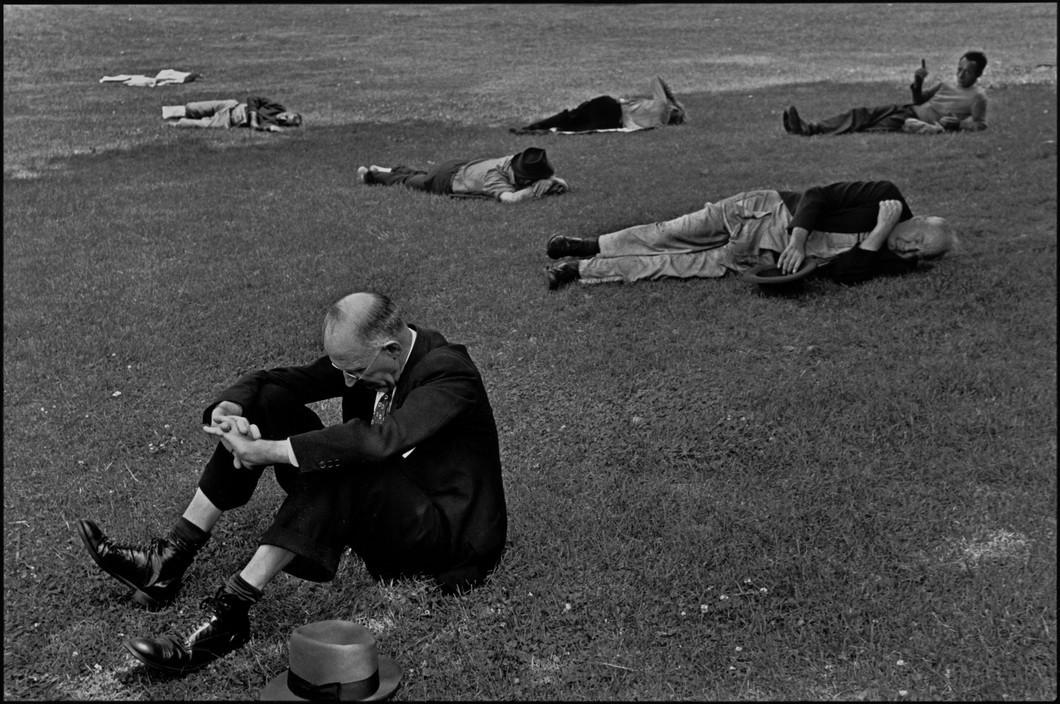
(Photo from the series America In Pass - Magnum)
Among the important events Cartier-Bresson photographed during his career are the following:
- Fall of Beijing during the Chinese Civil War (1949)
- Portraits of Mahatma Gandhi in India shortly before his death (1948)
- Changes in the USSR and the post-Stalin era (1954)
- The civil rights movement and community life in the US in the 1960s
In addition to photography, Cartier-Bresson worked with directors such as Luchino Visconti and made short documentary films.
In the early 1970s, Cartier-Bresson turned away from photography and returned to painting. He spent the rest of his life drawing and creating works of art. In 2003, he and his wife Martine Franck established the Henri Cartier-Bresson Foundation to preserve his legacy.
Henri Cartier-Bresson died on August 3, 2004 at the age of 95. His photography revolutionized the art world and became one of the cornerstones of contemporary documentary photography.
Henri Cartier-Bresson Foundation. Official Website of Henri Cartier-Bresson. Accessed March 13, 2025. Link
International Center of Photography (ICP). Henri Cartier-Bresson Archive. Accessed March 13, 2025. Link
Magnum Photos. The Life and Work of Henri Cartier-Bresson. Accessed March 13, 2025. Link
Metropolitan Museum of Art (MET). Henri Cartier-Bresson: 1908-2004. Accessed March 13, 2025. Link
The Magger. Who is Henri Cartier-Bresson. Accessed March 13, 2025. Link
Henri Cartier-Bresson
Date of Birth | 1908-08-22 | ||||||||
|---|---|---|---|---|---|---|---|---|---|
Date of Death | 2004-08-03 | ||||||||
Spouse(s) | Ratna Mohini (c. 1937-1967) Martine Franck (c. 1970-2004) | ||||||||
Child | Mélanie Cartier-Bresson | ||||||||
No Discussion Added Yet
Start discussion for "Henri Cartier-Bresson" article
Early Period and Beginning of Art
Transition to Photography and “Decision Moment”
The War Years and Magnum Photos
Significant Works and Documentary Photography
Return to Art and His Last Years