


This article was automatically translated from the original Turkish version.
+1 More
Hazardous waste consists of substances that threaten environmental sustainability and can severely impact human health. The management of these wastes, which originate from industrial, agricultural, medical and daily life activities, poses a major challenge especially in developing countries. In Türkiye, industrialization and a growing population have made it more difficult to prevent the environmental impacts of such waste. Improper waste management can cause lasting damage to land and marine ecosystems and threaten the food chain. These risks are critically important for global environment and public health.
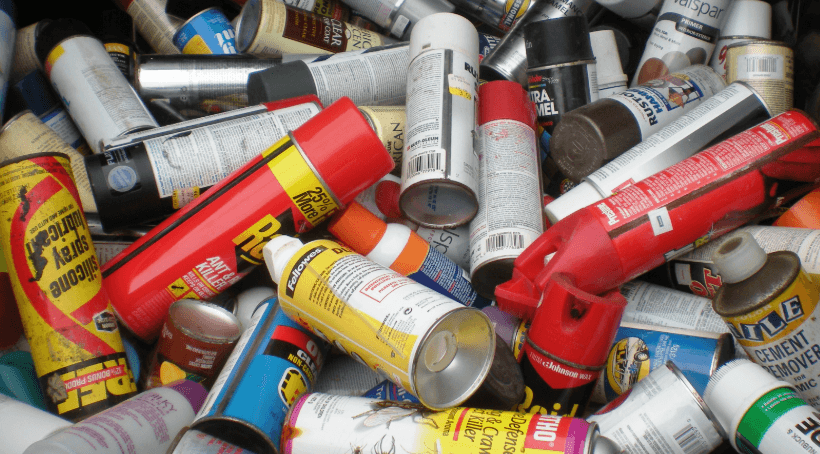
(Source: Acar Waste Management)
Chemical pollution in the seas constitutes a major threat not only to ecosystems but also to human life. Türkiye’s seas have become contaminated with chemical substances due to industrialization, population growth and the misuse of agricultural pesticides. Heavy metals, pesticides and industrial waste entering the seas can negatively affect marine life and disrupt ecosystem balance. The effects of chemical pollution on marine life can lead to species extinction, thereby threatening public health through the food chain.
Sustainable management practices focus on reducing hazardous waste generation, promoting recycling and encouraging green technologies. Türkiye is striving to align with circular economy principles within its evolving waste management framework. This involves minimizing waste through efficient resource use, material recovery and the integration of waste-to-energy solutions. Legal and institutional support for these practices remains crucial, particularly as the country seeks to reduce the environmental impact of its industrial processes.
Inadequate hazardous waste management leads to significant economic consequences. Costs associated with cleaning up pollution, protecting environmental health and losses in tourism and fisheries due to water contamination can be substantial. Moreover, effective hazardous waste management can generate economic opportunities in recycling, waste treatment and green technology sectors, benefiting both public and private sectors. Aligning economic incentives with environmental regulations can encourage industries to adopt cleaner technologies and reduce their ecological footprint.
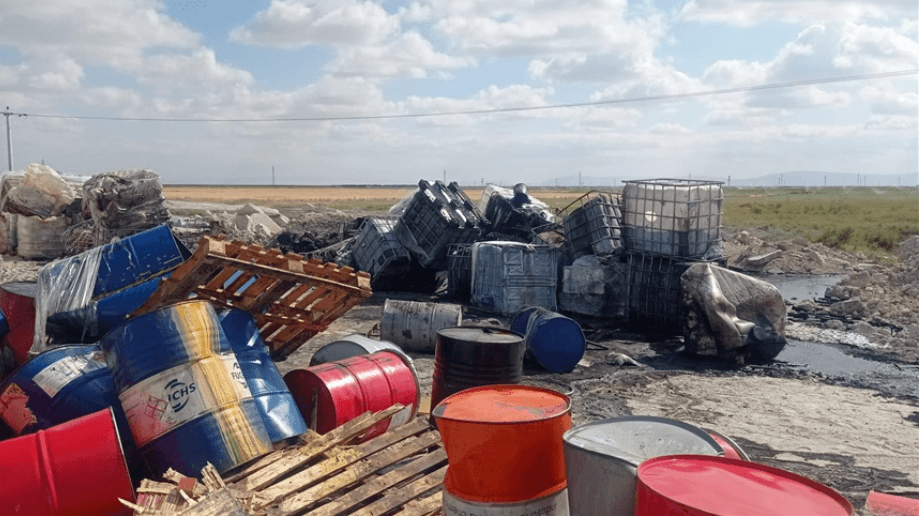
(Source: Anadolu Agency)
Hazardous wastes are classified into different categories based on their composition and properties. The main types of hazardous waste include:
· Chemical Wastes: Contain organic and inorganic chemical substances. They may originate from various industrial processes, agricultural chemicals and petrochemical products.
· Biological Wastes: Include wastes carrying biological hazards such as bacteria, viruses, pathogenic organisms and materials produced through genetic engineering. The healthcare sector, biotechnology and agriculture are the primary sources of such waste.
· Radioactive Wastes: Generated from nuclear energy production, medical applications and certain industrial processes. These wastes are highly dangerous and can harm the environment for very long periods.
· Physical and Other Wastes: Include wastes containing physical hazards such as explosives, corrosives and flammable materials. These are typically generated by military and engineering activities.
The release of hazardous waste into the environment disrupts ecological balance and causes irreversible effects on human health. The contamination of water sources by chemical wastes poses a major threat to drinking water supplies. Additionally, when these substances enter marine ecosystems, they damage underwater flora and fauna.
Toxic chemicals accumulate biologically in fish and other marine organisms, adversely affecting the food chain. Human health impacts are broader and may include long-term conditions such as cancer, respiratory diseases, neurological disorders and genetic alterations. Local populations directly exposed to these wastes are the most affected group.
The management of hazardous waste is regulated by strict legal frameworks at both national and international levels. Türkiye has established measures for waste management and hazardous waste control through Law No. 2872 on the Environment and related regulations. Internationally, the Basel Convention, which governs the transboundary movement of hazardous waste, provides a global framework for their management.
Basel Convention is an agreement regulating the international transport and disposal of hazardous waste. Adopted in 1989 in Basel, Switzerland, the convention aims to prevent the illegal transfer of hazardous waste to developing countries. It defines the necessary regulations and obligations for the safe management of hazardous waste. Türkiye is a party to the Basel Convention and implements measures to ensure the safe management of waste in accordance with its provisions.
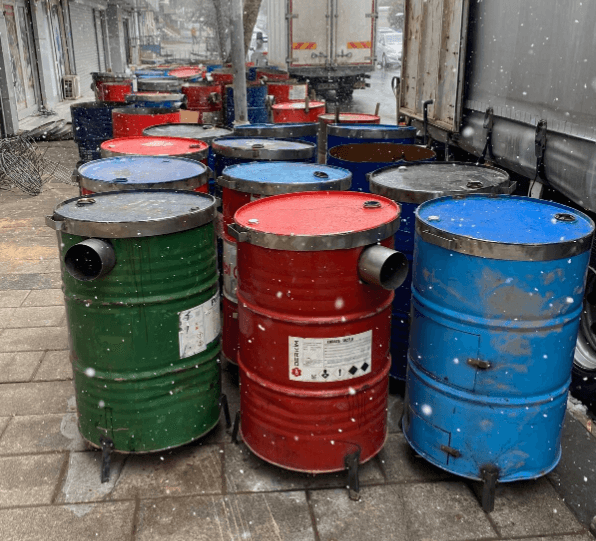
(Source: Bigumigu)
Effective management of hazardous waste requires multiple strategies and practices to minimize environmental and health risks. These strategies are generally grouped under three main categories:
· Waste Reduction at Source:
Preventing the generation of hazardous waste is recognized as the most effective strategy. This strategy is based on reducing the use of hazardous chemicals in industrial production processes and favoring more environmentally friendly alternatives.
· Recycling and Reuse:
Some hazardous wastes can be recycled or reused through appropriate processes. Metals and certain chemical wastes, for example, can be reprocessed to gain economic value.
· Disposal and Destruction: Safe disposal and destruction of waste are among the most critical stages of management. This process ensures that wastes are eliminated without harming the environment, using specialized technologies.
Improper management of hazardous waste has led to numerous environmental disasters worldwide. For example, the chemical waste crisis in Love Canal, USA, in 1987 directly threatened public health and permanently altered life in the region. Similar cases in Türkiye, particularly concerning chemical pollution in the seas, have heightened concerns. Mysterious barrels washing ashore and chemical leaks have sparked significant environmental and legal debates. Such incidents once again highlight how critical proper waste management is.
In the future, hazardous waste management is expected to become more sustainable and efficient. Guided by circular economy principles, reducing waste at the source, recycling and safe disposal will be prioritized. Furthermore, processing hazardous waste through green technologies and innovative methods will provide environmentally sensitive solutions. Stronger global cooperation and international regulations will play a vital role in reducing the impacts of hazardous waste.
AA News. "Konya’da Kimyasal Atıkları Araziye Bırakan Şüphelilere 38.5 Milyon Lira Ceza Kesildi." Anadolu Ajansı, February 19, 2025. https://www.aa.com.tr/tr/cevre/konyada-kimyasal-atiklari-araziye-birakan-suphelilere-38-5-milyon-lira-ceza-kesildi-/2640064#.
Acar Atık Yönetimi. "Tehlikeli Atık Nedir?" Acar Atık Yönetimi, 2025. http://www.acaratikyonetimi.com/tehlikeli-atik-nedir/.
Bigumigu. "Variller Depremzedeler İçin Sobaya Dönüşüyor." Bigumigu, February 19, 2025. https://bigumigu.com/haber/variller-depremzedeler-icin-sobaya-donusuyor/.
Ministry of Environment and Urbanization. "Atık Yönetimi." Ministry of Environment and Urbanization, 2025. https://cygm.csb.gov.tr/atik-yonetimi-i-83468?utm_source=.
Ministry of Environment and Urbanization. "Atık Yönetimi." Ministry of Environment and Urbanization, 2025. https://cygm.csb.gov.tr/atik-yonetimi-i-83468?utm_source=.
Ministry of Environment and Urbanization. "Summary Reports of the Integrated Pollution Monitoring Program for Seas." Ministry of Environment and Urbanization, 2025. https://ced.csb.gov.tr/denizlerde-butunlesik-kirlilik-izleme-programi-ozet-raporlari-i-82693?utm_source=.
Ministry of Environment and Urbanization. "Summary Reports of the Integrated Pollution Monitoring Program for Seas." Ministry of Environment and Urbanization, 2025. https://ced.csb.gov.tr/denizlerde-butunlesik-kirlilik-izleme-programi-ozet-raporlari-i-82693?utm_source=.
Ministry of Environment and Urbanization. "Tehlikeli Atıkların Yönetimi Duyuru." Ministry of Environment and Urbanization, 2025. https://cygm.csb.gov.tr/tehlikeli-atiklarin-yonetimi-duyuru-89435?utm_source=.
TUDAV. *2017 Denizler Raporu*. TUDAV, April 2018. https://tudav.org/wp-content/uploads/2018/04/TUDAV_2017_Denizler_Raporu_s.pdf?utm_source=.

Alarm Over Hazardous Waste in the Seas
Sustainable Waste Management
Economic Impacts of Hazardous Waste
Types of Hazardous Waste
Environmental and Health Risks
Regulations and Legal Framework
Hazardous Waste Management Strategies
Case Studies and Examples
The Future of Hazardous Waste Management