This article was automatically translated from the original Turkish version.
Architect(s) | Unknown | ||||||||
|---|---|---|---|---|---|---|---|---|---|
Construction Date(s) | 16th century | ||||||||
Material(s) | Cut stone | ||||||||
Architectural Feature(s) | Ottoman provincial architecture simple and functional layout rectangular plan | ||||||||
Founder(s) | A female philanthropist (her name is not definitively known) | ||||||||
Location | Kahramanmaraş | ||||||||
Minaret | A single minaret adjacent to the structure | ||||||||
Roof | Flat roof / wooden ceiling | ||||||||
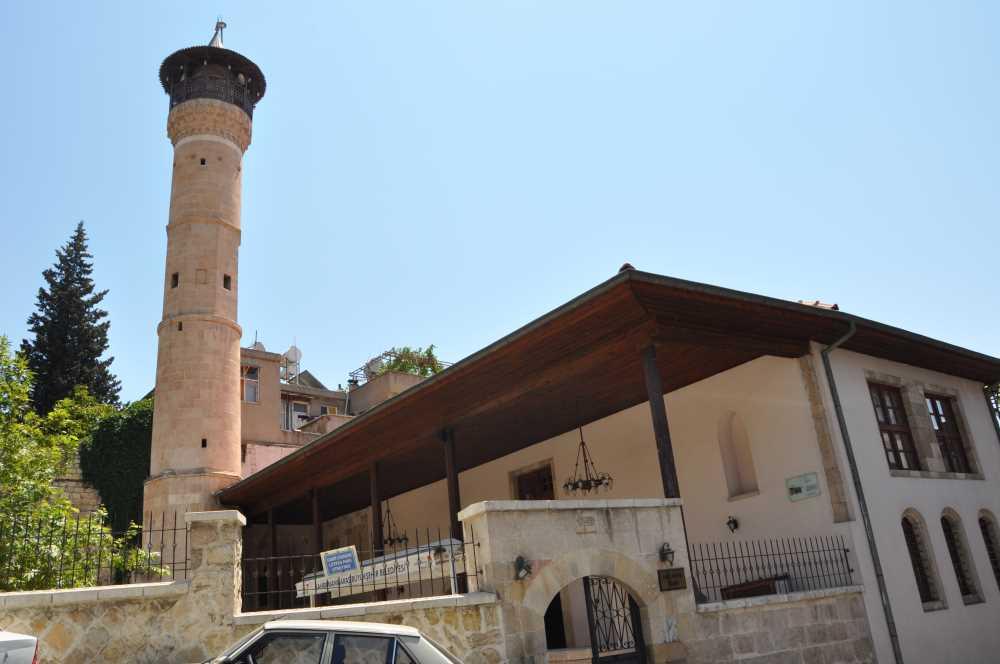
Hatuniye Camii, a historical place of worship dated to the Ottoman period, is located in the center of Kahramanmaraş. The mosque holds a critical position within the city’s religious and architectural heritage, having continuously served its worship function since its construction and significantly influencing the formation of the surrounding urban fabric. As a structure reflecting the characteristics of Ottoman provincial architecture, it is among the limited number of buildings that document Kahramanmaraş’s historical development.
The construction date of Hatuniye Camii is generally assigned to the 16th century, during the period when Kahramanmaraş came under Ottoman rule. The name of the mosque is linked to the title “hatun,” an honorific given to women in Ottoman society known for their charitable works. This indicates that the mosque was either commissioned by a female patron or built as a charitable endowment in a woman’s name.
Since its construction, Hatuniye Camii has functioned not only as a place of worship but also as a focal point shaping the surrounding settlement pattern. Considering the neighborhood structure that developed around mosques during the Ottoman period, it is evident that the area around Hatuniye Camii was one of the centers of social and religious life. The building bears witness to the administrative and social transformations Kahramanmaraş underwent under Ottoman administration and has survived through various repairs and interventions over time.
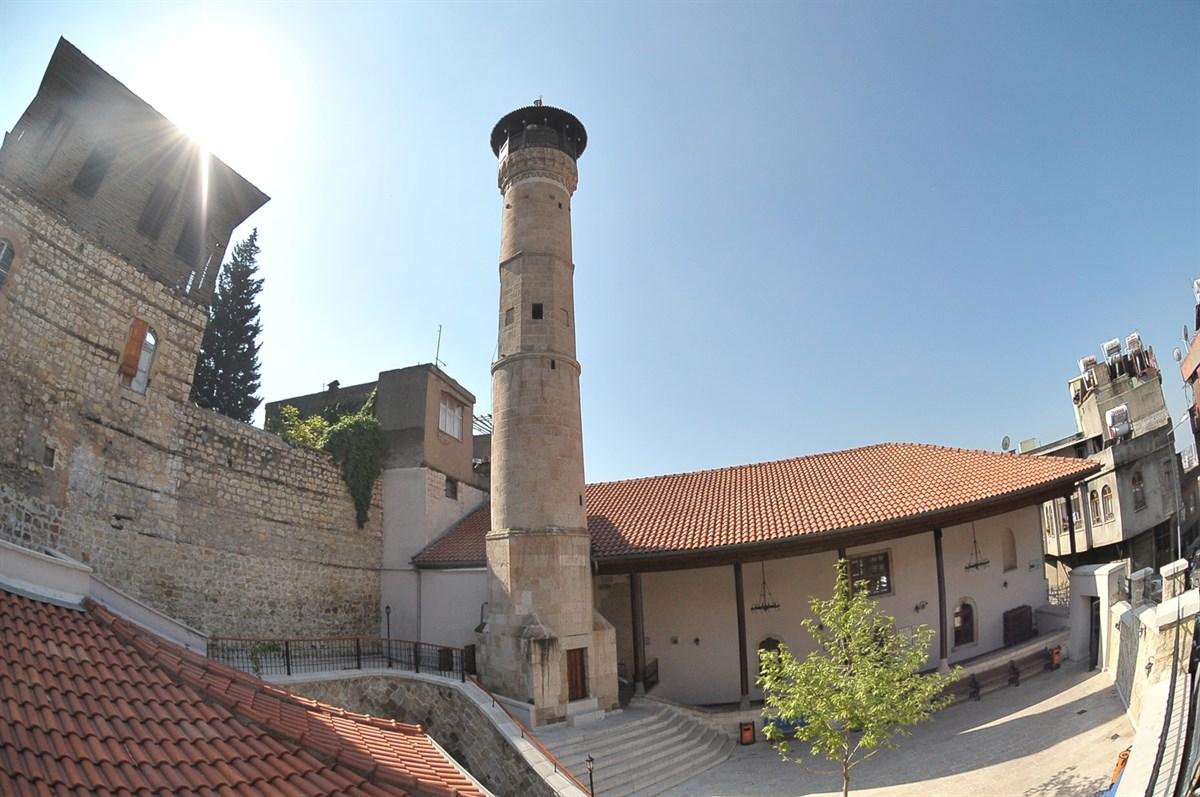
Hatuniye Camii (Kahramanmaraş Valiliği)
Hatuniye Camii exhibits a planning approach that reflects the simplicity and functional orientation characteristic of Ottoman provincial architecture. The building is constructed of cut stone and consists of a rectangular prayer hall. In its architectural design, ease of use and durability were prioritized over monumentality. These features indicate that the mosque was designed to meet the daily worship needs of the urban population.
The roof of the mosque is formed by a flat roof or wooden ceiling system, creating a spacious and unadorned interior volume. The facade is kept minimal, with limited decorative elements. The minaret is positioned adjacent to the main structure and stands out as an essential component that completes the building’s overall architectural unity. Its form and placement reflect traditional practices commonly found in Ottoman provincial mosques.
The architectural elements within the interior provide certain details that support the mosque’s artistic character. In particular, the craftsmanship visible in the wooden minbar and other interior features reflects the traditional artisanal sensibilities of the period. Although these wooden elements are modest in ornamentation, they constitute key components that enhance the mosque’s aesthetic value.
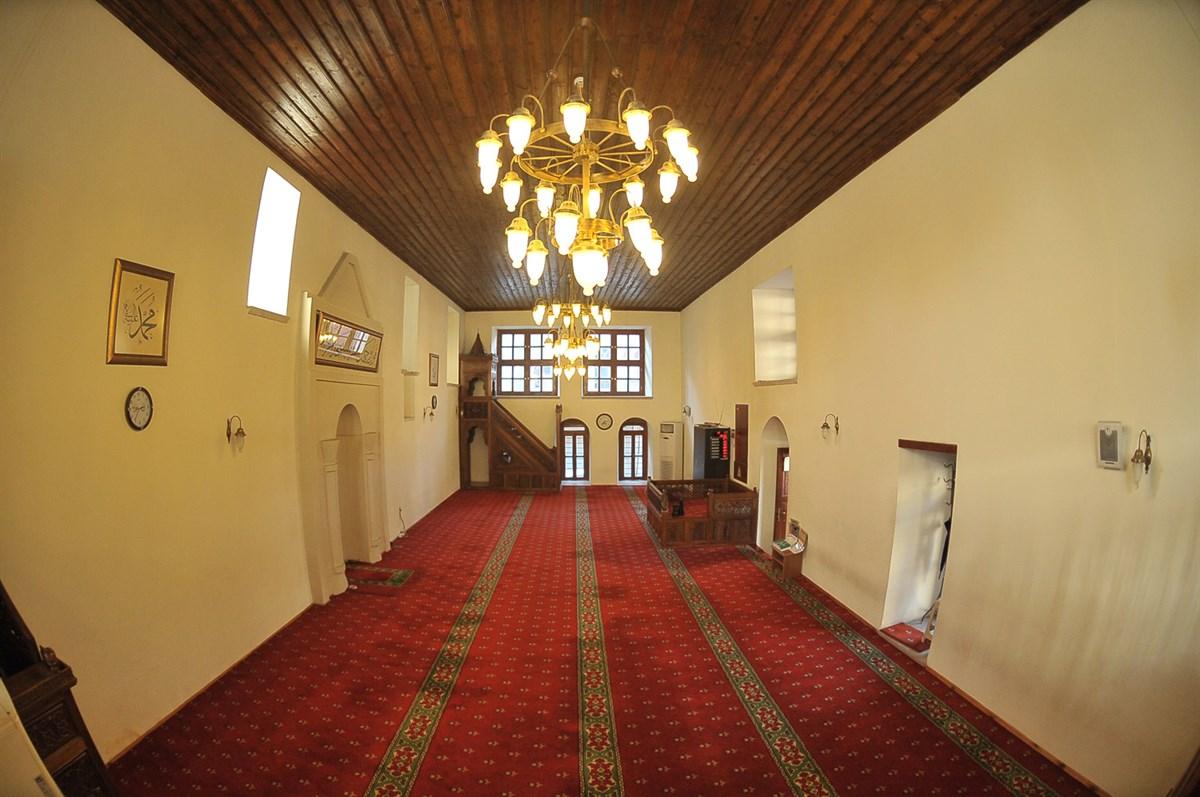
Interior of Hatuniye Camii (Kahramanmaraş Valiliği)
The interior of the mosque is organized with the primary focus on its function as a place of worship. The wooden elements within the interior, particularly the minbar and other architectural details, attract attention through their craftsmanship. This woodworking reflects the traditional artisanal practices of the period and enhances the building’s artistic value. Although decorative elements are limited, the materials and craftsmanship used reinforce the historical character of the mosque.
Throughout its history, Hatuniye Camii has undergone various repairs due to natural factors and usage conditions. Restoration efforts have carefully preserved the mosque’s original architectural character, enabling the structure to survive to the present day. During the 2023 earthquakes centered in Kahramanmaraş, the dome of the mosque collapsed. Subsequent damage assessment surveys were conducted, and the mosque was included among the damaged historical structures. Currently, Hatuniye Camii is being addressed within the framework of conservation and restoration efforts and is regarded as one of the important representatives of Ottoman religious architecture in the city.
Kahramanmaraş Valiliği. "Tarihi Konaklar ve Dini Değerler." Kahramanmaraş Valiliği. Accessed February 7, 2026. https://www.kahramanmaras.gov.tr/tarihi-konaklar-ve-dini-degerler.
Kahramanmaraş İl Directorate of Culture and Tourism. "Hatuniye Camii." T.C. Kültür veTurizm Bakanlığı. Accessed February 7, 2026. https://kahramanmaras.ktb.gov.tr/TR-152551/hatuniye-cami.html
Kültür Portalı. "Hatuniye Camii (Kahramanmaraş)." Kültür Portalı. Accessed February 7, 2026. https://www.kulturportali.gov.tr/turkiye/kahramanmaras/gezilecekyer/hatuniye-camii396866.
Ministry of National Education. "Hatuniye Camii." *EBA Okul Learning*. Accessed February 7, 2026. https://okuldisiogrenme.eba.gov.tr/place-detail/hatuniye-camii-7491.
Architect(s) | Unknown | ||||||||
|---|---|---|---|---|---|---|---|---|---|
Construction Date(s) | 16th century | ||||||||
Material(s) | Cut stone | ||||||||
Architectural Feature(s) | Ottoman provincial architecture simple and functional layout rectangular plan | ||||||||
Founder(s) | A female philanthropist (her name is not definitively known) | ||||||||
Location | Kahramanmaraş | ||||||||
Minaret | A single minaret adjacent to the structure | ||||||||
Roof | Flat roof / wooden ceiling | ||||||||
History
Architectural Features
Interior Space and Decoration
Restorations and Current Condition