


This article was automatically translated from the original Turkish version.
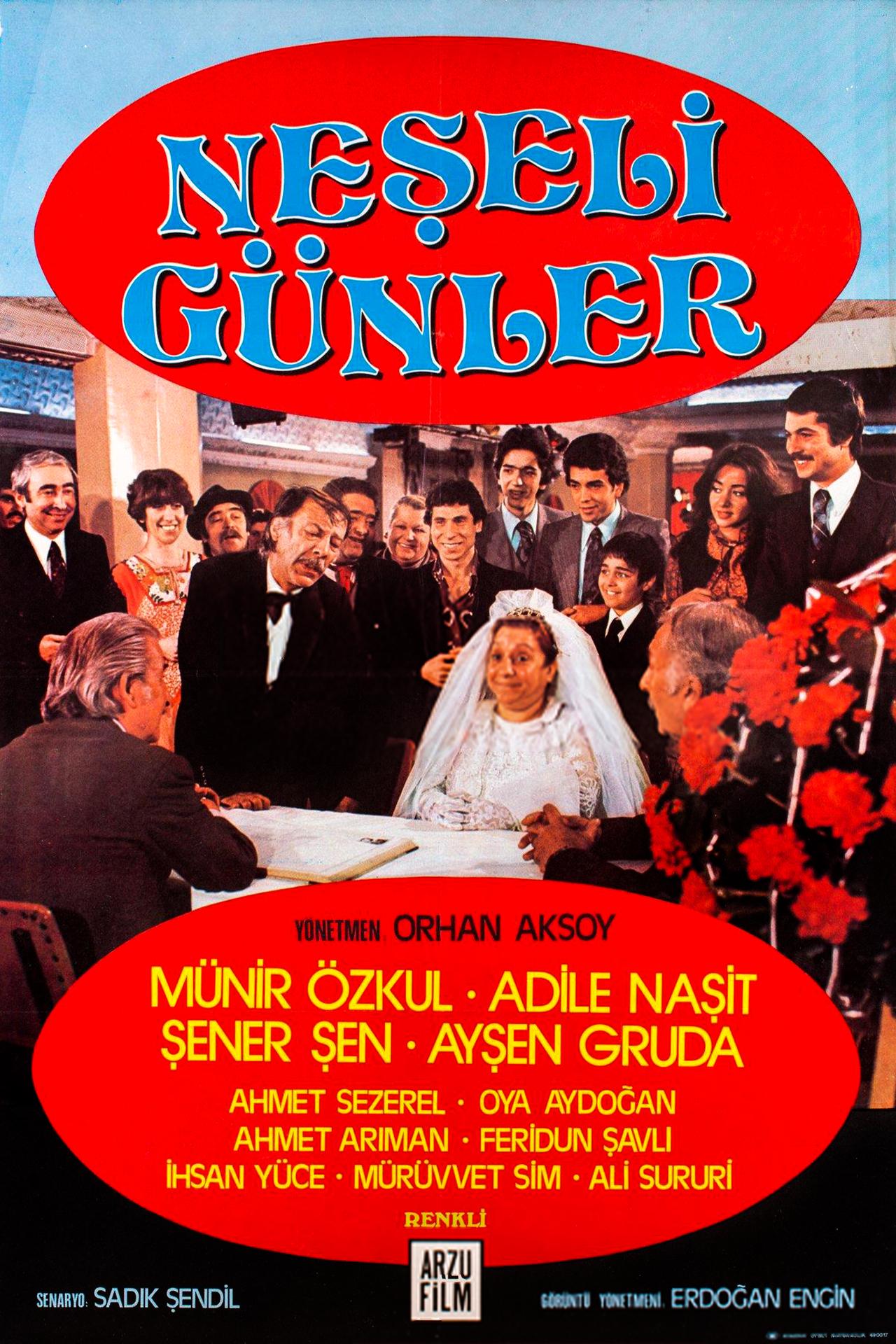
Happy Days
Screenplay(s) | Sadık Şendil | ||||||||
|---|---|---|---|---|---|---|---|---|---|
Production Year(Text) | 1978 | ||||||||
IMDb Rating(Text) | 8.6 | ||||||||
Director(s) | Orhan Aksoy | ||||||||
Duration | 92 minutes | ||||||||
Genre | Comedy Family | ||||||||
Neşeli Günler is a film that centers on a family making a living by producing vinegar and is regarded as one of the most beloved comedies in Turkish cinema. Kazım (Münir Özkul) and Happiness (Adile Naşit) raise their six children in together happy a life. However, a heated debate over whether “vinegar or lemon is more beneficial” escalates into a major quarrel, leading to the couple’s divorce.
Following the divorce, the children are divided: three live with their mother and three with their father. Years later, the siblings reunite and embark on a humorous yet emotional journey to rebuild their family. Film explores both the trauma caused by separation and the hopeful aspects of reunion.
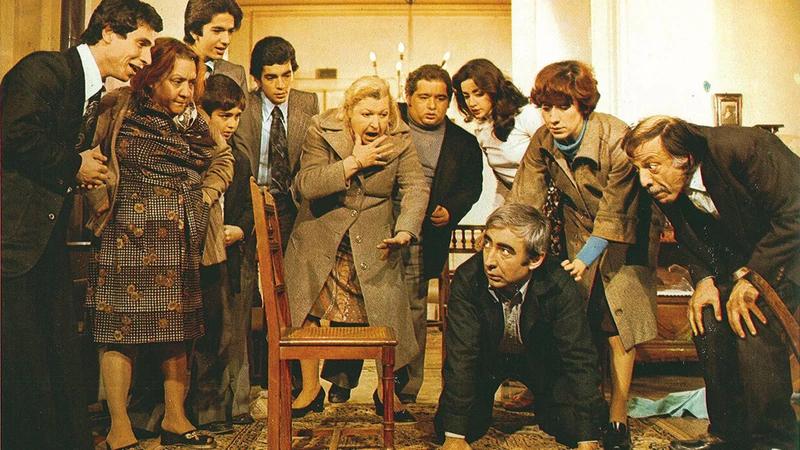
Scene from Neşeli Günler – MUBI
The film dramatically examines how fundamental the family unit is and the profound impact its dissolution has on children. Beneath its cheerful scenes lies a deeply moving family drama.
The story penned by screenwriter Sadık Şendil conveys the absurdities of everyday life with simple language and masterful humor. The vinegar-versus-lemon dispute, which leads to the family’s breakup, symbolically reflects societal communication breakdown and stubbornness.
The characters of Kazım and Saadet represent the family structure of their era. However, in the film, Saadet, portrayed by Adile Naşit, emerges as a strong yet affectionate female figure. While male authority is humorously critiqued, the mother’s unifying power is emphasized.
The love and solidarity among the siblings in the film are presented as a powerful representation of social bonds. Though they did not grow up together, common affiliation and affection bring them back together.
Neşeli Günler was produced during the golden age of Yeşilçam by Arzu Film. It is one of the most well-known examples of Director Orhan Aksoy’s classic “family comedy” style. Filmed in Istanbul of that era, it realistically portrays the culture and family life of neighborhood.
The dialogues written by Sadık Şendil have remained etched in public memory. The film’s humor is not merely slapstick but also serves as a reflection of the characters’ inner worlds.
Münir Özkul delivers a classic yet emotionally resonant portrayal of the authoritarian yet loving father, capturing both the caricature and the humanity of the traditional father figure. Adile Naşit forms the emotional backbone of the film with her portrayal of a nurturing yet strong mother. Şener Şen, as Ziya, navigates the heights of comedic timing and creates a unique character in Turkish comedy. Ayşen Gruda and Oya Aydoğan balance the film with their portrayals of female solidarity and energetic performances.
Neşeli Günler is among the most effective cinematic works in Türkiye to merge the concept of family with humor and social realism. Even decades later, its lines remain embedded in everyday speech, and its actors have become legendary. The film is regarded as one of Yeşilçam’s productions that endure not only through nostalgia but also against the test of time.
Upon its release, Neşeli Günler achieved major box office success and has since attained culture film status. Although it did not officially participate in award seasons, it holds the most cherished award of all in the hearts of Turkish audiences:
• TRT 1 “All Time Favorite Turkish Films” List – Top 10
• One of the highest-rated Turkish films by IMDb users
• Sustained broadcast and revival success among archival domestic comedies
Beyazperde. "Neşeli Günler (1978)." Accessed March 28, 2025.
Beyazperde. "Neşeli Günler – Kadro." Accessed March 28, 2025.
DergiPark. "Türk Sinemasında Aile Teması: Gelenekten Modernliğe Bir Yolculuk." Accessed March 28, 2025. Link.
IMDb. “Neşeli Günler (1978).” Accessed March 28, 2025.
MUBI. “Happy Days (Neşeli Günler).” Accessed March 28, 2025.

Happy Days
Screenplay(s) | Sadık Şendil | ||||||||
|---|---|---|---|---|---|---|---|---|---|
Production Year(Text) | 1978 | ||||||||
IMDb Rating(Text) | 8.6 | ||||||||
Director(s) | Orhan Aksoy | ||||||||
Duration | 92 minutes | ||||||||
Genre | Comedy Family | ||||||||
Themes and Analysis
1. Family Bonds and Separation
2. Social Critique Through Humor
3. Gender Relationships and Social Roles
4. Siblinghood and Solidarity
Production Process and Technical Features
Performances
Impact and Significance
Awards and Nominations
Honorary Achievements