


This article was automatically translated from the original Turkish version.
+1 More
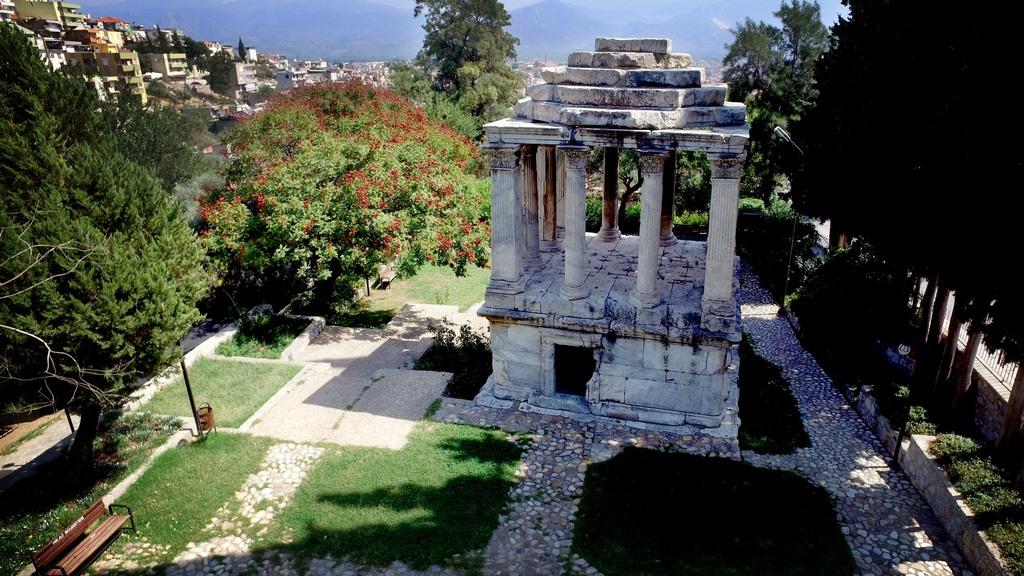
Gümüşkesen Tomb Monument
Location | Hisarbaşı Neighborhood Milas Muğla | ||||||||
|---|---|---|---|---|---|---|---|---|---|
Date | 2nd century AD | ||||||||
Building Type | Monumental Tomb | ||||||||
Construction Material | Marble | ||||||||
Protection Status | Open to Visitors Expropriated | ||||||||
Related Institution | Ministry of Culture and Tourism of the Republic of Türkiye | ||||||||
Muğla Province’s Milas district is home to the Gümüşkesen Burial Monument, an monumental tomb structure dating to the Roman Imperial period. Architecturally, the structure exhibits similarities to the Mausoleum at Halicarnassus and represents one of the distinctive examples of ancient funerary architecture in the region. Gümüşkesen is a structure that has been carefully studied both for its contribution to the architectural development of the area and for its possible sources of inspiration.
The Gümüşkesen Burial Monument is situated on a elevated terrace within the boundaries of Hisarbaşı Neighborhood, southwest of the center of Milas. Built on a commanding position, the monument was designed to create a strong visual impact and emphasize its monumental character. The tomb is constructed from finely worked marble blocks.
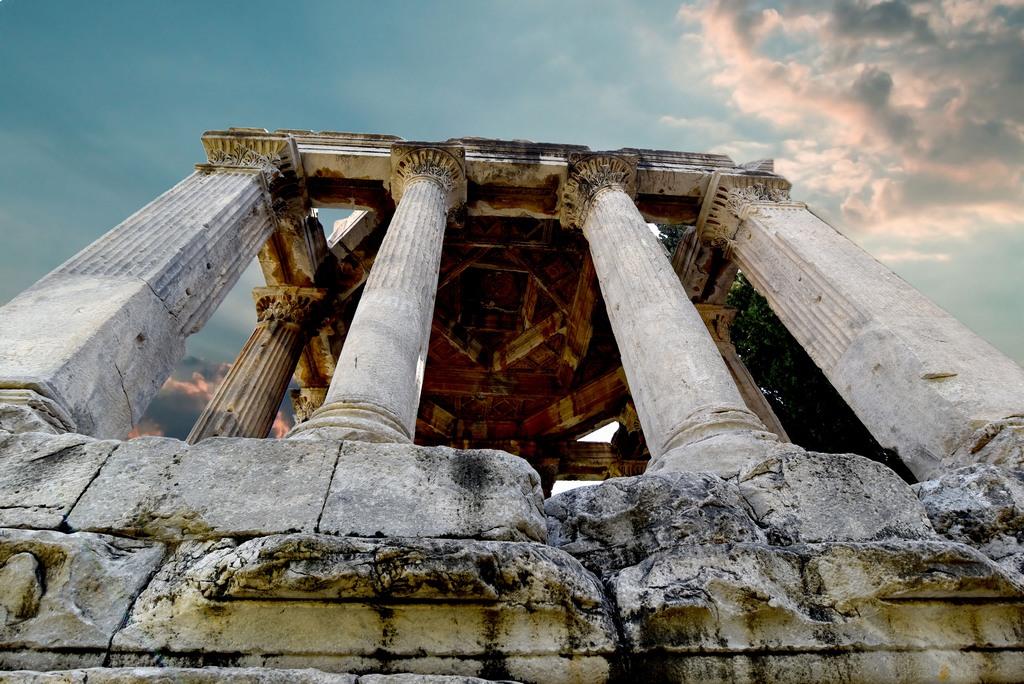
Gümüşkesen Mezar Anıtı (Milas Kaymakamlığı)
The structure consists of three main components: the podium (base), the pteron (colonnaded section), and the naiskos (temple-like upper structure). The rectangular podium raises the building above ground level and serves as the foundational element supporting the entire structure. The pteron, resting atop the podium, is surrounded by two columns on each facade, with careful attention paid to architectural proportions. The naiskos, located above the pteron, is notable for its facade design and pediment arrangement. Inside the naiskos, a sarcophagus is placed, indicating the monument’s funerary function.
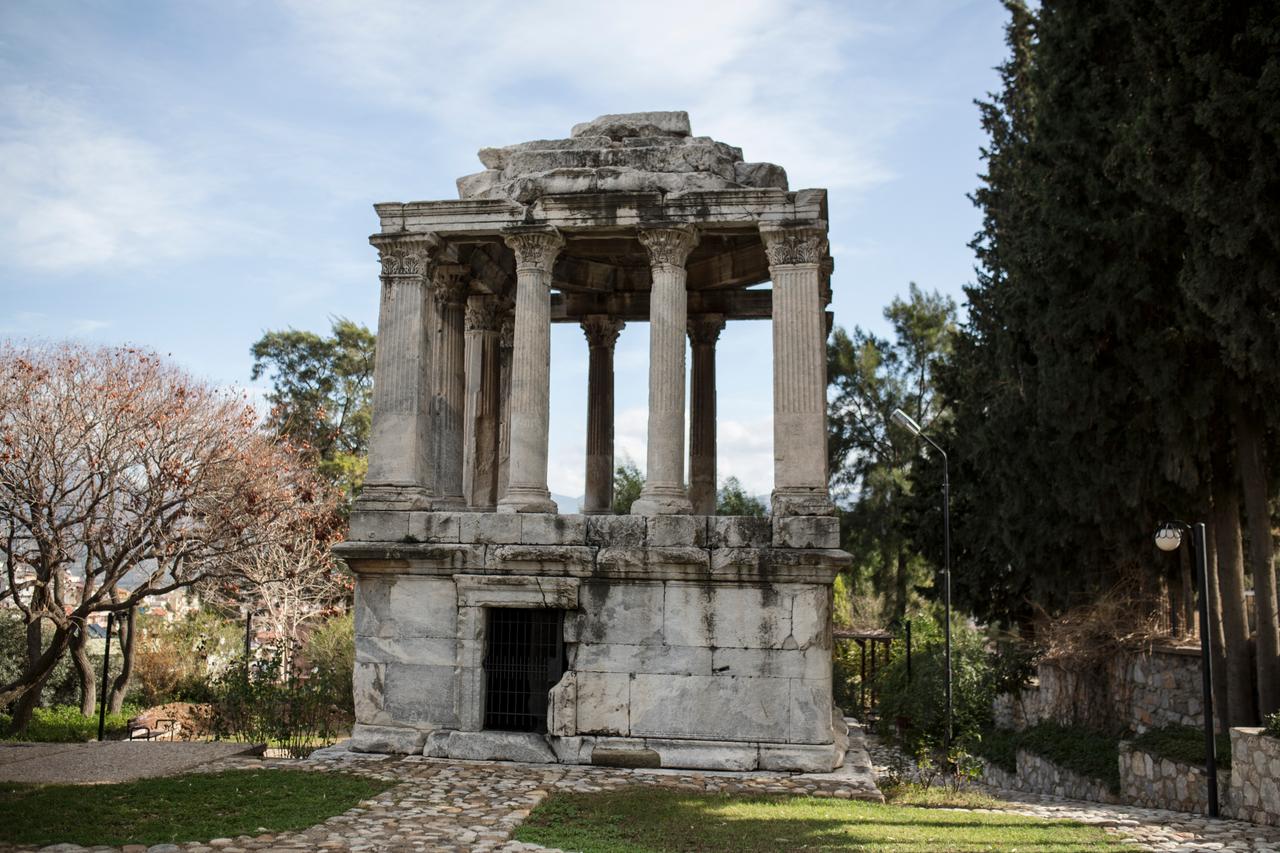
Gümüşkesen Mezar Anıtı Önden Görünümü (Milas Kaymakamlığı)
The Gümüşkesen Burial Monument shows similarities to the Mausoleum at Halicarnassus in terms of planning, proportions, and upper structure design. This resemblance supports the view that the monument may have been a smaller-scale adaptation of the Mausoleum during the Roman period. The presence of caryatids and colonnaded arrangements in both structures is interpreted as evidence of this architectural influence.
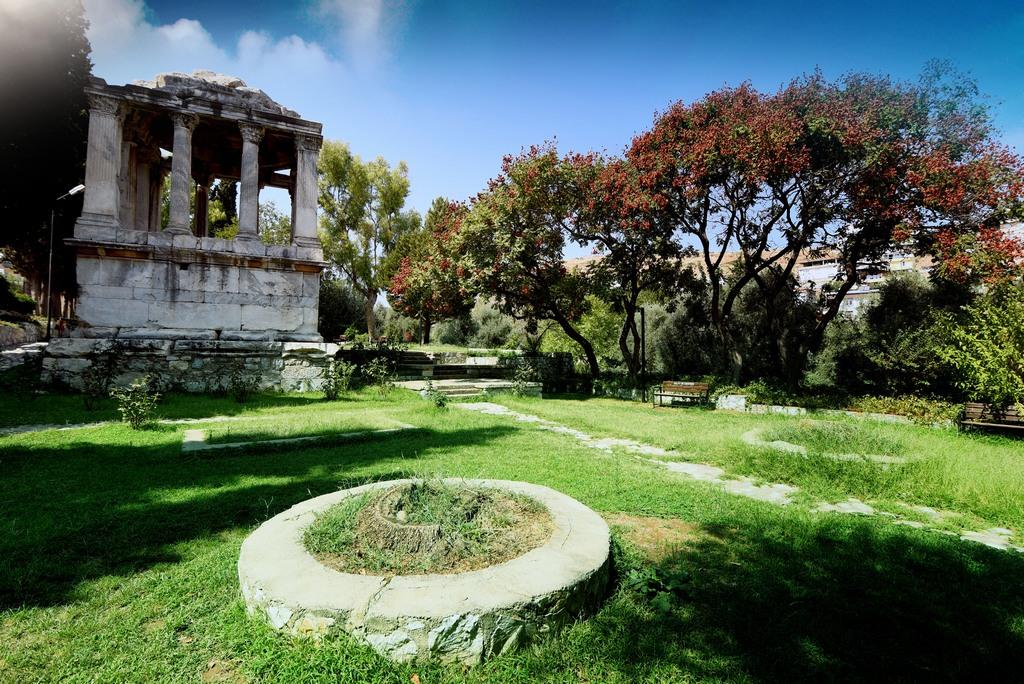
Gümüşkesen Mezar Anıtı Dıştan Görünümü (Milas Kaymakamlığı )
The structure is generally dated to the 2nd century CE. This period corresponds to a phase of intense architectural production in Roman Western Anatolia. In this context, Gümüşkesen is considered either a family tomb or a monumental burial erected for a member of the elite. The construction techniques and materials used shed light on local and central production methods of the time.
In 2011, the Gümüşkesen Burial Monument was expropriated by the Republic of Türkiye Ministry of Culture and Tourism and transferred to public ownership. Restoration and conservation works have been carried out under the ministry’s supervision, and landscape improvements have ensured its protection as cultural heritage. Today, the structure is open to visitors.
Milas Belediyesi. "Gümüşkesen Mezar Anıtı." Milas Municipality Official Website. Accessed June 16, 2025.https://www.milas.bel.tr/HOME/INDEX/MILAS/TARIHI-YERLER/282
Milas Kaymakamlığı. "Gümüşkesen Mezar Anıtı." Milas Kaymakamlığı Resmi Web Sitesi. Accessed June 16, 2025.http://www.milas.gov.tr/gumuskesen-mezar-aniti
T.C. Ministry of Culture and Tourism. "Gümüşkesen Anıtı."Muğla İl Directorate of Culture and Tourism Official Website. Accessed June 16, 2025.https://mugla.ktb.gov.tr/TR-177905/gumuskesen-aniti.html

Gümüşkesen Tomb Monument
Location | Hisarbaşı Neighborhood Milas Muğla | ||||||||
|---|---|---|---|---|---|---|---|---|---|
Date | 2nd century AD | ||||||||
Building Type | Monumental Tomb | ||||||||
Construction Material | Marble | ||||||||
Protection Status | Open to Visitors Expropriated | ||||||||
Related Institution | Ministry of Culture and Tourism of the Republic of Türkiye | ||||||||
No Discussion Added Yet
Start discussion for "Gümüşkesen Burial Monument" article
Location and General Features
Architectural Structure and Components
Architectural Influence and Similarities to the Mausoleum at Halicarnassus
Dating and Function
Protection and Ownership Status