


This article was automatically translated from the original Turkish version.
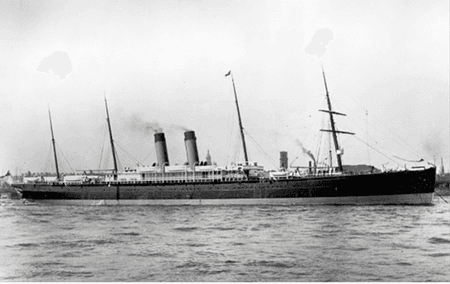
Gülcemal Steamship
Construction Year | 1899 | ||||||||
|---|---|---|---|---|---|---|---|---|---|
Construction Site | Harland and Wolff (England) | ||||||||
Weight | 4,347 gross tons | ||||||||
Length | 106.4 m | ||||||||
Width | 13.7 m | ||||||||
Depth | 9.5 m | ||||||||
Speed | 16 knots | ||||||||
Capacity | 1000 passengers | ||||||||
First Commissioning | 1912 | ||||||||
Decommissioning Year | 1939 | ||||||||
Country of Sale | Italy | ||||||||
Demolition Year | 1950 | ||||||||
Gülcemal Steamship has become one of the symbols of the transition from the Ottoman Empire to the Republic. Originally built as the transatlantic liner Germanic for White Star Line, the vessel was used for numerous purposes over time and holds a significant place in Turkish maritime history.
Gülcemal Steamship - (Youtube)
In 1903, the Germanic, chartered by White Star Line to American Line, was sold to Dominion Line in 1904 and renamed Ottawa. It began service on the Liverpool-Quebec-Montreal route in 1905 but ceased operations on this route in 1909. In 1911, the Turkish government purchased the vessel and brought it to Istanbul, where it was displayed before Dolmabahçe Sarayı in honor of Sultan Reşad. The name Gülcemal was given in tribute to Gülcemal Kadınefendi, the mother of Sultan Reşad.
During the Balkan Wars, Gülcemal served as a supply vessel for the Ottoman Empire. Military units aboard were transported to Istanbul and other fronts. During this period, the vessel was placed under the command of the Seyr-i Sefain İdaresi by the Harbiye Nezareti to accelerate troop deployments. Gülcemal conducted military evacuations from regions such as Batum and Vardar and brought prisoners of war back to Turkey. During these years, Gülcemal began to acquire legendary status among the Turkish public, and many writers featured it in their novels and stories.
During World War I, Gülcemal was deployed to transport arms and ammunition to the Eastern Front and served behind the Gallipoli front. In 1915, it was torpedoed by a British submarine but returned to service after an extensive repair process. After the war, particularly during the Armistice period, Gülcemal was also used for prisoner exchanges and the transportation of civilians.
With the beginning of the National Struggle, Gülcemal, while still under the control of the Istanbul government, secretly transported weapons and munitions. The vessel also provided transportation for resistance fighters seeking to reach Anatolia from Istanbul. Although Gülcemal was officially used against the National Struggle, it nonetheless secretly supported the Kuvayı Milliye.
Gülcemal’s history entered another phase with its voyages to New York in 1920. This vessel, which became one of the symbols of the transition from the Ottoman Empire to the Republic, attracted great attention as the first transatlantic ship to fly the Turkish flag. Chartered by the Ottoman-American Line, Gülcemal made four trips to New York. Departing from Istanbul on 31 October 1920 and arriving in New York on 2 November, it inaugurated a new era for Turkish transatlantic travel. However, debts and disputes during these voyages led to significant legal conflicts between the vessel and the Turkish administration. In subsequent years, Gülcemal also became an important symbol in Turkish-American relations.
Mustafa Kemal Paşa used the Gülcemal Steamship on several occasions during his domestic tours. His first journey aboard the vessel took place in 1926. Paşa favored Gülcemal during this period for its comfort and praised its excellent discipline. During the 1926 journey, an assassination attempt occurred, but Paşa was unharmed.
In 1933, Paşa again used Gülcemal to tour the Aegean region, visiting Antalya, Muğla, and İzmir. Following this tour, in 1934, he visited the Çanakkale region to host Iran’s Shah Reza Shah and embarked on a sea voyage aboard Gülcemal. For this journey, Gülcemal was fitted out like a hotel and transported both leaders to Istanbul.
Despite renovations in 1928, the ship’s engines and hull had aged, and operating costs had risen. The vessel was decommissioned in 1937 and sold in 1939 to Italian companies. It was dismantled in 1950 and removed from the historical stage.
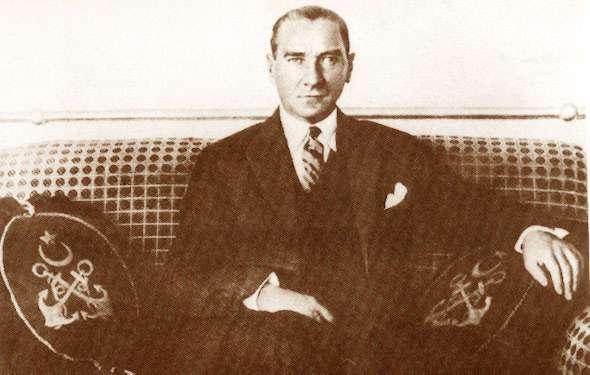
Mustafa Kemal Atatürk, on the Gülcemal Steamship off Mudanya - (MEB)
"Gülcemal Vapuru 75 Yıl Boyunca Birçok Önemli Olaya Tanıklık Etti." TRT Haber. Accessed May 12, 2025.https://www.trthaber.com/haber/yasam/gulcemal-vapuru-75-yil-boyunca-bircok-onemli-olaya-taniklik-etti-395292.html.
"Gülcemal Vapuru." *Atatürk Ansiklopedisi*. Accessed May 12, 2025.https://ataturkansiklopedisi.gov.tr/detay/471/G%C3%BClcemal-Vapuru.
Milli Eğitim Bakanlığı — Atatürk Fotoğrafları. Accessed May 12, 2025.https://www.meb.gov.tr/belirligunler/ataturk/foto/012/406.htm
TRT Belgesel. "Gülcemal Vapurunun Tarihimiz İçin Önemi." Accessed May 12, 2025.https://www.youtube.com/watch?v=4mLU32Yk_n8

Gülcemal Steamship
Construction Year | 1899 | ||||||||
|---|---|---|---|---|---|---|---|---|---|
Construction Site | Harland and Wolff (England) | ||||||||
Weight | 4,347 gross tons | ||||||||
Length | 106.4 m | ||||||||
Width | 13.7 m | ||||||||
Depth | 9.5 m | ||||||||
Speed | 16 knots | ||||||||
Capacity | 1000 passengers | ||||||||
First Commissioning | 1912 | ||||||||
Decommissioning Year | 1939 | ||||||||
Country of Sale | Italy | ||||||||
Demolition Year | 1950 | ||||||||
Early Years and Beginning Under Ottoman Administration
Balkan Wars and Military Service
World War I and the Armistice Period
Gülcemal During the National Struggle
Gülcemal’s Voyages to America
Gülcemal Steamship and Mustafa Kemal Paşa’s Domestic Tours