

This article was automatically translated from the original Turkish version.
Scientific Name(s) | Ardea cinerea | ||||||||
|---|---|---|---|---|---|---|---|---|---|
Team(s) | Ciconiiformes Herons | ||||||||
Family(ies) | Ardeidae Herons | ||||||||
Conservation Status(es) | LC Least Concern | ||||||||
Number of Subspecies | Four distinct species identified worldwide | ||||||||
Flight Position | Neck bent in an S-shape, legs extended backward | ||||||||
Reproductive System | Monogamous, one mate | ||||||||
Incubation Period | 23-28 days | ||||||||
Egg Count | 2-7 eggs per clutch | ||||||||
Feeding Behavior | Primarily fish and frogs | ||||||||
Lifespan | Average 5 years in the wild, maximum 23-35 years | ||||||||
Body Weight | 1-2 kg | ||||||||
Wingspan | 155-195 cm | ||||||||
Body Length | 84-102 cm | ||||||||
Habitat | Shallow freshwater brackish water and marine coasts | ||||||||
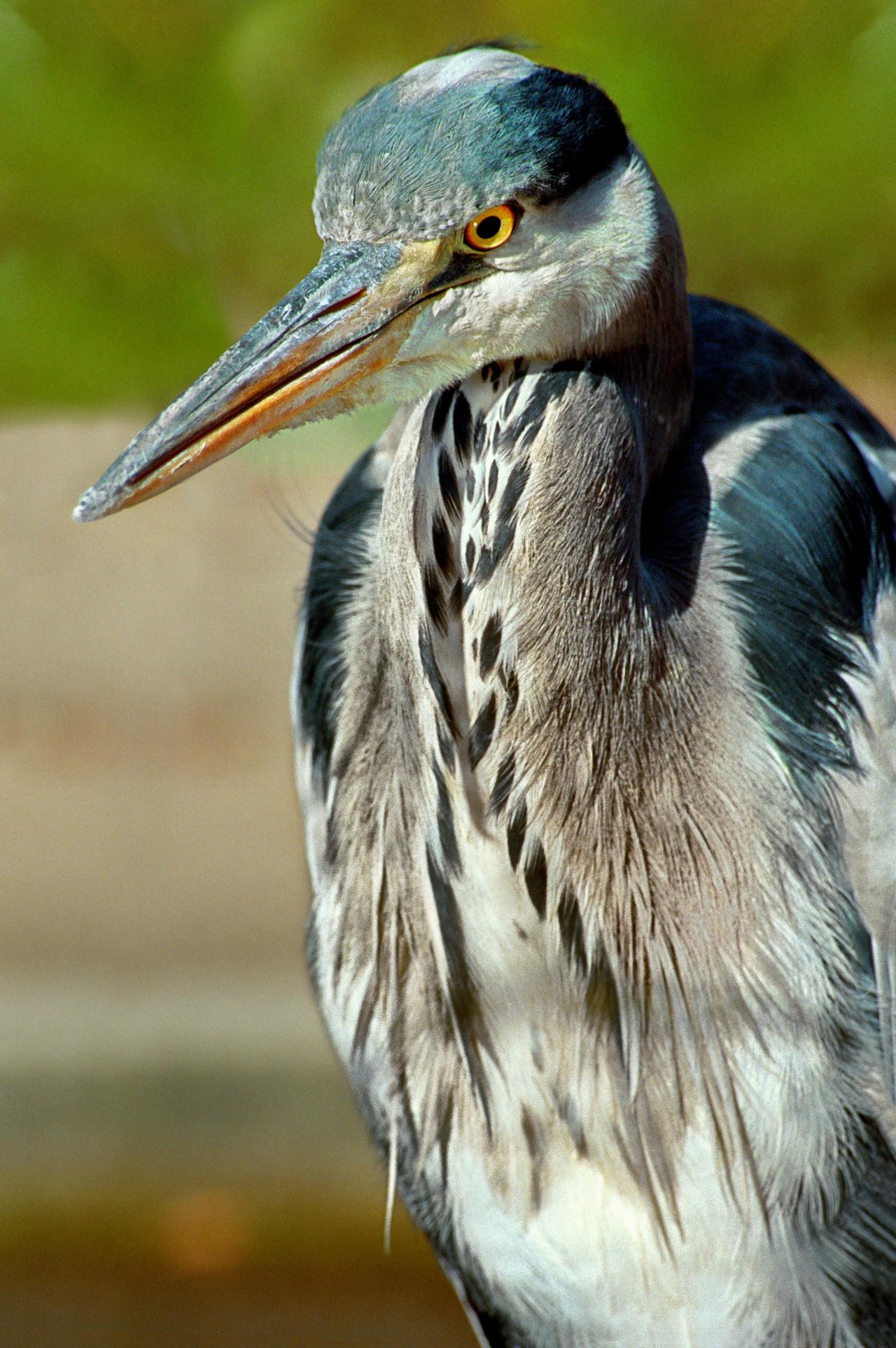
The grey heron (Ardea cinerea) is a widely distributed bird species belonging to the family Ardeidae within the order Ciconiiformes. It inhabits aquatic and semi-aquatic ecosystems across the globe. This species exhibits a broad distribution across large parts of Eurasia and Africa, and is classified into four distinct subspecies based on geographic variation. These birds are large in size, with body lengths ranging from 84 to 102 centimetres and wingspans between 155 and 195 centimetres. They are characterised by predominantly grey plumage on the back and dirty white underparts.
Within the class Aves of the subphylum Vertebrata, this species has been scientifically described with four subspecies based on geographic distribution and morphological traits. The subspecies Ardea cinerea cinerea is found across Europe, Africa and Western Asia; Ardea cinerea jouyi occurs in East Asia; Ardea cinerea firasa is endemic to Madagascar; and Ardea cinerea monicae forms an isolated population on the Banc d'Arguin islands of Mauritania.
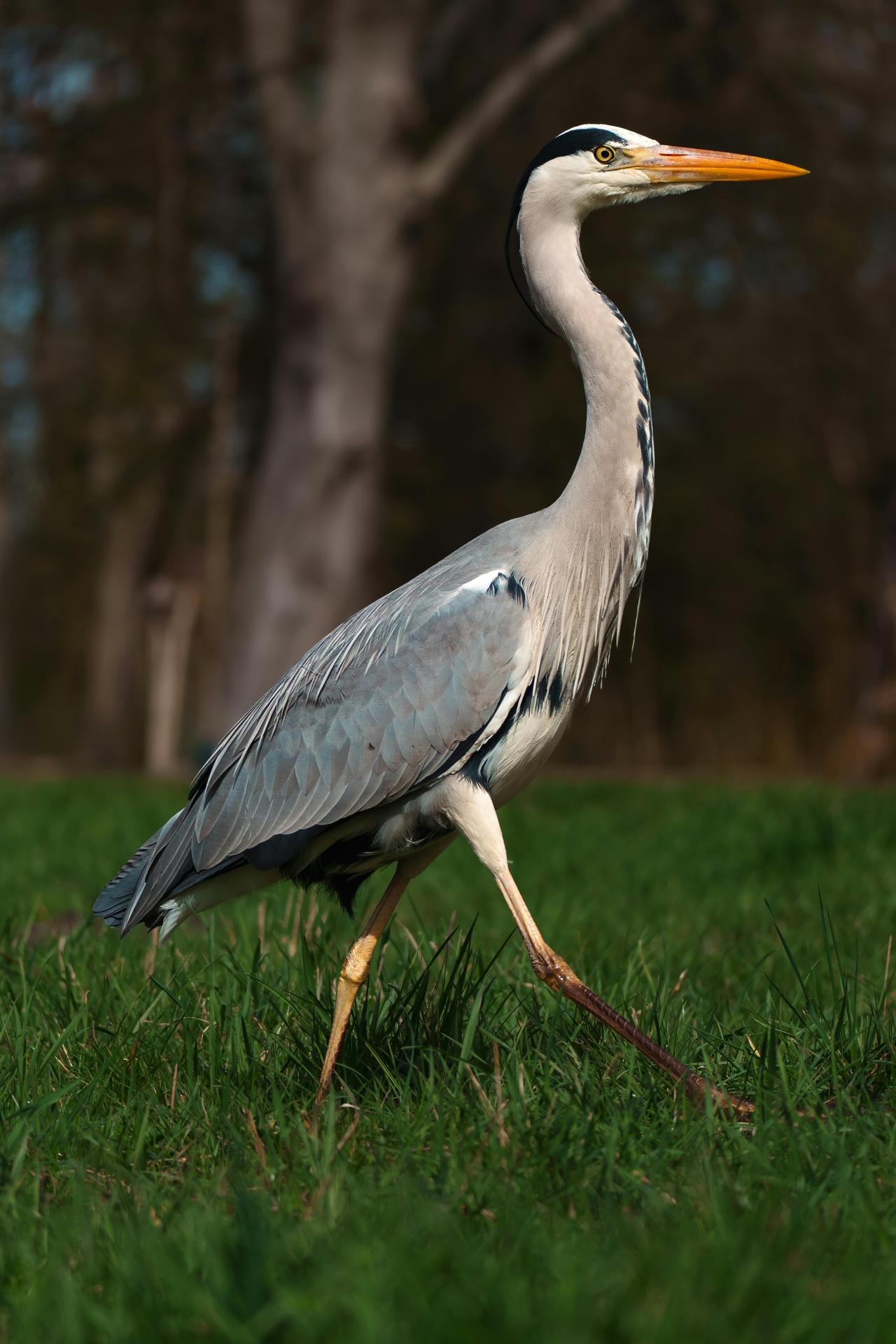
Grey Heron (Ardea Cinerea) (pexels)
The body length of the species ranges from 84 to 102 centimetres, with a wingspan of 155 to 195 centimetres. Body mass typically falls between 1 and 2 kilograms (approximately 1020–2073 grams). The overall plumage is predominantly grey on the back and dirty white on the underparts.
The head is white, with broad black stripes extending from the eyes down the back of the neck and a prominent crest composed of long black feathers at the rear of the head. The front of the neck and chest are speckled with black spots, while the flanks display dark tones and the underwings are dark grey. In flight, the grey heron moves slowly; when taking off, it retracts its long neck into a curved "S" shape and extends its legs backward. The sturdy, wedge-shaped bill is yellowish-green for most of the year but turns pinkish or orange during the breeding season.
Grey herons have a wide geographic distribution across much of Eurasia and Africa. They require continuous temperate climatic conditions for at least four months to support breeding and chick development, and are typically associated with shallow water sources.
Primary habitats include coastal areas, brackish waters, estuaries, freshwater rivers, stagnant lakes, marshes, rice paddies and fish ponds. In Türkiye, this species was historically considered only a winter migrant. However, recent reports indicate that it now occurs year-round as a resident bird in wetland areas, particularly in the Marmara, Aegean, eastern Mediterranean and Black Sea regions—for example in Denizli and Heybeliada—and that it forms breeding colonies.
The diet of the grey heron consists primarily of fish (piscivorous feeding), but also includes frogs, molluscs, crustaceans, water snakes, insects, small mammals (rodents) and smaller bird species.
They forage by standing motionless for extended periods in shallow water or along shorelines, then striking rapidly with their long necks and sharp bills to capture prey, which they swallow whole. Grey herons typically forage alone, but may form feeding aggregations in highly productive or spatially restricted wetland areas. Although they are capable of feeding at any time of day or night, they show a strong preference for foraging during dawn and dusk.
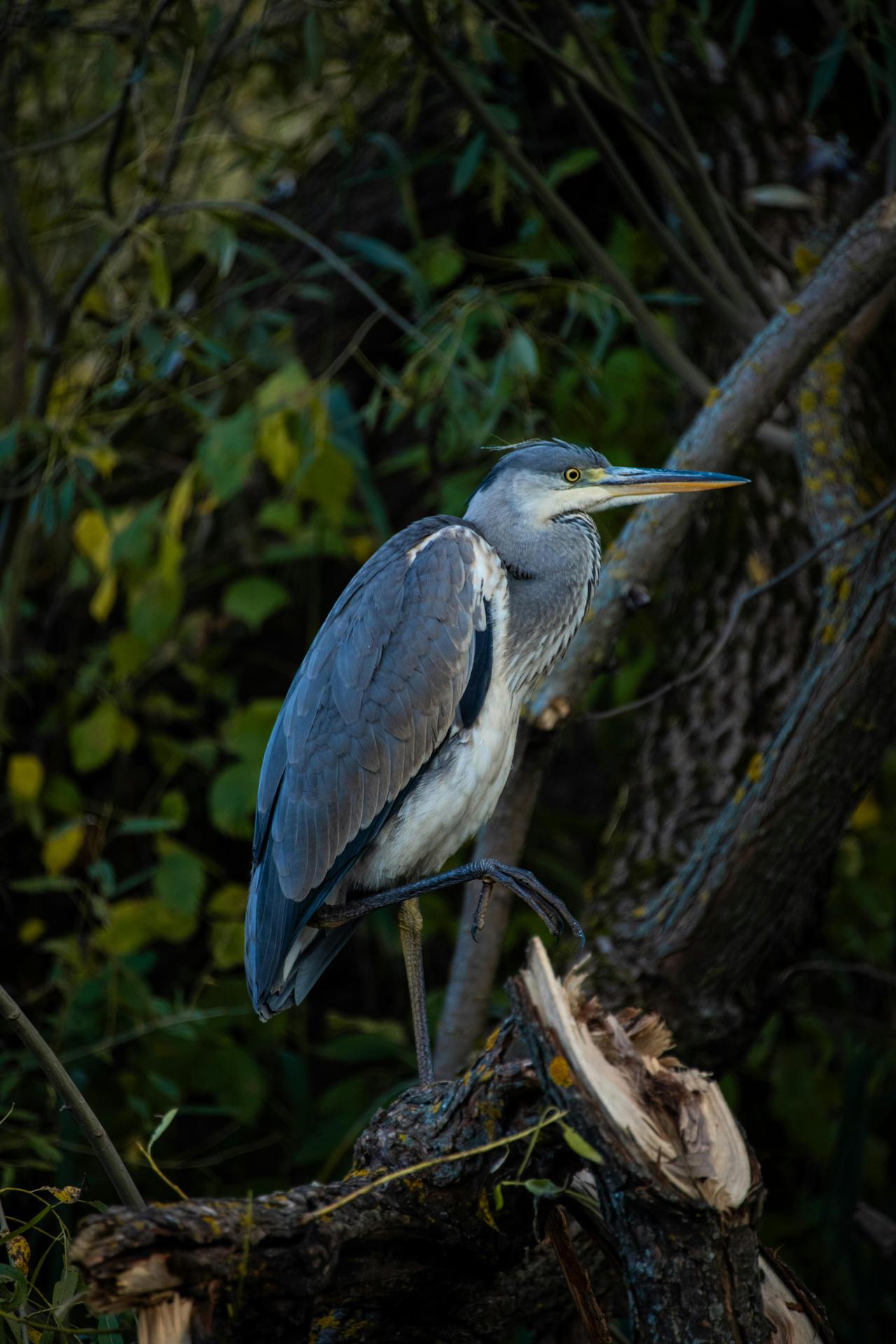
Grey Heron (Ardea Cinerea) (pexels)
Grey herons exhibit a monogamous breeding system based on mutual pair bonding. The breeding season varies with local temperature and humidity but generally occurs between January and June. For nesting, they prefer the treetops of tall trees, typically around 50 metres high, where they construct large platform nests from reeds, twigs and grasses. These nests are often reused in subsequent years with additional material added. In areas with low or no tree cover, nests may be built directly on slopes, reedbeds or the ground.
Females lay two to seven pale blue-green eggs per clutch. The average incubation period lasts 23 to 28 days, during which both parents share incubation duties. Chicks hatch and are fed regurgitated animal protein—partially digested prey—by both parents.
Chicks develop flight capability approximately 50 days after hatching and become fully independent from parental care after 9 to 10 weeks. In natural ecosystems, the average life expectancy is around five years, but individuals that survive in the wild have been documented to live up to 23 years, and those in protected or captive environments have exceeded 35.1 years.
Estimated global populations of grey herons range between 710,000 and 3.7 million adult individuals. The species is classified as "Least Concern" on the International Union for Conservation of Nature (IUCN) Red List. The global population is currently stable or showing a slight increasing trend.
However, certain localised populations face threats. In particular, the subspecies A. c. firasa, endemic to Madagascar, has been classified as Endangered due to habitat loss.
The most significant anthropogenic threats to this species include persecution by fish farmers who view them as predators, deliberate poisoning by producers, and water pollution in breeding habitats that causes eggshell thinning and immune system disorders. Deforestation and logging activities that destroy nesting trees also negatively impact local populations.
Bower, Justin, and Daniel Rabago. "Ardea cinerea." Animal Diversity Web. 2012. Accessed April 23, 2026. https://animaldiversity.org/accounts/Ardea_cinerea/
HeronConservation. "Grey Heron." The IUCN-SCC Heron Specialist Group. Accessed April 23, 2026. https://www.heronconservation.org/herons-of-the-world/list-of-herons/grey-heron/
Kurt, Bahtiyar. "Sulakalanların Uzun Bacaklı Kuşları Gri Balıkçıl ve Büyük Ak Balıkçıl." TÜBİTAK Bilim Çocuk. Accessed April 23, 2026. https://bilimcocuk.tubitak.gov.tr/wp-content/uploads/sites/157/2025/09/bfd3589c-915e-48a6-abc2-2f17595cde7f.pdf
T.C. İzmir Kuş Cennetini Koruma ve Geliştirme Birliği. "Gri Balıkçıl." İZKUŞ. Accessed April 23, 2026. https://izmirkuscenneti.gov.tr/2022/12/03/gri-balikcil/

Scientific Name(s) | Ardea cinerea | ||||||||
|---|---|---|---|---|---|---|---|---|---|
Team(s) | Ciconiiformes Herons | ||||||||
Family(ies) | Ardeidae Herons | ||||||||
Conservation Status(es) | LC Least Concern | ||||||||
Number of Subspecies | Four distinct species identified worldwide | ||||||||
Flight Position | Neck bent in an S-shape, legs extended backward | ||||||||
Reproductive System | Monogamous, one mate | ||||||||
Incubation Period | 23-28 days | ||||||||
Egg Count | 2-7 eggs per clutch | ||||||||
Feeding Behavior | Primarily fish and frogs | ||||||||
Lifespan | Average 5 years in the wild, maximum 23-35 years | ||||||||
Body Weight | 1-2 kg | ||||||||
Wingspan | 155-195 cm | ||||||||
Body Length | 84-102 cm | ||||||||
Habitat | Shallow freshwater brackish water and marine coasts | ||||||||
No Discussion Added Yet
Start discussion for "Grey Heron (Ardea cinerea)" article
Classification and Taxonomy
Physical Characteristics
Habitat and Geographic Distribution
Feeding and Foraging Behaviour
Reproduction and Life Cycle
Conservation Status